The Digital Discovery Gap in Saudi Arabia's Tourism Boom
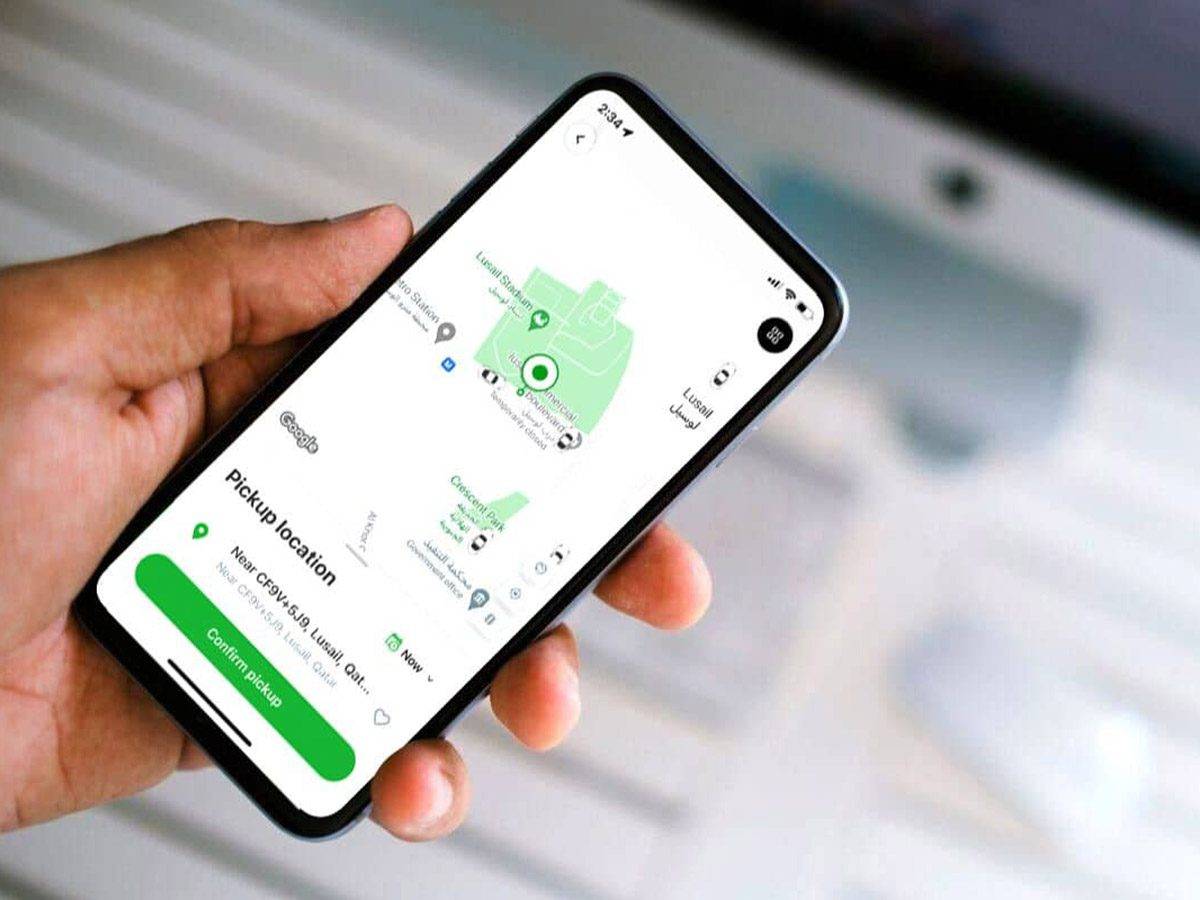
Saudi Arabia is investing billions into physical tourism infrastructure.
Key Takeaways
- Saudi Arabia received 100 million tourists in 2023 but ranks poorly in English-language travel content — fewer than 15% of its UNESCO-listed and candidate sites have dedicated English travel guides online.
- Google searches for 'Saudi Arabia travel' grew 340% between 2021 and 2025, yet click-through rates remain low due to thin, AI-generic content that doesn't answer specific questions like visa costs (SAR 535 tourist e-visa) or dress codes.
- TikTok and Instagram Reels are the dominant discovery channels for Gen Z Saudi travelers — short-form video of AlUla rock formations and Red Sea dive sites drives 60%+ of first awareness, yet most DMO budgets still prioritize static SEO.
- Arabic-language search queries for domestic Saudi destinations outpace English 4:1 — travel brands ignoring Arabic SEO and RTL UX are missing the largest and fastest-growing segment of the market.
- The gap between Saudi tourism ambition (Vision 2030 targets 150 million visitors/year by 2030) and digital content depth creates a first-mover opportunity for publishers building specific, verified, on-the-ground guides.
Executive Summary
- Saudi Arabia is investing at sovereign scale in physical tourism infrastructure, but digital discovery infrastructure remains underdeveloped.
- International travellers begin their journey digitally — search, social, AI tools, OTAs — meaning the booking pathway is controlled before a hotel is ever considered.
- Without a structured discovery layer, Saudi tourism growth becomes dependent on foreign intermediaries for visibility, margin, and narrative control.
- The window to build this layer is finite: search patterns, distribution structures, and brand associations are still forming during 2024–2027.
Saudi Arabia is investing billions into physical tourism infrastructure — giga-projects, heritage restoration, hospitality clusters, and aviation expansion. The physical supply is scaling rapidly. But infrastructure alone does not generate bookings. Between global demand and local supply sits a missing layer: digital discovery infrastructure.
What Is Digital Discovery Infrastructure?
Digital discovery infrastructure is the structured layer through which travellers find, evaluate, and reach tourism products. It includes search-indexed destination content, machine-readable hotel and experience data, direct-channel pathways, and multilingual editorial authority signals.
Without this layer, demand routes through whoever controls it — typically global OTAs. The physical tourism product grows. The digital interface remains externally controlled. This creates a structural dependency where the entity that built the hotel does not control how travellers find it.
The components of a functioning discovery layer include: semantically structured destination pages indexed by search engines, schema.org-annotated hotel and experience listings readable by AI systems, multilingual content that serves the Kingdom's primary source markets (GCC, Europe, East Asia), and direct-intent pathways that connect high-value search queries to local operators rather than intermediary platforms.
The Physical Acceleration
Saudi Arabia's tourism growth is no longer theoretical. Current investment includes:
- Large-scale coastal resort developments along the Red Sea, including Red Sea Global's project spanning 28,000 square kilometres with 50+ resort hotels planned by 2030
- Cultural heritage districts restored to international standard, including AlUla's Royal Commission investment of over $20 billion
- Luxury hospitality clusters anchored by international brands — Marriott, Hilton, Accor, and IHG have collectively committed to over 100 new properties in Saudi Arabia
- Experience-led desert, eco-tourism, and adventure projects across regions from the Empty Quarter to the Asir highlands
The Vision 2030 target is 150 million annual visitors by 2030, up from approximately 100 million in 2023. Achieving this at sustainable economics — not just volume — requires demand that flows through controlled digital channels, not only intermediaries. Explore Saudi's destination index is part of that discovery infrastructure.
Why OTAs Alone Are Insufficient
International travellers are digital-first. Their discovery journey begins with search engines, social content, AI-powered recommendation tools, and OTAs — in that order. Relying primarily on global intermediaries to route inbound demand creates four structural problems:
- Margin leakage: Commission dependency (typically 15-25% per booking) erodes operator economics at scale. For a hotel pipeline of the magnitude Saudi Arabia is building, this represents billions in annual commission outflow.
- Narrative fragmentation: Brand story is outsourced to algorithmic ranking logic. OTA listings reduce cultural experiences to star ratings and amenity checkboxes.
- Pricing control loss: Local operators are subject to external rate parity rules that constrain their ability to offer direct-channel incentives.
- Data outflow: Intent signals and visitor behaviour data accumulate in foreign systems rather than informing Saudi tourism strategy. Search patterns, booking windows, source market preferences, and demand forecasting data all flow to external platforms.
The physical layer grows. The digital layer remains externally controlled. This is the gap that digital discovery infrastructure must close.
Evidence: The Current State of Saudi Tourism Discovery
An analysis of English-language search queries related to Saudi tourism reveals the extent of the digital gap. For high-intent queries such as "best hotels in Riyadh," "things to do in Jeddah," or "AlUla travel guide," the top search results are dominated by international platforms: TripAdvisor, Booking.com, Lonely Planet, and generic travel aggregators.
Saudi-native content — whether from Visit Saudi, regional tourism authorities, or independent Saudi platforms — rarely appears in the top five results for commercially valuable queries. This means that the traveller's first impression of Saudi Arabia as a destination is being shaped by entities with no stake in the Kingdom's long-term brand positioning.
In AI-driven discovery (ChatGPT, Perplexity, Google AI Overviews), the gap is even more pronounced. AI systems draw from the content that dominated web indexes during their training periods — overwhelmingly international sources. Without structured, authoritative Saudi-native content established during this critical window, AI systems will continue to default to external narratives when recommending Saudi destinations.
What a Structured Discovery Layer Must Do
A neutral, structured discovery layer — operating independently of transactional intermediaries — must be capable of:
- Aggregating Saudi destinations, hotels, and experiences into a coherent, search-indexed repository with semantic depth beyond what OTA listings provide
- Providing contextual editorial content rather than commoditised listings — explaining not just what exists, but why it matters and how to experience it
- Supporting multilingual demand from the Kingdom's primary source markets through content that is culturally adapted, not merely translated
- Creating direct connection pathways between traveller intent and Saudi operators, reducing intermediary dependency
- Capturing long-tail search intent — the specific, niche, and high-conversion queries that collectively represent the majority of travel search volume
- Producing schema.org-annotated content (TouristDestination, Hotel, TouristAttraction, TouristTrip) that is machine-readable by AI discovery systems
Without this capability, Saudi tourism growth becomes structurally dependent rather than strategically sovereign.
Competitive Precedents
Other destinations have faced similar challenges at earlier stages of tourism development:
Dubai invested early in digital infrastructure through Dubai Tourism's platform and the Dubai Corporation for Tourism and Commerce Marketing, establishing content authority before global aggregators could dominate Dubai-specific search. This early investment is one reason Dubai controls its tourism narrative more effectively than most destinations.
Iceland used the Inspired by Iceland campaign and Visit Iceland platform to establish direct-channel authority during its rapid tourism growth phase (2012-2019), ensuring that the destination's story was told by Icelandic sources rather than external travel publishers.
Thailand illustrates the alternative outcome. Despite massive physical tourism infrastructure, Thailand's digital discovery is dominated by international platforms (Agoda, Booking.com, TripAdvisor), resulting in significant margin leakage and limited control over how the destination is presented to potential visitors.
Saudi Arabia has the advantage of entering the tourism market during the AI transition, where structured data and schema-annotated content carry more weight than raw backlink volume. This is an opportunity to leapfrog the traditional SEO competition and establish authority in the emerging AI-driven discovery paradigm.
Why the Next Five Years Are the Critical Window
During the early expansion phase of a tourism destination, three conditions hold that later become expensive to reverse:
- Search behaviour patterns are still forming. Brand and destination associations are not yet fixed in search engine or AI model memory. The queries "best beach destination Middle East" or "archaeological sites Arabia" do not yet have hardened answer patterns.
- Distribution structures are not yet entrenched. Dominant intermediaries have not yet consolidated market position in Saudi-specific travel search. The race for domain authority on Saudi tourism topics is still open.
- Narrative ownership is still available. The authoritative digital voice on Saudi tourism can still be established from within the ecosystem rather than ceded to external publishers.
Once dominant intermediaries consolidate visibility — through backlink authority, content volume, and model training data — rebalancing becomes structurally expensive. The digital layer must be built in parallel with physical investment, not as an afterthought.
The opportunity is not incremental. It is infrastructural. And the window is open now.
Action Framework for Saudi Tourism Stakeholders
Closing the digital discovery gap requires coordinated action from multiple participants in the Saudi tourism ecosystem:
For Hotel Operators and Hospitality Groups
Invest in direct-channel content beyond basic property listings. Create destination-context pages that explain not just what the hotel offers, but what the surrounding region offers and why a traveller should choose this location. Implement schema.org Hotel and LodgingBusiness markup. Reduce OTA dependency gradually by shifting marketing spend toward owned-channel content and search visibility.
For Experience Operators and Tour Companies
Structure experience offerings with schema.org TouristTrip and Event markup. Create content that addresses long-tail search queries — the specific, high-conversion queries that represent travellers who have already decided on Saudi Arabia and are now searching for specific activities. Partner with discovery platforms that provide contextual positioning rather than commoditised listing.
For Regional Tourism Authorities
Develop comprehensive, multilingual destination content that serves as the authoritative source for regional tourism information. Ensure this content is schema-annotated, regularly updated, and structured for both human readers and AI systems. Coordinate with national-level initiatives to create a coherent digital ecosystem rather than fragmented regional efforts.
Strategic Conclusion
Saudi Arabia's tourism future will be defined by digital accessibility, structured discovery, and distribution intelligence — not only by architecture and coastline. The giga-projects are visible. The hotel pipeline is tracked. The aviation expansion is measured. What remains underbuilt is the interface through which the world will find all of it.
The cost of inaction is not a missed marketing opportunity. It is a structural dependency on foreign intermediaries that compounds over time, extracting margin, data, and narrative control from the Saudi ecosystem. The cost of action — building a comprehensive, multilingual, schema-annotated discovery layer — is a fraction of the physical infrastructure investment already committed. The return is strategic sovereignty over how Saudi Arabia is discovered, understood, and chosen by the world's travellers.
More on Saudi Tourism Strategy
Frequently Asked Questions
- Why doesn't Saudi Arabia rank higher in global tourism searches?
- Saudi Arabia's tourism is young with promotion starting after Vision 2030. Search engines have limited indexed content compared to UAE and Egypt. Recent visa restrictions reduced online visibility.
- How is Saudi Arabia improving its digital tourism presence?
- The Saudi Tourism Authority increased digital marketing, partnered with travel platforms, and invested in SEO. Social media campaigns, YouTube guides accelerate awareness.
- What barriers exist to finding Saudi tourism information online?
- Limited multilingual content, fewer reviews than established destinations, and outdated visa information create confusion. Language barriers prevent Arabic content reaching English speakers.
- Which Saudi destinations are most discoverable online and why?
- AlUla and Jeddah dominate due to UNESCO recognition and media coverage. Riyadh's visibility increased from international events. Diriyah and the Red Sea gain traction through influencers.