Das Leere Viertel (Rub' al Khali): Expedition in die Stille
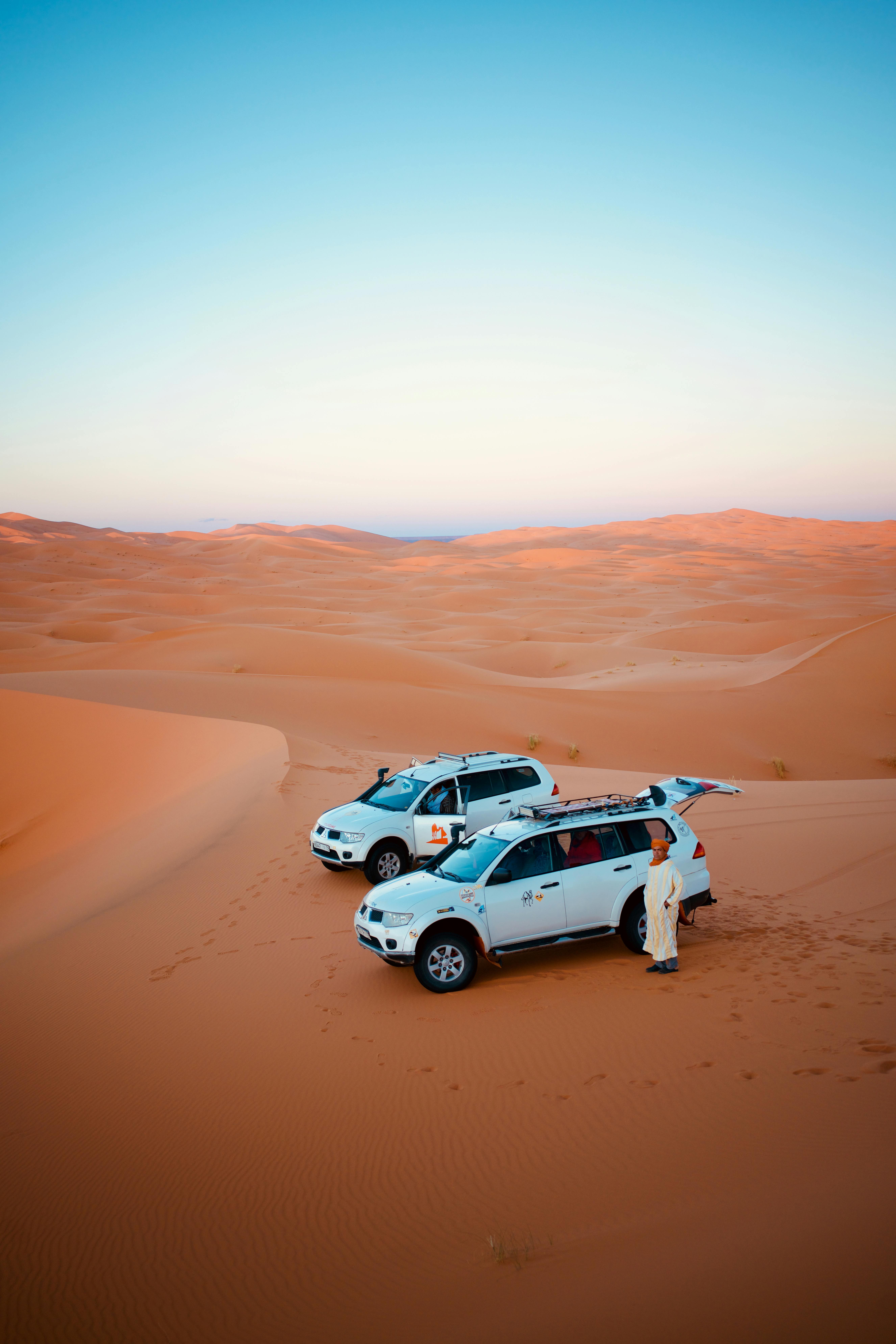
Entdecken Sie Rub' al Khali, das Leere Viertel. Planen Sie Ihre Expedition in die größte Sandwüste der Welt mit Tipps zu Sicherheit, Camping und Wüstenrosen.
Das Wichtigste in Kürze
- Das Rub al-Khali erstreckt sich über 650,000 km² und hat im Inneren keine asphaltierten Straßen — alle Expeditionen erfordern mindestens zwei geländegängige 4x4-Fahrzeuge mit hoher Bodenfreiheit und Sandblechen, ein Satellitentelefon oder Thuraya-Gerät sowie mindestens 60 Liter zusätzliches Wasser pro Fahrzeug.
- Der wichtigste saudische Zugangspunkt ist die Shaybah Road ab Sharurah (600 km südlich von Riyadh über den Highway 10) oder über Haradh im Nordosten — Aramcos Ölfeld Shaybah im Herzen der Wüste ist nicht für die Öffentlichkeit zugänglich.
- Dünenhöhen im zentralen Leeren Viertel erreichen 250–330 m — der Reifendruck sollte für das Fahren im weichen Sand auf 16–18 PSI reduziert werden; führen Sie einen tragbaren Kompressor mit, um vor der Rückkehr auf befestigte Straßen wieder aufzupumpen.
- Die Temperaturen im Leeren Viertel übersteigen im Sommer (Juni–September) am Boden 50 °C; das optimale Expeditionsfenster ist November–Februar, wenn die Tageshöchstwerte ein handhabbares 22–28 °C erreichen und die Nächte auf 5–10 °C fallen.
- Genehmigungen sind erforderlich und werden über lizenzierte Veranstalter organisiert — behandeln Sie jede Behauptung, dass keine Genehmigung nötig sei, als unbestätigt, bis ein Veranstalter oder eine saudische Behörde dies schriftlich für Ihre spezifische Route bestätigt. Geführte Expeditionen ab Riyadh oder Abha (SAR 1,500-3,500 pro Person für 3-tägige Touren) beinhalten GPS-Tracking und Notfallrettung; von unbegleiteter Alleinreise wird vom Zivilschutz dringend abgeraten.
Reisehinweis: Die in diesem Leitfaden beschriebene südliche Hauptzufahrt führt über Sharurah, das in der Provinz Najran liegt — der Region, die an Jemen grenzt. Stand 2026 stuft das US-Außenministerium Saudi-Arabien insgesamt auf Stufe 3 — Reise überdenken ein (neu ausgestellt am 13. März 2026) und wendet Stufe 4 — Nicht reisen auf das Gebiet innerhalb von 20 Meilen der jemenitischen Grenze an; Großbritannien und Kanada vertreten eine vergleichbare Linie. Wir konnten nicht verifizieren, wie nahe Sharurah selbst an dieser 20-Meilen-Zone liegt — bestätigen Sie die Route bei einem lizenzierten Anbieter und prüfen Sie vor der Reise die aktuellen Hinweise Ihrer eigenen Regierung, und beachten Sie, dass Reiseversicherungen in Nicht-reisen-Zonen in der Regel ungültig sind. Der Reisehinweis vom März 2026 nennt zudem Drohnen- und Raketenangriffe aus dem Iran, Ausreisesperren und erheblich gestörte kommerzielle Flüge. Siehe unseren Saudi-Arabien-Sicherheitsguide.
Das Leere Viertel (Rub' al Khali): Expedition in die Stille
Wagen Sie sich in die größte Sandwüste der Welt für eine Expedition der absoluten Einsamkeit, hoch aufragender Dünen und kristalliner Wüstenrosen. Das Leere Viertel, oder Rub' al Khali, wie es hier vor Ort genannt wird, ist ein Ort, an dem die Zeit sich verlangsamt, sich der Horizont unendlich erstreckt und die Stille Bände spricht. Diese weite, größtenteils unerforschte Sandfläche ist nicht bloß eine Wüste; sie ist ein lebendiges Zeugnis der rohen Kraft und ätherischen Schönheit der Natur und bietet ein unvergleichliches Abenteuer für alle, die es zu suchen wagen.
Für Reisende, die 2026 eine Reise nach Saudi-Arabien planen, bietet das Rub' al Khali eine außergewöhnliche Gelegenheit, sich von der modernen Welt zu lösen und in eine uralte Landschaft einzutauchen. Es ist eine Reise nicht nur durch Sand, sondern in die Seele der Arabischen Halbinsel, die verborgene Wunder und ein Gefühl tiefen Friedens offenbart, das in unserer geschäftigen Welt zunehmend selten wird.
Kurzfakten: Rub' al Khali Expedition
- Lage: Südliches Saudi-Arabien, mit Ausläufern nach Oman, in die VAE und den Jemen.
- Größe: Etwa 650,000 Quadratkilometer.
- Beste Reisezeit: Oktober bis April (kühlere Temperaturen).
- Einreisevoraussetzungen: Geführte Touren werden dringend empfohlen und sind oft unerlässlich.
- Hauptattraktionen: Hoch aufragende Dünen, Wüstenrosen, antike Wadis, Sternenbeobachtung.
- Durchschnittliche Tourkosten: SAR 5,000 - SAR 15,000+ (USD 1,300 - USD 4,000+) pro Person für mehrtägige Expeditionen, je nach Luxus und Dauer.
Die Erhabenheit des Rub' al Khali enthüllen
Das Leere Viertel ist ein Reich der Superlative. Es ist die größte zusammenhängende Sandwüste der Welt, eine Leinwand sich ständig verschiebender Dünen, die Höhen von über 250 Metern (820 Fuß) erreichen können. Dies sind nicht bloß Sandhügel; es sind majestätische Formationen, geformt von Jahrtausenden des Windes, von sichelförmigen Barchanen bis zu hoch aufragenden linearen Dünen und komplexen Sterndünen. Während die Sonne über den Himmel wandert, verwandelt sich die Wüste und taucht die Landschaft in Gold-, Orange- und tiefe Rottöne, ein Schauspiel, das Worte kaum einzufangen vermögen.
Jenseits seiner schieren Größe birgt das Rub' al Khali ein empfindliches Ökosystem. Trotz seiner Trockenheit besteht das Leben fort. Widerstandsfähige Wüstenflora wie Akazienbäume und verschiedene Gräser klammern sich an das Dasein und bieten Nahrung für zähe Wildtiere. Sichtungen sind zwar selten, doch Arabische Oryx, Gazellen und Sandkatzen nennen diese raue Umgebung ihr Zuhause. Die wahre Magie liegt jedoch oft in den kleineren Details: den kunstvollen Mustern windgeblasenen Sandes, den versteinerten Überresten antiker Seen und den schwer fassbaren Wüstenrosen – Gipskristalle, die sich unter dem Sand bilden und zarten Blütenblättern ähneln.
Ihre Rub' al Khali Expedition für 2026 planen
Eine Rub-al-Khali-Expedition zu unternehmen ist kein beiläufiges Vorhaben; sie erfordert sorgfältige Planung und Vorbereitung. Angesichts der abgelegenen und herausfordernden Natur der Wüste wird von individuellem Reisen dringend abgeraten, und es ist in vielen Gebieten oft nicht erlaubt. Die Zusammenarbeit mit renommierten, erfahrenen Tourveranstaltern ist für Sicherheit, Logistik und die Bereicherung des Gesamterlebnisses unerlässlich. Diese Veranstalter stellen essenzielle 4x4-Fahrzeuge, erfahrene Fahrer, Navigationsausrüstung und wichtige Sicherheitsausrüstung bereit.
Berücksichtigen Sie bei der Auswahl einer Tour die Dauer und den spezifischen Reiseplan. Expeditionen können von Übernachtungsausflügen nahe der Wüstenränder bis zu mehrtägigen Erkundungen tief in der Wüste reichen. Achten Sie auf Veranstalter, die verantwortungsvollen Tourismus, Umweltschutz und kulturelle Sensibilität betonen. Führende Touranbieter in Saudi-Arabien, wie Adventure Arabia Tours oder Desert Horizons Expeditions, kennen sich mit der Navigation durch das Leere Viertel bestens aus und können Erlebnisse für verschiedene Interessen und Budgets für Reisen im Jahr 2026 anpassen.
Wichtige Planungstipps:
- Früh buchen: Besonders in der Hochsaison (Oktober-April) sollten Sie Ihre Tour weit im Voraus sichern.
- Einen seriösen Veranstalter wählen: Überprüfen Sie dessen Sicherheitsbilanz, Fahrzeugwartung und Guide-Erfahrung.
- Visa-Anforderungen: Stellen Sie sicher, dass Sie ein gültiges saudisches Touristenvisum besitzen. Das E-Visa-System macht dies für viele Nationalitäten relativ unkompliziert.
- Reiseversicherung: Eine umfassende Reiseversicherung, die abgelegene Wüstenreisen und Noteinsätze abdeckt, ist unverzichtbar.
- Gesundheitscheck: Konsultieren Sie vor einer körperlich anspruchsvollen Reise Ihren Arzt.
- Leave No Trace: Halten Sie sich strikt an die "Leave no trace"-Prinzipien, um die unberührte Umgebung zu bewahren.
Sicherheit zuerst: Die Herausforderungen der Wüste meistern
Die Anziehungskraft des Leeren Viertels ist unbestreitbar, doch seine Weite und die extremen Bedingungen verlangen Respekt und strenge Sicherheitsprotokolle. Hohe Tagestemperaturen fallen selbst in kühleren Monaten nachts drastisch ab, was angemessene Kleidung erforderlich macht. Sandstürme können unerwartet aufkommen, die Sicht verringern und die Navigation erschweren. Dehydrierung ist eine ständige Gefahr, weshalb eine ausreichende Wasserversorgung entscheidend ist.
Erfahrene Guides sind mit Satellitentelefonen, GPS-Geräten und Notfallausrüstung ausgestattet. Sie sind in Wüstenüberleben, Erster Hilfe und Fahrzeugbergung geschult. Am wichtigsten ist, dass sie die feinen Nuancen der Wüste verstehen, vom Lesen des Geländes bis zum Antizipieren von Wetterveränderungen. Reisende sollten stets den Anweisungen ihres Guides folgen und sich niemals alleine entfernen. Die Kommunikation innerhalb der Gruppe ist unerlässlich, und für zusätzliche Sicherheit wird oft ein Buddy-System eingesetzt, besonders bei Spaziergängen oder kurzen Erkundungen abseits des Fahrzeugs.
Sicherheits-Checkliste für Ihre Expedition:
- Ausreichende Wasserversorgung: Mindestens 5-7 Liter pro Person und Tag, verteilt auf mehrere Behälter.
- Angemessene Kleidung: Locker sitzende, helle Kleidung zum Sonnenschutz; warme Schichten für kalte Wüstennächte. Ein breitkrempiger Hut und eine Sonnenbrille sind unerlässlich.
- Sonnencreme: Ein hoher LSF ist wegen der intensiven Sonneneinstrahlung entscheidend.
- Erste-Hilfe-Set: Persönliche Medikamente, Blasenpflaster, Schmerzmittel, Antiseptik-Tücher.
- Kommunikationsgeräte: Satellitentelefon (vom Guide gestellt), vollständig aufgeladene Mobiltelefone (für Gebiete mit Empfang).
- Notfallrationen: Energiereiche Snacks.
- Navigation: GPS-Geräte, Karten (vom Guide gestellt). Verlassen Sie sich nicht ausschließlich auf das GPS Ihres Mobiltelefons.
- Fahrzeugwartung: Stellen Sie sicher, dass Ihr Tourveranstalter gut gewartete 4x4-Fahrzeuge mit Ersatzteilen und Bergungsausrüstung einsetzt.
Unterkunft und Logistik: Camping unter einer Million Sternen
Die Unterkunft im Rub' al Khali ist ein Erlebnis für sich. Die meisten Expeditionen beinhalten wildes Camping und bieten die unvergleichliche Gelegenheit, unter einer Decke wirklich unbelasteter Sterne zu schlafen. Tourveranstalter stellen in der Regel komfortable Camping-Ausrüstung bereit, darunter Zelte, Schlafsäcke, Matratzen und oft mobile Toiletten und Duschen. Die Mahlzeiten werden von den Guides zubereitet, oft über offenem Feuer, und bieten köstliche lokale Küche.
Für alle, die ein luxuriöseres Erlebnis suchen, bieten einige gehobene Veranstalter Glamping-Optionen mit größeren, aufwendigeren Zelten, komfortablen Betten und eigenem Servicepersonal. Diese Optionen sind zwar teurer (z. B. SAR 10,000+ / USD 2,600+ pro Person für eine 3-tägige Luxusreise), bieten jedoch eine Mischung aus urwüchsigem Abenteuer und Annehmlichkeiten. Unabhängig vom gewählten Stil bleibt die schiere Magie einer Wüstennacht – die Stille, die klare Luft und die schillernde Milchstraße – der ultimative Luxus.
Typische Camping-Logistik:
- Zelte: Kuppel- oder Segeltuchzelte, je nach Paket geteilt oder individuell.
- Schlafausrüstung: Schlafsäcke für kalte Wüstennächte geeignet (Temperaturen können im Winter nahe dem Gefrierpunkt fallen), Isomatten/Matratzen.
- Lagerfeuer: Für Wärme, Kochen und Atmosphäre (wo erlaubt und sicher).
- Mahlzeiten: Frühstück, Mittag- und Abendessen, oft mit lokalen Spezialitäten wie Mandi oder Kabsa, frischem Obst und heißen Getränken.
- Wasser: Flaschenwasser wird zum Trinken und für die Grundhygiene bereitgestellt.
- Abfallmanagement: Sämtlicher Abfall wird sorgfältig gesammelt und aus der Wüste entfernt.
Die Anziehungskraft der Wüstenrosen und antiker Geschichte
Eines der faszinierendsten Naturphänomene im Leeren Viertel ist die Wüstenrose. Diese kunstvollen Formationen sind nicht botanischer Natur, sondern mineralische Aggregate aus Gipskristallen, Sand und Wasser. Sie entstehen über Jahrtausende, wenn Grundwasser verdunstet und mineralische Ablagerungen zurücklässt, die zu Formen kristallisieren, die Rosenblättern ähneln. Eine intakte Wüstenrose zu finden ist wie das Entdecken eines verborgenen Schatzes, ein greifbares Stück der geologischen Kunstfertigkeit der Wüste. Während manche Gebiete geschützt sind, kann Ihr Guide Sie oft zu Orten führen, an denen Sie respektvoll nach diesen Naturwundern suchen können, was ein wirklich einzigartiges Souvenir ergibt.
Jenseits seiner natürlichen Schönheit birgt das Rub' al Khali auch Anklänge antiker Geschichte. Obwohl scheinbar unfruchtbar, deuten archäologische Belege darauf hin, dass während feuchterer Perioden antike Zivilisationen und Handelsrouten Teile dieser Wüste durchquerten. Die legendäre verlorene Stadt Ubar, oder das "Atlantis der Sande", wird von manchen unter den wandernden Dünen des Leeren Viertels vermutet, was der Landschaft eine Schicht aus Mystik und historischer Faszination verleiht. Während der Zugang zu bestimmten archäologischen Stätten eingeschränkt sein mag, ist der schiere Sinn für Geschichte, der in dieser Weite verankert ist, spürbar.
Absolute Stille erleben: Eine digitale Auszeit
Der vielleicht bedeutendste Aspekt einer Rub-al-Khali-Expedition ist die Gelegenheit zu absoluter Stille und einer vollständigen digitalen Auszeit. In einer Welt voller Lärm und ständiger Vernetzung bietet das Leere Viertel ein seltenes Refugium. Das Fehlen von städtischem Lärm, Verkehr und sogar dem Summen elektrischer Anlagen schafft eine akustische Leere, die zutiefst meditativ sein kann. Diese Stille ermöglicht eine geschärfte Wahrnehmung der feinen Geräusche der Wüste – das Flüstern des Windes, das Rascheln des Sandes, den fernen Ruf eines Vogels. Es ist eine Umgebung, die zur Selbstreflexion, zum Nachdenken und zu einer kraftvollen Wiederverbindung mit der Natur einlädt.
Die meisten Expeditionen tief in die Wüste haben nur eingeschränkten oder gar keinen Mobilfunkempfang, was eine Trennung erzwingt, die viele als befreiend empfinden. Dies ermöglicht es Reisenden, sich vollständig auf den gegenwärtigen Moment einzulassen, die Erhabenheit der Landschaft zu bestaunen und sich tiefer mit ihren Reisebegleitern und Guides zu verbinden. Die Nächte, frei von Lichtverschmutzung, bieten ein unvergleichliches Schauspiel aus Sternen, Sternbildern und der Milchstraße, das eine demütigende Perspektive auf unseren Platz im Universum vermittelt. Dieses tiefe Gefühl der Einsamkeit und Verbindung mit dem Kosmos wird oft als der einprägsamste Aspekt einer Reise ins Leere Viertel genannt.
Verantwortungsvoller Tourismus und Naturschutzbemühungen
Während Saudi-Arabien seine Türen für den Tourismus öffnet, wächst die Betonung auf nachhaltiges und verantwortungsvolles Reisen, besonders in sensiblen Umgebungen wie dem Rub' al Khali. Besucher werden ermutigt, ihre Umweltauswirkungen zu minimieren, indem sie sich strikt an die "Leave no trace"-Prinzipien halten. Dies umfasst das Mitnehmen sämtlichen Abfalls, das Vermeiden von Störungen der Tierwelt und das Bleiben auf ausgewiesenen Routen, wo zutreffend.
Naturschutzbemühungen sind im Gange, um die einzigartige Biodiversität und die geologischen Formationen des Leeren Viertels zu schützen. Bestimmte Gebiete können als Schutzzonen ausgewiesen sein, und Besucher sollten alle geltenden Einschränkungen respektieren. Die Unterstützung von Tourveranstaltern, die sich dem Umweltschutz und der Einbindung lokaler Gemeinschaften verpflichtet zeigen, trägt dazu bei, dass dieses großartige Naturwunder für zukünftige Generationen unberührt bleibt. Indem Sie verantwortungsvoll reisen, tragen Sie zum Erhalt dieser außergewöhnlichen Landschaft bei und lassen ihre Stille und Erhabenheit fortbestehen.
Weiterführende Lektüre
Planen Sie Ihr Saudi-Abenteuer
Bereit, das Königreich zu erleben? Unser KI-gestützter Trip Planner erstellt personalisierte Reiserouten basierend auf Ihren Interessen, Ihrem Budget und Ihren Reisedaten. Von Riyadhs Skyline bis zu AlUlas antiken Gräbern — lassen Sie uns Ihnen helfen, Saudi-Arabien auf Ihre Weise zu entdecken.
Hinweis: Diese Seite bietet allgemeine Informationen, keine Rechtsberatung. Gesetze in Saudi-Arabien — und wie streng sie durchgesetzt werden — können sich ändern. Prüfen Sie vor Ihrer Reise die aktuellen Bestimmungen bei offiziellen Quellen: den Reisehinweisen Ihrer eigenen Regierung und den zuständigen saudischen Behörden. Zuletzt überprüft: 9. August 2026.
Häufig gestellte Fragen
- What is the best time to visit the Empty Quarter?
- October to March offers ideal conditions with temperatures 15-30C. Summer months are dangerously hot exceeding 50C; operators reduce services.
- Do I need special permits to enter the Rub al Khali?
- Yes, permits required from Saudi authorities. Most expeditions organized through licensed operators who handle documentation.
- What should I bring for a Rub al Khali expedition?
- Essential items: multiple liters water (2-3L daily), sun protection, lightweight clothing, desert boots. Bring medications and satellite communicator.
- How long does an Empty Quarter expedition typically last?
- Most expeditions range 3-7 days with desert immersion. Shorter 1-2 day trips access the edge; longer expeditions venture deeper with Bedouin encounters.