Gesundheitsleitfaden für Saudi-Arabien – Impfungen & Medizinische Versorgung
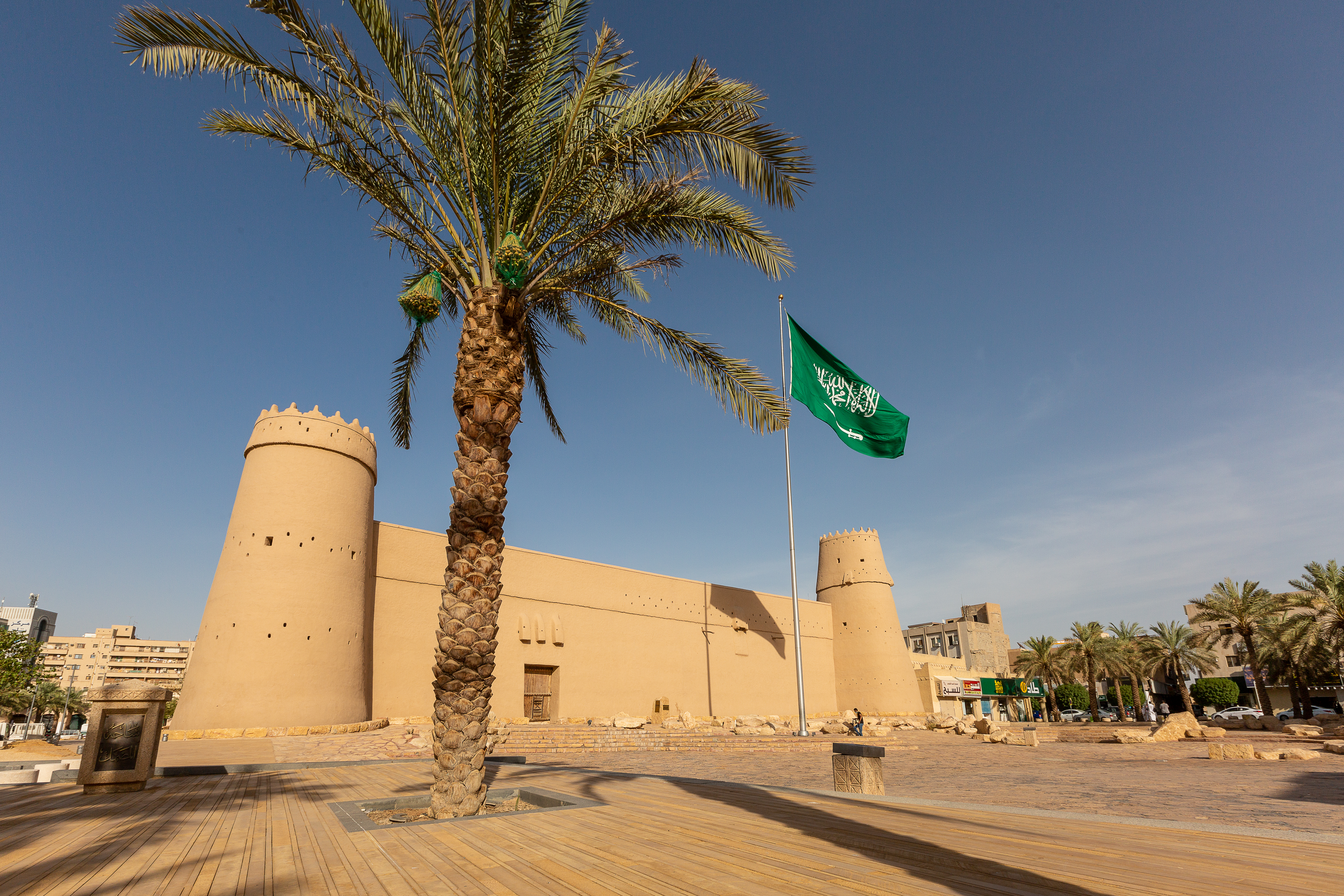
Umfassender Gesundheitsleitfaden für Ihre Reise nach Saudi-Arabien: Impfungen, medizinische Versorgung, Apotheken und wichtige Reisetipps.
Das Wichtigste in Kürze
- Saudi-Arabien schreibt für alle Hajj- und Umrah-Pilger einen Nachweis der Meningokokken-ACWY-Impfung vor — lassen Sie sich mindestens 10 Tage vor der Reise impfen; die Impfung kostet in saudischen Kliniken oder im Ausland etwa SAR 150–200.
- MERS-CoV (Middle East Respiratory Syndrome) bleibt ein endemisches Risiko — vermeiden Sie Kontakt mit Kamelen, trinken Sie keine rohe Kamelmilch, und melden Sie grippeähnliche Symptome innerhalb von 14 Tagen nach der Rückkehr Ihrem Hausarzt.
- Die Sommertemperaturen in Riyadh und der Ostprovinz übersteigen regelmäßig 45 °C (Juni–August); das Risiko für Hitzeerschöpfung ist hoch — trinken Sie täglich mindestens 3 Liter Wasser und vermeiden Sie Aktivitäten im Freien zwischen 11:00–16:00 Uhr.
- Apotheken (صيدلية) sind weit verbreitet und in Städten bis Mitternacht geöffnet; gängige rezeptfreie Medikamente wie Ibuprofen (SAR 12–18) und orale Rehydratationssalze (SAR 8) sind ohne Rezept erhältlich.
- Eine Reiseversicherung mit medizinischer Evakuierungsdeckung wird dringend empfohlen — eine einzige Nacht in einem saudischen Privatkrankenhaus kann ohne Versicherung SAR 2,000–8,000 kosten, und öffentliche Krankenhäuser priorisieren saudische Staatsangehörige.
Ihr unverzichtbarer Gesundheitsleitfaden für Reisen nach Saudi-Arabien 2026
Willkommen in Saudi-Arabien! Während Sie Ihre unvergessliche Reise durch dieses bezaubernde Land voller antiker Wunder und futuristischer Meisterleistungen planen, ist die Sicherstellung Ihrer Gesundheit und Ihres Wohlbefindens von größter Bedeutung. Dieser umfassende Leitfaden von Explore Saudi liefert Ihnen alle wesentlichen Informationen zu Impfungen, medizinischen Einrichtungen und praktischen medizinischen Ratschlägen für Ihre Reise 2026. Von den belebten Souks in Jeddah bis zu den stillen Wüsten von AlUla möchten wir, dass Sie mit Zuversicht und einem guten Gefühl auf Entdeckungsreise gehen.
Saudi-Arabien entwickelt seine touristische Infrastruktur rasant weiter, und mit ihr auch sein Gesundheitssystem. In den großen Städten finden Sie moderne Krankenhäuser und Kliniken mit hochqualifiziertem Personal. Dennoch ist gute Vorbereitung immer der beste Ansatz. Dieser Leitfaden führt Sie durch alles, von Pflichtimpfungen bis hin zu lokalen Apothekendiensten und dem Abschluss einer angemessenen Reiseversicherung.
Schnellübersicht & wichtige Informationen zu Ihrer Gesundheit
- Notrufnummer: 997 (Rettungsdienst), 999 (Polizei); eine einheitliche Rufnummer 911 deckt zudem Riyadh, Makkah, Madinah und die Ostprovinz ab
- Währung: Saudi-Rial (SAR). Etwa 1 USD = 3.75 SAR (Wechselkurse können variieren).
- Sprache: Arabisch (offiziell). Englisch wird in Geschäfts-, Tourismus- und medizinischen Bereichen weit verbreitet gesprochen.
- Klima: Überwiegend Wüstenklima. Heiße Sommer (Mai–September) mit Temperaturen häufig über 40°C (104°F). Mildere Winter (Oktober–April). Die Luftfeuchtigkeit kann an der Küste hoch sein.
- Wasser: Leitungswasser ist in den großen Städten in der Regel unbedenklich, für den Trinkgebrauch wird jedoch dringend Flaschenwasser empfohlen.
- Sonnenschutz: Ganzjährig unverzichtbar. Sonnencreme mit hohem LSF, Hüte und Sonnenbrillen sind ein Muss.
Pflicht- und empfohlene Impfungen für Saudi-Arabien
Der aktuelle Impfstatus ist ein entscheidender Schritt bei der Vorbereitung jeder internationalen Reise, und Saudi-Arabien bildet da keine Ausnahme. Während einige Impfungen für die Einreise verpflichtend sind, insbesondere für Pilger, werden andere dringend empfohlen, um Ihre Gesundheit während der Reise zu schützen. Es empfiehlt sich stets, mindestens 4–6 Wochen vor der Abreise Ihren Arzt oder einen reisemedizinischen Spezialisten zu konsultieren, um Ihre individuellen Bedürfnisse und Ihre Krankengeschichte zu besprechen.
Für alle Reisenden, insbesondere für diejenigen, die während der Hajj- oder Umrah-Saison reisen möchten, ist die Meningokokken-Meningitis-Impfung verpflichtend. Ein Impfnachweis, in der Regel ein Internationaler Impfausweis (International Certificate of Vaccination or Prophylaxis, ICVP), ist für Visumanträge und die Einreise erforderlich. Stellen Sie sicher, dass Ihre Impfung die Serogruppen A, C, W135 und Y abdeckt und spätestens 10 Tage vor der Ankunft verabreicht wurde. Die Gültigkeit beträgt 5 Jahre bei einem Konjugatimpfstoff (klar auf dem Zertifikat benannt) oder 3 Jahre bei einem Polysaccharidimpfstoff bzw. ohne Angabe des Impfstofftyps.
Empfohlene Impfungen & Vorbeugemaßnahmen:
- Standardimpfungen: Stellen Sie sicher, dass Ihre Standardimpfungen auf dem aktuellen Stand sind, einschließlich Masern, Mumps, Röteln (MMR), Diphtherie, Tetanus, Keuchhusten (DTaP), Windpocken (Varizellen) und Polio.
- Hepatitis A & B: Dringend empfohlen wegen möglicher Ansteckung durch kontaminierte Nahrungsmittel oder Wasser (Hepatitis A) sowie Körperflüssigkeiten (Hepatitis B).
- Typhus: Empfohlen, besonders wenn Sie planen, außerhalb der großen Touristenrestaurants zu essen oder ländliche Gebiete zu besuchen.
- Tollwut: In Erwägung ziehen, wenn Sie viel Zeit im Freien verbringen, besonders in ländlichen Gebieten, oder mit Tieren arbeiten.
- Gelbfieber: Erforderlich für Reisende, die aus Ländern mit Gelbfieber-Übertragungsrisiko einreisen oder dort durchreisen. Prüfen Sie die aktuellen WHO-Richtlinien.
- Grippe (Grippeimpfung): Empfohlen, besonders für ältere Reisende oder Personen mit Vorerkrankungen, angesichts des Potenzials für saisonale Grippeausbrüche.
Das Gesundheitssystem Saudi-Arabiens verstehen
Saudi-Arabien verfügt über ein modernes und umfassendes Gesundheitssystem, besonders in seinen großen städtischen Zentren. Sie finden hochmoderne Krankenhäuser, spezialisierte Kliniken und gut ausgestattete Notfalldienste vor. Diese Einrichtungen entsprechen im Allgemeinen westlichen Standards und sind oft mit international ausgebildeten medizinischen Fachkräften besetzt. Der Zugang zu diesen Leistungen erfordert für Touristen in der Regel jedoch eine Reiseversicherung.
In Städten wie Riyadh, Jeddah und Dammam finden Sie eine Mischung aus öffentlichen und privaten Krankenhäusern. Private Krankenhäuser richten sich oft direkter an internationale Besucher und bieten englischsprachiges Personal sowie ein breiteres Spektrum an fachärztlichen Leistungen. Es empfiehlt sich, eine Liste Ihrer Medikamente, bekannter Allergien und Ihrer Krankengeschichte, ins Englische übersetzt, für den Notfall mitzuführen.
Zugang zur medizinischen Versorgung:
- Krankenhäuser: Bei schweren Erkrankungen oder Verletzungen begeben Sie sich in ein Krankenhaus. Zu den großen privaten Krankenhäusern gehören das Kingdom Hospital (Riyadh), das Dr. Soliman Fakeeh Hospital (Jeddah) und das Saudi German Hospital (verschiedene Standorte).
- Kliniken: Bei nicht-akuten medizinischen Anliegen bieten Kliniken allgemeinmedizinische Leistungen. Viele Apotheken verfügen ebenfalls über angeschlossene Kliniken.
- Notfalldienste: Wählen Sie 997 für einen Rettungswagen. Halten Sie sich bereit, klare Wegbeschreibungen oder einen erkennbaren Orientierungspunkt anzugeben.
- Zahnärztliche Versorgung: In großen Städten mit modernen Zahnkliniken verfügbar.
- Fachärztliche Versorgung: Über Kliniken oder Krankenhäuser zugänglich. Je nach Versicherung können Überweisungen erforderlich sein.
Apotheken und Medikamentenverfügbarkeit
Apotheken sind in Saudi-Arabien allgegenwärtig, besonders in städtischen Gebieten, und leicht an ihrem grünen Kreuz-Symbol zu erkennen. Sie sind in der Regel gut sortiert mit einer breiten Auswahl an verschreibungspflichtigen und rezeptfreien Medikamenten. Viele Apotheker sind sehr sachkundig und können bei leichteren Beschwerden beraten, oft auf Englisch.
Wenn Sie mit verschreibungspflichtigen Medikamenten reisen, ist es entscheidend, ein ärztliches Attest oder Rezept mitzuführen, idealerweise ins Englische übersetzt, mit Angabe des generischen Namens des Medikaments, der Dosierung und der behandelten Erkrankung. Beachten Sie, dass einige in anderen Ländern gängige Medikamente in Saudi-Arabien beschränkt sein oder eine spezielle Genehmigung erfordern können. Deklarieren Sie bei der Ankunft stets alle mitgeführten Medikamente.
Tipps zu Medikamenten:
- Kontrollierte Medikamente: Bestimmte Medikamente, insbesondere solche, die Opiate, Amphetamine oder psychotrope Substanzen enthalten, unterliegen strenger Kontrolle. Erkundigen Sie sich vor der Reise bei der saudischen Behörde für Lebensmittel und Arzneimittel (SFDA) oder der saudischen Botschaft in Ihrem Land. Das Mitführen solcher Medikamente ohne ordnungsgemäße Dokumentation kann zu schwerwiegenden Strafen führen.
- Generika vs. Markennamen: Medikamente sind oft unter ihrem generischen Namen erhältlich. Wenn Sie Ihre spezifische Marke nicht finden, fragen Sie den Apotheker nach dem generischen Äquivalent.
- Rezeptfrei: Eine breite Auswahl an Schmerzmitteln, Erkältungs- und Grippemitteln, Magensäureblockern und grundlegendem Erste-Hilfe-Material ist ohne Rezept erhältlich.
- Lagerung: Angesichts des heißen Klimas sollten Sie überlegen, wie Sie hitzeempfindliche Medikamente lagern. Tragbare Kühlboxen oder Kühltaschen können nützlich sein.
Reiseversicherung: Für Ihre Reise unverzichtbar
Eine Reiseversicherung ist nicht nur eine Empfehlung; sie ist für jeden Saudi-Arabien-Besucher eine absolute Notwendigkeit. Obwohl das Gesundheitssystem exzellent ist, können die medizinischen Kosten für Touristen ohne angemessenen Versicherungsschutz erheblich sein. Eine gute Reiseversicherung deckt medizinische Notfallbehandlung, Krankenhausaufenthalt, medizinische Evakuierung und Rückführung ab.
Lesen Sie vor dem Abschluss einer Police sorgfältig die Geschäftsbedingungen. Stellen Sie sicher, dass alle geplanten Aktivitäten abgedeckt sind, besonders wenn Sie Abenteuersportarten wie Tauchen, Wüstensafaris oder Wandern planen. Überprüfen Sie die Deckungsgrenzen der Police, die Selbstbehalte und ob eine Direktabrechnung mit lokalen Krankenhäusern angeboten wird oder ob Sie zunächst vorleisten und später eine Erstattung beantragen müssen.
Wichtige Aspekte der Reiseversicherung:
- Medizinische Deckung: Achten Sie auf umfassenden Versicherungsschutz für Krankheit und Verletzung, einschließlich Krankenhausaufenthalt und Operationen.
- Medizinische Notfallevakuierung: Dies ist entscheidend. Wenn Sie zur Spezialbehandlung in ein anderes Land transportiert werden müssen, können die Kosten Zehntausende von Dollar erreichen.
- Rückführung im Todesfall: Im unglücklichen Fall eines Todesfalls deckt dies die Kosten für die Rückführung der sterblichen Überreste in Ihr Heimatland.
- Vorerkrankungen: Stellen Sie sicher, dass Ihre Police etwaige Vorerkrankungen abdeckt, was häufig eine medizinische Beurteilung erfordert.
- Verlorenes Gepäck/Reisestornierung: Zwar nicht gesundheitsbezogen, aber wertvolle Ergänzungen zu einer umfassenden Police.
- Versicherungsnachweis: Führen Sie stets eine Kopie Ihrer Versicherungspolice, Kontaktnummern und Ihre Policennummer mit sich.
Gesund bleiben: Praktische Tipps für Ihre Reise
Über Impfungen und Versicherung hinaus umfasst die Erhaltung guter Gesundheit während Ihrer Reise mehrere praktische Überlegungen, besonders angesichts des einzigartigen Klimas und der kulturellen Normen Saudi-Arabiens. Ein wenig Voraussicht kann viel dazu beitragen, häufige Reisebeschwerden zu vermeiden und eine angenehme, erfreuliche Erfahrung sicherzustellen.
Das Wüstenklima, besonders in den heißeren Monaten, erfordert sorgfältige Aufmerksamkeit bei Flüssigkeitszufuhr und Sonnenschutz. Die Lebensmittelsicherheit ist im Allgemeinen gut, besonders in etablierten Restaurants, doch Vorsicht bei Straßenverkauf oder weniger seriösen Einrichtungen ist stets ratsam. Die Achtung lokaler Gepflogenheiten, wie dezenter Kleidung, kann ebenfalls zu einer reibungsloseren und weniger stressigen Reiseerfahrung beitragen.
Wichtige Gesundheits- & Sicherheitstipps:
- Flüssigkeitszufuhr: Trinken Sie den ganzen Tag über reichlich Flaschenwasser, auch wenn Sie keinen Durst verspüren. Dehydrierung kann in der Hitze schnell eintreten. Vermeiden Sie übermäßigen Koffein- und Alkoholkonsum, da diese zur Dehydrierung beitragen können.
- Sonnenschutz: Tragen Sie regelmäßig Sonnencreme mit hohem LSF auf, tragen Sie einen breitkrempigen Hut, eine Sonnenbrille sowie leichte, helle Kleidung, die die Haut bedeckt. Suchen Sie während der heißesten Tageszeiten (typischerweise 11–16 Uhr) Schatten auf.
- Lebensmittel- und Wassersicherheit:
- Trinken Sie ausschließlich Flaschen- oder gefiltertes Wasser. Vermeiden Sie Eis aus Leitungswasser.
- Essen Sie gut durchgegarte, heiß servierte Speisen.
- Schälen Sie Obst und Gemüse selbst.
- Seien Sie vorsichtig bei Straßenverkauf und achten Sie auf hygienische Zubereitung.
- Hitzeerschöpfung/Hitzschlag: Achten Sie auf Symptome: Kopfschmerzen, Schwindel, Übelkeit, Verwirrtheit, starkes Schwitzen, schneller Puls. Suchen Sie bei schweren Symptomen sofort medizinische Hilfe auf.
- Insektenstiche: In den meisten Touristengebieten kein größeres Problem, doch Mückenschutzmittel kann nützlich sein, besonders in grüneren Gebieten oder in der Dämmerung.
- Persönliche Hygiene: Waschen Sie sich häufig die Hände mit Seife und Wasser oder verwenden Sie ein alkoholbasiertes Handdesinfektionsmittel, besonders vor dem Essen.
- Erste-Hilfe-Set: Packen Sie ein Grundset mit Schmerzmitteln, Desinfektionstüchern, Verbandsmaterial, Rehydratationssalzen, Mitteln gegen Durchfall und Ihren persönlichen verschreibungspflichtigen Medikamenten.
- Dezente Kleidung: Zwar nicht unmittelbar gesundheitsbezogen, ist dezente Kleidung (Schultern und Knie bedeckt, für Männer wie Frauen) eine kulturelle Erwartung und kann zudem Schutz vor der Sonne bieten.
- Schuhwerk: Bequeme, atmungsaktive Wanderschuhe sind unverzichtbar, besonders wenn Sie historische Stätten erkunden oder viel zu Fuß unterwegs sein möchten.
Mentales Wohlbefinden und kulturelle Sensibilität
Die Reise in ein neues Land, besonders eines mit einer so eigenständigen Kultur wie Saudi-Arabien, kann mitunter herausfordernd sein. Neben der körperlichen Gesundheit ist auch Ihr mentales Wohlbefinden von großer Bedeutung. Seien Sie auf kulturelle Unterschiede vorbereitet und begegnen Sie Ihrer Reise mit Offenheit und Respekt. Das kann Ihre Erfahrung erheblich bereichern und Stress reduzieren.
Das Lebenstempo, soziale Interaktionen und alltägliche Abläufe können sich von dem unterscheiden, was Sie gewohnt sind. Diese Unterschiede anzunehmen, statt sich ihnen zu widersetzen, macht Ihre Reise angenehmer. Denken Sie daran, sich Zeit zum Ausruhen und zur Anpassung zu geben, besonders in den ersten Tagen nach der Ankunft, um Jetlag und die Auswirkungen des Klimas zu bewältigen.
Planungstipps für eine gesunde und schöne Reise:
- Lokale Gepflogenheiten erforschen: Machen Sie sich mit saudischen Bräuchen und Umgangsformen vertraut. Öffentliche Zuneigungsbekundungen sind beispielsweise nicht gestattet, und dezente Kleidung wird erwartet.
- Geduld und Flexibilität: Manche Dinge folgen einem anderen Zeitplan als gewohnt. Geduld und Flexibilität verringern Frustration.
- In Verbindung bleiben: Halten Sie Kontakt zu Familie und Freunden. Ein unterstützendes Netzwerk kann beruhigend wirken.
- Achtsamkeit: Üben Sie Achtsamkeit oder Meditation, um während Ihrer Reise geerdet und präsent zu bleiben.
- Notfallkontakte: Stellen Sie sicher, dass wichtige Notfallnummern in Ihrem Telefon gespeichert sind, einschließlich Ihres Reiseversicherers und der örtlichen Botschaft/des Konsulats.
- Respekt vor den Gebetszeiten: Beachten Sie die fünf täglichen Gebetszeiten, während derer manche Geschäfte und Dienstleistungen vorübergehend schließen können.
- Fotografieren: Bitten Sie stets um Erlaubnis, bevor Sie Personen fotografieren, besonders Frauen.
Abschließende Gedanken zu Ihrem gesunden Saudi-Abenteuer
Saudi-Arabien verspricht 2026 ein außergewöhnliches Reiseerlebnis voller unvergleichlicher kultureller Eintauchmomente, atemberaubender Landschaften und herzlicher Gastfreundschaft. Indem Sie Ihre Gesundheit und Sicherheit durch sorgfältige Planung und die Beachtung dieses Leitfadens priorisieren, können Sie Ihr Abenteuer mit Zuversicht antreten und sich ganz auf die Wunder konzentrieren, die auf Sie warten.
Von der Sicherstellung aktueller Impfungen über den Abschluss einer soliden Reiseversicherung bis hin zum Verständnis lokaler Gesundheitsressourcen – jeder Vorbereitungsschritt trägt zu einer reibungsloseren und angenehmeren Reise bei. Explore Saudi verpflichtet sich, Ihnen die genauesten und aktuellsten Informationen zu liefern, damit Sie die Schätze des Königreichs verantwortungsvoll und gesund entdecken können. Wir wünschen Ihnen eine sichere, gesunde und wirklich unvergessliche Reise!
Weiterführende Artikel
- Saudi-Arabien Kulturguide – Sprache & Umgangsformen
- Saudi-Arabien Geldguide – Währung, Karten & Budgetplanung
Planen Sie Ihr Saudi-Abenteuer
Bereit, das Königreich zu erleben? Unser KI-gestützter Trip Planner erstellt personalisierte Reiserouten basierend auf Ihren Interessen, Ihrem Budget und Ihren Reisedaten. Von Riyadhs Skyline bis zu AlUlas antiken Gräbern – wir helfen Ihnen, Saudi-Arabien auf Ihre Weise zu entdecken.
Häufig gestellte Fragen
- What vaccinations do I need before traveling to Saudi Arabia?
- Recommended vaccinations include routine immunizations (MMR, polio, tetanus), hepatitis A and B, typhoid, and meningococcal vaccines. Yellow fever vaccination is required if arriving from endemic countries. Consult your doctor 4-6 weeks before travel for personalized medical advice.
- Is the tap water safe to drink in Saudi Arabia?
- Tap water in major cities like Riyadh, Jeddah, and Dammam is generally safe to drink as it is treated and regulated by municipal authorities. However, bottled water is widely available and preferred by many travelers. In remote areas, always use bottled or purified water.
- What health issues should I be aware of in Saudi Arabia?
- Common health concerns include heat-related illnesses (stay hydrated), respiratory issues during dust storms, and traveler's diarrhea from dietary changes. Dengue fever and Middle East respiratory syndrome (MERS) are rare but monitored. Ensure comprehensive travel insurance covering medical evacuation.
- Are there good hospitals and medical facilities in Saudi Arabia?
- Major cities have excellent private and government hospitals with English-speaking staff and modern equipment. Leading facilities include King Fahd Medical City in Riyadh and Saudi German Hospital chain nationwide. Medical care standards meet international levels, though costs for private treatment are higher.