AlUla-Reiseführer 2026: Hegra, Hotels und die beste Reisezeit
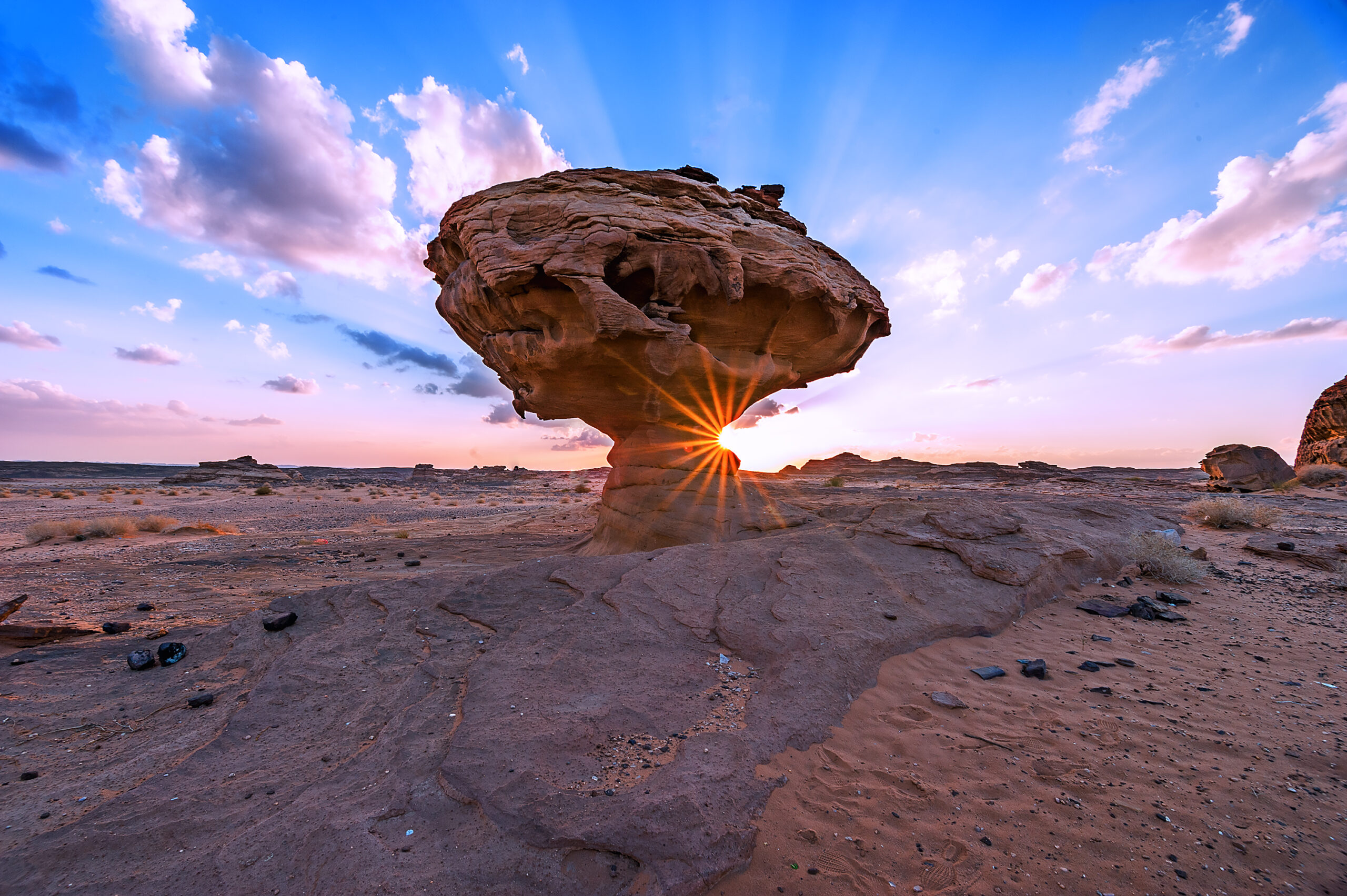
Ihr umfassender AlUla 2026 Reiseführer: Entdecken Sie Hegra, Elephant Rock, Winter at Tantora, Luxus-Camps und alle wichtigen Reisetipps für Ihr Abenteuer.
Das Wichtigste in Kürze
- Hegra ist ein zeitlich festgelegter, im Voraus gebuchter geführter Besuch, keine Stätte zum Hineinfahren: Standard-Touren starten bei SAR 95 pro Person (2-3 Stunden), ein privater Vintage-Land-Rover ab etwa SAR 1.000 pro Fahrzeug für bis zu sieben Personen. Private Fahrzeuge sind im archäologischen Areal verboten
- Reisen Sie von Oktober bis März, wenn die Tageshöchsttemperaturen bei 15-25°C liegen. Von Mai bis September übersteigt AlUla regelmäßig 40°C, und Freiluftstätten verkürzen ihre Öffnungszeiten
- Planen Sie 3-4 Tage ein. Die Hauptstätten liegen 10-25 km auseinander, und die meisten erfordern einen gebuchten Einlass-Zeitslot, sodass ein Tagesausflug nur eine davon richtig abdeckt
- Winter at Tantora läuft in seiner nächsten Ausgabe vom 17. Dezember 2026 bis 9. Januar 2027; die Zimmerpreise in und um die Old Town verdoppeln sich an Festivalwochenenden etwa. Prüfen Sie den offiziellen AlUla-Moments-Kalender für die weiteren Festivaltermine
- Flüge von Riyadh nach AlUla (ULH) dauern mit Saudia und flynas etwas über eine Stunde; die Straße dauert etwa zehn Stunden. Ein Mietwagen ist die zuverlässigste Art, sich nach der Ankunft zwischen den Stätten zu bewegen
- Alkohol wird nirgendwo in Saudi-Arabien ausgeschenkt, und ausländische Frauen benötigen seit 2019 keine Abaya oder kein Kopftuch mehr – bedeckte Schultern und Knie bleiben der öffentliche Standard
- Beste Reisezeit: Oktober bis März, tagsüber 15-25°C
- Benötigte Zeit: 3-4 Tage
- Flughafen: AlUla International (ULH), Direktflüge von Riyadh und Jeddah
- Hegra-Eintritt: ab SAR 95 pro Person, Zeitslot, im Voraus buchbar
- Währung: Saudi-Riyal, fest an den US-Dollar gekoppelt (3,75)
- Kleidung: Schultern und Knie in der Öffentlichkeit bedeckt; keine Abaya-Pflicht für ausländische Frauen
- Alkohol: wird nirgendwo in Saudi-Arabien ausgeschenkt
Was AlUla tatsächlich ist
AlUla ist ein 20 Kilometer langes Oasental im Nordwesten Saudi-Arabiens mit drei übereinanderliegenden Geschichtsschichten. Dadan war im ersten Jahrtausend v. Chr. die Hauptstadt der dadanitischen und lihyanitischen Königreiche. Hegra war die südliche Stadt der Nabatäer, im ersten Jahrhundert n. Chr. erbaut und 2008 als Saudi-Arabiens erste UNESCO-Weltkulturerbestätte eingetragen. Die AlUla Old Town ist eine Lehmziegelsiedlung, die bis in die 1980er-Jahre bewohnt war. Rund um all das liegt seit 2019 eine bewusst niedrig verdichtete touristische Entwicklung aus Resorts, Restaurants und einer verspiegelten Konzerthalle.
Diese Mischung ist der Grund, warum der Ort drei oder vier Tage statt eines Tagesausflugs lohnt: Die Stätten liegen 10 bis 25 Kilometer auseinander, die meisten erfordern einen gebuchten Einlass-Zeitslot, und das gute Licht gibt es nur an den beiden Tagesrändern. Zuerst zu klären, wo Sie übernachten, ist die sinnvolle Reihenfolge – siehe unseren Leitfaden zu den besten Hotels und Resorts in AlUla sowie den Drei-Tage-Reiseplan für AlUla, wenn Sie die Tage bereits vorstrukturiert haben möchten.
Wann Sie reisen sollten
Oktober bis März ist die geeignete Saison. Die Tageshöchsttemperaturen liegen zwischen 15°C und 25°C, was für die Erkundung der archäologischen Freiluftstätten nötig ist, und die Abende werden kühl genug für eine Jacke. In dieser Zeit findet auch der Festivalkalender statt, weshalb die Hotelpreise in und um die Old Town an Eventwochenenden stark steigen.
Mai bis September übersteigt regelmäßig 40°C. Die Preise sinken, aber die Freiluft-Sehenswürdigkeiten verkürzen ihre Öffnungszeiten, und alles um die Mittagszeit wird eher zur Ausdauerübung als zur Besichtigung. Wenn der Sommer Ihr einziges Zeitfenster ist, planen Sie 6-Uhr-Starts und Pool-Nachmittage ein. Wie sich AlUla im Vergleich zum Rest des Landes monatlich verhält, zeigt unser Leitfaden zur besten Reisezeit für Saudi-Arabien.
- Tag 1: Ankunft, Einchecken, Sonnenuntergang am Elephant Rock, Abendessen in der Old Town
- Tag 2: Hegra am Vormittag, Dadan und Jabal Ikmah am Nachmittag
- Tag 3: Sharaan-Naturreservat oder der Adventure Hub, Sternenbeobachtung nach Einbruch der Dunkelheit
- Tag 4: Old Town, Werkstätten der Madrasat Addeera, ein Spa-Termin, Abreise
Anreise und Fortbewegung
Flüge sind die praktische Lösung. Saudia und flynas fliegen Riyadh direkt nach AlUla International (ULH) in etwas über einer Stunde an, mit Verbindungen von Jeddah aus; die Straße von Riyadh dauert etwa zehn Stunden und ist nur als Teil einer größeren Rundreise sinnvoll. Buchen Sie Flüge im Zeitraum Oktober bis März frühzeitig – die Maschinen sind klein, und Festivalwochenenden sind Monate im Voraus ausgebucht.
Vor Ort ist ein Mietwagen die zuverlässigste Option; Vermietungen gibt es am Flughafen, und die Fahrt zwischen Old Town, Ashar Valley und den Aussichtspunkten verläuft auf unkomplizierter Asphaltstraße. Unser Leitfaden zum Mietwagen in Saudi-Arabien behandelt Führerschein-Regeln und Versicherung. Ohne Auto funktionieren Fahrdienste, aber die Abdeckung ist dünner als in Riyadh oder Jeddah, und Wartezeiten von einer halben Stunde oder mehr sind zu Stoßzeiten normal; die Resorts bieten eigene Chauffeur-Transfers, üblicherweise ab etwa SAR 350 für eine Flughafenfahrt.
Hegra: Wie das Ticket tatsächlich funktioniert
Hegra ist keine Stätte, in die man einfach hineinfährt. Private Fahrzeuge sind innerhalb des archäologischen Areals verboten, um den Sandstein zu schützen, daher ist jeder Besuch eine zeitlich festgelegte, geführte Tour, die im Voraus über Experience AlUla gebucht wird. Sie kommen am angegebenen Treffpunkt an und steigen auf offiziellen Transport um.
- Standard-Führung: ab SAR 95 pro Person, zwei bis drei Stunden inklusive Transfers, mit Shuttlebussen und Rawi-Guides an den wichtigsten Gräbern.
- Privater Vintage-Land-Rover: ab etwa SAR 1.000 pro Fahrzeug, Platz für bis zu sieben Personen, etwa zwei Stunden, mit selbst bestimmtem Tempo.
- Abendtouren finden saisonal statt und erkunden die Gräber nach Einbruch der Dunkelheit per Fahrrad oder Kutsche. Die Verfügbarkeit ändert sich je nach Kalender, prüfen Sie sie daher bei der Buchung statt am Tag selbst.
Die Stätte beherbergt mehr als 100 monumentale, in den Fels gehauene Gräber. Das meistfotografierte ist das Grab des Lihyan Sohn des Kuza, gewöhnlich Qasr al-Farid genannt – ein freistehender Block, dessen unfertiger unterer Teil zeigt, dass die Nabatäer von oben nach unten meißelten. Jabal Ithlib, eine natürliche Felsformation mit einer schmalen Schlucht und einer als Diwan bekannten Kammer, ist der andere Stopp, der den Fußweg wert ist.
Dadan, Jabal Ikmah und die Old Town
Dadan wird auf einer eigenen geführten Tour besucht. Die Attraktion sind die Löwengräber, Grabnischen, die hoch in eine rote Klippe geschlagen wurden, mit darüber geschnitzten Löwenfiguren.
Jabal Ikmah ist eine Schlucht, deren Wände tausende Inschriften in Dadanitisch, Thamudisch, Minäisch und Aramäisch tragen – ein lebendiges Zeugnis, wer hier vorbeikam und was er niederschrieb, weshalb sie oft als Freiluftbibliothek bezeichnet wird. Ein Guide lohnt sich hier; ohne ihn wirken die Inschriften nur wie Zeichen im Stein.
Die AlUla Old Town ist ein restauriertes Labyrinth aus Lehmziegelhäusern und kleinen Geschäften, nur für Fußgänger zugänglich und kostenlos zu begehen. Das Fort darüber verlangt ein separates Ticket für den Aufstieg und bietet den klarsten Blick darauf, wie die Oase angelegt ist. Die Madrasat Addeera, eine ehemalige Mädchenschule, die zu einem Handwerksinstitut umfunktioniert wurde, ist der einzige Einkaufsstopp, den man einplanen sollte: Keramik, Schmuck und Textilien, hergestellt vor Ort von Kunsthandwerkern, die dort ausgebildet wurden.
Wo Sie übernachten sollten
AlUlas Hotelangebot ist klein, teuer und bewusst weiträumig verteilt. Vier Entscheidungen decken die meisten Reisen ab.
| Unterkunft | Charakter | Geeignet für |
|---|---|---|
| Banyan Tree AlUla | Zeltvillen mit festen Wänden im Ashar Valley, großzügiger Abstand, service-intensiv, asiatisch inspiriertes Spa | Paare, die vor allem Privatsphäre und Ruhe möchten |
| Our Habitas AlUla | Umweltschonende Villen, eingebettet in die Schlucht, Einheiten näher beieinander, Wellness- und Social-Programm | Ein jüngeres, geselligeres Publikum |
| The Chedi Hegra | 35 Zimmer, Suiten und Villen, errichtet im alten Hegra-Bahnhof innerhalb der UNESCO-Stätte | Alle, denen Nähe zur Archäologie am wichtigsten ist |
| Residence-Unterkünfte | Bungalows und Apartments ab etwa SAR 600 pro Nacht, mit Küchen, Preisen für längere Aufenthalte | Familien und alle, die länger als drei Nächte bleiben |
Aman hat weitere Anlagen für das Tal angekündigt, darunter ein Janu-Resort, das für 2027 gemeldet wird – behandeln Sie alles noch nicht Eröffnete als Plan, nicht als Option, und bestätigen Sie es, bevor Sie eine Reise darum herum aufbauen. Kosten für die gesamte Reise, einschließlich dessen, was AlUla für das Budget bedeutet, finden Sie in unserem Leitfaden zu den Reisekosten in Saudi-Arabien. Vollständige Unterkunftsvergleiche gibt es im Leitfaden zu AlUla-Hotels und -Resorts.
Essen in AlUla
Maraya Social liegt auf dem Dach der Maraya-Konzerthalle, dem verspiegelten Gebäude im Ashar Valley, und serviert europäische Sharing-Plates mit vollem Blick auf das Tal bei Sonnenuntergang. Okto, oberhalb des Harrat-Aussichtspunkts, ist griechisch und aus demselben Grund ausgebucht – reservieren Sie, statt einfach vorbeizukommen.
Suhail in der Old Town ist der richtige Ort für saudische Küche mit Anspruch: Jareesh, Kabsa, Lamm-Sambousek. Somewhere, im Viertel AlJadidah, liegt in einer aktiven Farm unter Palmen und bietet moderne nahöstliche Küche in entspannterer Atmosphäre. Für Kaffee und Gebäck zwischen den Stationen öffnen die Cafés rund um AlJadidah und die Zitrushaine bei der Old Town bereits zum Frühstück.
Festivals und die AlUla-Moments-Saison
AlUla konzentriert seine Veranstaltungen in den kühlen Monaten unter dem Banner AlUla Moments. Winter at Tantora, das Flaggschiff, läuft in seiner nächsten Ausgabe vom 17. Dezember 2026 bis 9. Januar 2027, mit Konzerten bei Maraya, Programm in der Old Town und Zitrusernte-Events. Um es herum gibt es im Spätherbst ein archäologisch fokussiertes Festival, im neuen Jahr ein zeitgenössisches Kunstprogramm einschließlich Desert X AlUla, im Frühling eine Ballon- und Astronomiewoche sowie ein Wüsten-Polo-Wochenende.
Die genauen Termine der einzelnen Festivals ändern sich jährlich und werden im offiziellen AlUla-Moments-Kalender veröffentlicht – prüfen Sie diesen, bevor Sie Flüge um ein bestimmtes Event herum buchen, und rechnen Sie an Festivalwochenenden mit etwa doppelten Zimmerpreisen in Old Town und Ashar Valley.
Abenteuer, Wellness und dunkle Himmel
Der Adventure Hub im Tal betreibt eine riesige Schaukel, die Fahrer von einer Schluchtwand fallen lässt, eine schwebende Treppe zu einer Zipline sowie Klettersteig-Routen; die Preise liegen im niedrigen dreistelligen Riyal-Bereich pro Person, und Zeitslots werden wie alles andere über Experience AlUla gebucht. Markierte Wanderungen wie die Hidden-Valley-Route sind kurz, aber exponiert, und geführte Wanderungen mit lokalen Anbietern sind der sinnvolle Weg, sie außerhalb des Winters zu unternehmen.
Beide Vorzeige-Resorts betreiben Spas – Banyan Tree mit asiatischen Therapien, Habitas mit einer Behandlungsliste rund um lokales Moringa- und Dattelöl – und beide öffnen zeitweise Yogastunden für Nicht-Gäste.
Das Gebiet Gharameel, eine Stunde außerhalb der Stadt, ist der Ort für Sternenbeobachtung. Touren kosten etwa SAR 400 pro Person und beinhalten üblicherweise Transport, ein gegrilltes Abendessen und einen Guide, der die Sternbilder erklärt, die beduinische Navigatoren nutzten. Es gibt kein Licht in Sichtweite des Horizonts. Unser Leitfaden zur Sternenbeobachtung in der Wüste behandelt die Jahreszeiten und weitere dunkle Himmelsgebiete im Königreich.
Praktische Regeln vor der Abreise
Alkohol
Alkohol wird in AlUla in keinem Restaurant, Hotel oder Resort ausgeschenkt und ist in keinem Geschäft erhältlich. Wiederholte Berichte über Lizenzen für Luxusanlagen oder für NEOM haben bislang zu keiner Änderung geführt, die für Touristen in AlUla gilt. Planen Sie mit einer alkoholfreien Reise und verlassen Sie sich auf offizielle Ankündigungen statt auf Reiseartikel.
Kleidung
Ausländische Frauen müssen keine Abaya oder ein Kopftuch tragen; das gilt seit 2019. Bedeckte Schultern und Knie in öffentlichen Bereichen wie der Old Town und am Flughafen sind der erwartete Standard, innerhalb der Resortanlagen sind normale Bade- und Freizeitkleidung in Ordnung. Männer tragen, was sie möchten, wobei lange Hosen beim Abendessen üblich sind. Unser Leitfaden Was man in Saudi-Arabien trägt enthält die Details je nach Ort.
Reisehinweise und Gesundheit
Stand August 2026 stuft das US-Außenministerium ganz Saudi-Arabien in Stufe 3 „Reconsider Travel" ein, mit einer separaten Do-not-travel-Einstufung für die Grenzregion zum Jemen im äußersten Südwesten. AlUla liegt etwa 1.300 Kilometer von dieser Grenze entfernt und gehört zu keiner benannten Zone, prüfen Sie jedoch vor der Buchung den aktuellen Reisehinweis Ihrer eigenen Regierung und halten Sie Ihre Pläne flexibel; unser Sicherheitsleitfaden für Saudi-Arabien erklärt, wie das Reisehinweis-System funktioniert. Vor Ort sind die praktischen Risiken in AlUla umweltbedingt: Hitze, Sonne und Dehydrierung an Freiluftstätten mit wenig Schatten. Nehmen Sie mehr Wasser mit, als Sie zu benötigen glauben.
Weiterführende Lektüre
- AlUla-Reiseziel-Übersicht
- AlUla in drei Tagen
- Renting a Car in Saudi Arabia: The 2026 Complete Guide
Drei Stätten, drei gebuchte Zeitslots, ein Tal
AlUla funktioniert nur, wenn der Hegra-Slot, der Flug und die Übernachtungen in dieser Reihenfolge zusammenpassen. Skizzieren Sie Ihre Reisedaten im Trip Planner, um zu sehen, wie viele Tage das Tal wirklich braucht, und vergleichen Sie die Resorts im Tal mit Aufenthalten in der Old Town in unserem Hotel-Guide, bevor die Saison Oktober-März ausgebucht ist.
Häufig gestellte Fragen
- How much does it cost to visit Hegra, and how do tickets work?
- Standard guided tours start at SAR 95 per person and run two to three hours including transfers. A private vintage Land Rover for up to seven people starts at around SAR 1,000 per vehicle. Every visit is a timed slot booked in advance through Experience AlUla; private vehicles are not allowed inside the archaeological area, so you meet at the stated point and transfer to official transport.
- What is the best time to visit AlUla?
- October to March, when daytime temperatures sit between 15°C and 25°C and the festival season runs. Evenings get cold enough for a jacket. From May to September highs regularly exceed 40°C, outdoor sites shorten their opening hours, and sightseeing is limited to early morning and after dark.
- How do I get to AlUla from Riyadh?
- Saudia and flynas fly direct from Riyadh to AlUla International (ULH) in a little over an hour, with connections from Jeddah. Driving takes roughly ten hours and only makes sense as part of a longer road trip. Aircraft on the route are small and seats sell out well ahead on festival weekends.
- How many days do you need in AlUla?
- Three to four. Hegra, Dadan, Jabal Ikmah and the Old Town are 10 to 25 km apart, most require a booked entry slot at a fixed time, and the usable light is at either end of the day. A single day covers one site properly and leaves the rest as a drive-past.
- Is alcohol available in AlUla?
- No. Alcohol is not served in restaurants, hotels or resorts anywhere in Saudi Arabia, including AlUla, and it is not sold in shops. Reports of licences for luxury properties have not produced any change that applies to tourists here, so plan for a dry trip.
- What should women wear in AlUla?
- An abaya and headscarf have not been required for foreign women since 2019. Covering shoulders and knees is the expected standard in public places such as the Old Town, the souq and the airport. Inside resort grounds, normal swimwear and resort clothing are fine.