Saudi E-Visa Rejected? Common Reasons and Solutions
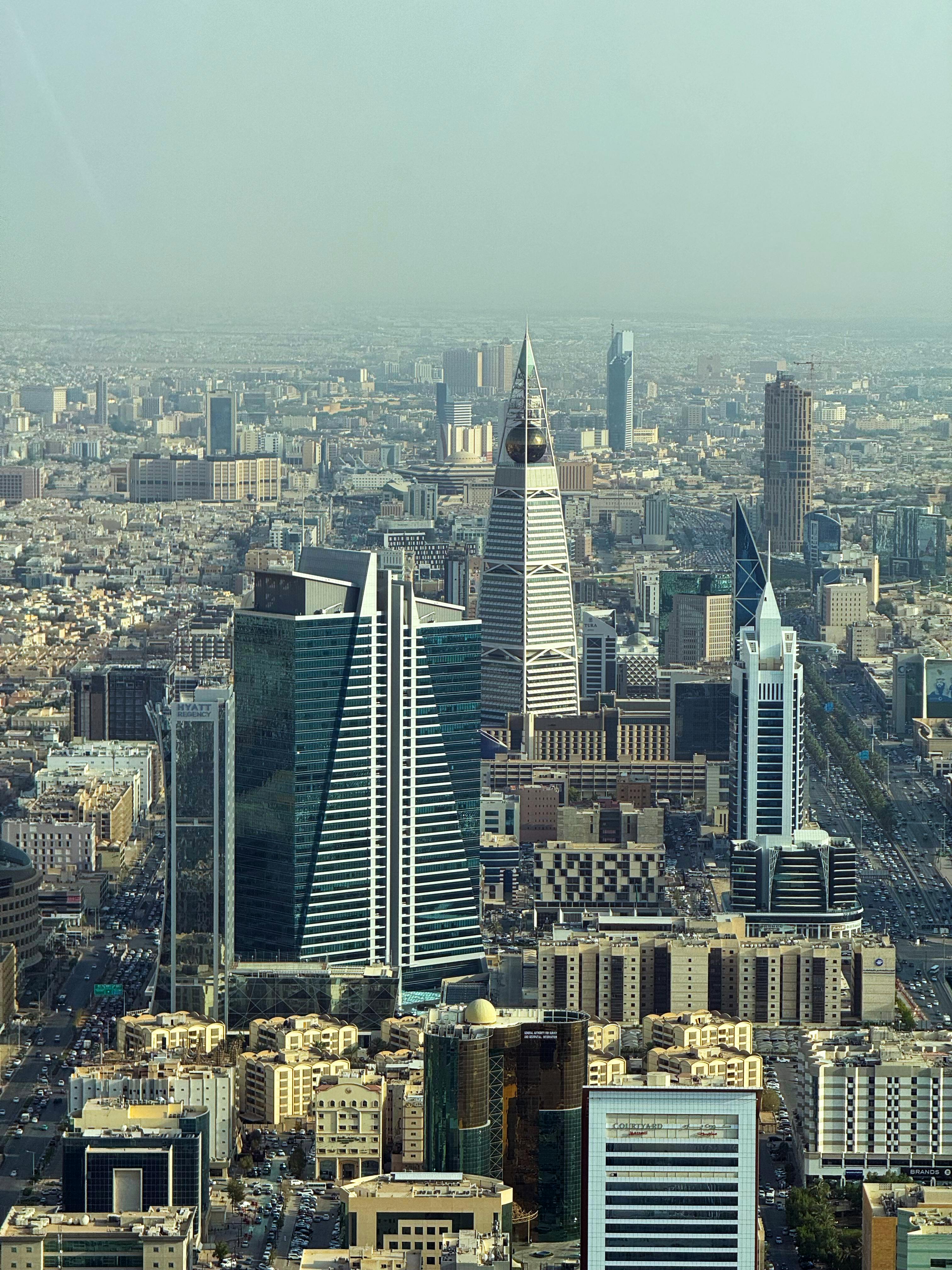
Why Saudi eVisa applications get rejected and how to fix it: passport validity, photo rules, exact name matching, payment failures — plus how reapplying works.
Key Takeaways
- The most common fixable cause is passport validity — you need at least six months beyond your entry date, with a sharp, glare-free scan of the bio-data page.
- Application details are checked against your passport exactly: every given name in order, correct passport number, correct date of birth. One typo is enough for a rejection.
- Citizens of 66 countries are eligible; the eVisa costs SAR 535 including insurance, is valid one year with multiple entries, and allows 90 days per visit. The fee is not refunded on rejection.
- There is no formal appeal — you reapply with a fresh application (and a fresh fee). There is generally no waiting period once the error is fixed.
- If two clean applications fail in a row, stop reapplying online: contact official support or switch to the embassy/consulate route, especially with a complicated travel history.
- The tourist eVisa covers tourism, family visits and Umrah outside Hajj season — not work, study or Hajj.
A rejected Saudi eVisa application usually comes down to something small: a passport scan the system could not read, a name typed differently than it appears in your passport, a photo that failed the automated check. The rejection email rarely tells you which. This guide walks through the causes that actually trip applicants up, how to fix each one, and how to reapply — because in most cases a corrected application goes through.
One thing to know upfront: there is no formal appeal process for the eVisa. Each new application is reviewed on its own, so the practical path after a rejection is to find the likely error, fix it, and submit fresh.
Quick Facts: the Saudi Tourist eVisa in 2026
- Eligibility: Citizens of 66 countries can apply online. The list is maintained on the official Visit Saudi portal — check it there, not on third-party sites.
- What you get: A one-year, multiple-entry visa allowing stays of up to 90 days per visit.
- Cost: SAR 535 (about USD 143) including the mandatory medical insurance. The fee is not refunded if the application is rejected.
- Alternative: The same eligible nationalities can get a visa on arrival for around SAR 480 — useful as a fallback, at the cost of queueing after landing.
- Processing: Often approved within minutes to hours; allow up to a few business days before assuming something went wrong.
- Since when: The tourist eVisa launched in September 2019 and its scope has expanded since.
How Applications Are Reviewed
The eVisa runs on automated checks first — document legibility, photo compliance, data consistency — followed by standard immigration screening. That order explains the pattern in rejections: most fail on mechanical, fixable grounds long before any judgment call is involved. Saudi authorities do not publish individual rejection reasons, so working through the checklist below is the realistic way to diagnose your case.
Reason 1: Passport Problems
The leading cause, and the easiest to rule out.
- Validity under six months. Your passport must be valid for at least six months beyond your intended entry date. If it expires sooner, renew it before reapplying — there is no way around this one.
- Unreadable scan. The bio-data page upload must be sharp, complete and glare-free. Cropped corners, shadows across the machine-readable zone, or phone photos taken at an angle are enough to fail the check. Rescan flat, in even light, at high resolution.
- Ineligible nationality. If your country is not on the eVisa list, the online route is closed regardless of how clean the application is — you need an embassy or consulate visa instead.
Reason 2: The Photo
The portal states its own photo requirements — follow those rather than generic visa-photo advice. The recurring failures are simple: a background that is not plain, shadows on the face, glasses catching glare, an old photo that no longer matches your appearance, or a file that does not meet the stated format and size limits. A photo studio that does visa work gets this right in one pass; if you photograph yourself, use flat daylight against a plain pale wall and a neutral expression. Head coverings worn for religious reasons are permitted as long as the face is fully visible.
Reason 3: Details That Do Not Match Your Passport
The application data is checked against your passport exactly. The classic failures:
- Name variations. Enter your name precisely as printed in the machine-readable zone — every given name, in order, no abbreviations. If your passport says three names, the form gets three names.
- Typos in passport number or date of birth. One transposed digit is a rejection. Type these fields slowly and have someone else cross-check them against the physical passport before you submit.
- Wrong visa purpose. The tourist eVisa covers tourism, visiting family and friends, and Umrah outside the Hajj season. It does not cover work, study, or Hajj — applying with the wrong purpose, or using a tourist visa when you need a different category, ends in rejection.
Reason 4: Payment and Technical Failures
Some rejections are not decisions at all — the application simply never completed. If your payment failed, check that your bank allows international online transactions and that the card details were exact; banks quietly block foreign government payments surprisingly often, and a short call usually clears it. If the portal itself misbehaved — a form that would not submit, a session that reset — clear the cache, switch browsers or devices, and try again later rather than hammering the same session. If you were charged but received no visa and no rejection, contact the official support channels listed on the Visit Saudi site before paying again.
Reason 5: Screening and Travel History
A smaller share of rejections come from the human end of the process: immigration screening. Serious criminal convictions, a previous overstay in Saudi Arabia or the wider Gulf, or any misrepresentation in the application can all sink it. Two honest notes here. First, do not guess at hidden criteria — the authorities do not publish screening rules, and online forums are full of confident, unverifiable claims. Second, never bend facts to pre-empt a problem: misrepresentation is the one failure mode that can follow you into future applications. If you have a complicated history, the embassy route — where a human can consider context — is usually the better channel than repeated online attempts.
After a Rejection: the Sensible Sequence
- Reread the notification. It is usually generic, but occasionally it names the failing document.
- Audit your application against reasons 1–3 above — passport validity, scan quality, photo, and exact data match. This covers the large majority of real-world rejections.
- Fix what you find — new scan, new photo, corrected fields, renewed passport.
- Reapply fresh. There is generally no mandatory waiting period; the new application stands on its own, and the fee is payable again.
- Escalate if it fails twice. Two clean-looking applications rejected in a row is the signal to stop and switch: contact official support, or apply through a Saudi embassy or consulate.
Before You Apply: Have These Ready
Most data-entry errors happen because people fill in the form while hunting for documents. Gather everything first: your physical passport (not a photo of a photocopy), a compliant digital photo, the name and address of your first accommodation, your contact details as you want them on record, and a card cleared for international online payments. With everything on the desk, the form takes ten focused minutes — and the exact-match fields get typed from the passport in front of you, not from memory.
eVisa, Visa on Arrival, or Embassy?
Three doors into the country, and after a rejection it helps to see them side by side. The eVisa is the default: cheapest overall effort, one year multiple entry, settled before you book flights. The visa on arrival serves the same 66 nationalities at around SAR 480 — a legitimate fallback if the portal keeps failing you on technical grounds and your documents are in order, though standing in line after a long flight with an unresolved question is not where you want to discover a passport problem. The embassy or consulate route is slower and more paperwork-heavy, but it is the right channel for ineligible nationalities, complicated travel histories, and anyone whose online applications keep failing without an obvious mechanical cause — because a human being can actually look at your case.
Worth Knowing Before You Travel
A visa gets you to the border; a little context makes the trip work. The pleasant months are October to April — summer regularly passes 40°C. Makkah is closed to non-Muslims regardless of visa type, a rule stated clearly and enforced. The application asks for accommodation details, so have your first hotel picked before you sit down to apply. And day-to-day practicalities are covered in our guides to paying by cash or card, renting a car, and cultural etiquette — the abaya, for instance, has not been required for foreign women since 2019, though modest dress remains the rule. For first-trip inspiration once the visa clears, start with AlUla, Riyadh and Jeddah.
Sources and Verification
This guide was last checked on 22 August 2026 against the official sources below. Rejection reasons are not published as a formal list by the Saudi authorities; what follows is drawn from the portal own application requirements and from documented applicant experience. The portal is the only binding source — if it and this page disagree, the portal is right.
- Saudi eVisa — official tourist visa portal (Ministry of Tourism). The application steps, eligible nationalities and the scope of the tourist visa (one year, multiple entry, up to 90 days per visit; Umrah included, Hajj and study excluded) come from here. Applicants whose nationality is not listed are directed to the nearest Saudi embassy.
- Visit Saudi — Saudi Tourism Authority, for entry information.
Reviewed by the Explore Saudi Editorial Team, 22 August 2026.
Visa sorted — or about to be?
The application asks where you will stay and roughly what your plans are, so settle both before you submit: sketch your route in the Trip Planner and pick your first nights from the hotel guide — then reapply with every field matching your passport.
Frequently Asked Questions
- Why was my Saudi eVisa application rejected?
- Saudi authorities rarely state the specific reason, but most rejections trace back to mechanical issues: a passport with under six months' validity, an unreadable bio-data scan, a non-compliant photo, or application details that do not exactly match the passport. Payment failures and, less often, immigration screening account for the rest. Audit those points in that order before reapplying.
- Can I appeal a rejected Saudi eVisa?
- No — there is no formal appeal or reconsideration process. Each application is assessed independently, so the practical route is to correct the likely error and submit a fresh application, paying the fee again. If two careful applications fail, contact the official support channels or apply through a Saudi embassy or consulate instead.
- How soon can I reapply after a rejection?
- There is generally no mandatory waiting period. Once you have fixed the underlying problem — renewed the passport, redone the photo, corrected the data — you can submit a new application straight away. Decisions often arrive within minutes to hours, though it is sensible to allow a few business days.
- Does a rejection ban me from Saudi Arabia?
- A routine rejection does not ban you from future applications or from entering on a later, successful visa. The exception is misrepresentation: providing false information or concealing relevant facts can carry consequences for future applications, which is why honesty beats tactical answers on every field.
- What if my country is not eligible for the eVisa?
- The online route only serves the 66 eligible nationalities. Everyone else applies through a Saudi embassy or consulate. Eligible travellers also have a fallback: a visa on arrival at around SAR 480, which suits confident travellers but means queueing at the airport rather than landing with the visa settled.