Eastern Province Guide: Beaches, History & Heritage
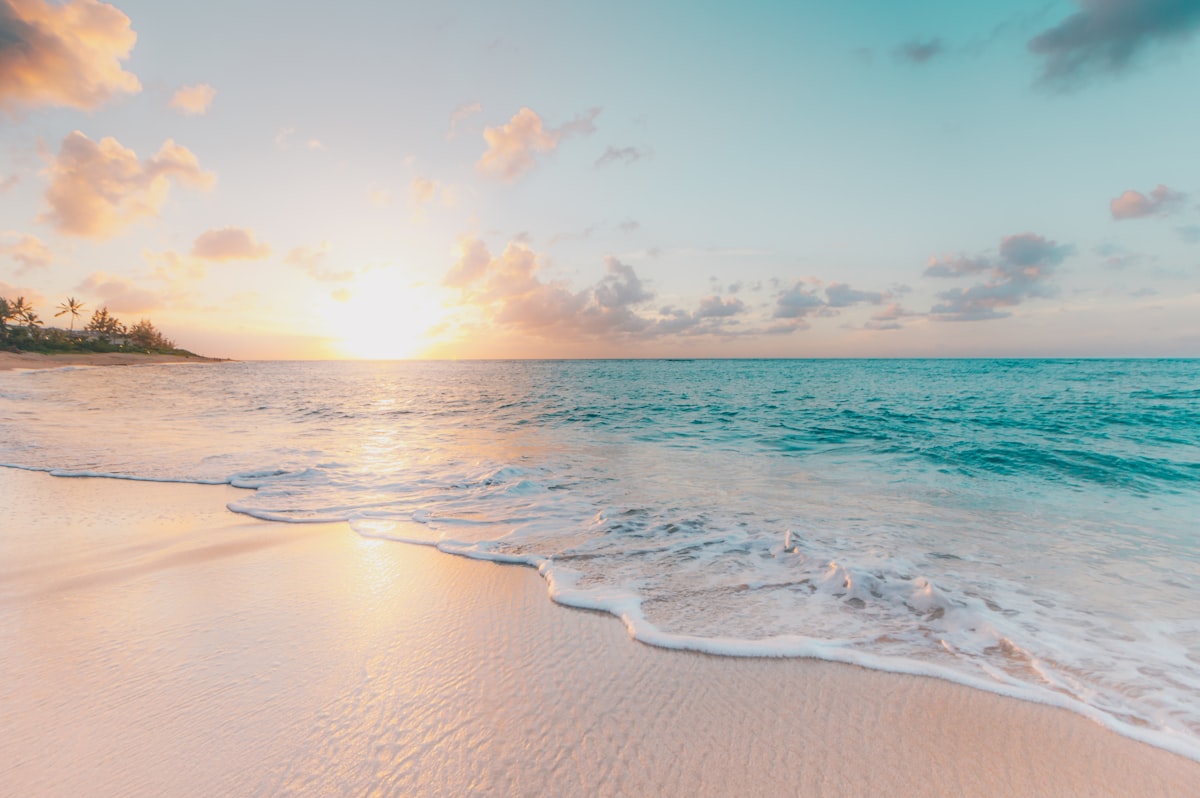
Complete travel guide to Saudi Arabia's Eastern Province. Discover Dammam, Al Khobar, Al-Ahsa oasis, beaches, and oil heritage.
Key Takeaways
- Al-Ahsa Oasis, a UNESCO World Heritage Site, covers over 85 km² and is best visited October–March when temperatures drop to 18–25°C; entry to the oasis gardens is free but guided tours cost SAR 80–150 per person.
- The Half Moon Bay beach (30 km south of Al-Khobar) is the Eastern Province's most accessible swimming spot — arrive before 9 AM on weekends to secure a shaded spot; no entry fee but parking is SAR 10.
- Tarout Island, connected by causeway 7 km from Qatif, holds a 5,000-year-old castle and Dilmun-era ruins — combine both sites in a half-day; the castle grounds are free to enter.
- King Fahd Causeway to Bahrain (25 km) costs SAR 20 per vehicle each way and typically takes 30–90 minutes depending on border queues — Friday evenings and public holidays see the longest waits.
- Dammam–Riyadh by Saudi Railways (SAR Express) costs SAR 85–150 for economy and takes 4.5 hours; book at least 3 days ahead during Eid periods as trains sell out.
Eastern Province Travel Guide: Beaches, History & Oil Heritage
Welcome to Saudi Arabia's Eastern Province, a region of captivating contrasts where the azure waters of the Arabian Gulf meet ancient desert landscapes, and the echoes of millennia-old civilizations intertwine with the pulsating heart of the modern oil industry. As you plan your journey to Saudi Arabia in 2026, prepare to be enchanted by a destination that offers pristine beaches, UNESCO-listed heritage sites, vibrant urban centers, and a deep dive into the nation's transformative history.
Often overlooked in favor of Riyadh's modernity or Jeddah's coastal charm, the Eastern Province holds a unique allure. It’s a land where Bedouin traditions meet cosmopolitan flair, where the world’s largest oil company was born, and where some of the most welcoming communities in the Kingdom reside. From the bustling corniche of Al Khobar to the serene tranquility of the Al-Ahsa Oasis, this guide will equip you with all you need to explore this dynamic and historically rich corner of Saudi Arabia.
Quick Facts for Your 2026 Eastern Province Adventure
- Capital City: Dammam
- Major Cities: Dammam, Al Khobar, Jubail, Hofuf (Al-Ahsa)
- Currency: Saudi Riyal (SAR). As of early 2026, 1 USD ≈ 3.75 SAR (approximate and subject to change).
- Best Time to Visit: October to April, when temperatures are pleasant (20-30°C / 68-86°F). Summers (May-September) are extremely hot (40-50°C / 104-122°F).
- Visa Requirements: E-Visa or Visa on Arrival for many nationalities is expected to be widely available and streamlined by 2026. Always check the latest regulations with the Saudi Ministry of Foreign Affairs before travel.
- Language: Arabic (official). English is widely spoken in business, tourism, and major cities.
- Dress Code: Modest dress is recommended. Women are not required to wear an abaya in public, but respectful attire covering shoulders and knees is advised.
Dammam and Al Khobar: The Urban Heartbeat
The twin cities of Dammam and Al Khobar form the vibrant core of the Eastern Province. Dammam, the provincial capital, is a bustling port city, while Al Khobar, just a short drive south, is known for its upscale shopping, dining, and scenic corniche. Together, they offer a modern Saudi experience with a distinct coastal flavor, making them an ideal base for exploring the wider region.
In Dammam, explore the Dammam Corniche for evening strolls, family picnics, and sea views. The King Fahd Park offers expansive green spaces, while the Dammam Regional Museum (expected to be fully operational with expanded exhibits by 2026) provides insights into the region's history and heritage. For a taste of local life, wander through the historic Souq Al Hob, a traditional market where you can haggle for spices, gold, and local crafts. Dining options range from traditional Saudi cuisine to international eateries, with a strong focus on fresh seafood.
Al Khobar, often considered the more cosmopolitan of the two, boasts the iconic Corniche with its impressive King Fahd Causeway views, linking Saudi Arabia to Bahrain. The Khobar Waterfront is a hub of activity, featuring cafes, restaurants, and recreational areas. For retail therapy, the city offers numerous modern malls like Al Rashid Mall and Dhahran Mall, showcasing a blend of international brands and local boutiques. Don't miss the Prince Mohammad Bin Fahd Amusement Park for family fun, or take a boat trip from the marina to enjoy the Gulf waters.
Practical Tips for Dammam & Al Khobar
- Accommodation: Expect a wide range, from budget-friendly hotels (SAR 200-400 / $50-100 per night) to luxury international chains (SAR 600-1500+ / $160-400+ per night). Book in advance, especially during peak season (October-April).
- Transportation: Ride-hailing apps like Uber and Careem are prevalent and affordable. Taxis are also available. For exploring beyond the city, consider renting a car (approx. SAR 100-250 / $25-65 per day).
- Dining: A meal at a mid-range restaurant typically costs SAR 50-100 ($13-27) per person. Try local specialties like Machboos (spiced rice with meat) or fresh grilled fish.
Al-Ahsa Oasis: A UNESCO World Heritage Gem
Journey inland from the coast, and you'll discover the enchanting Al-Ahsa Oasis, a UNESCO World Heritage site and one of the world's largest natural oases. This verdant paradise, fed by natural springs, has been continuously inhabited for millennia, boasting a rich history, vibrant culture, and an agricultural legacy centered around its famous dates.
The city of Hofuf, the heart of Al-Ahsa, is your gateway to this ancient landscape. Explore the historical Qasr Ibrahim (Ibrahim Palace), a formidable Ottoman fort that once served as a military barracks and mosque. Wander through the atmospheric alleys of the Souq Al Qaisariyah, one of the oldest and most beautiful traditional markets in Saudi Arabia, where you can find everything from spices and textiles to local handicrafts and, of course, a dazzling array of dates.
Beyond Hofuf, immerse yourself in the oasis's natural beauty. Visit the Al-Ahsa National Park, a sprawling green space perfect for picnics and relaxation. Discover the mysterious Jabal Al Qarah (Al Qarah Mountain), featuring fascinating limestone caves and unique rock formations that offer a cool respite from the desert heat. Don't miss a visit to a local date farm to learn about the cultivation process and sample some of the region's renowned varieties, such as the succulent Khalas date.
Exploring Al-Ahsa's Rich Tapestry
- Historical Significance: Al-Ahsa has been a crossroads of civilizations for thousands of years, evidenced by archaeological sites and ancient irrigation systems.
- Gastronomy: Indulge in Al-Ahsa's culinary delights, especially dishes featuring dates. Try traditional sweets and visit a local bakery for fresh bread.
- Cultural Immersion: Engage with local artisans, witness traditional crafts, and perhaps even experience a local coffee ceremony.
The Birthplace of Oil: Dhahran and Abqaiq
The Eastern Province is inextricably linked to the story of oil, a narrative that dramatically reshaped Saudi Arabia and the global economy. Dhahran, in particular, stands as a testament to this legacy, being the headquarters of Saudi Aramco, the world's largest oil company.
A visit to the King Abdulaziz Center for World Culture (Ithra) in Dhahran is an absolute must. This architectural marvel is more than just a museum; it's a dynamic cultural hub offering a library, theatre, cinema, exhibitions, and interactive displays that delve into Saudi Arabia's heritage, arts, and sciences, including a significant focus on the Kingdom's oil journey. Ithra is a world-class institution that exemplifies Saudi Arabia's vision for the future, blending innovation with tradition.
While access to Saudi Aramco's operational facilities like Abqaiq (the world's largest oil processing plant) is restricted, the history and impact of the oil industry are palpable throughout the region. The narrative of early exploration, the challenges overcome, and the transformation of a nation are eloquently told through museums and cultural centers. By 2026, expect enhanced public-facing exhibits and tours that offer deeper insights into this pivotal aspect of Saudi Arabian history.
Oil Heritage Highlights
- Ithra: Allow at least half a day to explore Ithra's diverse offerings. Check their website for current exhibitions and events.
- Historical Context: Understand how the discovery of oil in the 1930s at the Dammam No. 7 well transformed a desert kingdom into a global economic powerhouse.
- Economic Impact: Appreciate the scale and sophistication of the modern oil industry through engaging displays and educational programs.
Coastal Escapes: Beaches and Islands
The Eastern Province boasts a stunning coastline along the Arabian Gulf, offering serene beaches, opportunities for water sports, and pristine islands. While not as internationally renowned as some other coastal destinations, the local beaches provide a tranquil escape and a chance to experience the Gulf's warm waters.
Near Dammam and Al Khobar, the Half Moon Bay (Half Moon Beach) is a popular destination for families. Its crescent shape provides calm, shallow waters ideal for swimming and picnics. You'll find resorts, private chalets, and public access points along this stretch of coastline. By 2026, expect further development of amenities and recreational facilities, making it even more appealing for visitors.
For a more secluded experience, consider exploring some of the smaller islands off the coast, such as Tarut Island. While primarily historical, with its ancient fort and traditional villages, Tarut also offers glimpses of unspoiled coastal beauty. Boat trips can often be arranged from local marinas, providing a different perspective of the Gulf and its rich marine life. Snorkeling and diving opportunities, though nascent, are slowly gaining traction, especially in the clearer waters further offshore.
Enjoying the Eastern Province Coastline
- Water Sports: Jet skiing, paddleboarding, and boat rentals are increasingly available at popular beaches like Half Moon Bay.
- Sun Protection: The Gulf sun is intense. Always use high-SPF sunscreen, wear a hat, and stay hydrated.
- Respectful Attire: While beachwear is acceptable on private beaches and resorts, modest swimwear is generally preferred in public areas.
Planning Your Eastern Province Journey for 2026
Traveling to the Eastern Province in 2026 promises a blend of cultural immersion, historical discovery, and modern exploration. To make your trip seamless and enjoyable, consider the following practical advice.
Getting There and Around
The primary international gateway is King Fahd International Airport (DMM) in Dammam, serving numerous international and domestic routes. From the airport, taxis and ride-hailing services are readily available. For inter-city travel within the Eastern Province, renting a car offers the most flexibility, especially for exploring Al-Ahsa or less-accessible coastal areas. The roads are well-maintained and signage is generally in both Arabic and English. Domestic flights connect Dammam to other major Saudi cities like Riyadh and Jeddah, often taking around an hour.
Accommodation and Dining
Expect a wide range of accommodation options, from budget-friendly hotels to luxurious international chains. Prices can vary significantly based on location, season, and star rating. Booking in advance, especially during major holidays or events, is always recommended. The dining scene is diverse, offering traditional Saudi cuisine, fresh seafood, and a plethora of international restaurants. Look for local eateries for authentic flavors at reasonable prices, or indulge in fine dining experiences in Al Khobar's upscale areas.
Cultural Etiquette and Practicalities
Saudi Arabia is a conservative country, and while reforms are ongoing, respectful behavior is appreciated. Dress modestly, especially when visiting religious sites or traditional areas. Public displays of affection are not customary. The weekend in Saudi Arabia is Friday and Saturday, so be aware that some businesses might have different operating hours on these days. Tipping is not mandatory but appreciated for good service (10-15% in restaurants is common). Remember to carry some cash for smaller purchases, though credit cards are widely accepted.
Health and Safety
Saudi Arabia is a safe country for travelers. Standard precautions apply: safeguard your belongings, and be aware of your surroundings. Stay hydrated, especially during warmer months, and protect yourself from the sun. Ensure you have comprehensive travel insurance. Medical facilities in major cities like Dammam and Al Khobar are modern and of high quality.
Two places worth their own day
Two of the region's better half-days now have their own guides, and both start with what you can actually get into. Tarut Island carries more than five thousand years of settlement and a castle that is not open to visitors — the walk through Al-Deyrah and the museum at Darin are the reason to go. Half Moon Bay is not one open beach: over three kilometres of it belong to Saudi Aramco and two further stretches to universities, so which gate you drive to decides the day.
Why the east repays a second look
The Eastern Province of Saudi Arabia is a destination that truly offers something for every type of traveler. Whether you're drawn to the ancient allure of the Al-Ahsa Oasis, the modern vibrancy of Dammam and Al Khobar, the profound history of the oil industry, or the serene beauty of the Arabian Gulf beaches, this region promises an enriching and unforgettable journey in 2026.
As Saudi Arabia continues its ambitious transformation, the Eastern Province stands ready to welcome the world, showcasing its unique blend of heritage, innovation, and warm hospitality. Prepare to be surprised, delighted, and inspired by a corner of the Kingdom that is as diverse as it is captivating. Your Eastern adventure awaits!
Plan Your Saudi Adventure
Ready to experience the Kingdom? Our AI-powered Trip Planner creates personalized itineraries based on your interests, budget, and travel dates. From Riyadh's skyline to AlUla's ancient tombs — let us help you discover Saudi Arabia your way.
Frequently Asked Questions
- What are the best beaches to visit in the Eastern Province?
- The Eastern Province features pristine beaches including Half Moon Bay near Dammam with calm turquoise waters and family-friendly facilities, and Khobar Beach with its scenic corniche. Fanateer Beach near Jubail offers excellent swimming and water sports opportunities.
- Is the Eastern Province suitable for families with children?
- Yes, the Eastern Province is highly family-friendly with numerous attractions including beaches, mangrove parks, and theme parks. Jubail Mangrove Park offers nature walks suitable for children, and many resorts provide family-oriented amenities and entertainment.
- What historical sites can I explore in the Eastern Province?
- Key historical sites include Tarout Island ancient ruins and museums documenting the region trading heritage, and well-preserved forts near Khobar. The Al-Katheera Palace and various traditional souks showcase Islamic architecture and local culture.
- When is the best time to visit the Eastern Province?
- October to April offers the most pleasant weather with temperatures between 15-25 degrees Celsius, ideal for beach visits and outdoor exploration. Summer months see extreme heat exceeding 40 degrees, making outdoor activities challenging.