EXPLORE SAUDI
Skip to main content
World Heritage

Guardians of History: The 8 Wonders of Saudi Arabia

Journey through 10,000 years of human ingenuity—from carved desert tombs to living oasis landscapes and the vast dunes of the Empty Quarter.

Introduction

Saudi Arabia is not merely a country; it is a living archive of human civilization. Ancient incense routes, desert kingdoms, sacred journeys, and architectural mastery converge across this land.

Today, the Kingdom is home to eight UNESCO World Heritage Sites, each recognized for its Outstanding Universal Value. Together, they tell a continuous story of resilience, trade, belief, and adaptation — written in stone, sand, water, and memory.

This page is your curated guide to the guardians of time.

8
UNESCO Sites
Overview

UNESCO Sites at a Glance

Scan quickly, then dive deep into the stories behind each site.

The Journey

Explore Each Site

Stories, visitor insights, and practical guidance for Saudi Arabia's World Heritage Sites.

Hegra (Mada'in Salih)
Inscribed 2008
1Cultural

Hegra (Mada'in Salih)

AlUla, Medina Province2008

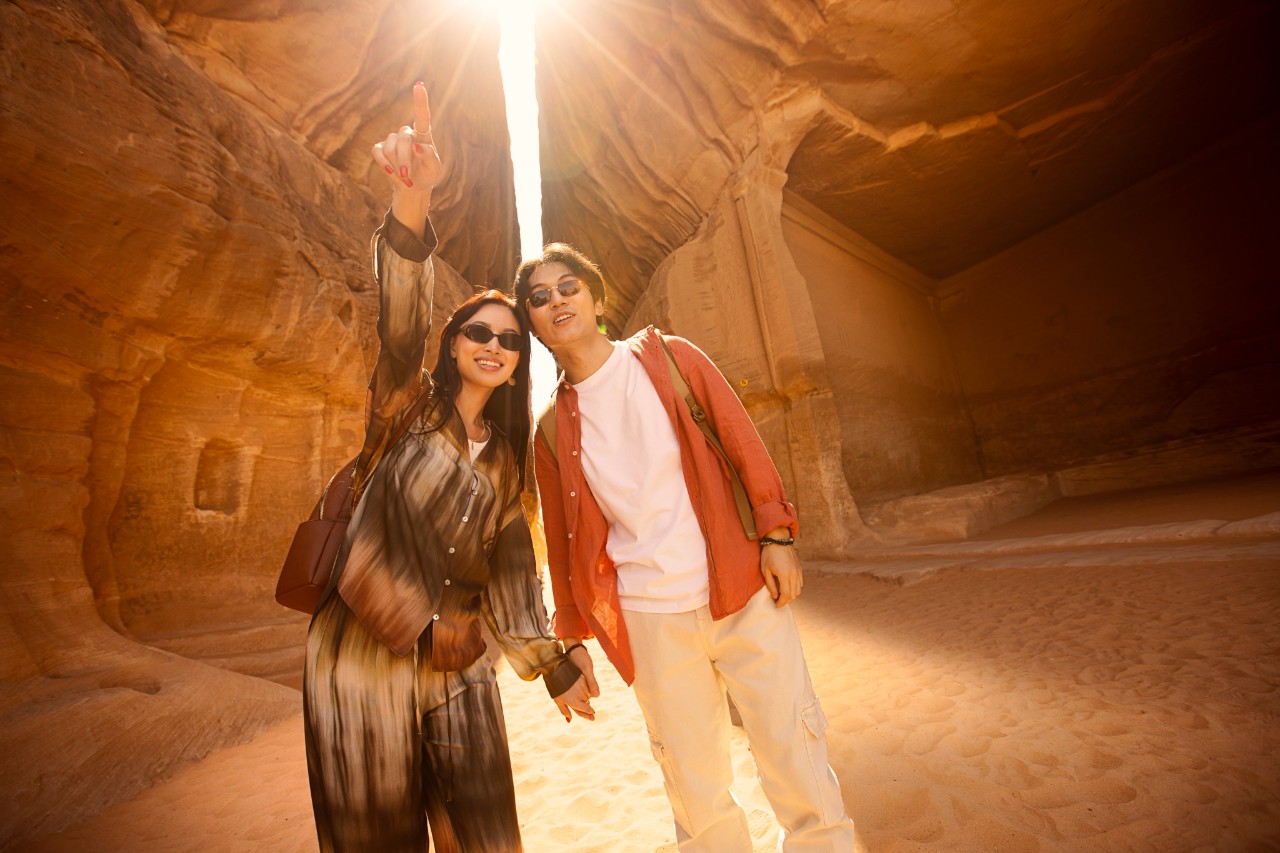
Hegra stands as Saudi Arabia's first UNESCO World Heritage Site — and the most significant Nabataean site south of Petra. Over 130 rock-cut tombs rise from the desert floor, their facades carved with extraordinary precision into sandstone outcrops more than 2,000 years ago.

Unlike Petra, Hegra remains remarkably preserved — no major earthquake damage on record, and centuries of sand cover shielded the facades. The tombs were created for Nabataean elites who controlled the incense trade routes connecting Arabia to the Mediterranean world.

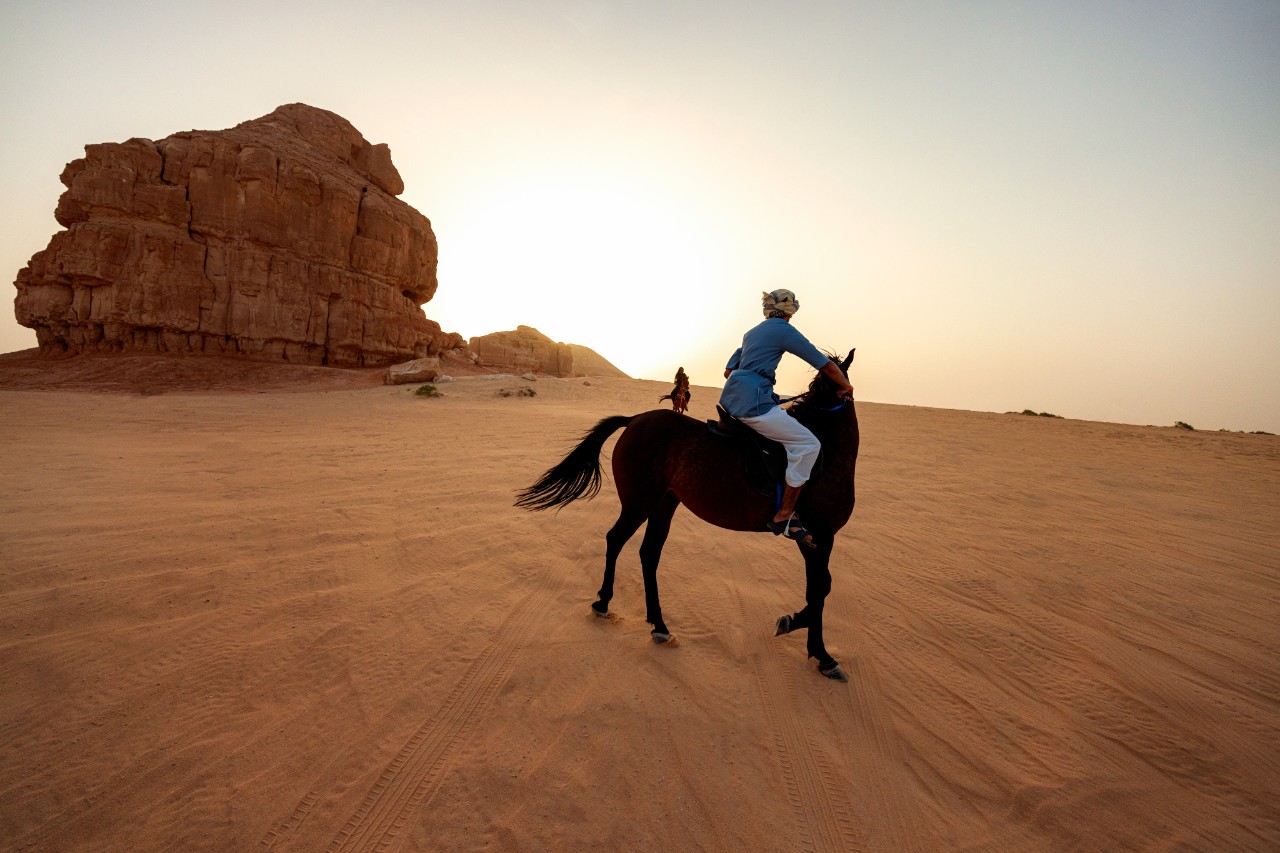
Walking among these silent monuments at sunset, when the stone glows amber and pink, is to step directly into antiquity. The inscriptions still legible on many facades speak of merchants, officials, and the social hierarchies of a vanished civilization.

Visitor Note

Hegra requires a timed entry ticket through the AlUla Experience platform. Book at least 2 weeks in advance during peak season (October–March). The site opens for sunrise and sunset visits — sunset is particularly magical.
At-Turaif District
Inscribed 2010
2Cultural

At-Turaif District

Diriyah, Riyadh Region2010

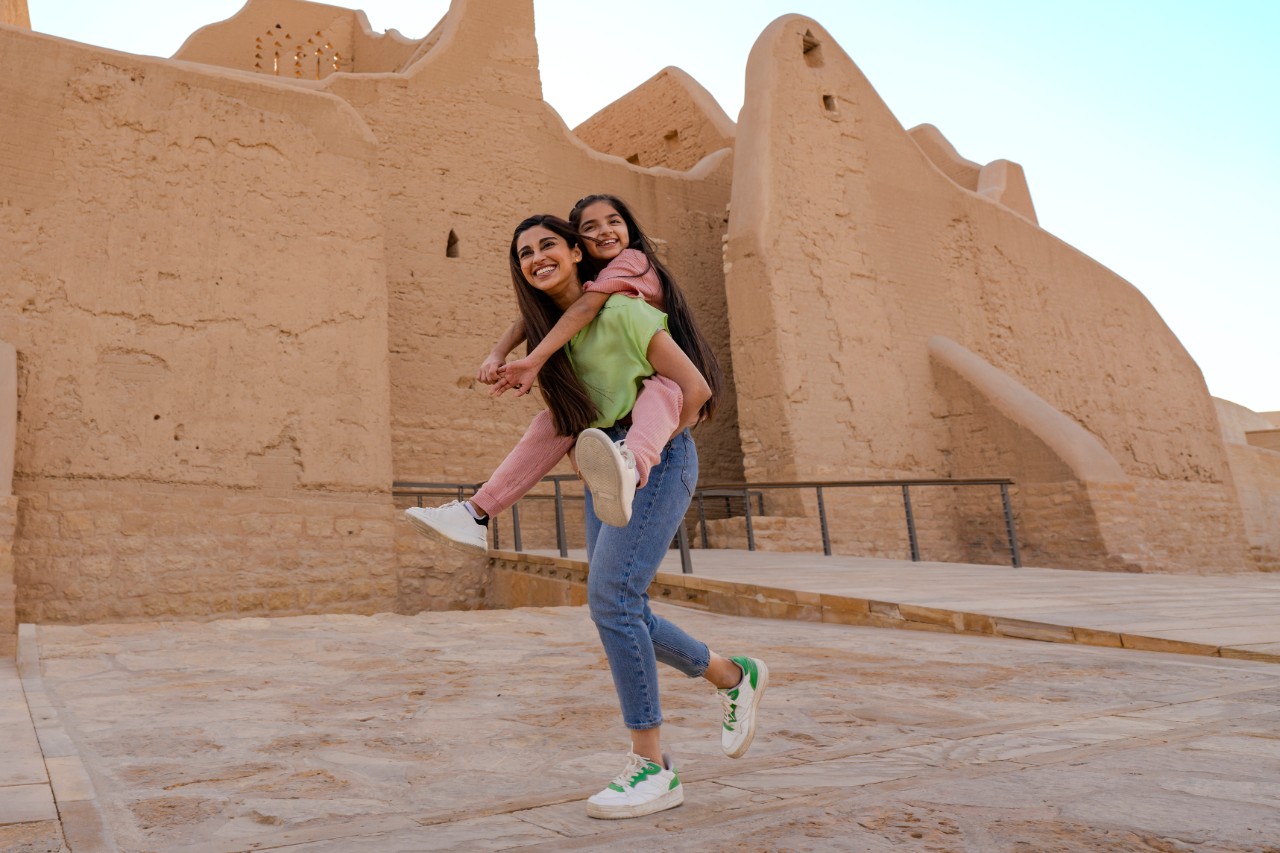
At-Turaif is where Saudi Arabia began. This mud-brick district on the edge of Wadi Hanifa was the seat of the first Saudi dynasty and the birthplace of the Al Saud ruling family. For over three centuries, it shaped the political and religious direction of the Arabian Peninsula.

The architecture here exemplifies the Najdi style — thick adobe walls, geometric patterns, and courtyards designed to channel airflow through desert heat. The Salwa Palace complex, once home to Saudi rulers, has been meticulously restored to reveal its former grandeur.

Today, At-Turaif is the centerpiece of the Diriyah Gate development, transforming this historic site into a cultural destination that honors the past while embracing the future. A walk through its narrow lanes is a journey through the foundations of a nation.

Visitor Note

Entry to At-Turaif is currently through guided tours. The adjacent Bujairi Terrace offers dining with views of the site — reserve a sunset table for the full experience.

Historic Jeddah (Al-Balad)
Inscribed 2014
3Cultural

Historic Jeddah (Al-Balad)

Jeddah, Makkah Province2014

For centuries, Jeddah served as the gateway for pilgrims traveling to Makkah. Its historic core — Al-Balad — evolved into a cosmopolitan trading hub where Red Sea commerce met the caravans of Arabia. The architecture that remains tells the story of that exchange.

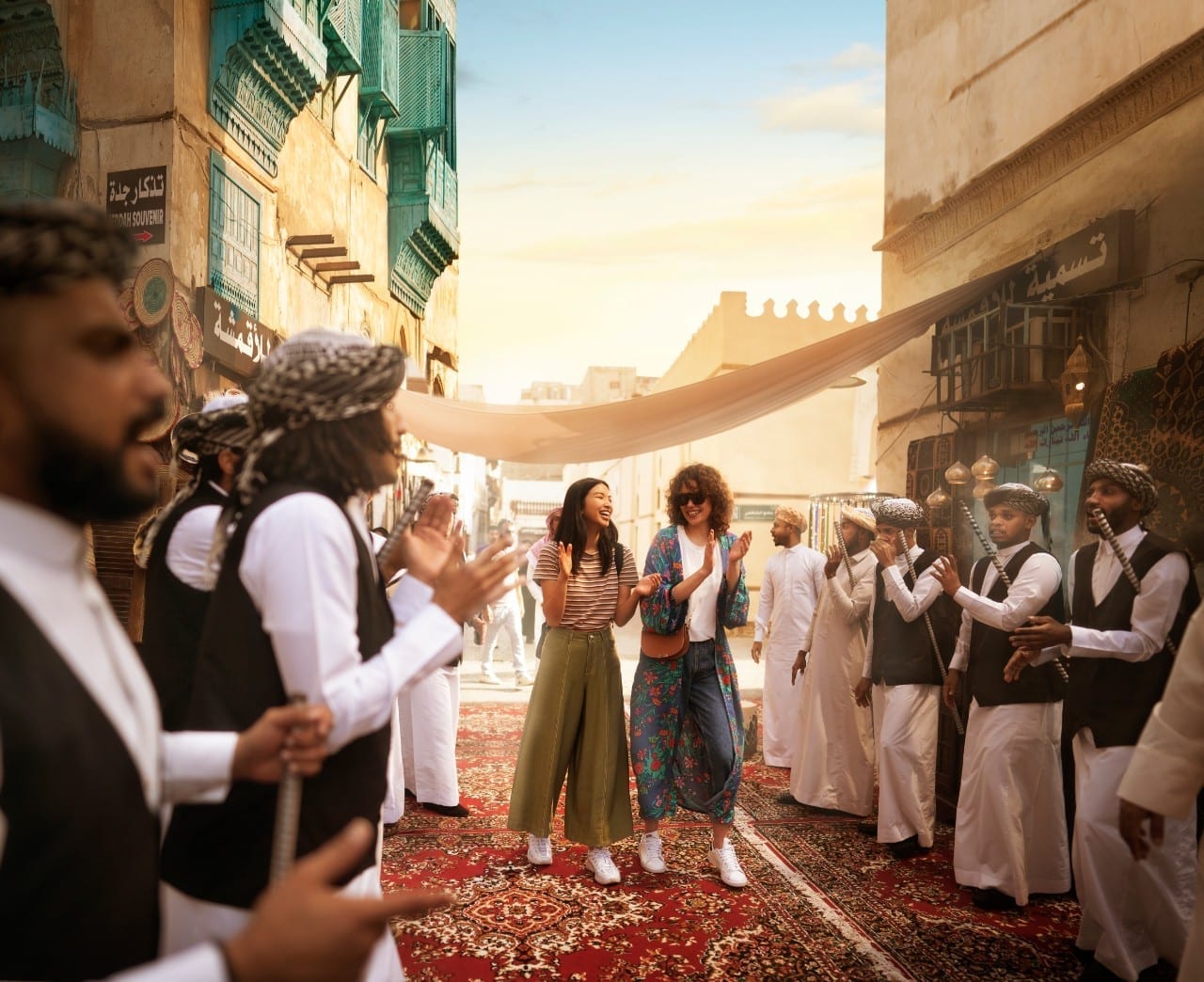
The iconic Roshan — projecting wooden balconies with intricate latticework — are the visual signature of Al-Balad. These structures, some rising five stories, were built by wealthy merchants from coral stone blocks hauled from the sea, with teak and iron imported from distant lands.

Walking the narrow lanes of Al-Balad today, you encounter a living neighborhood: families, shops, cafes, and the call to prayer echoing between the ancient walls. It is both a museum and a marketplace — history that continues to breathe.

Visitor Note

Al-Balad comes alive after dark. Night walks are recommended for photography. During Ramadan, historic evenings with traditional performances take place in restored courtyards.

Inscribed 2015
4Cultural

Rock Art in the Hail Region

Jubbah & Shuwaymis, Hail Province2015

Long before writing, humans told stories through rock. The petroglyphs of Jubbah and Shuwaymis are among the oldest and most extensive rock art sites in the Arabian Peninsula — a visual record spanning 10,000 years of human history.

These are not mere drawings. They document the transformation of a land: from lush savannahs with cattle, horses, and even hippopotami, to the desert we see today. The images show hunting scenes, ritual dances, animals, and symbols whose meanings are still debated by archaeologists.

Standing before a rock face covered in ancient carvings, you sense the continuity of human presence. These same rocks sheltered people who watched a world change — and left us the only record of what they witnessed.

Visitor Note

The Jubbah site is more accessible and has a visitor center. Shuwaymis requires more planning and local guides. Both are best visited with archaeological or cultural tour operators.

Al-Ahsa Oasis
Inscribed 2018
5Cultural Landscape

Al-Ahsa Oasis

Al-Ahsa, Eastern Province2018

Al-Ahsa is one of the largest oases on Earth — a green sanctuary in the midst of Arabia's eastern desert. For over 6,000 years, humans have cultivated this land, creating a sophisticated system of wells, canals, and irrigation that sustains 2.5 million date palms today.

But Al-Ahsa is more than agriculture. It is a complete cultural landscape: historic mosques, traditional souqs, craftsmanship traditions, and the Al-Qarah mountain caves that provided shelter and respite for millennia.

UNESCO recognized Al-Ahsa not for a single monument, but for the living relationship between land, water, and community. It is a place where heritage is practiced daily — in the harvesting of dates, the weaving of palm fronds, and the rhythms of oasis life.

Visitor Note

Al-Ahsa is vast. Plan a full day minimum. The Al-Qarah caves offer a cool escape and unique landscape. The old souq (Qaisariah) is one of the oldest in Arabia.

Ḥimā Cultural Area
Inscribed 2021
6Cultural

Ḥimā Cultural Area

Najran Province2021

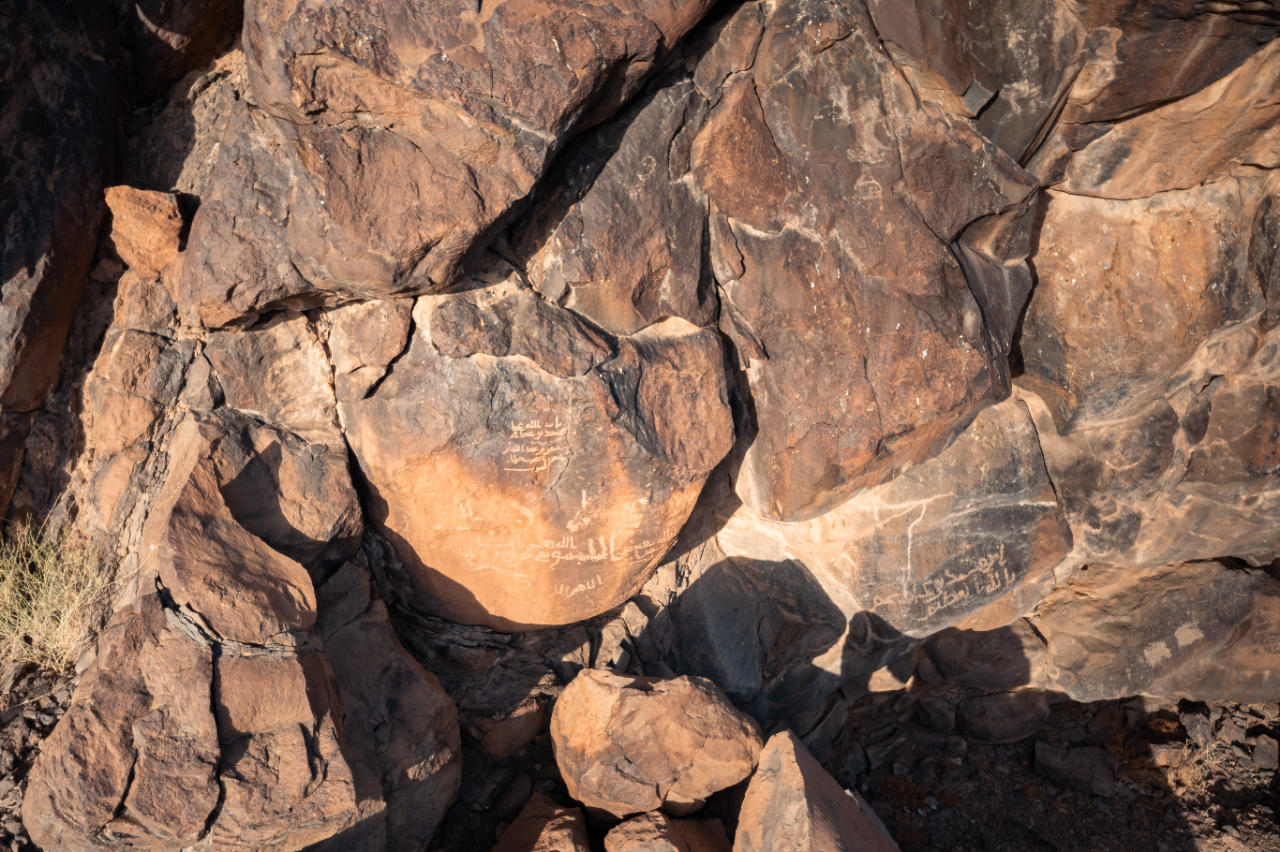
Ḥimā is a library written in stone — a collection of rock inscriptions left by travelers, pilgrims, and armies over thousands of years. Located along an ancient caravan route, it served as a rest stop where people left their mark: names, prayers, drawings, and records of their journeys.

The site contains inscriptions in multiple ancient scripts: Musnad (South Arabian), Thamudic, Greek, and early Arabic. Together they form one of the richest concentrations of rock inscriptions in the world — a multilingual 'guestbook' spanning millennia.

Ḥimā also contains rock art similar to that of Jubbah, depicting animals, hunting scenes, and human figures. The wells that sustained ancient caravans still provide water today, connecting past and present in an unbroken line.

Visitor Note

Ḥimā is remote and requires advance planning. Guided tours are highly recommended. The region is near the Yemen border; check travel advisories.

Inscribed 2023
7Natural

'Uruq Bani Ma'arid

Empty Quarter (Rub' al Khali)2023

'Uruq Bani Ma'arid is Saudi Arabia's first natural UNESCO World Heritage Site — and one of the most remote places on the Arabian Peninsula. Located in the Empty Quarter (Rub' al Khali), it protects a vast landscape of towering sand dunes, gravel plains, and desert ecosystems.

What makes this site extraordinary is its wildlife conservation program. The Arabian oryx, once hunted to near extinction, was reintroduced here and now thrives. The sand gazelle and other desert species have followed, returning to a landscape that once seemed devoid of life.

Visiting 'Uruq Bani Ma'arid is an expedition, not a day trip. The experience is one of absolute vastness — dunes reaching 200 meters high, silence broken only by wind, and the privilege of witnessing one of Earth's last great wildernesses.

Visitor Note

Access is highly restricted and requires permits through the National Center for Wildlife. Only a handful of specialized tour operators can arrange visits. Plan months in advance.

Al-Faw Archaeological Area
Inscribed 2024
8Cultural

Al-Faw Archaeological Area

Wadi al-Dawasir, Riyadh Province2024

Al-Faw was once the capital of the Kindah kingdom — a pre-Islamic Arabian power that controlled vital trade routes connecting southern Arabia to the Persian Gulf and beyond. At its height, it was a wealthy, cosmopolitan city of markets, temples, and administrative buildings.

What makes Al-Faw exceptional is its state of preservation. Abandoned and buried by sand for over a millennium, the city remained largely intact. Archaeological excavations have revealed streets, houses, murals, and artifacts that paint a vivid picture of urban life in ancient Arabia.

Al-Faw is Saudi Arabia's newest UNESCO site, inscribed in 2024. It is still being developed for tourism, but for those who can access it, it offers a rare glimpse into a civilization that flourished and vanished long before Islam — yet whose echoes shape the region to this day.

Visitor Note

Al-Faw is not yet fully open for regular tourism. Archaeological work continues. Check with Saudi tourism authorities for current access options.

Plan Your Visit

Turn UNESCO Into a Seamless Itinerary

Choose your heritage cluster, book curated experiences, and find where to stay.

1

Choose Your Heritage Cluster

🏛️

Northwest Heritage

AlUla + Hegra + optional desert add-ons. The crown jewel of Saudi heritage.

View Itinerary
🏰

Riyadh Foundations

Diriyah At-Turaif + Riyadh cultural sites. The birthplace of the Saudi state.

View Itinerary
⚓

Red Sea Gate

Historic Jeddah + coastal experiences. Where trade routes met the sea.

View Itinerary
3

Where to Stay Nearby

AlUla Area

Luxury desert resorts & heritage lodges

Book Hotels

Diriyah / Riyadh

Historic quarter hotels & city stays

Book Hotels

Historic Jeddah

Boutique hotels in Al-Balad

Book Hotels

Al-Ahsa Oasis

Traditional oasis accommodations

Book Hotels

trust.sourcesReferences

  1. [1]
    UNESCO World Heritage List — Saudi Arabia — UNESCO World Heritage Centre (trust.accessed Mar 15, 2026)
  2. [2]
    Royal Commission for AlUla — Heritage Sites — Royal Commission for AlUla (trust.accessed Mar 15, 2026)
  3. [3]
    Visit Saudi — Heritage & Culture — Visit Saudi (trust.accessed Mar 15, 2026)
Frequently Asked

UNESCO Sites in Saudi Arabia

Quick answers to common questions about visiting Saudi Arabia's World Heritage Sites.

At-Turaif UNESCO site at sunset
Begin Your Journey

Walk Among Legends

The stories of the past are waiting to be read. Our heritage concierge can arrange expert guides, premium transport, and curated access across Saudi Arabia's UNESCO wonders.

Explore Further

UNESCO sites reveal Saudi Arabia's layered history. The art and culture guide provides context for the artistic traditions preserved at these sites. Nearby heritage villages offer complementary cultural immersion, and museum tours deepen understanding. AlUla's Hegra is the most famous UNESCO site — explore the full destination. Review the photography guide for site-specific rules and the etiquette guide for respectful visits.

Last updated: 2026-03-31

trust.lastUpdated March 1, 2026