

Useful Tools
guides.etiquette.body.culturalOrigins
Saudi Arabia's social customs are shaped by three interwoven forces: Islam, which provides the spiritual and legal framework; Bedouin tribal traditions, which emphasize honor, generosity, and communal bonds; and the modern Vision 2030 transformation, which is opening the Kingdom to the world while preserving its identity.
Islam is not simply a religion in Saudi Arabia. It is the organizing principle of daily life. The five daily prayers (salat) structure the rhythm of the day. The call to prayer (adhan) echoes from minarets across every city. Shops and restaurants pause. This is not an inconvenience: it is the heartbeat of Saudi society, and understanding it transforms your visit from tourism into genuine cultural immersion.
Bedouin hospitality (known as diyafa) predates Islam by centuries. In the harsh desert environment, offering shelter, food, and protection to travelers was not just courtesy but survival. This deep tradition means that Saudi hosts will often insist on generosity that can surprise Western visitors: refusing a cup of Arabic coffee or declining an invitation to dinner can be perceived as a social rebuff. The key principle is simple: accept with gratitude, reciprocate with warmth.
Greetings & Social Customs
The Arabic greeting "As-salamu alaykum" (peace be upon you) is rooted in the Quran and has been the standard salutation across the Arabian Peninsula for over 1,400 years. It carries genuine spiritual weight: you are wishing peace upon the other person as a sacred act.
- "As-salamu alaykum" ("Peace be upon you") is the standard greeting. Respond with "Wa alaykum as-salam".
- Men greet men with a handshake, sometimes followed by touching right cheeks. Close friends may exchange a light embrace.
- Physical contact between unrelated men and women in greetings should be avoided unless the other person initiates. A hand over the heart with a slight nod is a respectful alternative.
- Use the right hand for greetings, eating, and giving/receiving items — the left hand is considered unclean.
- Titles matter. Use "Sheikh," "Doctor," or the person's first name with "Abu" (father of) if known.
- Hospitality is central to Saudi culture. If offered Arabic coffee (qahwa) or tea, accepting is polite. Shake your cup gently side to side when you have had enough.
guides.etiquette.body.whyRightHand
guides.etiquette.body.rightHandExplanation

Dining Etiquette
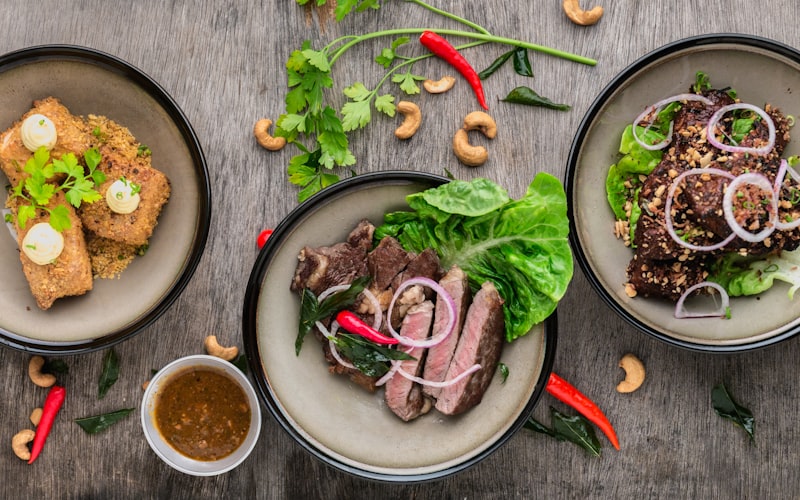
Saudi dining culture reflects both Islamic dietary law (halal) and centuries of Bedouin communal eating traditions. The communal meal, where food is shared from large platters, symbolizes equality and brotherhood. The most famous communal dish, kabsa (spiced rice with meat), originates from the Najd region and is considered the national dish.
At Restaurants
- Many restaurants have separate "family" and "singles" (men-only) sections, though this is relaxing in major cities.
- Alcohol is prohibited throughout Saudi Arabia. Restaurants serve juices, Arabic coffee, tea, and mocktails.
- Restaurants may close briefly during prayer times (5 times daily, 15-30 minutes each).
- During Ramadan, eating, drinking, or smoking in public during daylight hours is prohibited.
Traditional Dining
- Traditional meals may be served on the floor on a communal mat (sufra).
- Eat with your right hand only. Utensils are provided at modern restaurants.
- It is polite to accept second helpings — refusing food repeatedly may seem rude.
- Compliment the food and the host. The phrase "Allah yibarek" (God bless) shows appreciation.
guides.etiquette.body.coffeeRitual
guides.etiquette.body.coffeeRitualDescription

Mosque Etiquette
Mosques are places of worship and should be treated with respect. Some mosques welcome non-Muslim visitors outside of prayer times. The tradition of removing shoes stems from the Quranic verse where Moses was commanded to remove his sandals at the sacred valley of Tuwa (Surah Ta-Ha, 20:12). Mosques are considered extensions of sacred ground, and cleanliness (tahara) is a fundamental aspect of Islamic worship.
- Remove shoes before entering. Shoe racks or bags are typically provided.
- Dress modestly: cover arms, legs, and (for women) hair. Some mosques provide abayas at the entrance.
- Silence your phone and speak in whispers.
- Do not walk in front of someone who is praying.
- Ask permission before taking photographs inside a mosque.
- Non-Muslims cannot enter the two Holy Mosques in Makkah and Madinah.
guides.etiquette.body.fivePrayersHeading
guides.etiquette.body.prayerTimesDescription
guides.etiquette.body.ramadanReligious
Ramadan is the ninth month of the Islamic lunar calendar, during which Muslims fast from dawn to sunset. The fast commemorates the revelation of the Quran to the Prophet Muhammad and is one of the five pillars of Islam. For visitors, Ramadan transforms the rhythm of Saudi life in profound ways.
guides.etiquette.body.duringDay
- guides.etiquette.body.duringDayDetail
guides.etiquette.body.afterSunset
- guides.etiquette.body.afterSunsetDetail
For a complete guide to visiting during Ramadan, see our Ramadan travel guide.
guides.etiquette.body.genderNorms
Saudi Arabia has undergone significant social transformation since 2016. Women now drive, attend sporting events, work across all sectors, and travel independently. However, traditional values of modesty and respect between genders remain culturally important.
- guides.etiquette.body.physicalContact
- guides.etiquette.body.eyeContact
- guides.etiquette.body.mixedGatherings
- guides.etiquette.body.photoGenderNote
Women travelers should consult our solo female travel guide for detailed advice.
Photography Rules
Saudi Arabia has become more photo-friendly, but some rules remain important. Under Vision 2030, Saudi Arabia actively encourages tourism photography and social media sharing. However, privacy and security sensitivities remain, rooted in both Islamic values of personal privacy (the concept of satr) and national security considerations.
- Always ask permission before photographing people, especially women and families.
- Photography of military installations, government buildings, and some royal palaces is prohibited.
- Some museums and heritage sites may restrict photography — look for signs.
- Street photography in souks and public areas is generally acceptable, but be respectful.
- Avoid photographing car accidents or emergency scenes.
- Drones require a permit from the General Authority of Civil Aviation (GACA).
For detailed photography advice, see our photography guide.


Business Customs
Saudi business culture is built on personal trust. Unlike Western transactional norms, Saudis invest heavily in relationship-building (wasta, meaning connections and influence) before discussing business specifics. This is not inefficiency: it reflects the Bedouin principle that a person's word and character matter more than a contract.
- The Saudi workweek runs Sunday through Thursday. Friday and Saturday are the weekend.
- Meetings may start later than scheduled — patience is valued over punctuality in social contexts.
- Business cards are exchanged with the right hand. Having Arabic on one side is a thoughtful touch.
- Relationship-building is important. Expect preliminary socializing (coffee, small talk) before discussing business.
- Decisions may take time — avoid pressuring for immediate answers.
- Gift-giving is common in business. Avoid alcohol and products with pork-derived ingredients.
guides.etiquette.body.quickReference
guides.etiquette.body.doTitle
- • guides.etiquette.body.do.do1
- • guides.etiquette.body.do.do2
- • guides.etiquette.body.do.do3
- • guides.etiquette.body.do.do4
- • guides.etiquette.body.do.do5
- • guides.etiquette.body.do.do6
- • guides.etiquette.body.do.do7
- • guides.etiquette.body.do.do8
guides.etiquette.body.dontTitle
- • guides.etiquette.body.dont.dont1
- • guides.etiquette.body.dont.dont2
- • guides.etiquette.body.dont.dont3
- • guides.etiquette.body.dont.dont4
- • guides.etiquette.body.dont.dont5
- • guides.etiquette.body.dont.dont6
- • guides.etiquette.body.dont.dont7
- • guides.etiquette.body.dont.dont8
trust.sourcesReferences
- [1]
- [2]Saudi Tourism Authority — Visitor Information — Saudi Tourism Authority (trust.accessed Mar 15, 2026)
- [3]Saudi Ministry of Islamic Affairs — Mosque Visitor Guidelines — Ministry of Islamic Affairs (trust.accessed Mar 15, 2026)
common.faq
Is alcohol really completely banned?
Yes. The sale, purchase, and consumption of alcohol is illegal throughout Saudi Arabia. This applies to all visitors regardless of nationality or religion. Penalties are severe. Many hotels and restaurants offer creative non-alcoholic alternatives.
What happens during prayer times?
Many shops and restaurants close briefly during the five daily prayer times, typically for 15-30 minutes. Malls may close entrances but allow those inside to remain. This tradition is relaxing in major cities and tourist areas, but be prepared for brief pauses in your day.
Can I show public displays of affection?
Public displays of affection should be minimal. Hand-holding between married couples is acceptable in most urban areas, but kissing or embracing in public is considered inappropriate. Social norms in this area are modernizing, particularly in cities like Riyadh and Jeddah.
How should I behave during Ramadan?
Non-Muslims are not required to fast, but eating, drinking, and smoking in public during daylight hours is prohibited. Restaurants may be closed during the day; some offer takeout or private dining. After sunset (iftar), the atmosphere is festive, and many special events take place.
Is tipping expected in Saudi Arabia?
Tipping is not mandatory but appreciated. In restaurants, a 10-15% tip is common if service charge is not included. For hotel staff and drivers, 10-20 SAR is a kind gesture. In more traditional settings, generosity is valued but never required.
Can non-Muslims visit mosques in Saudi Arabia?
Many mosques across Saudi Arabia now welcome non-Muslim visitors outside of prayer times, particularly in tourist areas like Jeddah's Al-Rahma Mosque. The two Holy Mosques in Makkah and Madinah remain exclusive to Muslims. Always dress modestly and remove shoes before entering.
guides.etiquette.body.relatedGuidesHeading
guides.etiquette.body.relatedGuidesIntro guides.etiquette.body.dressCodeGuideLink guides.etiquette.body.relatedGuides1 guides.etiquette.body.culinaryTraditionsLink guides.etiquette.body.relatedGuides2 guides.etiquette.body.artCultureLink guides.etiquette.body.relatedGuides3 guides.etiquette.body.ramadanGuideLink guides.etiquette.body.relatedGuides4 guides.etiquette.body.soloFemaleLink guides.etiquette.body.relatedGuides5 guides.etiquette.body.photographyEtiquetteLink guides.etiquette.body.relatedGuides6 guides.etiquette.body.bedouinHospitalityLink.