
Heritage Reimagined: The Rise of Saudi Fine Dining
Where ancestral flavors meet modern gastronomy. Experience the new language of Saudi cuisine—precise, expressive, and rooted in place.
Saudi cuisine is entering a new chapter. For generations, the Kingdom's food culture was defined by home kitchens, communal feasts, and deeply regional traditions. Today, a new generation of Saudi chefs is translating that heritage into contemporary fine dining—applying classical technique, modern presentation, and international discipline without abandoning identity.
This movement is not driven by luxury for its own sake. It is driven by narrative. Dates, dried limes, truffles, camel milk, wheat, and spice blends long associated with everyday cooking are now being recontextualized through careful sourcing and refined execution. The result is a distinctly Saudi expression of modern cuisine—confident, intentional, and increasingly visible on the global culinary map.
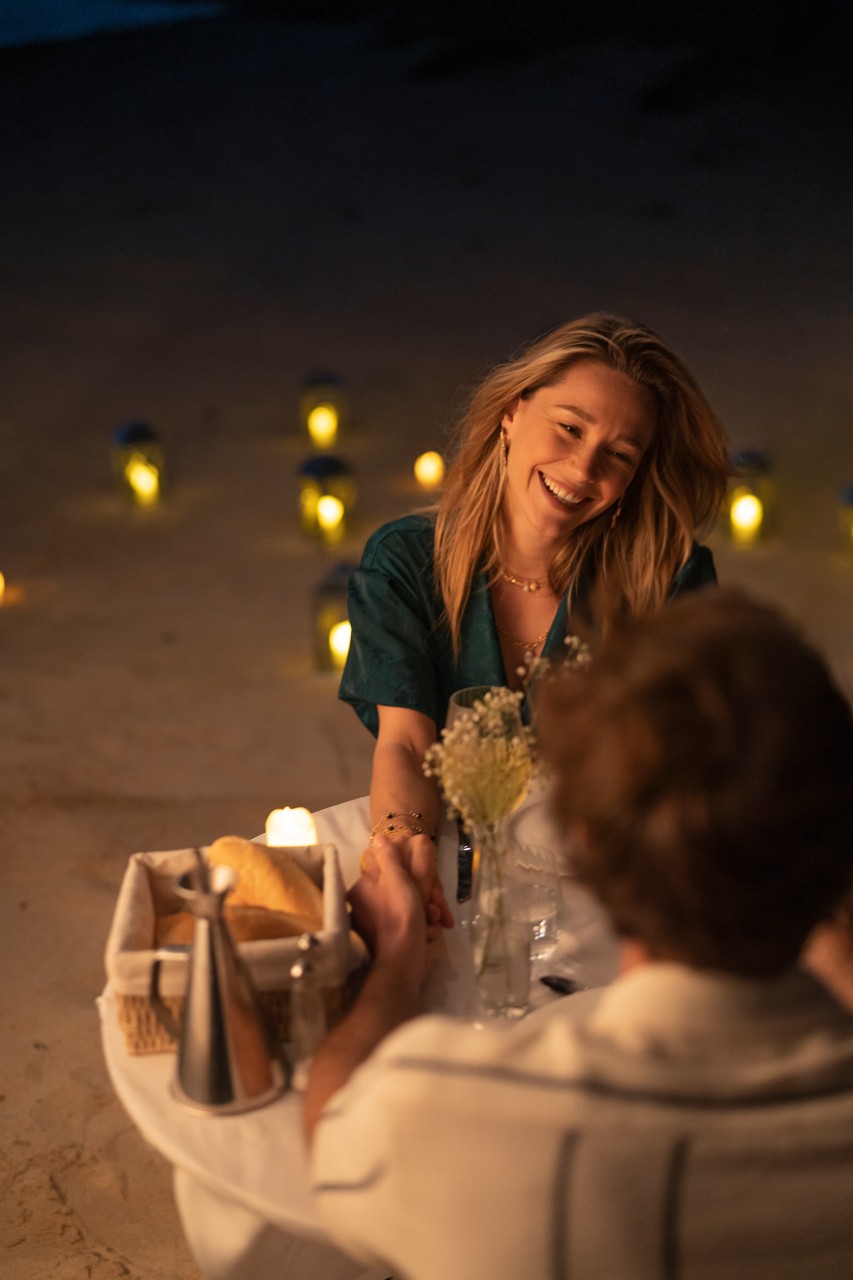
Old Soul, New Technique
At the heart of contemporary Saudi fine dining lies a simple idea: preservation through evolution.
Ingredient-First Thinking
Chefs are prioritizing local terroir with unprecedented focus. Taif roses appear in savory applications, Hasawi rice anchors refined grain dishes, and seasonal desert truffles from Hail are treated with the same reverence as European counterparts. The emphasis is on traceability, seasonality, and restraint.
Reimagining Tradition
Classic dishes are not replaced—they are reframed. Kabsa may appear as layered textures rather than a single platter. Jareesh becomes a composed element rather than a rustic bowl. The flavors remain familiar, but the experience is intentionally re-engineered, allowing diners to rediscover what they already know.
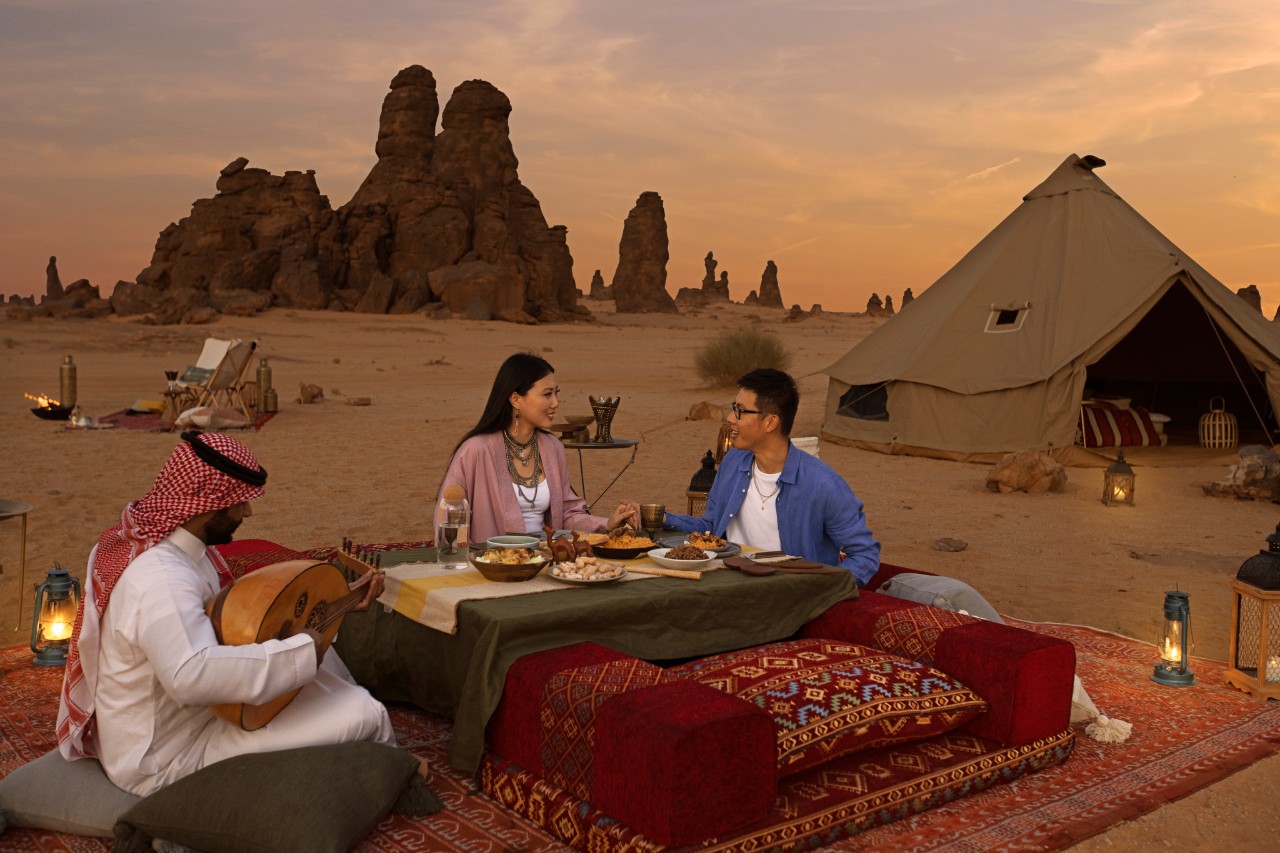
Where to Eat Now
Saudi fine dining is concentrated in carefully curated districts that combine heritage, architecture, and culinary ambition.
Bujairi Terrace
Set against the historic backdrop of At-Turaif, this district has become a focal point for elevated Saudi dining. Concepts such as Maiz and Takya emphasize regional storytelling, modern plating, and refined hospitality within a culturally significant setting.
The Architects of Flavor
Saudi fine dining is defined by individuals shaping a national voice.
Chef Mayada Badr
Precision & Clarity
Internationally recognized for precision pastry and refined technique, her broader culinary work emphasizes balance, lightness, and clarity of flavor. Her approach reflects a modern Saudi aesthetic—elegant, controlled, and technically disciplined.
Elegance is restraint with purpose.

The New Classics
What defines modern Saudi fine dining on the plate?
Camel Milk Desserts
National heritageOften appearing as gelato or custard, camel milk's natural salinity and depth create a sophisticated counterpoint to dates, caramel, and spice.
Saleeg Reimagined
Hijaz regionThe traditional Hijazi rice dish is refined into a risotto-style preparation—controlled texture, reduced richness, and precise seasoning—sometimes paired with contemporary sauces or foams.
Kleija, Deconstructed
Qassim regionThe spiced date cookie of Qassim transformed into plated pastry: cardamom-infused crust, caramelized filling, and coffee-based creams that reference Saudi hospitality rituals.
Reserve Your Table
Saudi Arabia's most sought-after dining rooms are intimate by design and book quickly. Let our concierge guide you to the restaurants shaping the future of Saudi cuisine.
The Saudi Fine Dining Scene
Fine dining is a cornerstone of Saudi Arabia's culinary renaissance. Combine luxury restaurants with street food tours for the full flavour spectrum. Riyadh and Jeddah compete as the Kingdom's gastronomic capitals. Fine dining pairs naturally with luxury travel — many top restaurants are inside premium hotels. Review dining etiquette to navigate formal Saudi settings with confidence.
trust.sourcesReferences
- [1]
- [2]