Business Travel in Saudi Arabia
Business travel guide to Saudi Arabia 2026. Visa info, business etiquette, top corporate hotels, meeting venues, and networking tips for the Kingdom.
Key Takeaways
- Saudi business culture requires relationship-building before deal-making - plan at least one social dinner (typically starting after 9 PM) before expecting contract discussions.
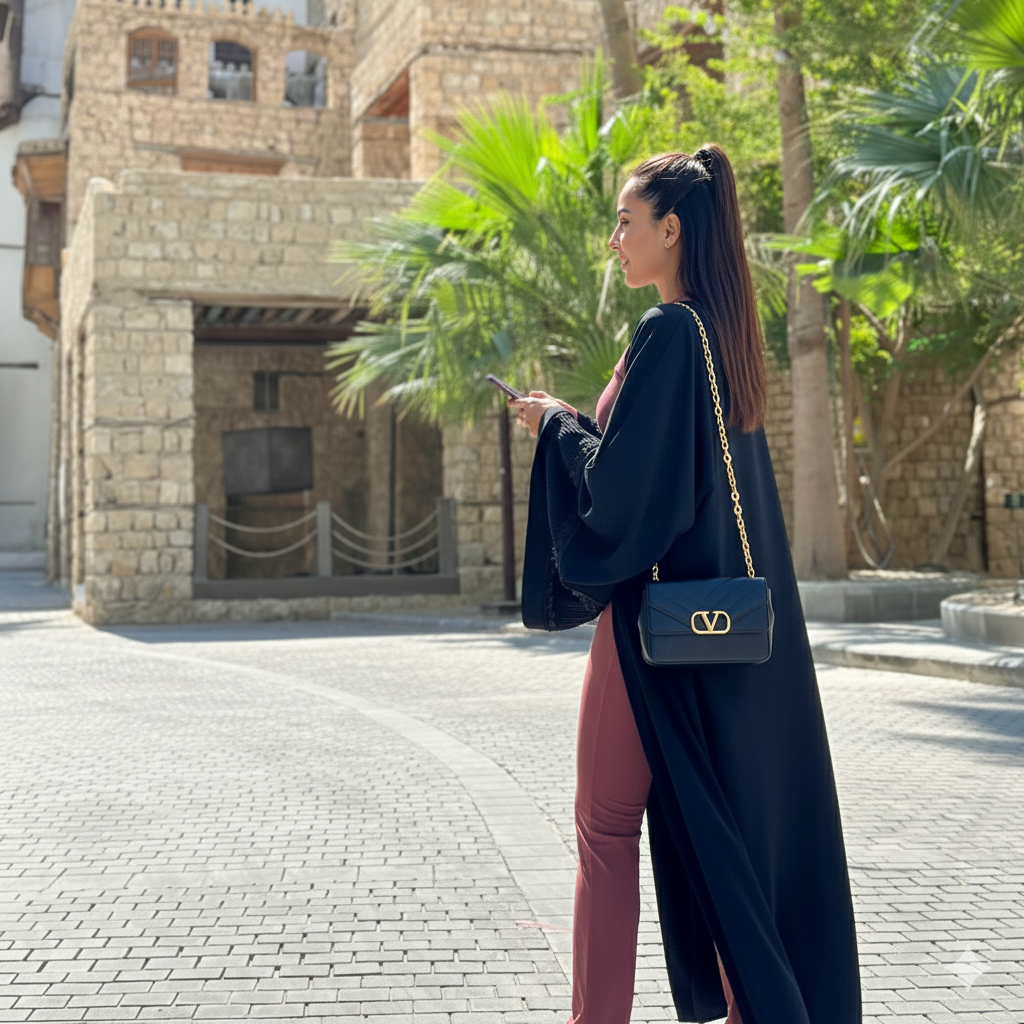
- Dress conservatively: men wear suits (Saudi counterparts often wear thobes); women should cover shoulders and knees - an abaya and headscarf are NOT required for foreign businesswomen, though many carry a light abaya for traditional settings.
- Friday and Saturday are the weekend - schedule meetings Sunday through Thursday; during Ramadan working hours shorten significantly, so avoid it for time-critical negotiations.
- Exchange business cards with the right hand and bring Arabic-translated cards - a small gesture that lands well, especially outside Riyadh's international business districts.
- Alcohol is prohibited nationwide - all business entertainment is dry; host clients at high-end restaurants in KAFD or top hotels instead.
- Riyadh's driverless metro (6 lines, 85 stations) has been fully operational since January 2025 and serves KAFD directly; use Uber/Careem for door-to-door trips.
Quick Facts: Business Travel in Saudi Arabia (2026)
Planning a business trip to Saudi Arabia in 2026? Here’s a snapshot of essential information to get you started:
- Currency: Saudi Riyal (SAR). Exchange rate (approx. 2026): 1 USD ≈ 3.75 SAR.
- Official Language: Arabic. English is widely spoken in business circles and major cities.
- Time Zone: GMT+3.
- Visa Requirements: Business visit visa via the MOFA portal; citizens of 66 countries can alternatively use the tourist eVisa (SAR 535 online) for events and conferences. Always check the latest requirements.
- Dress Code: Business attire is conservative. Men typically wear suits; women should dress modestly, covering shoulders and knees. Abayas are not mandatory for foreign women but are often worn.
- Connectivity: Excellent 5G and fiber optic internet in major cities.
- Major Business Hubs: Riyadh, Jeddah, Dammam, NEOM (emerging).
- Best Time to Visit: October to April for comfortable weather.
Navigating Visa Requirements and Entry for Business Travelers
Saudi Arabia has made significant strides in streamlining its visa processes, particularly for business travelers. By 2026, the Kingdom aims to further enhance accessibility, making it easier than ever for professionals to enter and conduct business. For short-term visits there are two routes: the business visit visa, applied for through the Ministry of Foreign Affairs portal, and — for citizens of the 66 eVisa-eligible countries — the tourist eVisa (SAR 535 online, SAR 480 on arrival). Note that the tourist visa formally covers tourism and events; check that your planned activities are permitted before relying on it.
The eVisa system, accessible through the official Saudi Ministry of Foreign Affairs portal (visa.mofa.gov.sa), is typically the most convenient route. It allows applicants to complete the process online, often receiving approval within hours or a few days. Requirements generally include a valid passport (with at least six months' validity), a recent passport-sized photograph, and details of your accommodation and travel itinerary. For business purposes, a letter of invitation from a Saudi company or a conference registration may be required, so it's wise to have these documents prepared.
For those eligible for Visa on Arrival, this option provides flexibility, though it's always recommended to double-check eligibility before traveling. Regardless of the visa type, ensure your passport details match your application perfectly to avoid any delays at immigration. It's also prudent to carry copies of all your travel documents, including your visa approval, flight details, and hotel reservations.
Key Visa Tips for 2026:
- Verify Eligibility: Always consult the official Saudi Ministry of Foreign Affairs website or your local embassy/consulate for the most up-to-date visa requirements specific to your nationality and purpose of travel.
- Apply in Advance: Even with streamlined processes, applying for your eVisa a few weeks before your trip is advisable to account for any unforeseen delays.
- Business Invitation Letter: If attending meetings or conferences, secure an official invitation letter from your Saudi host or organizer. This document can be crucial for your visa application and entry.
- Travel Insurance: While not always mandatory for visa application, comprehensive travel insurance covering medical emergencies and trip cancellations is highly recommended.
- Customs Regulations: Be aware of Saudi customs regulations, particularly regarding prohibited items such as alcohol, pork products, and certain religious materials.
Mastering Business Etiquette and Cultural Nuances
Understanding and respecting Saudi business etiquette is paramount to fostering successful relationships and ensuring a smooth trip. Saudi culture is deeply rooted in Islamic traditions and tribal customs, emphasizing respect, hospitality, and personal connections. While the Kingdom is rapidly modernizing, these core values remain central to professional interactions.
When meeting, a firm handshake is customary between men. For women, it's best to wait for the Saudi woman to initiate a handshake; otherwise, a polite nod and smile suffice. Always use your right hand when shaking hands, offering gifts, or accepting items. Direct eye contact is a sign of sincerity and respect. During conversations, avoid discussing politics, religion, or personal matters unless initiated by your Saudi counterpart. Topics like family, travel, and business successes are generally safe and welcomed.
Punctuality is appreciated, but meetings may not always start precisely on time. Be prepared for potential delays and maintain flexibility. Business discussions often begin with polite small talk and offers of coffee or tea. Rushing into the agenda is considered impolite. Decisions may take longer than in Western cultures, as consensus-building and consultation are valued. Patience and persistence are key.
Essential Etiquette Guidelines:
- Dress Conservatively: For men, a suit and tie are standard. For women, modest business attire that covers shoulders and knees is essential. Avoid overly tight or revealing clothing. An abaya is not required for foreign women but is often a comfortable choice.
- Greetings: Use "Assalamu Alaikum" (Peace be upon you) as a general greeting. Learn a few basic Arabic phrases; it will be greatly appreciated.
- Gift Giving: Small, high-quality gifts from your home country are often appreciated, especially after a successful meeting. Avoid gifts involving alcohol or pork.
- Dining Etiquette: If invited to a meal, accept graciously. Wait to be seated and follow your host's lead. Eat with your right hand.
- Friday Prayer: Be aware that businesses and shops will close for Friday prayers. Plan your schedule accordingly.
- Ramadan: If traveling during Ramadan, be mindful that most people will be fasting during daylight hours. Eating, drinking, and smoking in public during fasting hours are prohibited. Business hours may also be reduced.
Top Business Hubs: Riyadh, Jeddah, and Emerging Cities
Saudi Arabia's economic landscape is dynamic, with established business powerhouses and burgeoning new cities. Understanding the distinct characteristics of each hub will help you tailor your business strategy and travel plans effectively.
Riyadh, the capital, is the political and financial heart of the Kingdom. It's home to major government ministries, the Saudi Central Bank, the Saudi Stock Exchange (Tadawul), and the headquarters of many national and international corporations. Business in Riyadh is often characterized by its formal nature and focus on large-scale projects, particularly in finance, technology, and infrastructure. Key business districts include King Abdullah Financial District (KAFD), Olaya Street, and King Fahd Road. The city is rapidly expanding, with new developments like the King Salman Park and Diriyah Gate transforming its urban fabric.
Jeddah, the second-largest city and a major port on the Red Sea, serves as the commercial gateway to the Kingdom. Its diverse economy includes strong sectors in trade, logistics, tourism, and manufacturing. Jeddah has a more relaxed and cosmopolitan atmosphere than Riyadh, reflecting its historical role as a trading hub and pilgrimage gateway. Business here often involves more international interactions, given its port and proximity to holy sites. Key areas for business include the Corniche, Prince Sultan Street, and Madinah Road.
Beyond these established centers, Saudi Arabia is investing heavily in new economic zones and cities under Vision 2030. NEOM, the ambitious futuristic city project in the northwest, is rapidly becoming a focal point for innovation, sustainable technology, and tourism. While still under development, business opportunities in NEOM are emerging, particularly in renewable energy, biotechnology, advanced manufacturing, and digital industries. Other developing hubs include the Red Sea Project and Qiddiya, focusing on luxury tourism and entertainment, respectively, which also present opportunities for supporting businesses.
Choosing Your Business Base:
- Riyadh: Ideal for finance, government contracts, large-scale infrastructure, and technology. Expect a more formal business environment.
- Jeddah: Best for trade, logistics, retail, tourism, and international partnerships. Offers a more relaxed, cosmopolitan feel.
- NEOM: For pioneering ventures in sustainability, advanced technology, future industries, and smart city solutions. Requires a forward-thinking, innovative approach.
- Dammam/Eastern Province: Strong in oil & gas, petrochemicals, and heavy industry.
Premier Accommodation and Meeting Venues for Business Travelers
Saudi Arabia offers a wide array of world-class hotels and state-of-the-art meeting facilities designed to cater to the discerning business traveler. From opulent international chains to boutique luxury, you'll find options that combine comfort, connectivity, and convenience.
In Riyadh, top choices include The Ritz-Carlton, Riyadh (known for its grandeur and extensive meeting spaces), Four Seasons Hotel Riyadh at Kingdom Centre (offering panoramic city views and executive amenities), and the Al Faisaliah Hotel, a Rosewood Hotel (an icon of luxury with superb conference facilities). For those conducting business in KAFD, the new Voco Riyadh and the KAFD Conference Center offer modern spaces. Expect average nightly rates for premium business hotels to range from SAR 900-2000 (USD 240-530).
Jeddah provides equally impressive options such as The Ritz-Carlton, Jeddah (overlooking the Red Sea), Park Hyatt Jeddah – Marina, Club and Spa (combining business with leisure), and the Assila, a Luxury Collection Hotel. These hotels typically feature multiple ballrooms, meeting rooms equipped with advanced AV technology, and dedicated business centers. Premium hotel rates in Jeddah are similar to Riyadh, ranging from SAR 800-1800 (USD 215-480).
For large-scale conferences and exhibitions, Saudi Arabia boasts several convention centers. The Riyadh International Convention & Exhibition Center (RICEC) and the Jeddah Center for Forums & Events are primary venues, capable of hosting thousands of attendees. Newer, purpose-built facilities are also emerging in development zones like NEOM.
Selecting Your Ideal Venue:
- Location is Key: Choose a hotel close to your business appointments or with easy access to major transportation routes.
- Connectivity: Ensure robust Wi-Fi, business center services, and in-room charging options are available.
- Meeting Facilities: If hosting, confirm the venue offers appropriate room sizes, AV equipment, catering, and technical support.
- Executive Lounges: Many premium hotels offer executive lounge access, providing a quiet space for informal meetings, complimentary refreshments, and personalized services.
- Health & Wellness: Look for hotels with gyms, pools, and spas to help unwind after a busy day.
Coworking Spaces and Networking Opportunities
The rise of entrepreneurship and a fast-growing startup ecosystem in Saudi Arabia has led to a proliferation of modern coworking spaces, offering flexible solutions for business travelers and a prime environment for networking. These spaces provide not just desks and internet, but also a community of like-minded professionals.
In Riyadh, notable coworking spaces include The Space (Olaya), known for its modern design and community events, and Workz (King Fahd Road), offering a range of private offices and hot desks. Regus and Servcorp also have multiple locations across the city, providing reliable, globally recognized serviced office solutions. These spaces often host workshops, pitch events, and networking mixers, making them excellent points of contact for local entrepreneurs and innovators.
Jeddah also boasts a growing number of coworking options. Spaces (King's Road Tower) offers a stylish environment with panoramic views, while local initiatives like CoWork Jeddah provide a more community-focused atmosphere. These venues are particularly useful for those looking to connect with businesses in the trade, logistics, and creative sectors.
Networking in Saudi Arabia extends beyond formal events. Casual interactions over coffee or during social gatherings can be just as valuable. Leverage LinkedIn to connect with professionals before your trip and reach out to your existing network for introductions. Business councils and chambers of commerce (e.g., Riyadh Chamber of Commerce and Industry, Jeddah Chamber of Commerce & Industry) frequently host events that are open to members and sometimes to non-members by invitation.
Maximizing Your Networking:
- Utilize Coworking Spaces: Book a day pass or a short-term membership. Engage with others in common areas.
- Attend Industry Events: Keep an eye on local event listings, chamber of commerce calendars, and industry-specific conferences. The Saudi Exhibition & Convention Bureau website is a good resource.
- LinkedIn: Research and connect with key individuals before your trip. Send personalized messages.
- Professional Associations: Explore joining local chapters of international professional organizations relevant to your industry.
- Cultural Immersion: Don't underestimate the power of social interactions. Accept invitations for coffee or meals; these informal settings are often where trust and relationships are built.
- Patience and Persistence: Building strong business relationships takes time. Follow up politely and consistently.
Transportation, Connectivity, and Practical Tips for a Smooth Trip
Getting around Saudi Arabia's major cities is becoming increasingly efficient, with significant investments in public transportation and ride-sharing services. Staying connected is also seamless, ensuring you can conduct business effectively from anywhere.
In Riyadh, the driverless Riyadh Metro has been fully operational since January 2025 — six lines, 85 stations and 176 km of track, with stops serving KAFD, Olaya and King Fahd Road. At peak hours it is the fastest way between business districts. Ride-sharing apps like Uber and Careem remain the most flexible option for door-to-door trips. Taxis are also readily available. For inter-city travel, domestic flights are frequent and reliable, connecting Riyadh, Jeddah, and Dammam efficiently. The Haramain High-Speed Railway connects Jeddah, King Abdullah Economic City, and Madinah, offering a comfortable and fast option for travel between these cities.
When it comes to connectivity, Saudi Arabia boasts excellent telecommunications infrastructure. 5G networks are widespread in major cities, offering high-speed internet. Purchasing a local SIM card (from providers like STC, Mobily, or Zain) upon arrival at the airport is highly recommended for cost-effective data and calls. eSIM options are also becoming more prevalent. Most hotels and coworking spaces provide reliable Wi-Fi.
Practical Tips for a Productive Business Trip:
- Transportation Apps: Download Uber and Careem apps before you arrive. They are widely used and reliable.
- Local SIM Card/eSIM: Get a local SIM for seamless connectivity. You'll need your passport for registration.
- Power Adapters: Saudi Arabia uses Type G power sockets (the same as the UK). The standard voltage is 230V at 60Hz. Bring appropriate adapters.
- Stay Hydrated: Especially during warmer months, drink plenty of water.
- Respect Local Customs: Be mindful of prayer times, dress codes, and general cultural norms to ensure a respectful and smooth experience.
- Business Hours: Standard business hours are typically Sunday to Thursday, 9:00 AM to 5:00 PM. Government offices may close earlier.
- Emergency Numbers: Police 999, Ambulance 997, Fire 998. A unified 911 line also serves Riyadh, Makkah, Madinah and the Eastern Province.
- Flexibility: Be prepared for potential changes in schedules or plans, and maintain a flexible attitude.
- Digital Payments: Credit cards are widely accepted, and digital payment apps are gaining traction. However, always carry some cash (SAR) for smaller purchases or emergencies.
Planning Tips for a Successful 2026 Business Trip
A well-planned business trip to Saudi Arabia in 2026 can be incredibly rewarding. With the Kingdom's rapid transformation, staying informed and organized will ensure you maximize your time and achieve your objectives. Here are some overarching tips to consider as you prepare:
Start your planning early, especially when it comes to visa applications and booking premium accommodation, particularly during peak seasons or major events. Research your industry's specific landscape within Saudi Arabia, identifying key players, potential partners, and regulatory frameworks. Leverage the resources provided by the Saudi Ministry of Investment (MISA) and the various Chambers of Commerce for valuable insights.
Beyond business, take some time to explore the unique cultural offerings. Even a short visit to the historical Al-Turaif district in Diriyah (Riyadh) or a stroll along the Jeddah Corniche can provide valuable context and a deeper appreciation of the Kingdom. This cultural immersion can also serve as excellent conversation starters and relationship builders with your Saudi counterparts.
Your Pre-Trip Checklist:
- Visa Secured: Double-check all requirements and apply well in advance.
- Flights & Accommodation Booked: Confirm all reservations.
- Itinerary Planned: Map out your meetings, including travel time between locations.
- Communication Strategy: Inform your hosts of your arrival details and confirm meeting times.
- Cultural Homework Done: Familiarize yourself with key business etiquette and cultural norms.
- Emergency Contacts: Have local emergency numbers and your embassy's contact details readily available.
- Health Preparations: Consult your doctor about necessary vaccinations. Ensure you have adequate travel insurance.
- Packing Smart: Pack conservative business attire and consider the climate.
- Digital Tools: Download necessary apps (ride-sharing, translation, banking) and ensure your devices are charged.
Prepare thoroughly, respect local customs, and budget more time than you think you need for relationships to develop — that is what separates productive trips to Saudi Arabia from wasted ones.
Related Guides & Experiences
Essential resources for business travelers in Saudi Arabia:
- Riyadh: Riyadh Travel Guide — The business capital
- Hotels: Best Luxury Hotels Riyadh — Business-class stays
- Jeddah: Jeddah Travel Guide — Western region hub
- Culture: Saudi Culture Guide — Business etiquette essentials
- Payments: Cash or Card Guide
- Timing: Best Time to Visit Saudi Arabia
Explore all destinations or use our Trip Planner.
Frequently Asked Questions
- Do I need a business visa for Saudi Arabia?
- Yes, visitors require a visa for Saudi Arabia. Business travelers can apply for a business visa through the Saudi embassy or use the e-visa system for eligible nationalities. The visa typically covers business meetings, conferences, and corporate site visits.
- What is the best time to conduct business in Saudi Arabia?
- Avoid Ramadan (the Islamic holy month) and summer months (June-August) when temperatures exceed 45°C and many businesses operate reduced hours. The ideal period is October to March when weather is mild and business activity is at its peak.
- Is business casual dress code acceptable in Saudi Arabia?
- Business formal attire is expected in most corporate settings. Men should wear suits and ties, while women should wear modest, long-sleeved clothing and avoid bright colors. Conservative dress reflects respect for local culture and professional norms.
- What are the key business customs I should know about in Saudi Arabia?
- Building personal relationships before conducting business is essential—meetings often begin with tea and informal conversation. Always use right hand when eating or exchanging business cards, and avoid scheduling meetings during prayer times. Patience and respect for hierarchy in decision-making are crucial.