Saudi-Wüstenabenteuer: Dünen, Sterne & Beduinenkultur
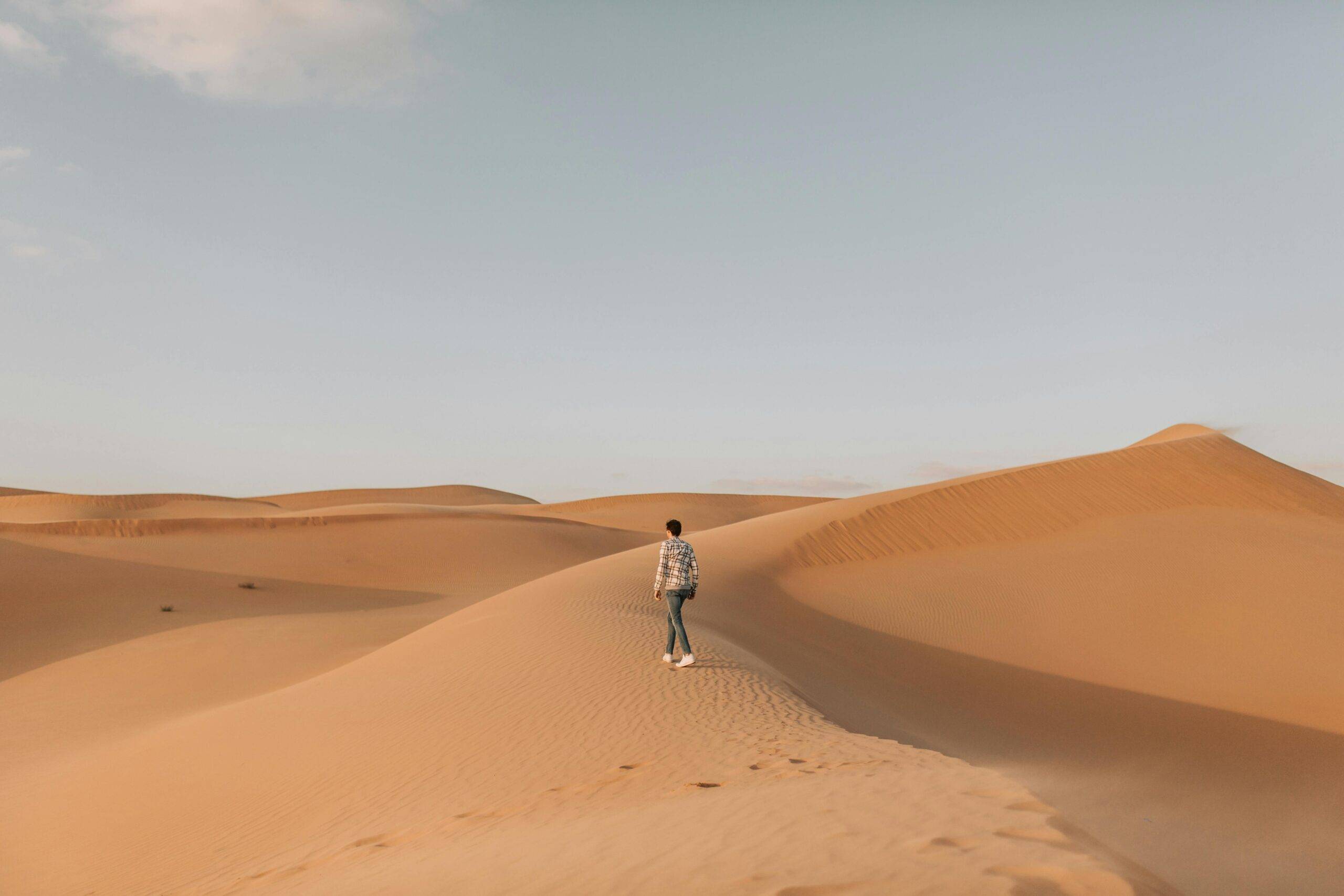
Entdecken Sie Saudi-Arabiens Wüsten: Dünenfahrten, Sternenbeobachtung & Beduinenkultur im Empty Quarter und mehr. Ihr ultimativer Abenteuerführer.
Das Wichtigste in Kürze
- Die Red Sands (Dahna-Wüste), 45 Minuten von Riyadh entfernt, sind das am leichtesten erreichbare Ziel für Dünenfahrten
- Übernachtungs-Camping in der Wüste umfasst ein traditionelles Abendessen, ein Lagerfeuer und Sternenbeobachtung ohne jegliche Lichtverschmutzung
- Kameltrekking durch die Nafud oder das Empty Quarter folgt uralten Beduinen-Handelsrouten
- Sandboarding funktioniert am besten auf steilen Dünen mit feinem Sand — die Nafud bei Hail bietet ideale Bedingungen
- Buchen Sie Wüstenerlebnisse aus Sicherheitsgründen über lizenzierte Anbieter — alleiniges Fahren in der Wüste ist extrem gefährlich
Hinweis zu Reisewarnungen: Dieser Leitfaden umfasst Reiseziele im äußersten Süden Saudi-Arabiens – Najran, Sharurah, die Provinz Jazan und die Farasan-Inseln – nahe der jemenitischen Grenze. Stand 2026 stuft das US-Außenministerium Saudi-Arabien insgesamt auf Stufe 3 – Reise überdenken ein (neu ausgestellt am 13. März 2026) und wendet Stufe 4 – Nicht reisen auf das Gebiet innerhalb von 20 Meilen der jemenitischen Grenze an; Großbritannien und Kanada vertreten eine vergleichbare Position. Prüfen Sie die aktuelle Einschätzung Ihrer eigenen Regierung, bevor Sie eine Reise in diese Gebiete planen, und beachten Sie, dass Reiseversicherungen in Gebieten mit Reisewarnung meist ungültig sind. Siehe unseren Sicherheitsleitfaden für Saudi-Arabien. Der Rest des Landes ist von diesen Grenzbeschränkungen nicht betroffen.
Saudi-Wüstenabenteuer: Dünen, Sterne & Beduinenkultur
Die weiten, schimmernden Sande Saudi-Arabiens locken mit einem Abenteuer, wie es kein anderes bietet. Die Wüsten des Königreichs sind mehr als nur eine Weite goldener Dünen – sie sind lebendige Landschaften, geprägt von uralter Geschichte, lebendigen Beduinentraditionen und einem Sternenspektakel, das Ihnen den Atem rauben wird. Für den unerschrockenen Reisenden, der eine Reise im Jahr 2026 plant, verspricht ein saudisches Wüstenabenteuer ein unvergessliches Eintauchen ins Herz Arabiens. Vom legendären Empty Quarter bis zu den auffälligen Roten Sanddünen bei Riyadh – erleben Sie eine Welt, in der die Zeit langsamer vergeht, Sterne mit unvergleichlicher Intensität leuchten und der Geist der Gastfreundschaft so tief reicht wie die Wüstenbrunnen.
Dieser umfassende Leitfaden führt Sie durch die besten Wüsten-Erlebnisse, die Saudi-Arabien zu bieten hat, mit Fokus auf praktische Hinweise, kulturelle Einblicke und wie Sie Ihre Reise in diese majestätischen, sonnenverwöhnten Reiche optimal gestalten. Ob Sie adrenalingeladenes Dünenfahren, ruhige Nächte unter einem Sternenteppich oder eine authentische Begegnung mit dem Beduinenerbe suchen – Ihr saudisches Wüstenabenteuer wartet auf Sie.
Kurzübersicht für Ihre Wüstenreise 2026
- Beste Reisezeit: Oktober bis April (kühlere Temperaturen, ideal für Outdoor-Aktivitäten).
- Visumsanforderungen: E-Visum für viele Nationalitäten problemlos erhältlich. Prüfen Sie das offizielle saudische eVisum-Portal auf Updates für 2026.
- Währung: Saudi-Riyal (SAR). Nach Prognosen von Ende 2024 für 2026 gilt etwa 1 USD ≈ 3.75 SAR.
- Sprache: Arabisch (offiziell). Englisch ist in touristischen Gebieten und bei Reiseveranstaltern weit verbreitet.
- Kleiderordnung: Dezente Kleidung wird empfohlen, besonders im Umgang mit lokalen Gemeinschaften. Weite, atmungsaktive Stoffe eignen sich am besten für die Wüste.
- Sicherheit: Saudi-Arabien ist im Allgemeinen sehr sicher. Reisen Sie für Wüstenausflüge stets mit seriösen Reiseveranstaltern.
- Konnektivität: Mobilfunknetze decken viele Hauptrouten durch die Wüste ab, doch in abgelegenen Gebieten wie dem tiefen Empty Quarter ist mit eingeschränkter Abdeckung zu rechnen.
Das Empty Quarter: Die Erhabenheit des Rub' al Khali
Das Rub' al Khali, oder Empty Quarter, ist die größte zusammenhängende Sandwüste der Welt – eine wahrhaft ehrfurchtgebietende Weite, die einen bedeutenden Teil der Arabischen Halbinsel bedeckt. Der saudische Abschnitt ist besonders eindrucksvoll, geprägt von kolossalen Sterndünen von bis zu 250 Metern Höhe und einer ätherischen Stille, die zutiefst bewegend ist. Dies ist nicht bloß eine Wüste; es ist ein geologisches Wunder und ein Zeugnis der ungebändigten Kraft der Natur. Im Jahr 2026 bleibt eine Erkundung des Empty Quarter eine Expedition, die am besten mit erfahrenen Guides und gut ausgerüsteten Fahrzeugen unternommen wird und ein unvergleichliches Gefühl von Abenteuer und Abgeschiedenheit verspricht.
Reisende in diese Region starten häufig von Städten wie Najran oder Sharurah, oder sogar von den östlichen Ölstädten, je nach geplanter Route. Mehrtägige Expeditionen sind üblich und ermöglichen es Reisenden, tief in die Dünen einzutauchen, atemberaubende Sonnenauf- und -untergänge zu erleben und unter einem Himmel zu campen, der frei von städtischer Lichtverschmutzung ist. Die schiere Größe des Empty Quarter bietet eine unvergleichliche Gelegenheit zur Sternenbeobachtung, wobei die Milchstraße oft in atemberaubender Detailschärfe sichtbar ist. Rechnen Sie mit SAR 8.000 - 15.000 (ca. USD 2.130 - 4.000) pro Person für eine erstklassige, geführte 3-5-tägige Tour, inklusive Transport, Verpflegung und Camping-Ausrüstung. Die Preise können je nach Gruppengröße, Leistungsumfang und Anbieter erheblich variieren.
Neben seinen geologischen Wundern besitzt das Empty Quarter auch historische Bedeutung. Es war einst Teil antiker Handelsrouten und soll die verlorene Stadt Ubar verbergen, das „Atlantis der Sande". Während archäologische Expeditionen fortgesetzt werden, sind es die Anziehungskraft seiner unberührten Schönheit und die Herausforderung, seine Weite zu durchqueren, die Abenteurer wirklich anziehen. Moderne 4x4-Fahrzeuge, oft gesteuert von erfahrenen saudischen Fahrern, navigieren mit Expertise durch die wandernden Sande und machen scheinbar unmögliche Reisen möglich.
Dünenfahren & Wüstensport: Adrenalin im Sand
Für alle, die einen Adrenalinkick suchen, bieten Saudi-Arabiens Wüsten aufregende Möglichkeiten für Dünenfahren und andere Wüstensportarten. Bei dieser beliebten Aktivität navigieren erfahrene Fahrer 4x4-Fahrzeuge in unterschiedlichem Tempo über steile Sanddünen und sorgen so für ein aufregendes, achterbahnähnliches Erlebnis. Während das Empty Quarter das ultimative, abgelegenste Dünenfahren bietet, gibt es näher an den Großstädten auch zugänglichere Optionen.
Die Roten Sanddünen, nur eine Autostunde nordöstlich von Riyadh gelegen, sind ein erstklassiger Ort für einen kurzen Wüstenausflug. Ihr charakteristischer rötlicher Farbton, besonders leuchtend bei Sonnenuntergang, sorgt für beeindruckende Fotos. Hier können Sie problemlos eine Dünenfahrt arrangieren, oft kombiniert mit Sandboarding – dem Abfahren der Dünen auf einem Brett, ähnlich wie beim Snowboarden. Viele Reiseveranstalter bieten Halbtages- oder Ganztagespakete zu den Roten Sanddünen an, üblicherweise inklusive Transport, Dünenfahrt und manchmal einem traditionellen arabischen Picknick. Rechnen Sie mit Kosten zwischen SAR 300 - 800 (ca. USD 80 - 215) pro Person, je nach Gruppengröße und Leistungsumfang.
Neben Dünenfahren und Sandboarding gewinnen weitere Wüstensportarten an Beliebtheit. Quad-Fahren (ATV) ermöglicht eine unabhängigere Erkundung der kleineren Dünen, während Kameltrekking eine traditionelle, gemächlichere Art bietet, die Wüstenlandschaft zu erleben. Einige luxuriöse Wüstencamps bieten auch Aktivitäten wie Fatbiking im Sand oder sogar Heißluftballonfahrten über die weiten Landschaften an und ermöglichen so eine einzigartige Perspektive auf die Weite darunter. Achten Sie stets darauf, dass Ihr gewählter Anbieter strenge Sicherheitsstandards einhält und gut gewartete Ausrüstung verwendet.
Sternenbeobachtung: Ein himmlisches Spektakel
Eines der eindrucksvollsten Erlebnisse, die Reisende in der saudischen Wüste erwarten, ist die Möglichkeit einer erstklassigen Sternenbeobachtung. Fernab städtischer Lichtverschmutzung enthüllt der Wüstenhimmel eine Leinwand aus Sternen, Planeten und Galaxien von atemberaubender Klarheit. Die schiere Dunkelheit von Orten wie dem Empty Quarter oder abgelegenen Teilen der Nafud-Wüste schafft ein ideales Umfeld für astronomische Beobachtungen.
Stellen Sie sich vor, auf einem traditionellen Beduinenteppich zu liegen, arabischen Kaffee zu schlürfen und zu einem Himmel emporzublicken, der von unzähligen Sternen erstrahlt, während sich die Milchstraße wie ein himmlischer Fluss darüber wölbt. Viele Wüstencamps und Reiseveranstalter integrieren mittlerweile eigene Sternenbeobachtungs-Sessions in ihre Reiserouten, oft geleitet von Guides, die Sternbilder, Planeten und sogar entfernte Nebel zeigen können. Manche spezialisierten Touren stellen sogar Teleskope für einen genaueren Blick auf die himmlischen Wunder bereit. Die beste Zeit für die Sternenbeobachtung ist während der Neumondphase, wenn das Mondlicht die Sichtbarkeit schwächerer Objekte nicht beeinträchtigt.
Auch außerhalb spezialisierter Touren bietet eine einfache Nacht beim Camping in der Wüste ein unvergessliches Sternenbeobachtungserlebnis. Die Stille, die Weite und die schiere Anzahl sichtbarer Sterne erzeugen eine zutiefst meditative und ehrfurchtgebietende Atmosphäre. Es ist eine kraftvolle Erinnerung an unseren Platz im Universum und ein Moment tiefer Verbindung mit der Natur. Denken Sie daran, eine gute Kamera mit manuellen Einstellungen mitzubringen, wenn Sie die Magie des nächtlichen Wüstenhimmels festhalten möchten, sowie vielleicht eine Sternkarten-App für Ihr Smartphone, um Sternbilder zu identifizieren.
Beduinenkultur & Gastfreundschaft: Die Seele der Wüste
Kein saudisches Wüstenabenteuer ist vollständig ohne eine Begegnung mit der reichen und beständigen Kultur der Beduinen. Diese nomadischen Stämme bewohnen die arabischen Wüsten seit Jahrtausenden und haben ein tiefes Verständnis für das Land sowie eine einzigartige Lebensweise entwickelt, die auf Widerstandsfähigkeit, Gastfreundschaft und tief verwurzelten Traditionen beruht. Im Jahr 2026 haben zwar viele Beduinen einen sesshafteren Lebensstil angenommen, doch ihre Bräuche und ihr Geist der Großzügigkeit bleiben ein Grundpfeiler der saudi-arabischen Identität.
Der Besuch eines traditionellen Beduinencamps bietet einen Einblick in dieses faszinierende Erbe. Sie werden möglicherweise mit Gahwa (arabischem Kaffee) und Datteln begrüßt, einem Symbol der Gastfreundschaft, und in einen Majlis (einen traditionellen Sitzbereich) eingeladen, um Geschichten auszutauschen. Viele Camps bieten Erlebnisse wie das Kennenlernen der Falknerei, einer hoch angesehenen Beduinentradition, oder das Erleben traditioneller Schwerttänze. Möglicherweise haben Sie auch Gelegenheit, ein Kamel zu reiten, oft als „Schiff der Wüste" bezeichnet, und so eine seit Jahrhunderten bewährte Fortbewegungsart zu erleben.
Authentische Beduinen-Mahlzeiten sind ein Highlight, mit langsam gegartem Lamm- oder Kamelfleisch, aromatischem Reis und frisch gebackenem Brot, über offenem Feuer zubereitet. Diese kulinarischen Erlebnisse handeln nicht nur vom Essen; sie handeln vom Teilen und von Gemeinschaft. Der Austausch mit Beduinen-Gastgebern bietet unschätzbare Einblicke in ihren Respekt vor der Wüste, ihr Wissen über deren Flora und Fauna sowie ihre reiche mündliche Überlieferung. Achten Sie auf ethisch geführte Touren, die lokale Beduinengemeinschaften direkt unterstützen und sicherstellen, dass Ihr Besuch positiv zu deren Lebensunterhalt und kulturellem Erhalt beiträgt. Die Preise für Beduinen-Erlebnisse liegen zwischen SAR 400 - 1.500 (ca. USD 105 - 400) für einen Tagesausflug oder eine Übernachtung, je nach Aktivitäten und Grad des Eintauchens.
Planung Ihres saudischen Wüstenabenteuers 2026
Ein Wüstenabenteuer in Saudi-Arabien erfordert sorgfältige Planung, um ein sicheres, angenehmes und kulturell bereicherndes Erlebnis zu gewährleisten. Hier sind wichtige Tipps für Ihre Reise 2026:
Was Sie vor Ihrer Abreise wissen sollten
- Wählen Sie Ihre Wüste: Entscheiden Sie, ob Sie die abgelegene Erhabenheit des Empty Quarter, die Zugänglichkeit der Roten Sanddünen oder die historische Tiefe der Nafud-Wüste möchten. Jede bietet ein anderes Erlebnis.
- Wählen Sie einen seriösen Reiseveranstalter: Dies ist für Wüstenreisen von größter Bedeutung, besonders bei mehrtägigen Expeditionen. Achten Sie auf Anbieter mit soliden Sicherheitsbilanzen, erfahrenen Guides und positiven Reisebewertungen. Websites wie Visit Saudi listen oft akkreditierte Tour-Anbieter auf.
- Reiseversicherung: Stellen Sie sicher, dass Ihre Reiseversicherung Wüstenaktivitäten einschließlich Notfallevakuierung abdeckt.
- Wichtige Ausrüstung:
- Leichte, atmungsaktive Kleidung (lange Ärmel und Hosen für Sonnenschutz und Dezenz).
- Ein breitkrempiger Hut, Sonnenbrille und Sonnencreme mit hohem LSF.
- Robuste, bequeme Wanderschuhe oder Sandalen.
- Warme Kleidungsschichten für kühle Wüstennächte, auch in wärmeren Monaten.
- Wiederverwendbare Wasserflasche (ausreichend Flüssigkeit ist entscheidend!).
- Einfaches Erste-Hilfe-Set, einschließlich persönlicher Medikamente.
- Powerbank zum Aufladen elektronischer Geräte, da Steckdosen begrenzt sein können.
- Kamera und Ersatzbatterien.
- Kleiner Rucksack für Tagesausflüge.
- Respektieren Sie lokale Bräuche: Kleiden Sie sich dezent, besonders beim Besuch lokaler Gemeinschaften. Fragen Sie stets um Erlaubnis, bevor Sie Menschen fotografieren. Lernen Sie ein paar grundlegende arabische Ausdrücke wie „Shukran" (Danke) und „Salam Alaikum" (Friede sei mit dir).
- Leave No Trace: Praktizieren Sie verantwortungsvollen Tourismus. Nehmen Sie Ihren gesamten Müll mit, respektieren Sie die Tierwelt und minimieren Sie Ihren Einfluss auf die Umwelt.
- Gesundheitliche Überlegungen: Konsultieren Sie Ihren Arzt bezüglich empfohlener Impfungen. Trinken Sie ausreichend und achten Sie auf Anzeichen von Hitzeerschöpfung.
Logistik & Fortbewegung
Die meisten Wüstenabenteuer umfassen eine Kombination aus Flugreise zu einer großen saudischen Stadt (wie Riyadh, Jeddah, Dammam oder Abha) und anschließender Landreise mit Ihrem Reiseveranstalter. Für die unabhängige Erkundung zugänglicherer Gebiete wie der Roten Sanddünen ist das Mieten eines 4x4-Fahrzeugs eine Option, jedoch nur, wenn Sie bereits Erfahrung im Geländefahren haben und sich beim Navigieren durch Wüstenterrain sicher fühlen. Für alles, was über gut ausgetretene Pfade hinausgeht, wird jedoch dringend ein professioneller Fahrer und Guide empfohlen.
Unterkünfte in der Wüste reichen von komfortablen Glamping-Zelten mit Annehmlichkeiten (Duschen, richtige Betten) bis hin zu rustikaleren Camps im Beduinenstil, die ein wirklich authentisches Erlebnis bieten. Auch einige Luxusresorts entstehen zunehmend am Rand der Wüste und bieten eine gehobene Basis für Wüstenausflüge.
Klären Sie bei der Buchung, was in Ihrem Paket enthalten ist: Transport, Verpflegung, Wasser, Guide-Service, Aktivitäten und Genehmigungen. Manche abgelegenen Gebiete erfordern spezielle Genehmigungen, um die sich ein seriöser Reiseveranstalter kümmert.
Jenseits der Dünen: Weitere Wüstenregionen zum Entdecken
Während das Empty Quarter und die Roten Sanddünen ikonisch sind, bietet Saudi-Arabien weitere faszinierende Wüstenlandschaften, die eine Erkundung wert sind:
- Nafud-Wüste (Nordsaudi-Arabien): Geprägt von auffälligen roten Sanden und beeindruckenden Felsformationen. Hier befinden sich einige der ältesten archäologischen Stätten des Königreichs, einschließlich antiker Felskunst. Die Stadt Hail dient oft als Tor zu dieser Region.
- Wüsten von AlUla (Nordwesten): Rund um die antike Stadt Hegra (ein UNESCO-Weltkulturerbe) ist die Wüste hier eine atemberaubende Mischung aus hoch aufragenden Sandsteinklippen, vulkanischem Gestein und weiten Sandebenen. Sie bietet einzigartige Möglichkeiten zum Wandern, Klettern und Erkunden antiker, in den Fels gehauener Gräber.
- Wüsten der Ostprovinz: Näher am Persischen Golf gelegen, sind diese Wüsten weniger gebirgig, bieten aber dennoch weite Sandstrecken und einzigartige ökologische Merkmale, oft mit küstennahen Elementen.
Jede Wüstenregion erzählt eine andere Geschichte und bietet vielfältige Landschaften und kulturelle Begegnungen. Die Recherche dieser Optionen hilft Ihnen, Ihr saudisches Wüstenabenteuer 2026 auf Ihre spezifischen Interessen zuzuschneiden.
Weiterführende Artikel
- Saudi-Wüstenabenteuer: 7-Tage-Wildnis-Reiseplan
- Abenteueraktivitäten in Saudi-Arabien: 7 aufregende Erlebnisse für 2026
Fazit: Eine unvergessliche Reise erwartet Sie
Die Wüsten Saudi-Arabiens sind mehr als nur Landschaften; sie sind eine Einladung, sich wieder mit der Natur zu verbinden, Ihre Grenzen herauszufordern und in eine Kultur einzutauchen, die von Jahrhunderten des Wüstenlebens geprägt ist. Vom aufregenden Rausch des Dünenfahrens über die ruhige Schönheit einer sternenklaren Nacht bis hin zur warmen Umarmung der Beduinen-Gastfreundschaft – eine Reise ins Herz der saudischen Wüste verspricht ein Erlebnis, das noch lange nachwirkt, nachdem der Sand von Ihrer Kleidung gebürstet wurde.
Während Saudi-Arabien seine Öffnung zur Welt fortsetzt, bietet 2026 eine erstklassige Gelegenheit, diese prächtigen, oft unberührten Naturwunder zu entdecken. Machen Sie sich bereit, überwältigt und demütig gestimmt zu werden, und Erinnerungen an ein Abenteuer mit nach Hause zu nehmen, das in den goldenen Sanden und unter dem endlosen Himmel Arabiens geschmiedet wurde.
Planen Sie Ihr Saudi-Abenteuer
Bereit, das Königreich zu erleben? Unser KI-gestützter Trip Planner erstellt personalisierte Reiserouten basierend auf Ihren Interessen, Ihrem Budget und Ihren Reisedaten. Von der Skyline Riyadhs bis zu den antiken Gräbern AlUlas — lassen Sie uns Ihnen helfen, Saudi-Arabien auf Ihre Weise zu entdecken.
Häufig gestellte Fragen
- What's the best time of year to visit the Saudi Arabian desert?
- October through April offers ideal temperatures (15–25°C), while summer heat exceeds 45°C and is unsafe for extended desert activities. Ramadan (March 2026) is also viable but requires hydration planning around fasting hours.
- Can tourists explore the desert independently or do they need a guide?
- A licensed guide is essential for safety and cultural respect—guides navigate using stars, identify Bedouin camps, and teach survival skills. Lone desert travel risks disorientation, dehydration, and trespassing on private land.
- What should I pack for a Saudi desert adventure?
- Bring high SPF sunscreen, a wide-brimmed hat, light layers for temperature swings, 3–4 liters of water per day, and sturdy hiking boots. A headlamp, rope, and a satellite communicator are essential for overnight trips.
- Do tourists need a special visa for desert areas in Saudi Arabia?
- Your standard Saudi e-visa covers all regions, but some remote Bedouin camps or protected dunes may require additional permits through local tourism boards. Check with your tour operator beforehand for zone-specific restrictions.