La culture du café en Arabie Saoudite : de l'ancienne Qahwa aux cafés de spécialité modernes
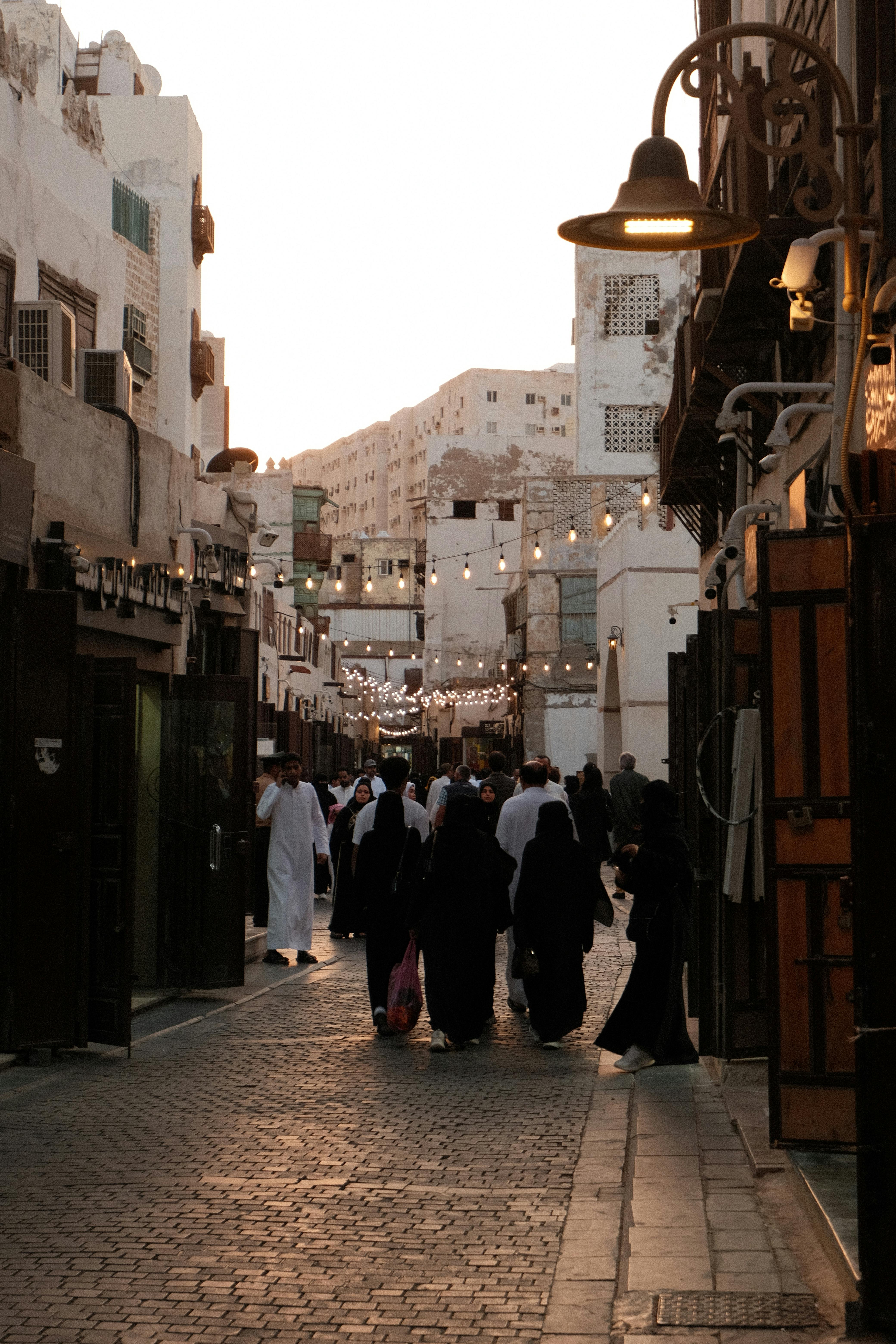
Explorez la culture du café saoudien : cérémonies de Qahwa, régions caféières et cafés de spécialité à Riyadh et Jeddah. Un voyage sensoriel unique.
L'essentiel à retenir
- Saudi gahwa (Arabic coffee) is flavored with cardamom and saffron — served in small cups with dates
- Al-Qahwa ceremony is a core hospitality ritual — shake the cup side to side when you have had enough
- Riyadh and Jeddah specialty coffee scenes rival Melbourne and Tokyo with world-class roasters
- Top Riyadh roasters: Five Elephants, Elixir Bunn, Brew92. Top Jeddah: Camel Step, Brew92 Tahlia
- Saudi Arabia is now the fastest-growing specialty coffee market in the Middle East
Un héritage brassé au fil des siècles
Le café et la péninsule Arabique partagent une histoire d'origine qui précède la culture mondiale des cafés de plusieurs centaines d'années. Si l'Éthiopie est reconnue comme le berceau du caféier, c'est au Yémen et dans l'ensemble de la péninsule Arabique que le café a été torréfié, infusé et élevé au rang de rituel social pour la première fois. Au XVe siècle, les cafés – connus sous le nom de maqha – étaient devenus des centres d'échange intellectuel à travers le Hejaz, et la tradition de servir le Qahwa (café arabe) était devenue indissociable du concept même d'hospitalité.
Ayant exploré cette région de première main, je peux affirmer avec confiance que la culture du café saoudien : de l'ancien qahwa aux infusions de spécialité modernes est l'une de ces destinations qui dépasse véritablement les attentes. Le mélange d'héritage et de modernité ici est quelque chose que vous devez voir pour le croire.
En 2015, l'UNESCO a inscrit la préparation et le service du café arabe au patrimoine culturel immatériel de l'humanité, reconnaissant ce que les Saoudiens savent depuis des générations : le café n'est pas seulement une boisson ici, mais un langage d'accueil, de respect et de lien social. L'emblématique Dallah (la cafetière à long bec) orne même la monnaie saoudienne et les monuments publics, faisant du café un symbole national.
Comment le Qahwa traditionnel est préparé
Le Qahwa saoudien traditionnel ressemble peu aux boissons à base d'espresso familières aux buveurs de café occidentaux. La préparation est délibérée, aromatique et profondément rituelle.
Les grains de café verts – les plus prisés sont la variété Khawlani des hauts plateaux de Jazan et Asir – sont légèrement torréfiés sur une flamme nue jusqu'à ce qu'ils deviennent dorés, jamais le brun foncé des torréfactions commerciales. Cette torréfaction légère préserve le profil de saveur délicat et herbacé du grain. Les grains torréfiés sont ensuite moulus à l'aide d'un mortier et d'un pilon en laiton traditionnels appelés mihbaj, le martèlement rythmique étant lui-même une forme d'annonce que le café est préparé pour les invités.
Le café moulu est bouilli avec de l'eau dans une Dallah, souvent avec l'ajout de cardamome – l'épice signature qui définit le café saoudien. Des variations régionales ajoutent du safran, des clous de girofle ou du gingembre séché. L'infusion est filtrée et servie dans de petites tasses sans anse appelées finjal, remplies seulement au quart ou au tiers – une marque de raffinement, garantissant que le café reste chaud et que l'hôte puisse continuer à offrir des recharges.
La cérémonie du café : étiquette et signification
La cérémonie du café saoudien suit un code précis d'hospitalité connu sous le nom de hafawah. Comprendre ces coutumes enrichit l'expérience de tout visiteur et témoigne d'un profond respect pour la culture.
- Ordre de service : Le café est toujours servi d'abord à l'invité le plus âgé ou le plus honoré, puis il circule vers la droite autour de l'assemblée.
- Main droite : L'hôte verse et sert de la main droite ; l'invité reçoit de la main droite. C'est une étiquette universelle dans les cultures du Golfe.
- Petites quantités : Le finjal n'est rempli qu'au quart. Une tasse pleine est considérée comme une insulte – un signal pour l'invité de boire et de partir.
- Recharges : L'hôte continuera à offrir des recharges. Pour signaler que vous avez eu assez, secouez ou inclinez doucement le finjal vide d'un côté à l'autre.
- Service debout : Traditionnellement, l'hôte reste debout pendant qu'il verse, un geste d'attention et de respect.
- Accompagnements : Le Qahwa est presque toujours servi avec des dattes – la douceur des dattes complète parfaitement le café amer et parfumé à la cardamome.
Pour une exploration plus approfondie des rituels de la cérémonie et de la signification de son patrimoine UNESCO, consultez notre guide dédié au rituel du café saoudien.
Célèbres régions productrices de café
L'Arabie Saoudite est l'un des rares pays de la péninsule Arabique à cultiver réellement le café, et ses régions de culture sont en train d'acquérir une reconnaissance internationale.
Hauts plateaux de Jazan
Les terrasses montagneuses de la province de Jazan, en particulier autour des districts d'Al Dayer et de Fayfa, produisent le célèbre café Khawlani. Cultivés à des altitudes de 1 200 à 2 000 mètres, ces grains bénéficient des conditions brumeuses de la montagne, du sol volcanique et d'un savoir-faire agricole séculaire transmis de génération en génération. Le café Khawlani a reçu sa propre certification d'Indication Géographique (IG), protégeant son origine et sa qualité. Les grains sont prisés pour leur corps léger, leur arôme floral et leurs notes fruitées distinctives.
Région d'Asir
Les régions montagneuses autour d'Abha et des montagnes d'Asir soutiennent également la culture du café. Les fermes en terrasses de la région, accrochées aux flancs de montagnes spectaculaires, produisent des grains avec un profil de saveur légèrement différent – souvent décrit comme plus terreux et plus corsé que les variétés de Jazan. Le programme Vision 2030 du gouvernement saoudien a investi de manière significative dans l'expansion de l'agriculture du café dans les deux régions, visant à augmenter la production d'environ 800 tonnes par an à plusieurs milliers.
Al Baha
La région d'Al Baha, située entre Asir et le Hejaz, contribue à une part plus petite mais notable de la production de café saoudien. Ses fermes en terrasses et ses méthodes de séchage traditionnelles produisent des grains de plus en plus recherchés par les torréfacteurs de spécialité saoudiens.
La révolution moderne du café de spécialité
Alors que le Qahwa traditionnel reste la pierre angulaire de l'identité du café saoudien, le Royaume est simultanément devenu l'un des marchés de café de spécialité les plus dynamiques du Moyen-Orient. L'Arabie Saoudite se classe parmi les plus grands consommateurs de café par habitant au monde, et une génération de baristas, torréfacteurs et entrepreneurs saoudiens a bâti une scène de cafés qui rivalise avec Londres, Melbourne ou Tokyo.
Plusieurs facteurs ont alimenté cette croissance : une population jeune et connectée au monde (70 % des Saoudiens ont moins de 35 ans), l'assouplissement des normes de rassemblement social et l'accent mis par Vision 2030 sur le divertissement et le style de vie. Le résultat est une culture du café qui allie harmonieusement le respect de la tradition du Qahwa aux techniques de café de troisième vague de pointe.
Les meilleurs cafés de Riyad
La scène des cafés de Riyad a explosé ces dernières années, avec des cafés de spécialité occupant désormais tous les quartiers, du quartier historique de Dira aux boulevards modernes du nord de Riyad.
- Barn's Coffee : L'un des torréfacteurs de spécialité pionniers d'Arabie Saoudite, avec plusieurs emplacements dans la capitale. Connu pour ses grains saoudiens d'origine unique et son service de versement méticuleux.
- Elixir Bunn : Un café concept qui relie le Qahwa traditionnel aux méthodes de brassage de spécialité, offrant des dégustations qui retracent le spectre des saveurs, du Khawlani aux origines éthiopiennes et colombiennes.
- Camel Step Coffee Roasters : Une marque saoudienne locale qui s'approvisionne directement auprès des agriculteurs de Jazan et torréfie sur place. Leur espace phare à Riyad est une leçon magistrale de narration sur le café saoudien.
- Five Elephants : Apportant la philosophie de torréfaction berlinoise à Riyad, ce café est devenu un favori de la communauté créative de la capitale.
- Drib Coffee : Connu pour son esthétique minimaliste et son programme exceptionnel de café filtre, Drib est devenu synonyme de l'identité du café moderne de Riyad.
Les meilleurs cafés de Djeddah
Djeddah, avec son héritage cosmopolite et son énergie de la mer Rouge, offre une scène de cafés plus détendue et éclectique que celle de la capitale.
- Brew92 : Peut-être le torréfacteur de spécialité le plus reconnu internationalement d'Arabie Saoudite, Brew92 exploite un magnifique fleuron à Djeddah avec une installation de torréfaction visible pour les clients. Leur origine unique de Jazan est exceptionnelle.
- Rovelo Café : Niché dans le quartier historique d'Al Balad, Rovelo associe un café de spécialité au charme atmosphérique de l'architecture en pierre de corail et des fenêtres à treillis.
- % Arabica : La marque née à Kyoto a trouvé un foyer naturel à Djeddah, avec un emplacement en bord de mer sur la Corniche offrant un espresso avec vue sur la mer Rouge.
- Café Bateel : Combinant les meilleures dattes d'Arabie Saoudite avec un café préparé de manière experte, Bateel représente le mariage parfait des deux saveurs saoudiennes les plus emblématiques.
Café et cuisine saoudienne
Le café est indissociable de la culture culinaire saoudienne. Les repas se terminent traditionnellement par du Qahwa et des dattes, et de nombreux plats régionaux sont conçus pour compléter le profil amer et aromatique du café. Pour une exploration plus large des traditions culinaires saoudiennes — du Kabsa et du Jareesh aux scènes de cuisine de rue de Djeddah et de Riyad — consultez notre guide de la cuisine et de la gastronomie.
L'accord du café Khawlani avec les dattes Ajwa de Médine est considéré comme l'une des grandes combinaisons de saveurs de la gastronomie arabe — la douceur intense et les notes de caramel des dattes équilibrant l'amertume légère et épicée à la cardamome du café.
💡 Conseils d'initiés
- Visitez tôt le matin pour moins de monde et des températures confortables.
- Téléchargez l'application Saudi Tourism pour des mises à jour en temps réel sur les événements et les attractions.
- Ayez de l'argent liquide pour les petits vendeurs, bien que la plupart des endroits acceptent les cartes.
- Habillez-vous modestement dans les espaces publics — des vêtements légers et amples conviennent le mieux à la chaleur.
Vivre la culture du café en tant que visiteur
Pour les voyageurs, s'engager dans la culture du café saoudien est l'un des moyens les plus authentiques et accessibles de se connecter à l'héritage du Royaume. Assistez à une cérémonie traditionnelle du café dans un village patrimonial, visitez un torréfacteur de spécialité pour déguster des grains Khawlani à leur source, ou acceptez simplement le petit finjal offert dans chaque hall d'hôtel, entrée de musée et maison familiale. En Arabie Saoudite, le café est toujours une invitation — à s'asseoir, à parler, à appartenir, même brièvement, à une tradition qui a accueilli des étrangers pendant cinq cents ans.
Réflexions finales
La culture du café saoudien : du Qahwa ancien aux infusions de spécialité modernes est un témoignage de la remarquable transformation de l'Arabie Saoudite sous Vision 2030. Que vous recherchiez l'histoire ancienne, des aventures pleines d'adrénaline ou une hospitalité de classe mondiale, cette destination tient toutes ses promesses. N'attendez pas — le Royaume évolue rapidement, et il n'y a jamais eu de meilleur moment pour visiter.
Foire aux questions
Quelle est la meilleure période pour visiter ?
D'octobre à mars offre le temps le plus agréable. Les températures sont douces et parfaites pour les visites touristiques. Évitez de juin à août, sauf si vous visitez les zones côtières.
Ai-je besoin d'un visa ?
Les citoyens de plus de 49 pays peuvent obtenir un e-Visa touristique en ligne en quelques minutes. Le processus est simple via le portail officiel des visas saoudiens.
La culture du café saoudien : de l'ancienne Qahwa aux infusions de spécialité modernes est-elle adaptée aux familles ?
Oui ! L'Arabie Saoudite a beaucoup investi dans les divertissements familiaux, les parcs et les expériences culturelles adaptés à tous les âges.
Que dois-je porter ?
Une tenue modeste est attendue en public. Les tissus légers et respirants sont les plus appropriés. Les femmes n'ont plus besoin de porter une abaya, mais les épaules et les genoux doivent être couverts.
Avez-vous déjà visité l'Arabie Saoudite ? Partagez votre expérience, vos lieux préférés et vos conseils de voyage dans les commentaires ci-dessous — vos idées aident les autres voyageurs à mieux planifier leurs séjours !
Planifiez votre aventure saoudienne
Prêt à découvrir le Royaume ? Notre planificateur de voyage alimenté par l'IA crée des itinéraires personnalisés en fonction de vos intérêts, de votre budget et de vos dates de voyage. Du panorama de Riyad aux tombes antiques d'AlUla — laissez-nous vous aider à découvrir l'Arabie Saoudite à votre manière.
Questions fréquentes
- What is traditional Saudi qahwa and how is it served?
- Qahwa is an aromatic Arabic coffee made from lightly roasted beans with cardamom, saffron, and rose water. It's traditionally served in small cups without sugar, often accompanied by dates, and is central to Saudi hospitality customs during social gatherings and business meetings.
- Is Saudi coffee always served with cardamom?
- While cardamom is the signature spice in Saudi qahwa, regional variations exist—some preparations include cloves or saffron instead. Modern Saudi specialty coffee shops now offer international blends alongside traditional recipes.
- What's the etiquette for drinking Saudi coffee as a guest?
- Accept the small cup with your right hand and take at least a sip—refusing is considered disrespectful. Three cups is customary before you can politely decline by shaking the cup side-to-side. Never leave the cup on the ground.
- Where can tourists experience authentic Saudi coffee culture?
- Traditional coffee houses (qahwah) throughout Riyadh, Jeddah, and Abha offer authentic preparations, while luxury hotels and specialty roasters in malls serve modern Saudi-fusion blends. Local markets like Balad in Jeddah showcase historic coffee trading heritage.