Ramadan 2026 en Saudi Arabia : Le Guide de Voyage Complet
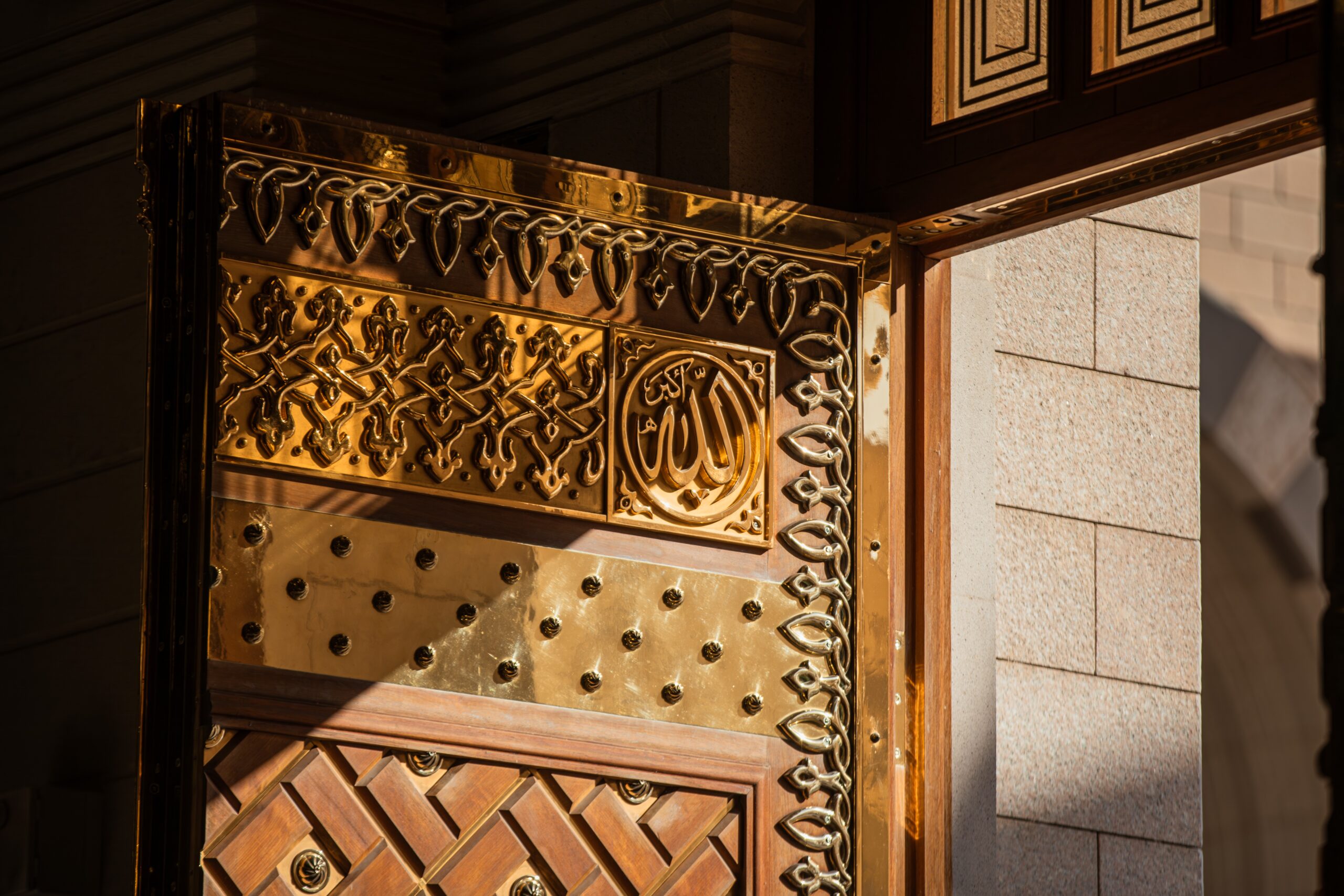
Découvrez le Ramadan 2026 en Saudi Arabia : dates, conseils de voyage, étiquette culturelle et expériences spirituelles uniques à Mecca et Medina.
L'essentiel à retenir
- Ramadan 2026 began 18 February and ran 30 days, ending with Eid al-Fitr on 20 March 2026. Ramadan 2027 is expected to begin around 8 February 2027 -- confirm via the Saudi Supreme Court's moon-sighting announcement 1-2 days before.
- During Ramadan, restaurants and cafes are closed from Fajr (~05:30) to Iftar (~18:15 in February) -- non-Muslim visitors must not eat, drink, or smoke in public during daylight hours; hotels provide private dining room access.
- Tarawih prayers after Isha in Masjid al-Haram run until midnight; the mosque fills beyond capacity in the final 10 nights (Laylat al-Qadr period) -- arrive 2+ hours before Isha if visiting during the last ashra.
- Shopping mall hours shift dramatically: most malls open 10:00-14:00, close, then reopen 21:00-02:00; Riyadh Season night markets in Diriyah have run similar late hours in recent Ramadans.
- Flights and hotels in Jeddah, Madinah, and Makkah book out 3-4 months ahead for Ramadan -- the final 10 nights (around 10-19 March for the 2026 dates) command peak pricing of SAR 1,500-4,000/night near the Haramayn.
Pourquoi le Ramadan est essentiel — Dans le monde et en Saudi Arabia
Le Ramadan est souvent décrit, de manière trop simpliste, comme un mois de jeûne. En réalité, il s'agit d'une réorganisation complète du temps, de l'attention et de l'intention pour plus d'un milliard de musulmans à travers le monde. Les journées ralentissent. Les nuits s'animent. Les routines ordinaires sont suspendues et remplacées par un rythme à la fois profondément spirituel et communautaire. Le Ramadan ne s'observe pas seulement — il se vit. En 2026, alors que la Saudi Arabia continue de s'ouvrir au monde en tant que destination de culture, de patrimoine et de voyage, comprendre le Ramadan devient plus important que jamais. Non seulement pour les musulmans qui observent ce mois, mais aussi pour les visiteurs, les professionnels et les voyageurs qui souhaitent s'engager de manière respectueuse et significative avec la société saoudienne durant l'une des périodes les plus importantes de l'année. Ce guide est conçu précisément pour cela : expliquer ce qu'est réellement le Ramadan, comment il est pratiqué, et pourquoi le vivre en Saudi Arabia offre une perspective unique au monde.Le Ramadan comme cadre spirituel, non comme une simple liste de rituels
À la base, le Ramadan est une question de discipline de soi. Le jeûne de l'aube au coucher du soleil — s'abstenir de manger, de boire et d'intimité conjugale — en est l'aspect le plus visible, mais ce n'en est pas l'essence. La jurisprudence islamique (fiqh) est claire sur ce point : jeûner sans retenue éthique, sans réflexion sur soi et sans conduite morale est incomplet. Le Ramadan est censé aiguiser la conscience : - Conscience du temps - Conscience de la faim et de la dépendance - Conscience du comportement, de la parole et de l'intention C'est pourquoi les musulmans sont encouragés non seulement à s'abstenir de manger et de boire, mais aussi à éviter les médisances, la colère, l'arrogance et les excès. Le jeûne est à la fois physique et moral. La Saudi Arabia, berceau de l'Islam et terre d'accueil de ses deux villes les plus saintes (Mecca et Medina), met un accent particulier sur cette compréhension holistique. Le mois n'est pas perçu comme un défi individuel, mais comme un recalibrage moral collectif de la société.Un mois qui transforme la vie quotidienne
L'un des aspects les plus frappants du Ramadan — surtout pour ceux qui le découvrent pour la première fois — est la manière dont il remodèle intégralement la vie quotidienne. Pour une planification essentielle avant votre voyage, consultez les exigences de voyage pour la Saudi Arabia. Dans tout le monde musulman, les horaires de travail changent, la vie sociale se déplace vers la nuit et les villes adoptent un rythme diurne plus lent. En Saudi Arabia, cette transformation est particulièrement visible. Les institutions gouvernementales, les écoles, les mosquées, les centres commerciaux et même les schémas de circulation s'adaptent au rythme du jeûne et des prières nocturnes. Pourtant, malgré ces changements, le Ramadan n'est pas un temps de retrait. Au contraire, c'est un mois profondément social. Les familles se réunissent chaque soir pour rompre le jeûne ensemble. Les mosquées débordent de fidèles. Les actes de charité deviennent publics et collectifs. La nourriture est partagée généreusement, souvent avec des inconnus. Pour bien comprendre le Ramadan, il faut donc dépasser l'idée de privation. Le Ramadan ne se définit pas par ce qui est retenu, mais par ce qui est intensifié : la prière, la générosité, l'hospitalité et la réflexion.Pourquoi la Saudi Arabia occupe une place unique durant le Ramadan
Bien que le Ramadan soit observé dans le monde entier, la Saudi Arabia occupe une position singulière dans l'imaginaire islamique — et particulièrement durant ce mois. Mecca et Medina ne sont pas des capitales symboliques ; ce sont des centres de culte actifs et vivants. Pendant le Ramadan, des millions de personnes se rassemblent à la Grande Mosquée de Mecca et à la Mosquée du Prophète à Medina pour prier, rompre le jeûne et passer de longues nuits en adoration. Pour les musulmans, il ne s'agit pas d'une simple visite — c'est l'aboutissement d'une aspiration spirituelle. Explorez nos guides sur Mecca et Medina pour des informations détaillées. Mais l'importance de la Saudi Arabia pendant le Ramadan s'étend au-delà de ces villes sacrées. Dans tout le Royaume, le Ramadan est traité comme une période d'alignement national sur les valeurs religieuses : - Les horaires de travail sont ajustés par la loi (pour les types de visas et les règles de travail, voir le guide des visas pour la Saudi Arabia) - Le comportement public reflète une plus grande décence - Les initiatives caritatives se multiplient à tous les niveaux de la société - Les médias, la publicité et le divertissement s'adaptent au ton du mois Cela crée un environnement où le Ramadan n'est pas seulement observé en privé, mais exprimé collectivement. Pour les visiteurs, cela signifie que le Ramadan en Saudi Arabia n'est pas quelque chose qui se passe « en arrière-plan ». C'est le principe organisateur de la vie quotidienne.Ramadan 2026 : Pourquoi cette année est importante
Le Ramadan suit le calendrier lunaire islamique, ce qui signifie qu'il avance d'environ dix à onze jours chaque année grégorienne. En 2026, le Ramadan devrait tomber plus tôt au printemps (voir notre guide sur le meilleur moment pour visiter la Saudi Arabia pour le contexte saisonnier), ce qui influencera les heures d'ensoleillement, les conditions climatiques et la planification des voyages. Cela importe pour plusieurs raisons : - Les heures de jeûne seront modérées par rapport aux Ramadans d'été - Les conditions météorologiques seront plus confortables dans de nombreuses régions - Le Ramadan coïncidera avec une saison touristique de plus en plus active Alors que la Saudi Arabia continue d'accueillir des visiteurs internationaux, le Ramadan 2026 représente un moment où la tradition religieuse et la curiosité mondiale se croisent plus visiblement que jamais.À qui s'adresse ce guide
Ce rapport approfondi est rédigé pour : - Les voyageurs envisageant de visiter la Saudi Arabia pendant le Ramadan - Les non-musulmans cherchant une explication claire et respectueuse - Les musulmans recherchant un contexte spécifique à la Saudi Arabia - Les professionnels travaillant avec des partenaires ou des institutions saoudiennes - Quiconque souhaite comprendre le Ramadan au-delà des gros titres et des stéréotypes L'objectif n'est pas d'instruire une croyance, mais d'apporter de la clarté. Non pas de romantiser, mais d'expliquer. Et non pas de généraliser, mais de montrer comment le Ramadan est réellement vécu — particulièrement en Saudi Arabia. ---Qu'est-ce que le Ramadan ? — Origines, signification et calendrier lunaire
La signification du Ramadan
Pour bien comprendre le Ramadan, il faut s'éloigner des hypothèses modernes sur l'« observance religieuse » et revenir à son cadre d'origine. Le Ramadan n'est pas une tradition saisonnière ajoutée à l'Islam ; c'est l'un des piliers structurels sur lesquels repose la vie islamique. Sa signification est à la fois théologique, juridique, historique et expérientielle. Le mot Ramadan vient de la racine arabe *ramad*, associée à la chaleur intense et à la sécheresse. Les érudits classiques interprétaient cela non seulement comme une référence climatique, mais comme une métaphore : le Ramadan est le mois où les péchés sont « brûlés » par la retenue, le repentir et une autodiscipline consciente. Dans la théologie islamique, le Ramadan est le mois au cours duquel le Coran a été révélé pour la première fois. Cela seul l'élève au-dessus de tous les autres mois du calendrier islamique. Jeûner pendant le Ramadan n'est donc pas une habitude culturelle, mais une réponse directe à une instruction divine, explicitement mentionnée dans le Coran comme une obligation pour les croyants, avec des exemptions et des objectifs éthiques clairement définis. Il est important de noter que le Ramadan n'est pas présenté comme une punition ou un retrait ascétique. La jurisprudence islamique souligne constamment l'équilibre : le jeûne est destiné à cultiver l'empathie, l'humilité et la conscience — et non à causer un préjudice physique ou un isolement social.Le jeûne (Ṣawm) comme acte juridique et spirituel
D'un point de vue du fiqh, le jeûne (ṣawm) pendant le Ramadan est un acte juridique précis avec des conditions spécifiques : - Il commence à l'aube véritable (fajr) - Il se termine au coucher du soleil (maghrib) - Il nécessite une intention (niyyah) - Il inclut l'abstention de nourriture et de boisson, de relations sexuelles et d'actions qui invalident délibérément le jeûne Cependant, la loi islamique est tout aussi explicite sur la miséricorde. Ceux qui sont malades, en voyage, enceintes, qui allaitent, les personnes âgées ou toute personne incapable de jeûner ne sont pas moralement diminués. Au lieu de cela, des formes alternatives de compensation ou d'exemption sont prévues, renforçant un principe islamique central : les obligations sont proportionnelles aux capacités.Le Ramadan et le calendrier lunaire islamique
L'un des aspects les plus mal compris du Ramadan est son calendrier. L'Islam suit un calendrier lunaire pur, composé de douze mois de 29 ou 30 jours. Contrairement au calendrier grégorien, il n'est pas synchronisé avec l'année solaire. Par conséquent, le Ramadan avance d'environ dix à onze jours chaque année. Cela a plusieurs implications importantes : - Le Ramadan peut avoir lieu en n'importe quelle saison - Les heures de jeûne diurne changent chaque année - Les conditions climatiques varient considérablement d'une année à l'autre En 2026, le Ramadan devrait tomber plus tôt dans l'année que lors des étés récents, ce qui se traduira par des heures de jeûne plus courtes et des températures plus clémentes — un facteur qui affecte considérablement la vie quotidienne et les conditions de voyage en Saudi Arabia.L'observation de la lune : Pourquoi les dates ne sont jamais absolues
Le début du Ramadan n'est pas déterminé par le seul calcul astronomique. Il est traditionnellement confirmé par l'observation réelle de la lune, une pratique ancrée dans la tradition prophétique et toujours suivie en Saudi Arabia. Cela signifie : - La date de début officielle est confirmée peu avant le début du Ramadan - Différents pays peuvent commencer à des jours différents - L'annonce de la Saudi Arabia est largement suivie, mais n'est pas universellement contraignante Pour les voyageurs et les organisateurs, cela introduit un degré de flexibilité nécessaire. Bien que les dates prévues soient utiles pour la préparation, la confirmation finale dépend toujours des annonces officielles. ---Dates du Ramadan 2026, observation de la lune et calendrier
Dates prévues pour le Ramadan 2026
Selon les projections astronomiques, le Ramadan en 2026 devrait commencer vers la mi-février ou la fin février et se terminer environ 29 ou 30 jours plus tard, suivi immédiatement par l'Eid al-Fitr. Toutefois, ces dates restent provisoires jusqu'à leur confirmation officielle. La Saudi Arabia, comme de nombreux pays à majorité musulmane, ne se fie pas uniquement aux calculs. Elle suit un processus juridique et religieux établi de longue date qui donne la priorité à l'observation réelle de la lune.Comment fonctionne l'observation de la lune en Saudi Arabia
En Saudi Arabia, l'observation du croissant de lune est à la fois un acte religieux et un événement national. La 29e nuit du mois islamique précédent, des observateurs désignés tentent d'apercevoir la nouvelle lune. Les rapports sont examinés par les autorités religieuses et une annonce officielle est publiée peu après. Cette annonce détermine si le lendemain marque le début du Ramadan ou si le mois en cours se termine à 30 jours.Ce que le calendrier du Ramadan 2026 signifie en pratique
Le Ramadan 2026 devant tomber plus tôt dans l'année que les récentes observances estivales, plusieurs implications pratiques en découlent : - Des heures de jeûne plus courtes par rapport aux Ramadans de plein été - Des températures plus clémentes, particulièrement dans les régions centrales et septentrionales - Un plus grand confort pour les résidents et les visiteurs - Un fonctionnement diurne plus actif, malgré la réduction des heures de travail Pour la Saudi Arabia, cela crée un Ramadan exigeant mais équilibré — spirituellement intense sans la fatigue physique extrême associée aux longs et chauds jeûnes d'été.La fin du Ramadan et l'arrivée de l'Eid al-Fitr
Le Ramadan s'achève avec l'observation du croissant de lune suivant, marquant le début de l'Eid al-Fitr, la fête de la rupture du jeûne. Cette transition est immédiate et spectaculaire : - Le jeûne prend fin - Les prières du matin marquent le premier jour de l'Eid - Les familles se réunissent pour célébrer - Les villes passent de la retenue à la festivité En Saudi Arabia, l'Eid est un jour férié et les préparatifs commencent plusieurs jours à l'avance. Les achats s'intensifient, les maisons sont préparées et les voyages atteignent leur apogée. Pour les visiteurs, le contraste entre les derniers jours du Ramadan et le premier jour de l'Eid est l'une des expériences les plus marquantes de tout le mois. ---Les règles du jeûne — Qui doit jeûner, qui est exempté et ce qui rompt le jeûne
Le jeûne pendant le Ramadan est souvent réduit, dans le discours populaire, à une règle simple : pas de nourriture ni de boisson du lever au coucher du soleil. En réalité, le jeûne est un acte juridique et spirituel soigneusement défini par la jurisprudence islamique, régi par l'intention, l'éligibilité et la conduite éthique.Qui est obligé de jeûner pendant le Ramadan
D'un point de vue du fiqh, le jeûne pendant le Ramadan est obligatoire pour les musulmans qui remplissent les conditions suivantes : - Ils ont atteint la puberté - Ils sont sains d'esprit - Ils sont physiquement capables de jeûner - Ils ne voyagent pas dans des conditions permettant l'exemption Cette obligation n'est pas imposée par la contrainte, mais par la responsabilité morale. En Saudi Arabia, comme dans la plupart des sociétés musulmanes, le jeûne est compris comme un acte d'adoration personnel, même s'il est socialement visible.Exemptions légitimes : La miséricorde au sein de la loi
L'un des aspects les plus significatifs de la loi islamique est sa prise en compte des limites humaines. Le jeûne est obligatoire, mais jamais au détriment de la santé ou de la dignité. Les personnes exemptées incluent : - Les malades, si le jeûne aggrave leur état - Les voyageurs effectuant un trajet répondant aux critères juridiques - Les femmes enceintes ou allaitantes, si le jeûne présente un risque - Les personnes âgées, si le jeûne est physiquement préjudiciable Dans de tels cas, la loi islamique prévoit des alternatives : rattraper les jeûnes manqués plus tard, offrir des repas aux nécessiteux ou d'autres actes compensatoires, selon la situation.Le rôle de l'intention (Niyyah)
Contrairement à de nombreux actes physiques, le jeûne est invalide sans intention. L'intention (niyyah) est une décision interne et consciente de jeûner pour le Ramadan. Elle ne nécessite pas de déclaration verbale, d'annonce publique ou de formule ritualisée. Ce qui compte, c'est la clarté de l'objectif.Ce qui rompt le jeûne — Et les idées reçues courantes
La jurisprudence islamique est précise sur ce qui invalide un jeûne. Les principales causes d'invalidation sont des actions délibérées entreprises en toute conscience pendant les heures de jeûne. Celles-ci incluent : - Manger ou boire intentionnellement - Les relations sexuelles - Introduire délibérément des nutriments dans le corps Cependant, de nombreux « éléments de rupture » supposés sont des idées reçues. Par exemple : - Manger ou boire accidentellement ne rompt pas le jeûne - Avaler sa salive ne rompt pas le jeûne - Les actions involontaires ne sont pas comptabiliséesAu-delà de l'abstention : La conduite éthique pendant le jeûne
D'une perspective jurisprudentielle et spirituelle plus profonde, le jeûne ne se limite pas à l'abstention physique. Les enseignements islamiques classiques soulignent que : - La colère mine l'objectif du jeûne - La médisance et la malhonnêteté contredisent son intention - Les comportements d'exploitation annulent sa valeur morale Cette dimension éthique est particulièrement visible dans la société saoudienne pendant le Ramadan. Le discours public devient plus calme. Les interactions sociales tendent à être plus patientes. Les démonstrations de générosité augmentent. ---Pratiques spirituelles pendant le Ramadan — Prière, Coran, charité et dimension intérieure
Bien que le jeûne soit l'aspect le plus visible de l'extérieur, il n'est qu'une composante d'une architecture spirituelle plus large. La prière, la récitation du Coran, la charité et la réflexion intérieure sont tout aussi centrales.Les cinq prières quotidiennes — Ancrer la journée
Les musulmans sont tenus de prier cinq fois par jour tout au long de l'année. Pendant le Ramadan, ces prières prennent un poids supplémentaire. Chaque prière ancre un segment de la journée et offre des points d'arrêt naturels au milieu du jeûne. Pour beaucoup, la discipline de la prière régulière complète celle du jeûne, se renforçant mutuellement.Taraweeh — La prière nocturne du Ramadan
La pratique la plus distinctive du Ramadan est peut-être la prière du taraweeh, effectuée uniquement pendant les nuits de ce mois. Après la prière nocturne obligatoire (isha), les musulmans se rassemblent — souvent dans les mosquées — pour effectuer des cycles prolongés de prières volontaires. Des portions du Coran sont récitées à haute voix et, au cours du mois, l'intégralité du texte est achevée dans de nombreuses mosquées. En Saudi Arabia, le taraweeh est au cœur de la vie du Ramadan : - Les mosquées sont pleines à craquer - La récitation est diffusée publiquement - Les familles y assistent souvent ensemble Cette pratique crée un point focal nocturne, attirant les musulmans vers un culte communautaire après la fin du jeûne de la journée.Récitation et connexion au Coran
Le Ramadan est profondément associé au Coran, non seulement parce qu'il a été révélé ce mois-là, mais parce que sa récitation y est intensifiée. De nombreux musulmans se fixent pour objectif personnel de terminer une lecture complète du Coran pendant le Ramadan. D'autres se concentrent sur la compréhension, la réflexion ou la mémorisation. Quoi qu'il en soit, le Coran occupe un rôle accru dans la vie quotidienne.Les dix dernières nuits — À la recherche de Laylat al-Qadr
Les dix dernières nuits du Ramadan sont traitées avec une intensité particulière. Parmi elles se trouve Laylat al-Qadr — la Nuit du Destin — que le Coran décrit comme « meilleure que mille mois ». La date précise est inconnue, ce qui encourage une dévotion soutenue tout au long du dernier tiers du mois. Durant ces nuits : - Les mosquées restent ouvertes plus tard - Les prières nocturnes deviennent plus longues - La fréquentation augmente considérablement - De nombreux fidèles passent la nuit entière à la mosquéeCharité (Zakat et Sadaqah) : L'éthique sociale du Ramadan
La charité est une composante essentielle du Ramadan, fondée à la fois sur une obligation légale et une urgence morale. Deux formes sont particulièrement proéminentes : - Zakat, une aumône annuelle obligatoire pour les musulmans éligibles - Sadaqah, une charité volontaire donnée librement En Saudi Arabia, cet accent est très visible : - Des repas d'iftar gratuits sont distribués quotidiennement - Les mosquées et les organisations caritatives étendent leurs opérations - Les actes de générosité sont normalisés plutôt qu'exceptionnels ---La vie quotidienne pendant le Ramadan en Saudi Arabia
Pour vraiment comprendre le Ramadan en Saudi Arabia, il faut observer non seulement ce que les gens croient, mais comment le temps lui-même est réorganisé.Le rythme diurne : Plus lent, plus calme, intentionnel
Pendant les heures de clarté du Ramadan, la Saudi Arabia avance à un rythme nettement plus doux. Comme la majorité de la population jeûne, l'énergie est conservée plutôt que dépensée. Il ne s'agit pas de paresse ou d'inefficacité ; c'est une adaptation consciente aux exigences du jeûne. En termes pratiques : - Les bureaux gouvernementaux fonctionnent avec des horaires réduits - De nombreuses entreprises ouvrent plus tard ou ferment plus tôt - Les réunions sont plus courtes et plus ciblées - L'activité sociale diurne est limitéeTravail et vie institutionnelle pendant le Ramadan
La réglementation du travail saoudienne impose une réduction du temps de travail pendant le Ramadan. Cela s'applique à tous les secteurs, y compris l'administration publique et l'entreprise privée. Pour les professionnels traitant avec des homologues saoudiens pendant le Ramadan, cela signifie : - Des attentes ajustées concernant les délais de réponse - Moins de réunions pendant les heures de jeûne - Une disponibilité accrue après le coucher du soleilL'anticipation du coucher du soleil : L'iftar comme pivot quotidien
À l'approche du coucher du soleil, l'atmosphère change. La circulation augmente à mesure que les gens rentrent chez eux ou se dirigent vers les mosquées. Les magasins se préparent pour la réouverture du soir. Les familles finalisent les repas. Il y a une attention partagée pour le moment exact où le jeûne sera rompu. L'appel à la prière du coucher du soleil (maghrib) marque une libération quotidienne — pas seulement de la faim, mais de la retenue. L'iftar, le repas qui rompt le jeûne, est pris au sérieux, mais rarement avec excès. La tradition privilégie la simplicité : dattes, eau, soupe, suivies d'un repas plus substantiel plus tard.Le quart de nuit : Quand les villes s'animent
Après l'iftar, les villes saoudiennes subissent une transformation remarquable.
À retenir : Le Ramadan transforme la vie quotidienne — la journée est calme et propice à la réflexion, tandis que les nuits s'animent avec des dîners, du shopping et des rencontres sociales jusqu'aux premières heures du matin.
Les magasins rouvrent, parfois jusqu'au petit matin. Les centres commerciaux deviennent des espaces sociaux. Les cafés se remplissent. Les rues bourdonnent de conversations. Les familles se rendent visite. Les enfants jouent tard dans la nuit.
Cette énergie nocturne est l'une des caractéristiques marquantes du Ramadan dans le Royaume. La vie ne s'arrête pas ; elle migre.
---
Le Ramadan à Mecca et Medina — L'épicentre spirituel
Si le Ramadan est le cœur spirituel de l'année islamique, alors Mecca et Medina en sont les pulsations.Mecca pendant le Ramadan : Une adoration sans interruption
À Mecca, le Ramadan gravite autour de la Grande Mosquée et de la Kaaba. Dès la première nuit du Ramadan, la mosquée fonctionne dans un mouvement quasi constant : - Les prières quotidiennes attirent d'immenses congrégations - Les prières du taraweeh remplissent tous les niveaux de la mosquée - Des repas d'iftar sont distribués quotidiennement à l'intérieur et autour de la mosquée - Les prières nocturnes se prolongent jusque tard dans la nuitL'iftar à la Grande Mosquée : La simplicité à grande échelle
L'une des images les plus emblématiques du Ramadan à Mecca est l'iftar communautaire à l'intérieur de la Grande Mosquée. Des rangées de fidèles sont assis sur les sols de marbre tandis que des bénévoles distribuent des dattes, de l'eau et des repas simples. Il n'y a pas de hiérarchie, pas de section VIP, pas de spectacle. L'accent est mis sur l'uniformité et l'humilité.Medina pendant le Ramadan : Révérence et contemplation
Alors que Mecca est marquée par l'ampleur et l'intensité, Medina offre une atmosphère de Ramadan différente, plus contemplative. Les caractéristiques clés incluent : - Une dynamique de foule plus calme par rapport à Mecca - Des périodes prolongées de réflexion silencieuse - Un attachement émotionnel profond au lieu - Un fort sentiment de continuité historique ---Le Ramadan à travers les villes saoudiennes — Riyadh, Jeddah et au-delà
Alors que Mecca et Medina définissent l'axe spirituel du Ramadan, le reste de la Saudi Arabia exprime ce mois à travers un riche spectre de rythmes locaux.Riyadh : Structurée, moderne, tournée vers la nuit
À Riyadh, le Ramadan se déroule avec précision. Les caractéristiques clés du Ramadan à Riyadh incluent : - Des réductions d'heures de travail hautement synchronisées - Un déplacement marqué de la vie sociale vers la soirée - Une activité nocturne vibrante dans les centres commerciaux et les quartiers de restauration - Des rassemblements d'iftar centrés sur la familleJeddah : Rythme côtier et continuité culturelle
L'atmosphère du Ramadan à Jeddah est façonnée par son histoire de ville portuaire et de porte d'entrée vers Mecca. Les traits distinctifs du Ramadan à Jeddah incluent : - Un accent mis sur les soirées communautaires en plein air - Des plats traditionnels partagés entre les générations - Une culture de rue animée après l'iftar - Des liens étroits avec les pèlerins en route vers MeccaAlUla, Abha et les régions
Au-delà des grandes villes, le Ramadan en Saudi Arabia prend un caractère local supplémentaire. À AlUla, site du patrimoine culturel, le Ramadan coïncide avec une saison touristique plus calme — une occasion pour les visiteurs de découvrir le paysage sans la foule. À Abha et dans les hauts plateaux du sud, le Ramadan reflète les traditions montagnardes — des soirées plus fraîches, des cultures culinaires différentes et des coutumes spécifiques à la région. ---La nourriture pendant le Ramadan — Iftar, Suhoor et la culture du partage
La nourriture du Ramadan en Saudi Arabia n'est pas seulement fonctionnelle ; elle est rituelle. Les repas qui commencent et terminent chaque journée de jeûne sont soigneusement préparés, souvent répétés chaque année, et compris comme faisant partie de la structure spirituelle du mois.Iftar : Rompre le jeûne
Le moment de l'iftar — la rupture du jeûne au coucher du soleil — est l'un des moments les plus attendus de chaque journée. Les éléments communs incluent : - Des soupes telles que les variétés à base de lentilles ou de céréales - Des samboosas, des pâtisseries fourrées servies dans d'innombrables variations - Des dattes, souvent d'origine locale - Des plats de riz, servis plus tard dans la soirée - Des douceurs traditionnelles, préparées spécifiquement pour le mois
À retenir : L'iftar est la pièce maîtresse spirituelle et sociale de chaque journée de Ramadan — commençant toujours par des dattes et de l'eau, suivies de soupes traditionnelles et d'un festin communautaire.
Suhoor : La subsistance avant l'aube
Le suhoor, le repas d'avant l'aube, est plus calme mais tout aussi important. En Saudi Arabia, le suhoor comprend souvent : - Des dattes ou du pain - Des produits laitiers - Des protéines légères - Des aliments hydratants Les restaurants et cafés des grandes villes restent fréquemment ouverts tard dans la nuit pendant le Ramadan spécifiquement pour servir le suhoor. ---Étiquette du Ramadan pour les visiteurs et les non-musulmans
Le Ramadan en Saudi Arabia n'exige pas des visiteurs qu'ils partagent la foi — mais il les invite à partager le cadre de respect qui soutient ce mois.Manger et boire en public : Le contexte compte
L'attente la plus connue pendant le Ramadan est d'éviter de manger et de boire en public pendant les heures de clarté. Pour les visiteurs, les conseils pratiques sont simples : - Évitez de manger, de boire ou de fumer en public de l'aube au coucher du soleil - Utilisez des espaces privés (chambres d'hôtel, zones désignées) si nécessaire - Soyez discret plutôt que démonstratifCode vestimentaire : La pudeur comme langage social
Pendant le mois : - Des vêtements amples, opaques et non révélateurs sont attendus - Les épaules, le ventre et les cuisses doivent être couverts - Les styles bruyants ou provocateurs sont à éviterInvitations à l'iftar : Comment répondre
Recevoir une invitation à l'iftar est un geste d'inclusion. L'étiquette appropriée inclut : - Arriver à l'heure - Accepter de la nourriture, même en petites quantités - Exprimer sa gratitude - Suivre le rythme local Il n'y a aucune attente pour que les visiteurs jeûnent, prient ou participent au-delà de ce qui leur semble approprié. La présence et le respect suffisent. ---Voyager en Saudi Arabia pendant le Ramadan — Considérations pratiques
Le Ramadan est-il un bon moment pour visiter la Saudi Arabia ?
La réponse dépend de la raison de votre voyage. Le Ramadan n'est pas idéal pour les itinéraires rapides, les visites touristiques denses ou le tourisme diurne conventionnel. Il est idéal pour les voyageurs intéressés par l'immersion culturelle, le rythme social et la pratique religieuse vécue.Ce qui change pour les voyageurs pendant le Ramadan
Hébergement : Les hôtels fonctionnent normalement, améliorant souvent leurs offres avec des programmes d'iftar et de suhoor et des services de soirée prolongés. Restaurants : Fermés ou limités pendant la journée. Pleinement actifs après le coucher du soleil. La restauration des hôtels mène souvent la transition. Attractions : Les musées et les sites patrimoniaux peuvent ajuster leurs horaires. Les attractions de plein air se visitent de préférence tôt ou tard. Les expériences culturelles en soirée deviennent plus proéminentes.
À retenir : Le Ramadan est idéal pour l'immersion culturelle, pas pour les visites rapides. Attendez-vous à des horaires ajustés, mais à des expériences uniques comme les iftars communautaires et les marchés nocturnes vibrants.
Avantages de visiter pendant le Ramadan
Pour de nombreux voyageurs, le Ramadan offre des avantages distincts : - Un aperçu culturel plus profond : Les normes sociales sont explicites, non implicites - Vibrance nocturne : Les villes se sentent vivantes après le coucher du soleil - Expériences uniques : Iftar communautaire, prières nocturnes et marchés du Ramadan - Atmosphère plus réfléchie : Moins de bruit commercial, plus de sens socialQui devrait envisager de visiter pendant le Ramadan ?
Le Ramadan est particulièrement adapté aux : - Voyageurs culturels - Visiteurs habitués du Moyen-Orient - Personnes intéressées par le contexte religieux - Voyageurs recherchant des expériences plus lentes et plus intentionnelles ---Les derniers jours du Ramadan et l'Eid al-Fitr
À mesure que le Ramadan approche de sa conclusion, l'atmosphère à travers la Saudi Arabia change sensiblement. Le mois ne se termine pas tranquillement. Il gagne en intensité, en but et en émotion — puis libère tout d'un coup avec l'arrivée de l'Eid al-Fitr.Les dix dernières nuits : Le sommet de la concentration spirituelle
Les dix dernières nuits du Ramadan sont largement considérées comme la période la plus spirituellement significative de tout le mois. À travers la Saudi Arabia : - La fréquentation des mosquées augmente fortement - Les prières nocturnes deviennent plus longues et plus fréquentes - De nombreux fidèles restent dans les mosquées jusqu'à l'aube - La vie quotidienne se resserre davantage vers l'adoration et la réflexionEid al-Fitr : Le moment de la libération
L'Eid al-Fitr commence immédiatement après l'observation finale de la lune qui marque la fin du Ramadan. Le matin de l'Eid : - Le jeûne prend fin - Des prières communautaires spéciales sont organisées - Les familles se rassemblent tôt - La vie publique se tourne à nouveau vers l'extérieur En Saudi Arabia, l'Eid est un jour férié et son arrivée est ressentie dans tout le pays. ---Idées reçues courantes sur le Ramadan — Rétablir la vérité
Mythe 1 : « Tout est fermé pendant le Ramadan »
Réalité : La vie ne s'arrête pas — elle se déplace. Les magasins, restaurants, centres commerciaux et espaces publics fonctionnent pleinement après le coucher du soleil, souvent plus tard qu'à tout autre moment de l'année.Mythe 2 : « Les touristes ne sont pas les bienvenus pendant le Ramadan »
Réalité : Les visiteurs sont les bienvenus — c'est la conscience qui est attendue. La Saudi Arabia continue de recevoir des touristes pendant le Ramadan, et de nombreux services sont spécifiquement adaptés pour eux.Mythe 3 : « On ne peut manger nulle part pendant la journée »
Réalité : Manger en public est évité, mais pas impossible. Des espaces privés — tels que les chambres d'hôtel ou les zones désignées — restent disponibles.Mythe 4 : « Le Ramadan ne concerne que le jeûne »
Réalité : Le jeûne est le point d'entrée, pas la définition. Le Ramadan englobe la prière, la charité, la conduite éthique, la réflexion sur soi et la vie communautaire.Mythe 5 : « Les gens sont misérables et épuisés tout le mois »
Réalité : L'énergie est conservée le jour et exprimée la nuit. Ce qui change, c'est le moment où l'énergie est utilisée — pas son existence.Mythe 6 : « Les règles sont strictement imposées à tout le monde »
Réalité : Les normes sociales guident le comportement plus que la répression. Les visiteurs qui observent respectueusement rencontrent rarement des problèmes. ---Ce qu'il faut retenir du Ramadan 2026 en Saudi Arabia
Le Ramadan est un rythme collectif, non un défi individuel
En Saudi Arabia, le Ramadan ne se vit pas en privé derrière des portes closes. C'est un contrat social partagé. Pour les visiteurs, cela signifie : - Vous entrez dans une société qui bouge en synchronie - L'alignement compte plus que la conformité - L'observation est plus précieuse que l'hypothèseLe jour et la nuit fonctionnent selon des règles différentes
L'ajustement le plus important est peut-être temporel : - Les journées sont plus calmes, retenues et fonctionnelles - Les nuits sont sociales, énergiques et expansives Le Ramadan en Saudi Arabia récompense ceux qui suivent son horloge.Le Ramadan 2026 est particulièrement accessible
Comme le Ramadan 2026 devrait tomber plus tôt dans l'année : - Les heures de jeûne seront modérées - Les conditions météorologiques seront plus favorables - Le voyage sera moins exigeant physiquement Pour les nouveaux visiteurs, cela fait du Ramadan 2026 l'une des occasions les plus accessibles de vivre ce mois en Saudi Arabia.Le Ramadan n'est pas une interruption — c'est une lentille
Le Ramadan ne met pas la vie saoudienne en pause. Il la révèle. Le mois dépouille l'excès, accélère la connexion et met en avant ce que la société considère comme essentiel. Découvrir la Saudi Arabia pendant le Ramadan, ce n'est pas en voir moins — c'est la voir avec moins de filtres.Questions fréquentes
- When is Ramadan in Saudi Arabia and how does it affect travel?
- Ramadan 2026 ran from 18 February to 19 March, with Eid al-Fitr on 20 March. Ramadan 2027 is expected to begin around 8 February 2027, subject to official moon sighting. During Ramadan, many businesses reduce daytime hours, public entertainment pauses in the daytime, and eating or drinking in public is considered disrespectful. Visitors should adjust plans, fast respectfully in public, or schedule travel outside this period.
- Can non-Muslims visit Saudi Arabia during Ramadan?
- Yes, non-Muslims can visit, but must respect local customs: avoid eating, drinking or smoking in public, dress conservatively, and stay sensitive to spiritual practices. Hotels provide private dining, and tourist attractions remain accessible, making Ramadan a meaningful cultural immersion if approached respectfully.
- What are the benefits of visiting Saudi Arabia during Ramadan?
- Ramadan offers authentic cultural experiences: Taraweeh prayers in grand mosques, festive Iftar gatherings, decorative street lights, and lighter crowds at major daytime sites. The spiritual atmosphere, community hospitality, and Ramadan night markets create experiences unavailable the rest of the year.
- How should I adjust my itinerary for Ramadan travel in Saudi Arabia?
- Plan quieter, indoor activities (museums, malls, heritage sites) for the daytime, and shift sightseeing and dining to the evening once the fast breaks and streets come alive. Book accommodation early, since demand around Mecca and Medina rises sharply in the final ten nights. Flexibility and cultural respect matter more than a packed schedule.