Riyadh Architectural Tour: Mud-Brick to Metropolises
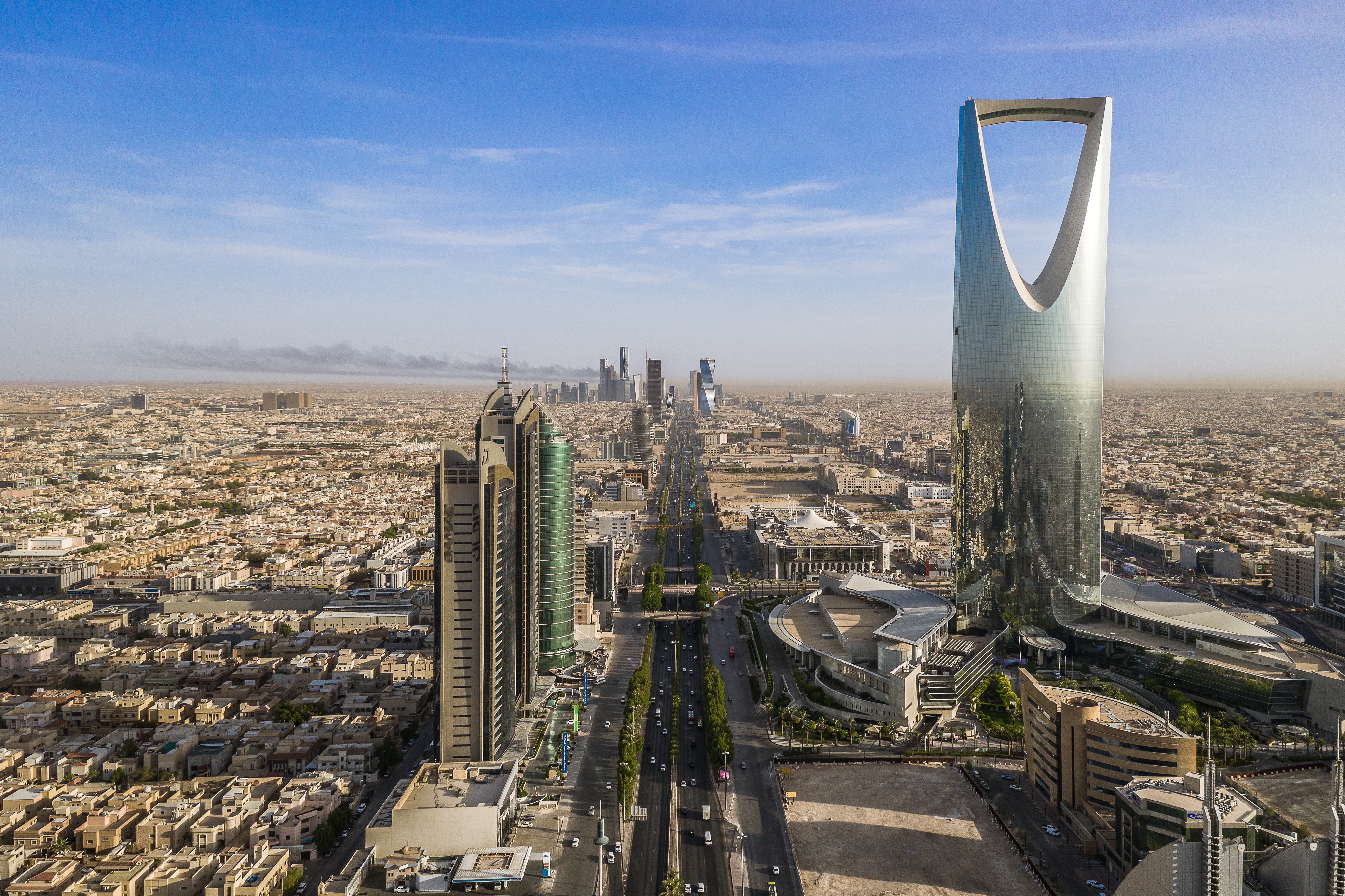
Explore Riyadh's stunning architecture from ancient Najdi clay fortresses to futuristic skyscrapers like KAFD. Your expert guide to the city's best designs.
Key Takeaways
- Start the tour at Al-Diriyah (UNESCO World Heritage Site) — the At-Turaif quarter is a 10-minute drive from central Riyadh and entry costs SAR 95 per adult; allow 2–3 hours for the mud-brick palaces.
- The Kingdom Centre Tower observation deck (floor 99, 302 m) is open daily 09:00–23:00 and tickets cost SAR 79; pair it with an evening visit to see both the sunset and the lit-up skyline.
- Murabba Palace and the National Museum are adjacent near Al-Bathaa — a combined ticket is SAR 15 and covers six museum pavilions tracing 5,000 years of Arabian architecture.
- The King Abdullah Financial District (KAFD) is walkable within 1 km and showcases 73 towers by international architects; entry is free and the pedestrian spine is best explored before 10:00 before temperatures exceed 35 °C in summer.
- Book a licensed local guide through the Saudi Tourism Authority app for SAR 200–350 for a 3-hour tour — they provide architectural context unavailable on signage and can access restricted palace courtyards.
Riyadh Architectural Tour: Mud-Brick to Metropolises
Welcome to Riyadh, a city where the echoes of ancient civilizations resonate through the very fabric of its modern marvels. For the discerning traveler planning a trip to Saudi Arabia in 2026, a Riyadh architectural tour offers an unparalleled journey through time, a captivating narrative etched in stone, mud-brick, and glass. From the time-honored traditions of Najdi design to the audacious visions of tomorrow, Riyadh’s skyline is a testament to a nation’s remarkable evolution.
This comprehensive guide from Explore Saudi will lead you through the city’s most iconic architectural wonders, providing insights, practical tips, and a deeper appreciation for Riyadh’s unique aesthetic. Prepare to be inspired by a city that masterfully bridges its rich heritage with an ambitious future, creating a truly unforgettable experience for every architecture enthusiast.
Quick Facts for Your 2026 Riyadh Architectural Tour
- Best Time to Visit: October to April (cooler temperatures, ideal for exploring outdoor sites).
- Currency: Saudi Riyal (SAR). As of 2026, expect approximate conversion rates to be around 1 USD = 3.75 SAR.
- Transportation: Riyadh Metro (all six lines operational since January 2025), ride-hailing apps (Uber, Careem), taxis.
- Dress Code: Modest attire is recommended for both men and women, especially when visiting historical or religious sites.
- Visa Requirements: E-Visa or Visa on Arrival available for many nationalities. Check the official Saudi Ministry of Foreign Affairs website for the latest 2026 requirements.
The Enduring Charm of Old Riyadh: Najdi Mud-Brick Architecture
Our Riyadh architectural tour begins where the city’s story truly started: in the heart of its ancient quarters, defined by the distinctive Najdi architectural style. This form, born from the desert environment, utilizes readily available materials – primarily mud-brick (adobe) and palm fronds – to create structures that are both aesthetically pleasing and remarkably functional. Thick walls provide insulation against extreme temperatures, while narrow alleyways offer shade and encourage natural ventilation.
The beauty of Najdi architecture lies in its simplicity and ingenuity. Intricate geometric patterns often adorn wooden doors and window frames, while multi-story dwellings feature wind towers (badgirs) designed to capture and direct cool breezes indoors. Exploring these areas is like stepping back in time, offering a profound appreciation for the resilience and artistry of early Saudi communities.
Must-Visit Najdi Architectural Sites
- Ad Diriyah (Historic At-Turaif District): A UNESCO World Heritage Site, Ad Diriyah is the birthplace of the First Saudi State and a prime example of Najdi architecture. Wander through the meticulously restored mud-brick palaces, mosques, and residential compounds. The site offers guided tours, often included in the entrance fee (approx. 75-100 SAR / 20-27 USD). Allow at least half a day to explore thoroughly.
- Masmak Fortress: Located in the heart of Old Riyadh, Masmak Fortress is an iconic symbol of Saudi history. This imposing mud-brick and clay structure played a pivotal role in the Kingdom's unification. Its robust walls, watchtowers, and central courtyard are a testament to traditional defensive architecture. Entry is typically free, and it houses a small museum detailing its history.
- Souq Al-Zal: Adjacent to Masmak Fortress, Souq Al-Zal, one of Riyadh's oldest traditional markets, offers glimpses of traditional architecture blended with bustling commerce. While not a purely architectural site, its older sections and surrounding buildings retain elements of classic Najdi design, particularly in their construction materials and layout.
Riyadh's Mid-Century Modernism: A Transitional Period
As Saudi Arabia began its rapid modernization in the mid-20th century, Riyadh's architectural landscape evolved. The discovery of oil brought new wealth and a desire to embrace international styles, leading to a fascinating blend of traditional influences and emerging modernism. This period saw the introduction of concrete, steel, and glass, albeit often with a nod to local aesthetics.
Architects, both local and international, began to experiment with designs that combined functionality with a burgeoning sense of national identity. You'll find buildings from this era characterized by clean lines, geometric forms, and sometimes, subtle decorative elements inspired by Islamic art. This transitional phase is crucial to understanding how Riyadh moved from its mud-brick origins to its contemporary stature.
Key Examples of Mid-Century Architecture
- King Saud University (Old Campus): While parts have been modernized, the original campus buildings of King Saud University, particularly those designed in the 1960s and 70s, showcase a fascinating blend of brutalist influences adapted to the local climate. Look for the use of concrete and large, shaded courtyards. Access might be restricted to specific areas; inquire in advance.
- Old Ministry Buildings: As you drive through central Riyadh, keep an eye out for older government ministry buildings. Many of these, particularly along King Fahd Road before the skyscraper boom, exhibit utilitarian yet distinctive modernist designs from the 1970s and 80s, often with sun-shading features and patterned facades.
The Sky's the Limit: Riyadh's Iconic Skyscrapers and Futuristic Visions
The turn of the millennium ushered in an era of unprecedented growth and architectural ambition for Riyadh. The city’s skyline transformed rapidly, becoming a canvas for some of the world’s most innovative and daring skyscraper designs. This is where Riyadh truly asserts its ambition as a global metropolis, showcasing structures that are not just tall, but also architectural statements.
These contemporary marvels often incorporate advanced sustainable technologies, innovative structural solutions, and designs that reflect both global trends and a unique Saudi identity. For a Riyadh architectural tour, these buildings are essential, representing the city’s forward momentum and its vision for 2030 and beyond.
Architectural Highlights of Modern Riyadh
- Kingdom Centre Tower: Instantly recognizable by its distinctive "bottle opener" silhouette, the Kingdom Centre Tower was once the tallest building in Saudi Arabia. Completed in 2002, it houses a luxury mall, offices, and the Four Seasons Hotel. Its Skybridge, offering panoramic views of the city, is a must-visit (entry fee approx. 60-80 SAR / 16-21 USD).
- Faisaliah Tower: Another icon of Riyadh's skyline, the Al Faisaliah Centre, completed in 2000, features a striking pyramidal shape topped with a golden sphere restaurant. Its elegant design and integration of retail and hotel spaces set a new standard for mixed-use developments in the city.
- King Abdullah Financial District (KAFD): KAFD is a colossal, purpose-built financial hub that is a city within a city, expected to be largely completed and fully operational by 2026. Designed by an array of international architects (including Foster + Partners, Gensler, and Henning Larsen Architects), KAFD is a masterpiece of contemporary urban planning and sustainable design. Its diverse collection of skyscrapers, interconnected by skywalks and a monorail, showcases a variety of cutting-edge architectural styles. Key buildings to look out for include the KAFD World Trade Center, the Crystal Towers, and the striking KAFD Grand Mosque. Access to public areas and specific buildings will be increasingly open in 2026.
- Digital City: A rapidly developing tech hub, Digital City features modern, innovative office complexes and residential buildings. Its architecture emphasizes functionality, green spaces, and a futuristic aesthetic, reflecting Saudi Arabia's push towards a digital economy.
- The Riyadh Metro Stations: Even the city's public transport system is an architectural marvel. Designed by renowned firms like Zaha Hadid Architects (King Abdullah Financial District Station) and Gerber Architekten (Olaya Metro Station), these stations are envisioned as grand civic spaces, blending art, technology, and functionality. Many lines are expected to be operational or nearing completion by 2026, offering a unique architectural experience.
Cultural and Public Spaces: Architecture for the Community
Beyond the residential and commercial structures, Riyadh's public and cultural spaces offer another rich layer to its architectural tapestry. These buildings are designed not just for function, but also to foster community, preserve heritage, and inspire future generations. They often incorporate traditional motifs into modern designs, creating a harmonious blend that is uniquely Saudi.
From grand mosques to world-class museums, these sites are integral to understanding Riyadh’s cultural identity and its commitment to providing enriching environments for its citizens and visitors alike. They represent an architecture that serves the soul of the city.
Notable Cultural and Public Architecture
- King Abdulaziz Historical Center (National Museum of Saudi Arabia): This sprawling complex beautifully integrates traditional Najdi elements with modern design. The National Museum itself is a striking building, using local stone and water features to create a serene and informative environment. The surrounding parkland and historical buildings (like Murabba Palace) are also architecturally significant. Entry to the museum is typically around 10-20 SAR (3-5 USD).
- Imam Turki bin Abdullah Grand Mosque: Located near Masmak Fortress, this is one of the largest mosques in Riyadh. While its current iteration is a modern reconstruction, it maintains a traditional Najdi aesthetic with its vast prayer halls and intricate detailing. Its scale and spiritual significance make it an important architectural landmark. Non-Muslims may be able to view from the outside; check local customs for entry.
- King Fahd Cultural Centre: An impressive complex housing a theatre, exhibition halls, and conference facilities, the King Fahd Cultural Centre showcases modern Saudi architecture designed for large-scale cultural events. Its bold forms and expansive spaces are noteworthy.
Planning Your Riyadh Architectural Tour: Practical Tips for 2026
To make the most of your Riyadh architectural tour in 2026, careful planning is key. The city is vast, and traffic can be considerable, so optimizing your itinerary and transportation is crucial. Remember that Saudi Arabia is undergoing rapid development, so always check for the latest information regarding opening hours, access, and any ongoing construction that might affect your visit.
Embrace the journey, be open to new experiences, and allow yourself to be captivated by the architectural wonders that define this dynamic capital.
Essential Planning Tips
-
Transportation:
- Riyadh Metro: All six lines of the Riyadh Metro have been operational since January 2025, offering an efficient and modern way to travel between key architectural sites, especially in the city center and KAFD. Plan your routes in advance using the official Metro app or website.
- Ride-Hailing: Uber and Careem are widely available and generally reliable for reaching destinations not yet served by the Metro.
- Taxi: Traditional taxis are also an option, but agree on a fare or ensure the meter is used.
- Car Rental: For ultimate flexibility, consider renting a car, but be prepared for Riyadh's traffic and parking challenges.
- Accommodation: Riyadh offers a wide range of hotels, from luxury international chains to boutique options. Consider staying near areas like Olaya, King Fahd Road, or within KAFD for easy access to many modern architectural sites. For a more traditional experience, look for hotels closer to Old Riyadh.
- Guided Tours: Several local tour operators offer specialized architectural tours of Riyadh. These can provide invaluable insights and handle logistics, especially for Ad Diriyah and KAFD. Booking in advance is highly recommended.
- Dress Code: Always dress modestly, especially when visiting religious sites or historical areas. For men, long trousers and shirts are appropriate. For women, loose-fitting clothing that covers arms and legs is advisable. A headscarf is not generally required for tourists but is respectful to carry for mosque visits.
- Photography: Most public spaces and architectural sites allow photography. However, always be respectful of local customs and ask permission before photographing individuals. Some sensitive areas might have restrictions.
- Heat Management: If visiting outside the cooler months (October-April), plan your outdoor activities for early mornings or late afternoons. Stay hydrated and seek shade.
- Connectivity: Purchase a local SIM card upon arrival for easy navigation and communication. Wi-Fi is widely available in hotels, cafes, and public areas.
- Respect Local Customs: Saudi Arabia is a conservative country. Be mindful of local traditions, especially during prayer times, when some shops may close temporarily.
"Riyadh's architecture is a living dialogue between its past and its future. It's a city that doesn't just build upwards, but also builds upon its heritage, creating a unique narrative for the world to witness." – Explore Saudi Editorial Team
Your Riyadh architectural tour promises to be an enlightening and inspiring experience. From the ancient fortifications that whisper tales of bygone eras to the soaring skyscrapers that boldly proclaim a future of innovation, Riyadh is a city of profound architectural contrasts and breathtaking beauty. Embark on this journey in 2026 and discover the many facets of Saudi Arabia's dynamic capital.
Related Reading
- Riyadh City Guide: Modern Metropolis Meets Ancient Heritage
- 3 Weeks in Saudi Arabia: Complete 2026 Travel Guide
Plan Your Saudi Adventure
Ready to experience the Kingdom? Our AI-powered Trip Planner creates personalized itineraries based on your interests, budget, and travel dates. From Riyadh's skyline to AlUla's ancient tombs — let us help you discover Saudi Arabia your way.
Frequently Asked Questions
- What are the oldest architectural structures still visible in Riyadh?
- Diriyah, located 35 km west of Riyadh, contains the best-preserved mud-brick architecture from the 18th century and has been designated a UNESCO World Heritage Site. The historic Al-Turaif district showcases traditional Najdi architecture with its distinctive adobe buildings and fortifications.
- Where can I see modern Riyadh iconic skyscrapers?
- The Kingdom Centre and Al-Faisaliah Tower dominate Riyadh skyline in the downtown area and are visible from most parts of the city. The newer King Abdullah Financial District and KAFD offer contemporary architectural innovation with stunning glass and steel designs reflecting Riyadh rapid development.
- What architectural style is unique to Riyadh and the Najd region?
- Najdi architecture is characterized by thick mud-brick walls, small windows for heat protection, geometric patterns, and decorative elements reflecting Islamic traditions. This regional style evolved from practical desert living needs and remains influential in contemporary Saudi architectural design.
- Are there guided architectural tours available in Riyadh?
- Yes, multiple tour operators offer specialized architectural and historical tours covering Diriyah, the National Museum, and downtown Riyadh modern skyline. Many hotels can arrange private guides, and the Saudi Commission for Tourism promotes cultural heritage tours regularly.