Why Ramadan Matters — Globally and in Saudi Arabia
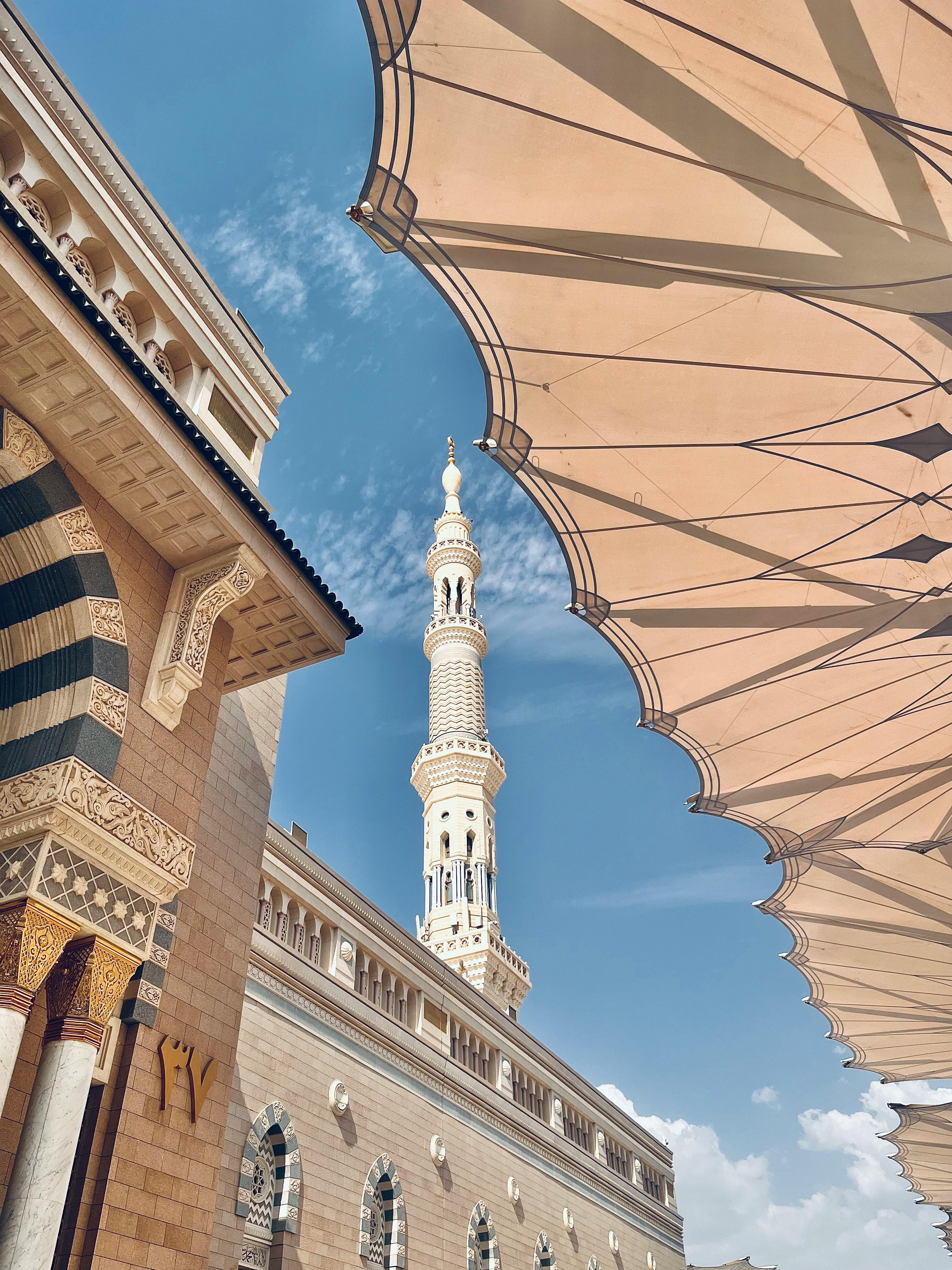
Understand Ramadan beyond fasting: how the holy month transforms daily life in Saudi Arabia, what travellers should know and respectful visiting tips.
Key Takeaways
- Ramadan 2026 is expected to begin around 17 February (exact date confirmed by moon sighting) — the holy month lasts 29–30 days; all dates in this article should be verified annually as the Islamic calendar shifts ~11 days earlier each Gregorian year.
- In Saudi Arabia, eating, drinking, or smoking in public during Ramadan daylight hours is illegal for everyone, including non-Muslims and tourists — fines can reach SAR 1,000 and violations may result in detention.
- Iftar (breaking the fast at sunset) is a major social event; most Riyadh and Jeddah restaurants open at sunset and fill within 20 minutes — reservations 24–48 hours ahead are essential for popular venues.
- Government offices, banks, and many businesses shift to reduced hours (typically 10:00–14:00 during the day and 20:00–23:00 in the evening) throughout Ramadan — plan administrative tasks accordingly.
- The last 10 nights of Ramadan (Laylat al-Qadr period) see dramatically heightened religious activity; traffic in Makkah and Madinah can multiply 5x and hotel rates in the Two Holy Cities often double compared to early Ramadan rates.
Why Ramadan Matters — Globally and in Saudi Arabia
Summary: This article provides a comprehensive overview of Why Ramadan Matters — Globally and in Saudi Arabia. Learn everything you need to know about planning, highlights, and practical tips for your trip.
Why Ramadan Matters — Globally and in Saudi Arabia
Ramadan is often described, too simply, as a month of fasting. In reality, it is a complete re-ordering of time, attention, and intention for more than a billion Muslims around the world. Days slow down. Nights come alive. Ordinary routines are suspended and replaced with a rhythm that is at once deeply spiritual and profoundly communal. Ramadan is not onl y observed — it is lived.
In 2026, as Saudi Arabia continues to open itself to the world as a destination for culture, heritage, and travel, understanding Ramadan becomes more important than ever. Not only for Muslims observing the month, but also for visitors, professionals, and travelers who wish to engage respectfully and meaningfully with Saudi society during one of its most significant periods of the year.
This guide is designed to do exactly that: to explain what Ramadan truly is, how it is practiced, and why experiencing it in Saudi Arabia offers a perspective unlike anywhere else in the world.
Ramadan as a Spiritual Framework, Not a Ritual Checklist
At its core, Ramadan is about discipline of the self. Fasting from dawn to sunset — abstaining from food, drink, and marital intimacy — is the most visible aspect, but it is not the essence. Islamic jurisprudence (fiqh) is clear on this point: fasting without ethical restraint, self-reflection, and moral conduct is incomplete.
Ramadan is meant to sharpen awareness:
Awareness of time
Awareness of hunger and dependence
Awareness of behavior, speech, and intention
This is why Muslims are encouraged not only to refrain from eating and drinking, but also to avoid gossip, anger, arrogance, and excess. The fast is both physical and moral.
Saudi Arabia, as the birthplace of Islam and home to its two holiest cities, places particular emphasis on this holistic understanding. The month is not framed as an individual challenge, but as a collective moral recalibration of society.
A Month That Transforms Daily Life
One of the most striking aspects of Ramadan — especially for first-time observers — is how comprehensively it reshapes everyday life.
Across the Muslim world, business hours shift, social life moves into the night, and cities adopt a slower daytime pace. In Saudi Arabia, this transformation is especially visible. Government institutions, schools, mosques, shopping centers, and even traffic patterns adapt to the rhythm of fasting and nightly worship.
Yet despite these changes, Ramadan is not a time of withdrawal. On the contrary, it is a deeply social month. Families gather nightly to break the fast together. Mosques overflow with worshippers. Acts of charity become public and collective. Food is shared generously, often with strangers.
To understand Ramadan properly, one must therefore move beyond the idea of deprivation. Ramadan is not defined by what is withheld, but by what is intensified: prayer, generosity, hospitality, and reflection.
Why Saudi Arabia Holds a Unique Place During Ramadan
While Ramadan is observed across the globe, Saudi Arabia occupies a singular position in the Islamic imagination — and especially during this month.
Mecca and Medina are not symbolic capitals; they are active, living centers of worship. During Ramadan, millions gather at the Grand Mosque in Mecca and the Prophet’s Mosque in Medina to pray, break the fast, and spend long nights in worship. For Muslims, this is not merely a visit — it is the culmination of spiritual aspiration.
But Saudi Arabia’s significance during Ramadan extends beyond these sacred cities. Across the Kingdom, Ramadan is treated as a period of national alignment with religious values:
Work schedules are adjusted by law
Public behavior reflects heightened decorum
Charity initiatives expand at every level of society
Media, advertising, and entertainment adapt to the tone of the month
This creates an environment where Ramadan is not just observed privately, but expressed collectively.
For visitors, this means that Ramadan in Saudi Arabia is not something happening “in the background.” It is the organizing principle of daily life.
Ramadan 2026: Why This Year Matters
Ramadan follows the Islamic lunar calendar, which means it moves approximately ten to eleven days earlier each Gregorian year. In 2026, Ramadan is expected to fall earlier in the spring, affecting daylight hours, climate conditions, and travel planning.
This matters for several reasons:
Fasting hours will be moderate compared to summer Ramadans
Weather conditions will be more comfortable in many regions
Ramadan will overlap with an increasingly active tourism season
As Saudi Arabia continues to welcome international visitors, Ramadan 2026 represents a moment where religious tradition and global curiosity intersect more visibly than before.
Understanding the month — its meaning, rules, and lived reality — is therefore not optional. It is essential for anyone seeking to engage with Saudi Arabia respectfully, whether as a visitor, professional, or observer.
Who This Guide Is For
This in-depth report is written for:
Travelers considering visiting Saudi Arabia during Ramadan
Non-Muslims seeking a clear, respectful explanation
Muslims looking for Saudi-specific context
Professionals working with Saudi partners or institutions
Anyone who wants to understand Ramadan beyond headlines and stereotypes
The goal is not to instruct belief, but to provide clarity. Not to romanticize, but to explain. And not to generalize, but to show how Ramadan is actually lived — particularly in Saudi Arab ia.
What Is Ramadan? — Origins, Meaning, and the Lunar Calendar
To understand Ramadan properly, one must step away from modern assumptions about “religious observance” and return to its original framework. Ramadan is not a seasonal tradition layered onto Islam; it is one of the structural pillars upon which Islamic life is built. Its meaning is theological, legal, historical, and experiential — all at once.
The Meaning of Ramadan
The word Ramadan comes from the Arabic root ramad, associated with intense heat and dryness. Classical scholars interpreted this not merely as a climatic reference, but as a metaphor: Ramadan is the month in which sins are “burned away” through restraint, repentance, and conscious self-discipline.
In Islamic theology, Ramadan is the month in which the Qur’an was first revealed. This alone elevates it above all other months in the Islamic calendar. Fasting during Ramadan is therefore not a cultural habit, but a direct response to divine instruction, explicitly mentioned in the Qur’an as an obligation for believers, with clearly defined exemptions and ethical aims.
Importantly, Ramadan is not framed as punishment or ascetic withdrawal. Islamic jurisprudence consistently emphasizes balance: fasting is meant to cultivate empathy, humility, and awareness — not physical harm or social isolation.
Fasting (Ṣawm) as a Legal and Spiritual Act
From a fiqh perspective, fasting (ṣawm) during Ramadan is a precise legal act with specific conditions:
It begins at true dawn (fajr)
It ends at sunset (maghrib)
It requires intention (niyyah)
It includes abstention from:
Food and drink
Sexual relations
Actions that deliberately invalidate the fast
However, Islamic law is equally explicit about mercy. Those who are ill, traveling, pregnant, breastfeeding, elderly, or otherwise unable to fast are not morally diminished. Instead, alternative forms of compensation or exemption are provided, reinforcing a core Islamic principle: obligations are proportionate to capacity.
Saudi Arabia, following mainstream Sunni jurisprudence, applies these principles conservatively but pragmatically. The emphasis is not on enforcement through fear, but on social alignment with the values of the month.
Ramadan and the Islamic Lunar Calendar
One of the most misunderstood aspects of Ramadan is its timing.
Islam follows a pure lunar calendar, consisting of twelve months of 29 or 30 days. Unlike the Gregorian calendar, it is not synchronized with the solar year. As a result, Ramadan moves earlier by roughly ten to eleven days each year.
This has several important implications:
Ramadan can occur in any season
Daylight fasting hours change annually
Climate conditions vary significantly year to year
In 2026, Ramadan is expected to fall earlier in the year than in recent summers, resulting in shorter fasting hours and milder temperatures — a factor that significantly affects daily life and travel conditions in Saudi Arabia.
Moon Sighting: Why Dates Are Never Absolute
The start of Ramadan is not determined by astronomical calculation alone. It is traditionally confirmed by actual moon sighting, a practice rooted in prophetic tradition and still followed in Saudi Arabia.
This means:
The official start date is confirmed shortly before Ramadan begins
Different countries may start on different days
Saudi Arabia’s announcement is widely followed, but not universally binding
For travelers and planners, this introduces a necessary degree of flexibility. While predicted dates are useful for preparation, final confirmation always depends on official announcements.
This reliance on observation — rather than purely mathematical certainty — reinforces a broader theme within Islam: faith is not detached from the natural world, but synchronized with it.
Ramadan as a Shared Temporal Experience
Perhaps the most overlooked dimension of Ramadan is its collective nature.
Unlike private spiritual practices, Ramadan aligns millions of people to the same daily cycle:
Waking before dawn
Breaking the fast at sunset
Gathering at night for prayer
Adjusting work, study, and social life
In Saudi Arabia, this synchronization is especially visible. Entire cities move in rhythm with the fast. Streets empty before sunset and fill again after. Mosques become central social spaces. Time itself feels reorganized.
Ramadan is therefore not only a religious obligation, but a shared temporal experience — one that binds individuals into a collective awareness of restraint, generosity, and spiritual focus.
Why This Matters for Understanding Saudi Arabia
Understanding Ramadan at this foundational level is essential before exploring its lived reality in Saudi Arabia.
Without this grounding:
Cultural practices can be misinterpreted
Legal accommodations may appear arbitrary
Social norms may feel restrictive rather than purposeful
With it, Ramadan becomes legible — not as a set of prohibitions, but as a structured, time-bound reorientation of values.
Ramadan 2026 — Dates, Moon Sighting, and What to Expect
Unlike fixed religious holidays in the Gregorian calendar, Ramadan does not arrive on a predictable date year after year. Its timing is governed by the Islamic lunar calendar and confirmed through direct observation of the moon. This system gives Ramadan a fluid quality — one that shapes how the month is anticipated, announced, and ultimately experienced, particularly in Saudi Arabia.
Understanding how Ramadan 2026 will be determined is essential for travelers, planners, and observers alike.
Expected Dates for Ramadan 2026
Based on astronomical projections, Ramadan in 2026 is expected to begin around mid-to-late February and conclude approximately 29 or 30 days later, followed immediately by Eid al-Fitr. However, these dates remain provisional until officially confirmed.
Saudi Arabia, like many Muslim-majority countries, does not rely solely on calculations. Instead, it follows a long-established legal and religious process that prioritizes actual moon sighting.
This means:
The start of Ramadan is confirmed only shortly before it begins
The exact first day may differ from predictions by one day
Eid al-Fitr is announced with the same process at the end of the month
For practical purposes, predicted calendars are useful for planning flights, accommodation, and work schedules — but flexibility remains essential.
How Moon Sighting Works in Saudi Arabia
In Saudi Arabia, the sighting of the crescent moon is both a religious act and a national event.
On the 29th night of the preceding Islamic month, designated observers attempt to sight the new moon. Reports are reviewed by religious authorities, and an official announcement is issued shortly afterward. This announcement determines whether the following day marks the beginning of Ramadan or whether the current month completes 30 days.
This process:
Is rooted in prophetic tradition
Emphasizes human observation over abstraction
Reinforces the connection between faith and natural cycles
While astronomical data informs the process, it does not replace it. This distinction is important, especially for international visitors accustomed to fixed calendars and advance certainty.
Why Ramadan Dates Can Differ by Country
It is not uncommon for Ramadan to begin on different days in different countries. This is not a contradiction, but a consequence of the moon sighting methodology combined with geography and legal interpretation.
Saudi Arabia’s announcement is influential, but not universally binding. Some countries rely more heavily on local sightings or calculated visibility. As a result, Muslims around the world may begin and end Ramadan on different days — all within the bounds of accepted Islamic jurisprudence.
For travelers, this means that:
Regional differences are normal
Saudi Arabia follows its own official determination
Local observance always takes precedence
In practice, life inside the Kingdom aligns uniformly with the Saudi announcement.
What the Timing of Ramadan 2026 Means in Practice
Because Ramadan 2026 is expected to fall earlier in the year than recent summer observances, several practical implications follow:
Shorter fasting hours compared to peak-summer Ramadans
Milder temperatures, particularly in central and northern regions
Greater comfort for both residents and visitors
More active daytime functioning, despite reduced working hours
For Saudi Arabia, this creates a Ramadan that is demanding but balanced — spiritually intense without the extreme physical strain associated with long, hot summer fasts.
The End of Ramadan and the Arrival of Eid al-Fitr
Ramadan concludes with the sighting of the next crescent moon, marking the beginning of Eid al-Fitr, the Festival of Breaking the Fast.
This transition is immediate and dramatic:
Fasting ends
Morning prayers mark the first day of Eid
Families gather for celebration
Cities shift from restraint to festivity
In Saudi Arabia, Eid is a public holiday, and preparations begin days in advance. Shopping increases, homes are prepared, and travel peaks. For visitors, the contrast between the final days of Ramadan and the first day of Eid is one of the most striking experiences of the entire month.
Planning with Uncertainty: A Practical Note
While the fluidity of Ramadan’s start and end dates may appear inconvenient, it reflects a deeper principle: Ramadan is not a logistical event to be scheduled months ahead, but a lived religious moment that unfolds in real time.
For travelers and professionals engaging with Saudi Arabia during this period, the most effective approach is informed flexibility — planning with awareness rather than rigid expectation.
The Rules of Fasting — Who Must Fast, Who Is Exempt, and What Breaks the Fast
Fasting during Ramadan is often reduced, in popular discourse, to a simple rule: no food or drink from sunrise to sunset. In reality, the fast is a carefully defined legal and spiritual act within Islamic jurisprudence, governed by intention, eligibility, and ethical conduct. Understanding these rules is essential not only for Muslims observing the month, but also for anyone seeking to comprehend how Ramadan is lived and respected in Saudi Arabia.
Who Is Obligated to Fast During Ramadan
From a fiqh perspective, fasting during Ramadan is obligatory for Muslims who meet the following conditions:
They have reached puberty
They are mentally sound
They are physically able to fast
They are not traveling under conditions that permit exemption
This obligation is not enforced through coercion, but through moral responsibility. In Saudi Arabia, as in most Muslim societies, fasting is understood as a personal act of worship, even though it is socially visible.
It is also important to note that fasting is not expected to be performative. Islamic law emphasizes sincerity over public display. Someone fasting is not considered more virtuous simply for enduring hardship visibly; restraint and intention are what matter.
Legitimate Exemptions: Mercy Within the Law
One of the most significant aspects of Islamic law is its accommodation of human limitation. Fasting is mandatory, but never at the expense of health or dignity.
Those exempt include:
The sick, if fasting would worsen their condition
Travelers undertaking a journey that meets legal criteria
Pregnant or breastfeeding women, if fasting poses risk
The elderly, if fasting is physically harmful
In such cases, Islamic law provides alternatives:
Making up missed fasts later
Providing meals to those in need
Other compensatory acts, depending on the situation
These exemptions are not loopholes; they are integral to the system. In Saudi Arabia, this understanding is widely accepted, and there is no expectation that exemption must be justified publicly.
The Role of Intention (Niyyah)
Unlike many physical acts, fasting is invalid without intention.
The intention (niyyah) is an internal, conscious decision to fast for the sake of Ramadan. It does not require verbal declaration, public announcement, or ritualized formula. What matters is clarity of purpose.
This principle highlights a recurring theme in Islamic practice: internal alignment is more important than external performance. The fast begins not with hunger, but with intention.
What Breaks the Fast — And Common Misconceptions
Islamic jurisprudence is precise about what invalidates a fast. The core invalidators are deliberate actions taken with awareness during fasting hours.
These include:
Eating or drinking intentionally
Sexual relations
Introducing nourishment into the body deliberately
However, many commonly assumed “breakers” are misconceptions. For example:
Accidental eating or drinking does not break the fast
Swallowing saliva does not break the fast
Involuntary actions are not counted
In Saudi Arabia, these distinctions are well understood, particularly among those who have observed Ramadan since childhood. For visitors, awareness of these nuances helps avoid misinterpretation of public behavior.
Beyond Abstention: Ethical Conduct During the Fast
From a deeper jurisprudential and spiritual perspective, the fast is not limited to physical abstention.
Classical Islamic teachings stress that:
Anger undermines the purpose of fasting
Gossip and dishonesty contradict its intent
Exploitative behavior negates its moral value
This ethical dimension is particularly visible in Saudi society during Ramadan. Public discourse becomes calmer. Social interactions tend to be more patient. Displays of generosity increase. While these shifts are not absolute or universal, they reflect a shared cultural aspiration aligned with the spirit of the month.
How These Rules Shape Public Life in Saudi Arabia
While fasting itself is a personal act, its collective observance influences public norms.
During Ramadan in Saudi Arabia:
Eating and drinking in public during daylight hours is avoided out of respect
Business hours are adjusted to accommodate fasting
Social etiquette emphasizes patience and restraint
These practices are not designed to police belief, but to preserve a shared environment conducive to the values of the month. For non-Muslims, understanding this context is key to navigating Ramadan respectfully and comfortably.
Fasting as Structure, Not Hardship
Seen through its proper lens, fasting in Ramadan is not a test of endurance for its own sake. It is a structured pause — a temporary suspension of instinctual habits designed to reorient priorities.
In Saudi Arabia, where religious life is woven into the public sphere, this structure becomes visible at scale. The fast shapes time, behavior, and expectation, creating a collective rhythm that defines the month.
Spiritual Practices During Ramadan — Prayer, Qur’an, Charity, and the Inner Dimension
While fasting is the most visible aspect of Ramadan, it is only one element of a much broader spiritual framework. Ramadan is designed as a period of intensified worship, ethical refinement, and inward focus. In Islamic tradition, the fast creates space; prayer, recitation, and charity are what fill it.
In Saudi Arabia, where religious life is closely integrated into public space, these practices become especially tangible during Ramadan. Mosques, homes, and even city schedules reflect a collective turning toward the spiritual core of the month.
Prayer During Ramadan: Rhythm and Intensification
Muslims pray five daily prayers throughout the year, but Ramadan introduces an additional layer of devotion. While none of the obligatory prayers change in number or structure, their context does.
Fasting sharpens attentiveness. Hunger and fatigue are not meant to weaken prayer, but to make it more conscious. Many Muslims report that prayers during Ramadan feel more deliberate, less habitual. In Saudi Arabia, mosques see significantly increased attendance throughout the month, not only in the evenings but also for dawn and night prayers. The soundscape of cities subtly changes: the call to prayer carries further in quieter daylight hours, and mosques remain active long into the night.
Taraweeh Prayers: The Nightly Anchor of Ramadan
One of the defining practices of Ramadan is Taraweeh, a set of extended nightly prayers performed after the evening prayer (Isha). While not obligatory, Taraweeh is widely observed and deeply associated with the atmosphere of the month.
During these prayers:
Long portions of the Qur’an are recited
The pace is slower and more reflective
Congregations often remain standing for extended periods
In Saudi Arabia, Taraweeh prayers are particularly prominent. Major mosques fill to capacity, and in cities like Mecca and Medina, they become monumental communal experiences. Worshippers from across the world stand side by side, listening to recitations that can last well over an hour.
For visitors, Taraweeh offers a rare opportunity to witness Islamic worship in its most collective and immersive form.
The Qur’an and Ramadan: Revelation and Recitation
Ramadan is inseparable from the Qur’an. Islamic tradition holds that the Qur’an was first revealed during this month, which is why recitation intensifies during Ramadan more than at any other time of year.
Many Muslims aim to:
Complete one full reading of the Qur’an during Ramadan
Attend nightly recitations in mosques
Spend additional time in personal reflection
In Saudi Arabia, Qur’anic recitation is highly audible during Ramadan. It is heard in mosques, homes, and public spaces after sunset. Reciters are often widely recognized for their style and clarity, and nightly prayers in major mosques are followed attentively, both in person and through broadcasts.
This constant presence of the Qur’an shapes the emotional texture of the month. Ramadan is not silent; it is resonant.
Laylat al-Qadr: The Night That Defines the Month
Among the final ten nights of Ramadan lies Laylat al-Qadr, often translated as the Night of Power or the Night of Decree. Islamic tradition describes it as a night greater in spiritual value than a thousand months.
Its exact date is not fixed, though it is widely sought on the odd-numbered nights of the last ten days. This deliberate uncertainty encourages sustained devotion rather than symbolic observance.
In Saudi Arabia, the final ten nights of Ramadan mark a noticeable intensification:
Mosques remain open later
Night prayers become longer
Attendance increases significantly
Many worshippers stay in mosques overnight
For Muslims, these nights represent the spiritual summit of the year. For observers, they reveal how deeply Ramadan is oriented toward inward transformation rather than outward display.
Charity (Zakat and Sadaqah): The Social Ethics of Ramadan
Charity is an essential component of Ramadan, grounded in both legal obligation and moral urgency.
Two forms are especially prominent:
Zakat: a mandatory annual almsgiving for eligible Muslims
Sadaqah: voluntary charity given freely
Ramadan amplifies both. Feeding others, supporting those in need, and sharing resources are not optional virtues during the month — they are central expressions of faith.
In Saudi Arabia, this emphasis is highly visible:
Free iftar meals are distributed daily
Mosques and charitable organizations expand operations
Acts of generosity are normalized rather than exceptional
This culture of giving reinforces a key Islamic principle: fasting is not meant to isolate the individual, but to reconnect them to the community.
The Inner Dimension: Restraint, Awareness, and Reorientation
Beyond formal practices, Ramadan is intended to cultivate an inner discipline that extends beyond the month itself.
Islamic scholars often describe Ramadan as a training period:
Training patience
Training restraint
Training ethical consistency
The goal is not temporary piety, but lasting recalibration. Ideally, the habits formed during Ramadan — measured speech, conscious consumption, regular prayer — persist afterward.
In Saudi Arabia, this aspiration is reflected in the tone of public life during the month. While no society is transformed perfectly, Ramadan creates a shared expectation of heightened self-awareness.
Ramadan as a Spiritual Ecosystem
Taken together, fasting, prayer, recitation, charity, and reflection form a coherent system. Each element reinforces the others. Remove one, and the structure weakens.
Understanding Ramadan in Saudi Arabia requires seeing this ecosystem as a whole. The fast creates space. Prayer gives it direction. Charity gives it social meaning. Reflection gives it depth.
Only then does Ramadan reveal itself not as a restriction, but as a structured return to purpose.
Daily Life During Ramadan in Saudi Arabia — How the Kingdom Slows Down by Day and Comes Alive at Night
To truly understand Ramadan in Saudi Arabia, one must observe not only what people believe, but how time itself is reorganized. Ramadan reshapes the daily rhythm of the Kingdom more comprehensively than any other period of the year. The transformation is not symbolic; it is practical, legal, social, and deeply felt.
For visitors, this shift can initially feel disorienting. For residents, it is a familiar and anticipated recalibration — one that turns the usual order of day and night almost inside out.
The Daytime Pace: Slower, Quieter, Intentional
During daylight hours in Ramadan, Saudi Arabia moves at a noticeably gentler pace.
Because the majority of the population is fasting, energy is conserved rather than expended. This is not laziness or inefficiency; it is a conscious adaptation to the demands of the fast. Physical exertion is minimized, and tasks are approached with deliberation rather than urgency.
In practical terms:
Government offices operate on reduced hours
Many businesses open later or close earlier
Meetings are shorter and more focused
Daytime social activity is limited
Public spaces feel calmer. Streets are less congested. Cafés and restaurants that normally anchor daytime life remain closed or operate discreetly for non-fasting individuals. The overall atmosphere is not empty, but restrained.
This restraint is not enforced through constant oversight. It is maintained through social understanding. Ramadan in Saudi Arabia is governed less by visible rules and more by shared expectation.
Work and Institutional Life During Ramadan
Saudi labor regulations mandate reduced working hours during Ramadan. This applies across sectors, including public administration and private enterprise, though implementation varies by industry.
The intent is clear: fasting should not be compounded by excessive workload. Productivity is redefined — not measured by output alone, but by sustainability and consideration.
For professionals engaging with Saudi counterparts during Ramadan, this means:
Adjusted expectations regarding response times
Fewer meetings during fasting hours
Increased availability after sunset
Understanding this rhythm is essential for respectful collaboration. Ramadan is not a disruption to professional life; it is a seasonal adjustment embedded into the system.
The Anticipation of Sunset: Iftar as a Daily Pivot Point
As sunset approaches, the atmosphere changes.
Traffic increases as people return home or head to mosques. Shops prepare for evening reopening. Families finalize meals. There is a shared attentiveness to the exact moment when the fast will be broken.
The call to the sunset prayer (maghrib) marks a daily release — not just from hunger, but from restraint. Iftar, the meal that breaks the fast, is taken seriously, but rarely indulgently. Tradition emphasizes simplicity: dates, water, soup, followed by a more substantial meal later.
In Saudi Arabia, iftar is rarely a solitary act. It is communal by default — shared with family, neighbors, colleagues, or strangers. Mosques distribute meals daily, and hospitality during Ramadan is considered a moral obligation.
The Night Shift: When Cities Come Alive
After iftar, Saudi cities undergo a remarkable transformation.
Shops reopen, sometimes until the early morning hours. Malls become social spaces. Cafés fill. Streets buzz with conversation. Families visit one another. Children play late into the night.
This nocturnal energy is one of the defining characteristics of Ramadan in the Kingdom. Life does not pause; it migrates.
In cities like Riyadh and Jeddah, the night economy during Ramadan is particularly vibrant. Dining, shopping, and socializing peak after evening prayers. Even administrative tasks are sometimes scheduled late at night, reflecting the collective adjustment of circadian rhythm.
For visitors, this inversion of day and night can be one of the most memorable aspects of Ramadan in Saudi Arabia.
Mosques as Social and Spiritual Anchors
During Ramadan, mosques become more than places of prayer. They function as social centers, charitable hubs, and spiritual anchors.
Attendance increases dramatically, especially at night. Taraweeh prayers draw entire families. Volunteers organize iftar distributions. Conversations unfold quietly in courtyards after prayers.
In Saudi Arabia, mosques are integrated into daily life year-round, but during Ramadan they assume a central role. The rhythm of the city aligns with the rhythm of the mosque.
The Emotional Texture of the Month
Beyond schedules and routines, Ramadan introduces a subtle shift in emotional tone.
Patience is expected. Confrontation is discouraged. Public behavior tends toward restraint. While this ideal is not always perfectly realized, it remains a shared aspiration.
This creates an environment that many describe as calmer, more reflective, and more socially considerate than usual. Even those who do not fast often adjust their behavior out of respect for the collective atmosphere.
What This Means for Visitors
For non-Muslims and first-time visitors, daily life during Ramadan in Saudi Arabia may feel unfamiliar, but it is rarely unwelcoming.
The key is alignment:
Adjust expectations
Observe before acting
Respect the altered rhythm
Those who do so often find Ramadan to be one of the most illuminating times to experience Saudi society — precisely because its values are expressed so clearly through daily life.
Ramadan in Mecca and Medina — The Spiritual Epicenter of the Month
If Ramadan is the spiritual heart of the Islamic year, then Mecca and Medina are its pulse points. Nowhere else does the month unfold with such intensity, scale, and continuity of worship. During Ramadan, these two cities do not merely observe the fast; they absorb it, amplify it, and reflect it back to the global Muslim community.
For Muslims, being in Mecca or Medina during Ramadan is a lifelong aspiration. For observers and visitors, witnessing the month in these cities offers unmatched insight into how faith, ritual, and collective devotion converge.
Mecca During Ramadan: Worship Without Interruption
In Mecca, Ramadan revolves around the Grand Mosque and the Kaaba. The city’s geography, logistics, and daily rhythm are oriented toward facilitating worship on a massive scale.
From the first night of Ramadan, the mosque operates in near-constant motion:
Daily prayers draw vast congregations
Taraweeh prayers fill every level of the mosque
Iftar meals are distributed daily inside and around the mosque
Night prayers extend deep into the early morning hours
The experience is both deeply personal and overwhelmingly collective. Individuals break their fast quietly with dates and water, then stand shoulder to shoulder with worshippers from every continent.
Despite the scale, the atmosphere is remarkably ordered. Volunteers coordinate movement. Security ensures flow rather than restriction. The focus remains singular: enabling worship.
Iftar at the Grand Mosque: Simplicity at Scale
One of the most iconic images of Ramadan in Mecca is the communal iftar inside the Grand Mosque.
Rows of worshippers sit on the marble floors as volunteers distribute dates, water, and simple meals. There is no hierarchy, no VIP section, no spectacle. The emphasis is on uniformity and humility.
This daily ritual captures a central Ramadan ethic: abundance does not require excess. In the holiest place of Islam, the fast is broken with simplicity — reinforcing the moral clarity of the month.
Night Prayers and the Experience of Time
Taraweeh and late-night prayers in Mecca are not brief additions to the day; they are extended events.
Recitations can last hours. Worshippers remain standing through long passages of the Qur’an. Many choose to stay in the mosque between prayers, resting, reading, or reflecting.
Time in Mecca during Ramadan feels suspended. Daylight hours are functional and restrained; nights are expansive, immersive, and unhurried.
For visitors accustomed to fixed schedules, this fluidity can feel transformative. The clock becomes secondary to the rhythm of worship.
Medina During Ramadan: Reverence and Contemplation
While Mecca is marked by scale and intensity, Medina offers a different, more contemplative Ramadan atmosphere.
The Prophet’s Mosque becomes the focal point of the city. Worshippers gather not only for prayer, but for quiet presence. Many describe Ramadan in Medina as softer, more introspective.
Key characteristics include:
A calmer crowd dynamic compared to Mecca
Extended periods of silent reflection
Deep emotional attachment to place
A strong sense of historical continuity
Here, Ramadan is less about magnitude and more about intimacy. The experience is shaped by proximity to the Prophet’s Mosque and the legacy it represents.
The Final Ten Nights: Spiritual Climax in Both Cities
The last ten nights of Ramadan mark a visible escalation in devotion in both Mecca and Medina.
Attendance increases sharply. Night prayers grow longer. Many worshippers remain in the mosques overnight, seeking Laylat al-Qadr — the night believed to carry exceptional spiritual significance.
In these nights:
Mosques remain active until dawn
Worship becomes continuous rather than episodic
Emotional intensity peaks
For those present, these nights often become defining spiritual memories. For the cities themselves, they represent the culmination of a month-long alignment of purpose.
Practical Realities for Visitors
Experiencing Ramadan in Mecca or Medina requires preparation and patience.
Crowds are large, accommodations are in high demand, and schedules are shaped entirely around prayer times. Yet for those who plan thoughtfully, the rewards are substantial.
Visitors should expect:
Long periods of standing during prayer
Highly structured movement within mosques
An atmosphere focused entirely on worship
Minimal emphasis on sightseeing during the month
Ramadan in these cities is not a backdrop for tourism; it is the central event.
Why Mecca and Medina Define Ramadan in Saudi Arabia
While Ramadan is observed across the Kingdom, Mecca and Medina set its spiritual tone.
They anchor the month in its original purpose, reminding both residents and visitors that fasting is not an isolated act, but part of a wider spiritual system rooted in place, memory, and collective devotion.
To understand Ramadan in Saudi Arabia without understanding these two cities is to miss its core.
VIII. Ramadan Across Saudi Cities — Riyadh, Jeddah, and Beyond
4
While Mecca and Medina define the spiritual axis of Ramadan, the rest of Saudi Arabia expresses the month through a rich spectrum of local rhythms, urban cultures, and social customs. Ramadan in the Kingdom is not monolithic. It adapts to geography, history, and lifestyle — while remaining anchored in shared religious principles.
To experience Ramadan across Saudi cities is to see how tradition and modernity coexist under a common spiritual framework.
Riyadh: Structured, Modern, Night-Oriented
In Riyadh, Ramadan unfolds with precision.
As the political and administrative capital, the city reflects a highly organized adaptation to the month. Government offices and corporate environments operate on adjusted schedules, often front-loading essential tasks into the early hours of the day and resuming social or informal work after sunset.
Key characteristics of Ramadan in Riyadh include:
Highly synchronized work-hour reductions
A pronounced shift of social life to the evening
Vibrant night activity in malls and dining districts
Family-centered iftar gatherings
After sunset, Riyadh comes alive. Restaurants reopen, cafés fill quickly, and shopping districts remain active late into the night. The city’s Ramadan atmosphere is less contemplative than Medina, but deeply communal and socially cohesive.
For visitors, Riyadh offers a clear example of how a modern metropolis integrates Ramadan without sacrificing functionality.
Jeddah: Coastal Rhythm and Cultural Continuity
Jeddah’s Ramadan atmosphere is shaped by its history as a port city and gateway to Mecca.
The city blends religious observance with a more relaxed coastal rhythm. Historic neighborhoods such as Al-Balad become focal points after sunset, where families gather, food stalls appear, and traditional Ramadan customs are visibly preserved.
Distinct features of Ramadan in Jeddah include:
Strong emphasis on communal outdoor evenings
Traditional foods shared across generations
A lively post-iftar street culture
Close ties to pilgrims traveling onward to Mecca
Jeddah’s Ramadan nights feel festive without being frivolous. The city balances reverence with warmth, offering one of the most accessible Ramadan experiences for first-time visitors.
Eastern Province: Family, Community, and Intimacy
In the Eastern Province, Ramadan often feels more inward-facing.
Social life centers around extended family networks, home-based iftars, and neighborhood mosques. Commercial nightlife is present, but less dominant than in Riyadh or Jeddah.
Here, Ramadan emphasizes:
Family continuity
Quiet generosity
Community-level charity
Local mosque life
For visitors, the Eastern Province reveals a less public-facing, more domestic dimension of Ramadan — one where hospitality is personal and traditions are deeply embedded.
Smaller Cities and Towns: Tradition at Human Scale
Outside major urban centers, Ramadan in Saudi Arabia often unfolds at a slower, more intimate pace.
In smaller towns:
Mosques serve as both spiritual and social hubs
Community iftars are common
Daily routines are closely aligned with prayer times
The month feels less commercial, more relational
These settings offer insight into how Ramadan has been lived for generations — grounded in proximity, familiarity, and shared responsibility.
A Shared Framework, Multiple Expressions
Despite regional variation, certain elements remain constant across Saudi Arabia during Ramadan:
Daytime restraint
Communal iftar
Nighttime social life
Increased charity
Heightened spiritual awareness
What differs is emphasis. Some cities foreground efficiency and scale, others intimacy and tradition. Together, they form a composite portrait of Ramadan in the Kingdom.
What This Means for Travelers
For visitors, choosing where to experience Ramadan in Saudi Arabia depends on what they seek:
Spiritual immersion → Mecca or Medina
Urban modernity → Riyadh
Cultural atmosphere → Jeddah
Community intimacy → smaller towns
Each offers a legitimate and meaningful perspective on the month.
IX. Food Culture During Ramadan — Iftar, Suhoor, and Saudi Culinary Traditions
4
Food during Ramadan is never merely about nourishment. It is about timing, intention, and sharing. In Saudi Arabia, the culinary culture of Ramadan reflects this layered meaning: simple at the moment of breaking the fast, generous in its hospitality, and deeply rooted in regional tradition.
To understand Ramadan in the Kingdom, one must understand how and why food is prepared, served, and shared.
Iftar: Breaking the Fast with Purpose
Iftar marks the daily transition from restraint to release. In Islamic tradition, the fast is broken immediately at sunset, often following the practice of the Prophet: dates and water first, then prayer, followed by a meal.
In Saudi Arabia, this structure is widely observed:
Dates are central — symbolically and nutritionally
Water or laban (a yogurt-based drink) restores hydration
Light soups prepare the body before heavier food
The emphasis is on moderation. Even in households where elaborate meals follow, the initial iftar remains intentionally simple. This sequencing is not cultural habit alone; it reflects a jurisprudential understanding of care for the fasting body.
Communal Iftar: Hospitality as Obligation
One of the most defining features of Ramadan food culture in Saudi Arabia is its collective nature.
Across the Kingdom:
Mosques distribute free iftar meals daily
Families invite relatives, neighbors, and guests
Charitable organizations scale up food programs
Hospitality extends beyond social circles
Sharing food during Ramadan is not seen as generosity in the optional sense. It is understood as participation in the moral fabric of the month. Feeding someone who is fasting is considered a virtuous act with spiritual reward.
For visitors, receiving an invitation to iftar — whether formal or spontaneous — is one of the most direct expressions of Saudi hospitality.
Traditional Saudi Ramadan Dishes
While Saudi cuisine varies by region, certain foods are closely associated with Ramadan across the Kingdom.
Common elements include:
Soups such as lentil or grain-based varieties
Samboosas, filled pastries served in countless variations
Dates, often of local origin
Rice dishes, served later in the evening
Traditional sweets, prepared specifically for the month
These dishes are rarely ostentatious. Even in affluent households, Ramadan food emphasizes comfort and familiarity over novelty.
The repetition itself carries meaning. Eating the same foods year after year during Ramadan reinforces continuity and memory.
Suhoor: Sustenance Before Dawn
Suhoor, the pre-dawn meal, is quieter but equally significant.
Taken shortly before the dawn prayer, suhoor is designed to sustain the fasting individual through the day. Islamic teachings encourage its observance, even if the meal is minimal.
In Saudi Arabia, suhoor often includes:
Dates or bread
Dairy products
Light proteins
Hydrating foods
Restaurants and cafés in major cities frequently remain open late at night during Ramadan specifically to serve suhoor. This contributes to the nocturnal character of the month and reinforces the collective adjustment of daily rhythm.
Restaurants, Hotels, and Public Dining During Ramadan
Contrary to common misconceptions, dining does not disappear during Ramadan in Saudi Arabia — it shifts.
During daylight hours:
Most restaurants close or operate discreetly
Public eating is avoided out of respect
After sunset:
Restaurants reopen, often with extended hours
Hotels host elaborate iftar buffets
Dining districts become social hubs
Hotels, in particular, play a visible role in Ramadan food culture, offering structured iftar experiences that combine traditional dishes with contemporary presentation. These settings often attract both residents and visitors.
Food as Cultural Memory
Ramadan food in Saudi Arabia is not driven by trends. It is anchored in repetition, familiarity, and shared expectation.
Families often prepare the same dishes their parents and grandparents prepared. Recipes are passed down informally. Certain flavors appear only during Ramadan, reinforcing the sense that the month exists outside ordinary time.
This continuity is central to Ramadan’s emotional resonance. Food becomes a vessel for memory, identity, and belonging.
For Visitors: Eating with Awareness
Visitors experiencing Ramadan in Saudi Arabia are encouraged to observe rather than disrupt.
Key considerations include:
Avoid eating in public during daylight
Accept invitations with gratitude
Follow local timing and customs
Understand that food is part of a wider ethical context
Those who do so often find that Ramadan offers one of the most authentic culinary experiences in the Kingdom — precisely because it is inseparable from culture and belief.
X. Ramadan Etiquette for Visitors and Non-Muslims — Respect, Dress, and Social Conduct
4
Ramadan in Saudi Arabia does not require visitors to share the faith — but it does invite them to share the framework of respect that sustains the month. Etiquette during Ramadan is less about rigid rules and more about situational awareness. Those who observe carefully are rarely corrected; those who ignore context stand out immediately.
Understanding this distinction is key to navigating the month with confidence and ease.
Public Eating and Drinking: Context Matters
The most widely known expectation during Ramadan is the avoidance of eating and drinking in public during daylight hours. In Saudi Arabia, this norm is observed broadly — not through constant enforcement, but through shared understanding.
For visitors, the practical guidance is simple:
Avoid eating, drinking, or smoking in public from dawn to sunset
Use private spaces (hotel rooms, designated areas) if needed
Be discreet rather than performative
After sunset, these restrictions disappear entirely. Restaurants reopen, cafés fill, and public dining becomes central to social life.
Dress Code: Modesty as Social Language
Saudi Arabia maintains year-round expectations around modest dress, but Ramadan sharpens their significance.
During the month:
Clothing that is loose, opaque, and non-revealing is expected
Shoulders, midriffs, and thighs should be covered
Loud or provocative styles are best avoided
This applies to all genders and is not limited to religious spaces. Modest dress during Ramadan is interpreted as cultural literacy rather than submission.
For visitors, adapting dress during Ramadan is one of the simplest and most effective ways to signal respect.
Social Behavior: Patience Over Performance
Ramadan places a premium on restraint — not only in consumption, but in interaction.
Common expectations include:
Speaking calmly and avoiding confrontation
Being patient in queues and traffic
Limiting overt displays of affection
Accepting slower daytime pacing
None of these norms are unique to Ramadan, but during the month they carry additional weight. Social harmony is understood as part of the fast’s ethical dimension.
Photography and Observation
Saudi Arabia is increasingly open to photography, but Ramadan requires sensitivity.
Guidelines include:
Avoid photographing people during prayer or iftar without permission
Be discreet in mosques and religious settings
Prioritize experience over documentation
Observing Ramadan respectfully often means putting the camera down — especially in moments of worship.
Visiting Mosques During Ramadan
Non-Muslims are generally welcome in certain mosques and designated areas, especially outside Mecca and Medina. During Ramadan, however, mosques are heavily used and intensely focused on worship.
If visiting:
Dress conservatively
Observe silence and stillness
Follow guidance from staff or signage
Avoid peak prayer times unless invited
Ramadan is not the ideal moment for casual mosque visits, but it is a powerful time for observation when done respectfully.
Invitations to Iftar: How to Respond
Receiving an invitation to iftar is a gesture of inclusion.
Proper etiquette includes:
Arriving on time
Accepting food even in small amounts
Expressing appreciation
Following local pacing
There is no expectation that visitors must fast, pray, or participate beyond what feels appropriate. Presence and respect are sufficient.
Common Mistakes to Avoid
Visitors sometimes misunderstand Ramadan etiquette by overcompensating or misreading intent.
Avoid:
Publicly announcing non-fasting status
Making Ramadan a spectacle
Treating customs as obstacles rather than context
Assuming enforcement where social norms prevail
The guiding principle is simple: observe first, adapt second.
Ramadan Etiquette as Cultural Literacy
In Saudi Arabia, Ramadan etiquette is not about restriction. It is about alignment with a collective moment.
Visitors who approach the month with curiosity rather than caution often find it deeply rewarding. Ramadan offers a rare window into Saudi social values precisely because those values are expressed so openly during the month.
XI. Traveling to Saudi Arabia During Ramadan — Practical Considerations, Pros and Cons
4
Traveling to Saudi Arabia during Ramadan is neither a compromise nor a shortcut experience. It is a different mode of engagement altogether — one that rewards patience, curiosity, and adaptability. For some travelers, Ramadan is the most meaningful time to visit the Kingdom. For others, it requires recalibrated expectations.
Understanding both sides is essential.
Is Ramadan a Good Time to Visit Saudi Arabia?
The answer depends on why you are traveling.
Ramadan is not ideal for fast-paced itineraries, dense sightseeing schedules, or conventional daytime tourism. It is ideal for travelers interested in cultural immersion, social rhythm, and lived religious practice.
During Ramadan:
Daytime activity slows
Evenings become the social center
Public life follows a different cadence
Cultural signals are clearer than at any other time
Those who align with this rhythm often find the experience unexpectedly rich.
What Changes for Travelers During Ramadan
Several practical aspects of travel shift during the month.
Accommodation
Hotels operate normally, often enhancing their offerings with:
Iftar and suhoor programs
Extended evening services
Cultural events tied to Ramadan
Restaurants
Closed or limited during daylight
Fully active after sunset
Hotel dining often leads the transition
Attractions
Museums and heritage sites may adjust hours
Outdoor attractions are best visited early or late
Evening cultural experiences become more prominent
Transportation
Traffic peaks sharply before iftar
Night travel is more common
Domestic flights operate normally
These adjustments are predictable once understood, but confusing without preparation.
Advantages of Visiting During Ramadan
For many travelers, Ramadan offers distinct advantages:
Deeper cultural insight: Social norms are explicit, not implied
Nighttime vibrancy: Cities feel alive after sunset
Unique experiences: Communal iftar, night prayers, and Ramadan markets
More reflective atmosphere: Less commercial noise, more social meaning
Ramadan reveals aspects of Saudi life that remain less visible during the rest of the year.
Challenges to Consider
Ramadan also presents constraints that should be acknowledged honestly:
Limited daytime dining options
Reduced daytime activity levels
Shorter operating hours for some services
Less flexibility for spontaneous daytime plans
For travelers unwilling to adjust expectations, these can feel restrictive. For those prepared, they are simply part of the experience.
Business Travel During Ramadan
Professionals traveling to Saudi Arabia during Ramadan should plan carefully.
Best practices include:
Scheduling meetings early in the day or after sunset
Avoiding lunchtime meetings
Allowing longer response times
Recognizing that evenings may be more productive than mornings
Ramadan is not a pause in business activity — but it does change how and when work happens.
Tourism Services and Tours
Tour operators in Saudi Arabia increasingly adapt their offerings during Ramadan.
Expect:
Night-focused tours
Flexible schedules
Cultural framing rather than volume-based itineraries
Private tours are often preferable, allowing customization around fasting rhythms and prayer times.
Who Should Consider Visiting During Ramadan?
Ramadan is particularly well-suited for:
Cultural travelers
Repeat visitors to the Middle East
Those interested in religious context
Travelers seeking slower, more intentional experiences
It may be less suitable for:
Party-oriented itineraries
Tight schedules
Travelers uncomfortable with altered routines
Neither category is superior — but clarity of intent matters.
A Different, Not Diminished, Experience
Traveling during Ramadan does not mean experiencing “less” of Saudi Arabia. It means experiencing it differently.
The Kingdom during Ramadan is quieter by day, richer by night, and more explicit in its values. For many, this is precisely what makes the journey memorable.
XIII. The Final Days of Ramadan and Eid al-Fitr — Transition, Celebration, and Closure
4
As Ramadan approaches its conclusion, the atmosphere across Saudi Arabia shifts perceptibly. The month does not end quietly. It gathers intensity, purpose, and emotion — and then releases them all at once with the arrival of Eid al-Fitr. Understanding this transition is essential to understanding Ramadan as a complete cycle rather than a static observance.
The Last Ten Nights: Spiritual Focus at Its Peak
The final ten nights of Ramadan are widely regarded as the most spiritually significant period of the entire month. During these nights, personal routines tighten and devotion intensifies.
Across Saudi Arabia:
Mosque attendance increases sharply
Night prayers become longer and more frequent
Many worshippers remain in mosques until dawn
Daily life narrows further toward worship and reflection
For many, these nights are approached with heightened seriousness. Social engagements decrease, and priorities realign around prayer, Qur’anic recitation, and inner focus. The search for Laylat al-Qadr — believed to fall within these nights — becomes central, encouraging sustained devotion rather than symbolic participation.
A Noticeable Shift in the Cities
As Ramadan nears its end, cities subtly change again.
Retail activity increases as families prepare for Eid. Tailors, clothing stores, and gift shops become especially busy. Homes are cleaned and rearranged. Travel plans are finalized. There is anticipation, but it is measured — the discipline of the month has not yet lifted.
This transitional phase is often marked by contrast:
Spiritual intensity alongside logistical preparation
Quiet days paired with increasingly busy nights
Reflection coexisting with anticipation
For visitors, these days offer a rare opportunity to witness how spiritual commitment and everyday life interweave rather than compete.
Eid al-Fitr: The Moment of Release
Eid al-Fitr begins immediately after the final sighting of the moon that marks the end of Ramadan. The shift is swift and unmistakable.
On the morning of Eid:
Fasting ends
Special communal prayers are held
Families gather early
Public life moves outward again
In Saudi Arabia, Eid is a public holiday, and its arrival is felt nationwide. Streets fill early in the morning as worshippers attend Eid prayers. The mood is celebratory but composed — joy expressed through togetherness rather than spectacle.
Social Life During Eid
Eid al-Fitr is deeply social. After a month of restraint, the emphasis turns toward connection.
Typical features include:
Family visits across generations
Shared meals throughout the day
Gift-giving, especially for children
Travel within the Kingdom
Unlike Ramadan, where nights dominate, Eid restores balance to the day. Meals are taken openly. Public spaces regain daytime energy. The rhythm of ordinary life begins to return.
What Changes Overnight
One of the most striking aspects of Eid in Saudi Arabia is how rapidly norms shift.
Practices that defined Ramadan — daytime restraint, shortened hours, limited public dining — end immediately. Restaurants open fully. Work schedules gradually normalize. Social expectations relax.
This sharp contrast reinforces the idea that Ramadan is not an endless state of austerity, but a defined period with a clear beginning and end. Discipline gives way to gratitude.
For Visitors: Experiencing the Transition
For travelers in Saudi Arabia during this period, witnessing the transition from Ramadan to Eid offers a complete narrative arc.
Those present for both experience:
The discipline of the fast
The intensity of the final nights
The joy and openness of Eid
This continuity provides context that no single day can convey. Eid makes sense only after Ramadan has been lived.
Closure Without Conclusion
While Eid marks the end of Ramadan, it does not erase its effects.
For many, the habits cultivated during the month — patience, restraint, generosity — linger. Ramadan ends, but its imprint remains, shaping personal and social behavior well beyond the holiday.
In this way, Ramadan closes not with exhaustion, but with recalibration.
XIV. Ramadan Myths and Misconceptions — Separating Assumption from Reality
Ramadan is one of the most discussed religious periods in the world — and one of the most misunderstood. Many assumptions about the month, especially in the context of Saudi Arabia, are shaped by partial observation, outdated narratives, or second-hand accounts. Clarifying these misconceptions is not about correcting outsiders; it is about making Ramadan legible on its own terms.
Myth 1: “Everything Is Closed During Ramadan”
Reality: Life does not stop — it shifts.
In Saudi Arabia, daytime hours are quieter and shorter, but evenings and nights are exceptionally active. Shops, restaurants, malls, and public spaces operate fully after sunset, often later than at any other time of the year. The idea of closure stems from expecting a standard daytime schedule during a month that deliberately inverts daily rhythms.
Myth 2: “Tourists Are Not Welcome During Ramadan”
Reality: Visitors are welcome — awareness is what’s expected.
Saudi Arabia continues to receive tourists during Ramadan, and many services are specifically adapted for them. What changes is not access, but context. Visitors who understand and respect the rhythm of the month are generally met with warmth and hospitality.
Ramadan is not a closed season; it is a culturally specific one.
Myth 3: “You Can’t Eat Anywhere During the Day”
Reality: Public eating is avoided, not impossible.
Out of respect for those fasting, eating and drinking in public during daylight is discouraged. However, private spaces — such as hotel rooms or designated areas — remain available. After sunset, public dining becomes central to social life.
The norm is discretion, not deprivation.
Myth 4: “Ramadan Is Only About Fasting”
Reality: Fasting is the entry point, not the definition.
Ramadan encompasses prayer, charity, ethical conduct, self-reflection, and communal life. Fasting without these dimensions is considered incomplete. Reducing Ramadan to hunger misses its moral and social architecture entirely.
Myth 5: “People Are Miserable and Exhausted All Month”
Reality: Energy is conserved by day and expressed by night.
While fasting requires discipline, Ramadan is not experienced as a month of collective fatigue. Social life moves into the evening, nights are lively, and many people report heightened focus and connection during the month.
What changes is when energy is used — not whether it exists.
Myth 6: “Ramadan Is the Same Everywhere”
Reality: The framework is shared; the expression is local.
Ramadan is observed globally, but its lived reality varies by culture, geography, and governance. Saudi Arabia’s approach reflects its religious centrality, social structure, and legal context. Practices in the Kingdom should not be assumed to mirror those elsewhere.
Myth 7: “Rules Are Strictly Enforced on Everyone”
Reality: Social norms guide behavior more than enforcement.
While Saudi Arabia maintains public decorum during Ramadan, most expectations are upheld through shared understanding rather than constant policing. Visitors who observe respectfully rarely encounter issues.
Ramadan etiquette functions primarily through collective awareness, not surveillance.
Myth 8: “Ramadan Is a Barrier to Productivity”
Reality: Productivity is redefined, not abandoned.
Work continues during Ramadan, but expectations shift. Meetings are shorter, schedules are adjusted, and evenings often become more productive than mornings. The month prioritizes sustainability over constant output.
Why These Misconceptions Persist
Many misunderstandings arise from applying external standards to an internally coherent system. Ramadan does not aim to replicate ordinary life under constraint; it aims to reorganize life around a different set of priorities.
When viewed through that lens, what appears restrictive often reveals itself as deliberate.
Clarity as the First Step to Respect
Correcting misconceptions is not about defending Ramadan. It is about enabling informed engagement.
Those who understand Ramadan as it is — rather than as it is imagined — are far more likely to experience Saudi Arabia during the month with ease, respect, and genuine insight.
XV. What to Remember About Ramadan 2026 in Saudi Arabia — A Practical and Cultural Summary
Ramadan 2026 in Saudi Arabia is best understood not as a list of rules to memorize, but as a temporary reordering of values, time, and social behavior. Those who approach it analytically often miss its essence; those who approach it attentively tend to understand it quickly.
This final summary distills what matters most — culturally, practically, and experientially.
Ramadan Is a Collective Rhythm, Not an Individual Challenge
In Saudi Arabia, Ramadan is not lived privately behind closed doors. It is a shared social contract. Work hours, family life, commerce, media, and public behavior align around the fast and its ethical implications.
For visitors, this means:
You are entering a society moving in synchrony
Alignment matters more than compliance
Observation is more valuable than assumption
Understanding the collective nature of the month explains most of its visible norms.
Day and Night Operate by Different Rules
Perhaps the single most important adjustment is temporal.
Days are quieter, restrained, and functional
Nights are social, energetic, and expansive
Trying to force a daytime-heavy itinerary during Ramadan leads to frustration. Shifting activity to evenings leads to discovery.
Ramadan in Saudi Arabia rewards those who follow its clock.
Respect Is Expressed Through Awareness, Not Expertise
Visitors are not expected to understand Islamic theology or participate in religious practices. What is expected is cultural awareness.
This includes:
Discretion during fasting hours
Modest dress
Patience with altered schedules
Sensitivity in religious spaces
Small gestures of awareness carry disproportionate weight during Ramadan.
Saudi Arabia Is a Reference Point, Not a Replica
Ramadan is observed worldwide, but Saudi Arabia occupies a distinct position due to:
Its religious centrality
Its governance framework
Its societal alignment with Islamic norms
Practices in the Kingdom should not be assumed to mirror those elsewhere — nor should experiences in other countries be projected onto Saudi Arabia.
Understanding this distinction prevents misinterpretation.
Ramadan 2026 Is Especially Accessible
Because Ramadan 2026 is expected to fall earlier in the year:
Fasting hours will be moderate
Weather conditions more favorable
Travel less physically demanding
For first-time visitors, this makes Ramadan 2026 one of the most accessible opportunities to experience the month in Saudi Arabia.
The Experience Is Deeper Than the Adjustment
While Ramadan requires adaptation, it also offers something rare: clarity of values.
During the month, priorities are visible rather than abstract. Generosity is enacted, not discussed. Time is structured around meaning rather than efficiency. Community is practiced, not theorized.
For many visitors, this clarity becomes the most memorable aspect of their stay.
Ramadan Is Not an Interruption — It Is a Lens
Ramadan does not pause Saudi life. It reveals it.
The month strips away excess, accelerates connection, and foregrounds what the society considers essential. To experience Saudi Arabia during Ramadan is not to see less of it — it is to see it with fewer filters.
XVI. Ramadan 2026 in Saudi Arabia — Frequently Asked Questions (FAQ)
1. When does Ramadan 2026 start in Saudi Arabia?
Ramadan 2026 is expected to begin in late February, subject to official moon sighting. Final confirmation is announced shortly before the month begins.
2. Can non-Muslims visit Saudi Arabia during Ramadan?
Yes. Tourists are welcome during Ramadan. Visitors are expected to respect local customs, particularly during daylight hours.
3. Is everything closed during Ramadan in Saudi Arabia?
No. Businesses operate on adjusted schedules. Daytime hours are reduced, while evenings and nights are highly active.
4. Can I eat or drink in public during Ramadan?
Eating and drinking in public during daylight hours is discouraged out of respect. After sunset, public dining is widespread and central to social life.
5. Do hotels operate normally during Ramadan?
Yes. Hotels operate fully and often enhance services with iftar and suhoor programs tailored to Ramadan.
6. Is Ramadan a good time to travel to Saudi Arabia?
It can be an excellent time for culturally curious travelers who are comfortable with altered schedules and nighttime activity.
7. What should I wear during Ramadan in Saudi Arabia?
Modest clothing is expected. Loose, non-revealing attire is appropriate for all genders, particularly in public spaces.
8. Are restaurants open during the day?
Most restaurants close during daylight hours. Hotel dining and designated areas may remain available. After sunset, restaurants reopen fully.
9. How does Ramadan affect business meetings?
Meetings are often scheduled early in the day or after sunset. Response times may be slower during fasting hours.
10. Can I visit mosques during Ramadan as a non-Muslim?
Access varies by location. During Ramadan, mosques are primarily focused on worship, so visits should be respectful, brief, and well-timed.
11. Is transportation affected during Ramadan?
Public transport and flights operate normally. Traffic increases significantly before sunset.
12. What happens at the end of Ramadan?
Ramadan ends with Eid al-Fitr, a public holiday marked by communal prayers, family gatherings, and celebration.
13. Is Eid al-Fitr a good time to be in Saudi Arabia?
Yes. Eid is festive and social, though travel and accommodation demand increase.
14. Do tourists need to fast during Ramadan?
No. Fasting is not expected of non-Muslims.
15. What is the most important thing to remember about Ramadan in Saudi Arabia?
Ramadan is a shared cultural and spiritual moment. Respectful awareness matters more than detailed knowledge.
Final Note
Ramadan 2026 in Saudi Arabia is not an experience to “get through.”
It is an experience to understand, observe, and absorb.
Those who do will leave with a clearer sense of the Kingdom — and of how a society can collectively slow down, re-center, and move forward together.
Zuletzt aktualisiert: 29.1.2026
Dieser Inhalt wurde von unserem Redaktionsteam bei Explore Saudi kuratiert und auf Richtigkeit geprüft.
```html
This guide is authored by the Explore Saudi editorial team, utilizing primary sources from the Saudi Ministry of Islamic Affairs and first-hand cultural insights from local practitioners. Our content adheres to rigorous editorial standards to ensure that spiritual practices and regional customs are represented with factual accuracy and cultural sensitivity.
Last verified and updated: October 2023 | Aligned with 2026 lunar calendar projections.
```
Plan Your Saudi Adventure
Ready to experience the Kingdom? Our AI-powered Trip Planner creates personalized itineraries based on your interests, budget, and travel dates. From Riyadh's skyline to AlUla's ancient tombs — let us help you discover Saudi Arabia your way.
Related Reading
Frequently Asked Questions
- What is Ramadan and why is it important in Saudi Arabia?
- Ramadan is the ninth month of the Islamic calendar when Muslims fast from dawn to sunset to commemorate the revelation of the Quran. In Saudi Arabia, home to Islam's holiest sites, Ramadan holds profound spiritual and cultural significance, with millions performing Umrah pilgrimage and attending special Taraweeh prayers at the Grand Mosque in Makkah.
- How long does Ramadan last and when does it occur?
- Ramadan lasts 29 or 30 days depending on the lunar calendar and varies each year on the Gregorian calendar. In 2026, Ramadan runs from approximately February 23 to March 25, with exact dates confirmed when the crescent moon is sighted.
- What are the rules for fasting during Ramadan in Saudi Arabia?
- Muslims fast from sunrise (Fajr) to sunset (Maghrib), abstaining from food, water, and other physical needs. In Saudi Arabia, eating or drinking publicly during fasting hours is forbidden by law, and many businesses reduce operating hours. Exemptions exist for the sick, elderly, pregnant women, and travelers.
- How do Saudi Arabians celebrate Ramadan differently?
- Saudi Arabians emphasize spiritual devotion through nightly Taraweeh prayers, Quran recitations, and gatherings at mosques and homes. The month features special iftar (breaking-fast) meals, increased charitable giving (Zakat), and cultural events, with the entire nation united in religious observance unique to the Islamic heartland.