Deep Dive: The Architecture of Al-Balad
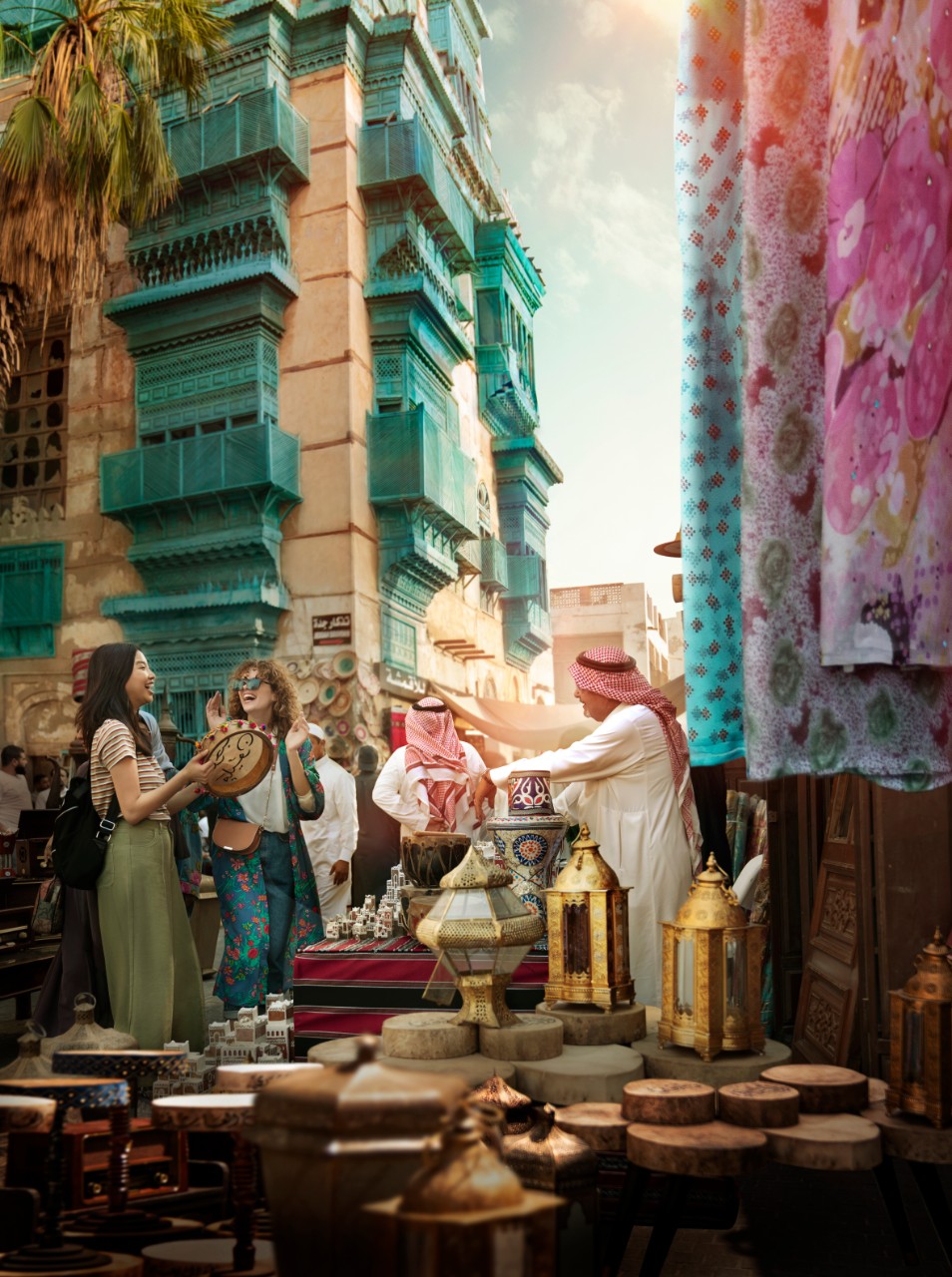
Al-Balad architecture deep dive: Roshan balconies, coral limestone, Ottoman & Hejazi styles in Jeddah's UNESCO World Heritage historic district.
Key Takeaways
- Al-Balad's Roshan (projecting wooden lattice windows) date from the 19th-century Ottoman-Hejazi building tradition — some original coral-stone towers are over 400 years old.
- The historic district covers 2.5 km² and has been a UNESCO World Heritage Site since 2014; free to walk but dedicated guided tours run SAR 60–100/person and last 2–2.5 hours.
- Best visiting time is 8–11 AM or after 4 PM — midday temperatures in Jeddah reach 38–42°C in summer and the narrow lanes offer limited shade.
- Beit Nassif, the most famous merchant house, opens to visitors Sunday–Thursday 9 AM–5 PM with free entry; it housed King Abdulaziz and still contains original 19th-century furniture.
- Al-Balad is 3 km south of Jeddah's King Fahd Fountain — combine a morning visit to the fountain viewing area with an afternoon walking tour of the historic district in a single day.
Deep Dive: The Architecture of Al-Balad
Nestled on the eastern shores of the Red Sea, the ancient heart of Jeddah, known as Al-Balad, is a living testament to centuries of trade, pilgrimage, and ingenious architectural adaptation. As we approach 2026, the UNESCO-listed Jeddah Historic District, having undergone a monumental restoration, is more vibrant and accessible than ever. To see these structures in person, follow our Al-Balad Architectural Walk route. For the full city context, see our Jeddah Travel Guide, and if you're planning a weekend, our Jeddah Weekend Itinerary pairs perfectly. This article invites you on a journey to explore the unique al-balad architecture, a style born from necessity, crafted with local materials, and designed to thrive in the challenging Red Sea climate.
The buildings of Al-Balad are not merely structures; they are organisms, breathing and adapting to their environment. Their coral stone foundations, towering heights, and intricately carved wooden Rawasheen (balconies) tell a story of resilience, innovation, and a profound connection to the sea. Forget what you think you know about ancient cityscapes; Al-Balad offers a sensory experience unlike any other.
Quick Facts: Al-Balad Architecture in 2026
- Location: Historic District of Jeddah, Saudi Arabia.
- UNESCO Status: Inscribed as a World Heritage Site in 2014.
- Dominant Materials: Coral stone, Red Sea mud (toureen), and wood (primarily teak and sandalwood).
- Key Features: Rawasheen (projecting wooden balconies), multi-story tower houses, narrow alleyways, central courtyards.
- Architectural Style: Hijazi, influenced by Ottoman, Egyptian, and Indian designs due to Jeddah's historical role as a trade and pilgrimage hub.
- Best Time to Visit: October to April for comfortable weather.
- Restoration Status (2026): Major restoration efforts, particularly by the Jeddah Historic District Program, have revitalized numerous buildings and public spaces, enhancing visitor experience.
The Genius of Coral Stone and Rawasheen: Building for the Climate
The cornerstone of al-balad architecture lies in its profound understanding of the Red Sea’s climate – blistering heat, high humidity, and occasional strong winds. The primary building material, coral stone, harvested directly from the Red Sea, was not just abundant but also incredibly effective. These porous stones, often reinforced with layers of Red Sea mud known as toureen, provided natural insulation. They absorbed the day's heat slowly, releasing it gradually at night, creating a remarkably cooler interior during the day and retaining warmth during cooler evenings.
But the true marvel, and perhaps the most iconic feature, is the Rawasheen. These elaborate, projecting wooden balconies, often spanning multiple stories, are far more than decorative elements. They are sophisticated environmental controls. The intricate lattice-work allowed for constant airflow, creating a natural ventilation system that drew in cooler air from the narrow streets below and expelled hot air. Simultaneously, they provided shade, privacy for the residents, and a vantage point to observe street life without being fully exposed. Walking through Al-Balad in 2026, you'll notice the meticulous craftsmanship of these Rawasheen, a testament to the ongoing preservation efforts.
The design of the streets themselves also played a crucial role. The labyrinthine network of narrow alleyways, often no wider than a person, maximized shade and minimized direct sun exposure. These shaded canyons created a microclimate, keeping the ground and lower walls cooler, a stark contrast to the open, sun-baked spaces just outside the historic district. This holistic approach to urban planning, where every element works in concert, underscores the brilliance of Al-Balad's early architects.
The Tower Houses: Vertical Living in a Horizontal World
Al-Balad is famous for its multi-story tower houses, some reaching up to seven stories high. These structures, often referred to as ‘vertical palaces,’ were a response to limited land area within the city walls and the need to accommodate extended families. Each floor typically housed a distinct section of the family, with communal spaces on the lower levels and private quarters on the higher ones. The elevation also offered a degree of protection from the humidity and insects at ground level, and importantly, provided cooling breezes at higher altitudes.
The construction of these towering edifices was a feat of engineering, especially considering the materials. The coral stone and wood construction required skilled artisans, and the sheer scale of some buildings, like the iconic Naseef House or the House of Baeshen, is awe-inspiring. Inside, these homes were often adorned with elaborate plasterwork, carved wooden ceilings, and vibrant textiles, reflecting the wealth and cultural sophistication of their inhabitants. In 2026, many of these grand houses have been meticulously restored, allowing visitors to glimpse the opulent lifestyle of Jeddah's merchant families.
The architecture of Al-Balad is a masterclass in passive climate control. Every design choice, from the materials to the orientation of the buildings, speaks to a deep, intuitive understanding of the environment. It's truly a living museum of sustainable design.
Beyond the Facades: Interiors and Urban Planning
While the exterior of Al-Balad's buildings is captivating, the interiors reveal another layer of architectural ingenuity. Central courtyards, common in many homes, provided an additional source of light and ventilation, creating a serene oasis within the bustling city. These courtyards often featured wells or small gardens, further contributing to a cooler microclimate. The arrangement of rooms around these courtyards ensured privacy and facilitated family life.
The urban planning of Al-Balad is equally fascinating. The organic growth of the city resulted in a complex web of streets, squares, and marketplaces. The main thoroughfares, like Souq Al-Alawi, were designed to be bustling centers of commerce, while the smaller alleyways led to residential areas, creating a clear distinction between public and private spaces. The restoration efforts in 2026 have focused not only on individual buildings but also on the public realm, improving accessibility and preserving the historic street patterns.
The mosques of Al-Balad, such as Al-Shafi'i Mosque, also showcase the distinctive al-balad architecture. Their minarets, often built with coral stone and adorned with intricate details, stand as beacons above the city. The interiors, with their cool stone floors and soaring ceilings, offer a tranquil escape from the outside world, reflecting the spiritual heart of the community.
Iconic Structures to Explore in 2026
As you wander through Al-Balad in 2026, several key buildings stand out, offering prime examples of its unique architecture. The ongoing restoration has opened up many previously inaccessible sites, providing an unprecedented opportunity for exploration.
- Naseef House (Beit Naseef): This legendary house, once home to the Naseef family and a temporary residence for King Abdulaziz, is a must-see. Its seven stories, grand Rawasheen, and a tree growing on its upper floors (a rarity for its time) make it an architectural marvel. Expect to find it fully restored and potentially housing a museum or cultural center.
- House of Baeshen (Beit Baeshen): Another magnificent merchant house, known for its distinct green Rawasheen and intricate details. It offers a glimpse into the opulent lifestyle of Jeddah's past.
- Al-Shafi'i Mosque: One of the oldest mosques in Jeddah, dating back to the Ottoman period. Its coral stone structure and unique minaret are prime examples of early Hijazi mosque architecture.
- Bab Jadid (New Gate): While many of Al-Balad's original gates have been lost, remnants and reconstructions give an idea of the city's defensive architecture. Bab Jadid is a good starting point for exploring the district.
- Souq Al-Alawi: While primarily a market, the buildings lining this bustling souq showcase typical commercial al-balad architecture, with ground-floor shops and residential or storage spaces above.
Many smaller, unnamed houses also contribute to the charm. Take time to simply get lost in the alleyways, marveling at the varied Rawasheen and the play of light and shadow on the coral stone walls.
If you are planning further ahead than 2026: Jeddah sits in the path of the total solar eclipse of 2 August 2027, with close to six minutes of totality over the city and its old town.
Planning Your Visit to Al-Balad in 2026
Visiting Al-Balad in 2026 will be an enriched experience due to the significant investments in infrastructure and restoration. Here’s what you need to know to make the most of your trip:
Essential Planning Tips:
- Accommodation: Several boutique hotels are emerging within Al-Balad itself, offering an immersive stay in restored historic buildings. Alternatively, modern hotels are available in Jeddah's newer districts, just a short taxi ride away. Expect prices for boutique hotels in Al-Balad to range from SAR 700-1500 (approx. USD 185-400) per night.
- Getting There: Jeddah's King Abdulaziz International Airport (JED) is a major hub. From the airport, taxis or ride-sharing services (Uber/Careem) are readily available. A ride to Al-Balad typically costs SAR 60-100 (approx. USD 16-27).
- Getting Around: Al-Balad is best explored on foot. The narrow streets are not suitable for cars. Consider hiring a local guide for deeper insights into the architecture and history. Guides can be arranged through your hotel or local tour operators, costing around SAR 300-600 (approx. USD 80-160) for a half-day.
- Best Time: Visit during the cooler months (October to April). Even then, mornings and late afternoons are ideal for walking. The heat can be intense during midday, especially from May to September.
- Dress Code: Saudi Arabia is a conservative country. Women should wear modest clothing that covers shoulders and knees. A headscarf is advisable for visiting mosques, though not strictly required in public spaces in Al-Balad for tourists. Men should also dress modestly.
- Photography: Al-Balad is incredibly photogenic. Be respectful when taking photos, especially of people. Always ask permission before photographing individuals.
- Food & Drink: Explore the traditional restaurants and cafes that have reopened or been established in restored buildings. Sample Hijazi specialties like Mandi, Saleeg, and fresh seafood. Expect a good meal to cost SAR 50-150 (approx. USD 13-40) per person.
- Souvenirs: The souqs offer a wide range of traditional crafts, spices, perfumes, and local art. Haggling is common and expected.
What to Know About the Restoration:
The Jeddah Historic District Program, launched under Vision 2030, has invested significantly in preserving and revitalizing Al-Balad. This means:
- Improved Infrastructure: Expect better pedestrian pathways, clearer signage, and enhanced lighting, making navigation easier and safer.
- New Cultural Spaces: Many restored buildings now house museums, art galleries, cafes, and boutique shops, offering new experiences for visitors.
- Accessibility: While the historic nature of the buildings presents challenges, efforts are being made to improve accessibility where possible, especially in public areas.
- Ongoing Evolution: Al-Balad is a dynamic project. While much has been restored by 2026, some areas might still be undergoing work. Embrace the journey of discovery!
The Future of Al-Balad: A Living Heritage
The architectural marvels of Al-Balad are not relics of the past; they are a vibrant, evolving part of Saudi Arabia's future. The meticulous restoration efforts, coupled with community engagement and cultural programming, ensure that this historic district remains a living heritage site. In 2026, Al-Balad offers more than just a glimpse into history; it provides an immersive experience into a unique architectural tradition that continues to inspire.
As you walk its ancient streets, feel the coral stone beneath your fingertips, and admire the intricate Rawasheen, you'll gain a profound appreciation for the ingenuity of those who built this extraordinary city. Al-Balad's architecture is a testament to human adaptability, artistic expression, and a deep respect for the environment – a timeless lesson for us all.
Related Reading
Plan Your Saudi Adventure
Ready to experience the Kingdom? Our AI-powered Trip Planner creates personalized itineraries based on your interests, budget, and travel dates. From Riyadh's skyline to AlUla's ancient tombs — let us help you discover Saudi Arabia your way.
Frequently Asked Questions
- What architectural style defines Al-Balad's buildings?
- Al-Balad features traditional Hijazi architecture characterized by multi-story coral stone buildings with carved wooden balconies and ornate window screens (rawasheen). This style reflects centuries of merchant heritage and represents a unique blend of Indian, Ottoman, and local Arabian influences adapted to the Red Sea coastal environment.
- When was Al-Balad built and how old are the buildings?
- Al-Balad dates back to the 7th century as Jeddah's original port settlement, with most surviving structures built between the 17th and early 20th centuries. The historic district retains approximately 600 traditionally-designed buildings, many now undergoing UNESCO-supported restoration after receiving World Heritage Site designation in 2014.
- What is rawasheen and why is it important in Al-Balad?
- Rawasheen are intricately carved wooden window screens and balconies that are signature features of Al-Balad architecture. They served practical purposes by providing ventilation, privacy, and shade in the hot climate while allowing residents to observe street life, and remain integral to the district's historic identity and aesthetic.
- Can visitors explore Al-Balad's historic buildings?
- Al-Balad welcomes visitors with accessible streets, traditional cafes, and restored buildings open to the public, including boutique hotels and cultural centers. However, many historic residences remain private, and visitors should respect cultural norms by dressing modestly and seeking permission before photographing people or private spaces.