AlUla entdecken: Ein vollständiger Reiseführer
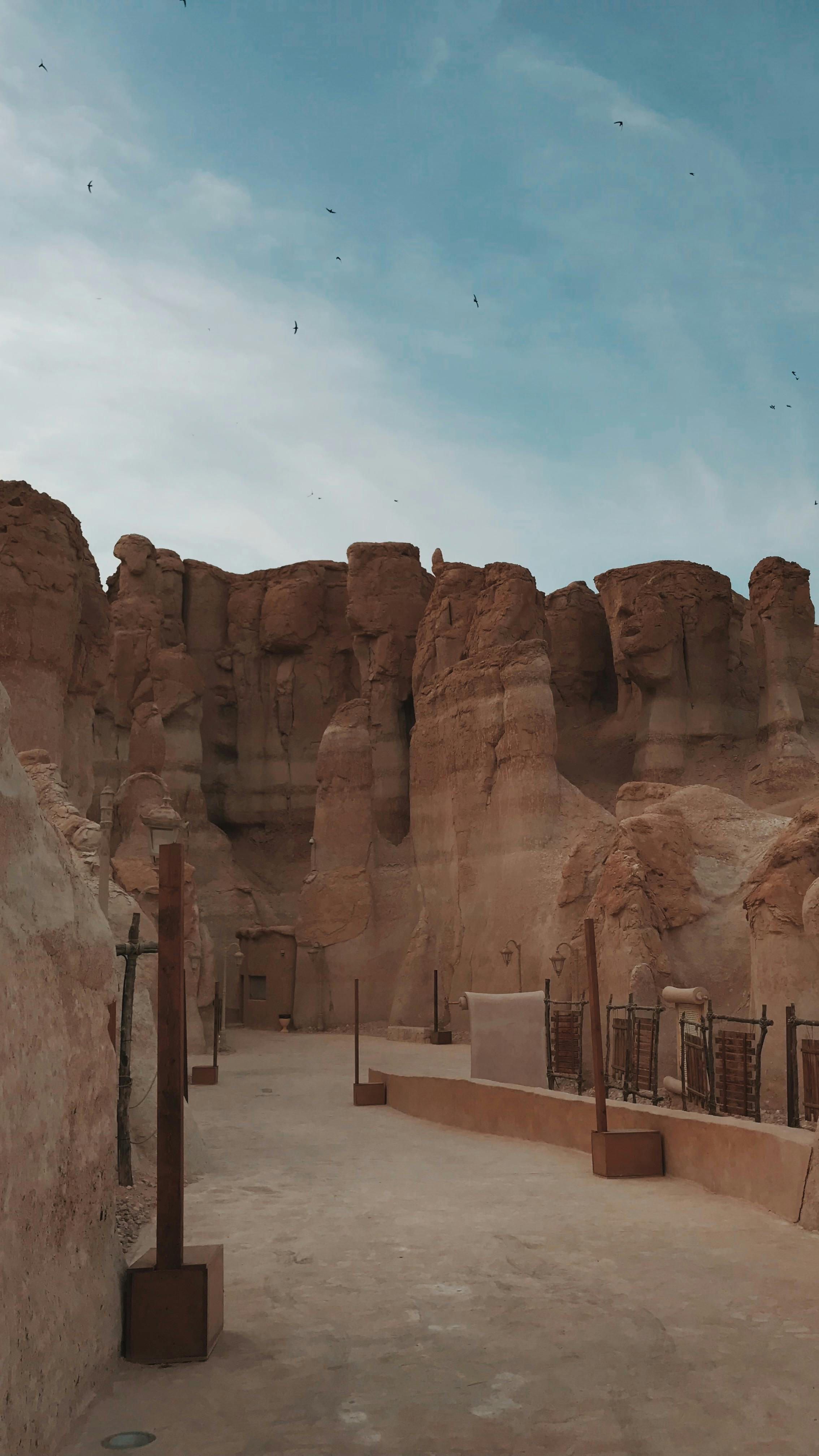
Entdecken Sie AlUla: Hegra UNESCO-Gräber, Elephant Rock, luxuriöse Wüstencamps & praktische Tipps für die Planung Ihrer AlUla-Reise im Jahr 2026.
Das Wichtigste in Kürze
- Die Royal Commission for AlUla kontrolliert den gesamten Zugang zu den Kulturerbestätten — Touren zu Hegra, Dadan und Jabal Ikmah bereits vor der Reise über die offizielle Plattform Experience AlUla buchen.
- Die Standard-Bustour durch Hegra kostet ab etwa SAR 95 und umfasst die 111 monumentalen nabatäischen Gräber, einschließlich Qasr al-Farid; für jede Kulturerbestätte 2–3 Stunden einplanen.
- Am besten zwischen Oktober und April besuchen (15–25 °C tagsüber); von Mai bis September werden regelmäßig über 40 °C erreicht, und manche Erlebnisse pausieren im Sommer.
- Selbstfahren zwischen der Stadt AlUla, der Altstadt und Elephant Rock ist erlaubt, doch die Kulturerbestätten sind nur im Rahmen geführter Bustouren ab festgelegten Treffpunkten zugänglich.
- Die Unterkünfte sind größtenteils hochpreisig: Zeltresorts ab etwa SAR 2,800–6,000 pro Nacht in der Saison, der Caravan Park etwa SAR 1,500–2,500, Gästehäuser in der Stadt für weniger.
- Das Abendprogramm: Elephant Rock zum Sonnenuntergang, danach die von Laternen beleuchtete Hauptstraße der Altstadt zum Abendessen.
AlUla entdecken: Ein vollständiger Reiseführer
Eingebettet in die weiten Wüstenlandschaften des Nordwestens Saudi-Arabiens ist AlUla mehr als nur ein Reiseziel; es ist eine Zeitreise, eine Leinwand natürlicher Wunder und ein Zeugnis menschlichen Erfindungsreichtums. Jahrhundertelang lag diese alte Oase verborgen, ihre Geheimnisse nur vom Wind geflüstert. Heute ist AlUla anmutig auf der Weltbühne erschienen und lädt anspruchsvolle Reisende ein, ihren außergewöhnlichen Reiz zu entdecken. Während Saudi-Arabien seine ehrgeizige Vision 2030 fortsetzt, steht AlUla als sein Kronjuwel da, ein Ort, an dem alte Geschichte auf zeitgenössischen Luxus trifft. Wenn Sie eine Reise nach Saudi-Arabien im Jahr 2026 planen, ist AlUla ein absolutes Muss und bietet eine unvergleichliche Mischung aus kulturellem Eintauchen, atemberaubender Landschaft und erstklassigen Erlebnissen.
Dieser umfassende Reiseführer stattet Sie mit allem aus, was Sie benötigen, um sich in AlUla zurechtzufinden, von seinen ikonischen UNESCO-Welterbestätten bis hin zu seiner aufstrebenden Kunstszene und luxuriösen Unterkünften. Bereiten Sie sich darauf vor, von einem Reiseziel gefesselt zu werden, das Ihr Verständnis von Wüstenreisen neu definieren wird.
Kurze Fakten für Ihre AlUla-Reise 2026
- Lage: Nordwest-Saudi-Arabien, ca. 1.100 km (680 Meilen) von Riad und 300 km (186 Meilen) von Medina entfernt.
- Beste Reisezeit: Oktober bis April, wenn die Temperaturen kühler und angenehmer für Outdoor-Aktivitäten sind.
- Währung: Saudi-Riyal (SAR). Ab 2026 können Sie mit Wechselkursen um 1 USD = 3,75 SAR rechnen (geringfügige Schwankungen vorbehalten).
- Sprache: Arabisch ist die Amtssprache, aber Englisch wird in Touristengebieten, Hotels und von Reiseführern weit verbreitet gesprochen.
- Visum: Die meisten internationalen Reisenden benötigen ein E-Visum oder ein Visum bei Ankunft. Überprüfen Sie das offizielle saudische E-Visum-Portal für die neuesten Anforderungen für Ihre Nationalität.
- Konnektivität: Ausgezeichnete Mobilfunkabdeckung in der Stadt AlUla und an den wichtigsten Touristenattraktionen. Kostenloses WLAN ist in den meisten Hotels und Cafés verfügbar.
Hegra: Eine Reise durch die antike nabatäische Pracht
Kein Besuch in AlUla ist vollständig ohne einen tiefen Einblick in Hegra, Saudi-Arabiens erste UNESCO-Welterbestätte und das ikonischste Zeugnis der nabatäischen Zivilisation außerhalb von Petra. In der Antike als Mada'in Salih bekannt, stammt dieses archäologische Wunder aus dem 1. Jahrhundert v. Chr. Wenn Sie durch seine weite Ausdehnung wandern, werden Sie über 110 bemerkenswert erhaltene Gräber entdecken, die direkt in hoch aufragende Sandsteinfelsen gehauen wurden, jedes mit aufwendigen Fassaden, die den Reichtum und die Kunstfertigkeit ihrer antiken Bewohner offenbaren.
Das Grab des Lihyan, Sohn des Kuza, oft wegen seiner eigenständigen Größe als „Das einsame Schloss“ bezeichnet, ist vielleicht das berühmteste. Seine schiere Größe und isolierte Majestät sind wirklich beeindruckend. Aber Hegra bietet viel mehr als nur Gräber; erkunden Sie alte Brunnen, Wassersysteme und Inschriften, die unschätzbare Einblicke in die nabatäische Lebensweise, ihre Handelsrouten und ihre ausgeklügelte Ingenieurskunst geben. Eine geführte Tour ist sehr empfehlenswert, um den historischen Kontext und die komplexen Details dieser außergewöhnlichen Stätte vollständig zu würdigen.
Der Zugang zu Hegra ist kontrolliert, um seine empfindliche Umgebung zu schützen. Besucher kommen in der Regel mit ausgewiesenen Touristenbussen vom AlUla Welcome Centre oder ihrer Unterkunft an, begleitet von einem RCU (Royal Commission for AlUla)-Führer. Touren dauern in der Regel etwa 2-3 Stunden. Denken Sie daran, Ihre Touren im Voraus zu buchen, insbesondere während der Hochsaison, da die Kapazität begrenzt sein kann.
Jenseits von Hegra: Naturwunder und kulturelle Juwelen
Während Hegra zweifellos der Star ist, ist AlUla voll von anderen faszinierenden Stätten, die sowohl ihre natürliche Schönheit als auch ihr reiches kulturelles Geflecht zeigen. Bereiten Sie sich darauf vor, von Landschaften verzaubert zu werden, die jenseitig wirken, und historischen Stätten, die Geschichten aus Jahrtausenden erzählen.
Elefantenfelsen (Jabal AlFil): Dieser kolossale Sandsteinmonolith, über Millionen von Jahren von der unerbittlichen Hand der Natur geformt, ist ein unübersehbares Naturwunder. Seine unverwechselbare elefantenartige Form, komplett mit Rüssel und Körper, macht ihn zu einem beliebten Ort für Fotos, besonders bei Sonnenuntergang, wenn der Felsen in einem warmen, goldenen Farbton leuchtet. Die Gegend um den Elefantenfelsen wurde mit bequemen Sitzgelegenheiten, Imbisswagen und Live-Unterhaltung ausgestattet, was ihn zu einem perfekten Ort für einen Abendausflug macht.
Altstadt AlUla: Machen Sie eine Zeitreise, während Sie die labyrinthartigen Gassen der Altstadt von AlUla erkunden. Diese alte Siedlung, die bis in die frühen 1980er Jahre bewohnt war, ist ein faszinierendes Labyrinth aus Lehmziegelhäusern, von denen einige aus dem 12. Jahrhundert stammen. Schlendern Sie durch die engen Gassen, entdecken Sie den restaurierten Marktplatz und stellen Sie sich das Leben der Menschen vor, die einst diese geschäftige Oase ihr Zuhause nannten. Die Altstadt wird sorgfältig restauriert, und viele Abschnitte sind jetzt zugänglich und bieten Einblicke in die traditionelle saudische Architektur und das Gemeinschaftsleben. Achten Sie auf lokale Kunsthandwerker und Pop-up-Cafés.
Dadan & Ikmah: Diese beiden Stätten bieten einen tieferen Einblick in die früheren Königreiche, die in AlUla blühten. Dadan war die Hauptstadt der dadanitischen und lihyanitischen Königreiche, die aus dem 9.-2. Jahrhundert v. Chr. stammen. Hier können Sie Überreste der antiken Stadt sehen, einschließlich der in die roten Felswände gehauenen „Löwengräber“. In der Nähe wird Jabal Ikmah oft als „Open-Air-Bibliothek“ bezeichnet, die Tausende alter Inschriften in verschiedenen Sprachen beherbergt und einen unschätzbaren Einblick in die Geschichte und sprachliche Entwicklung der Region bietet. Diese Stätten werden in der Regel im Rahmen einer geführten Tour besucht und bieten tiefgreifende historische Einblicke.
Luxus in der Wüste: Unterkünfte und Erlebnisse
AlUla hat sich schnell als erstklassiges Luxusziel etabliert und bietet eine Reihe exquisiter Unterkünfte und unvergleichlicher Erlebnisse, die nahtlos mit der natürlichen Umgebung verschmelzen. Von Weltklasse-Resorts bis hin zu einzigartigen Glamping-Optionen ist für jeden anspruchsvollen Reisenden etwas dabei.
Luxus-Resorts:
- Banyan Tree AlUla: Diskret eingebettet zwischen den Sandsteinfelsen des Ashar Valley bietet das Banyan Tree eine Sammlung von Zeltvillen mit privaten Pools, die traditionelles arabisches Design mit zeitgenössischem Luxus verbinden. Erwarten Sie tadellosen Service, exquisite Küche und eine ruhige Atmosphäre. Die Preise für eine Villa mit einem Schlafzimmer beginnen im Jahr 2026 typischerweise bei SAR 3.500-6.000 (ca. USD 930-1.600) pro Nacht, je nach Saison.
- Habitas AlUla: Habitas konzentriert sich auf ganzheitliches Wohlbefinden und nachhaltigen Luxus und bietet ein einzigartiges immersives Erlebnis. Die modularen, umweltfreundlichen Villen sind so konzipiert, dass sie mit der Wüstenlandschaft harmonieren. Gäste können Yoga, Kunstinstallationen und Farm-to-Table-Gerichte genießen.
Die Preise beginnen in der Regel bei etwa SAR 2.800-5.000 (ca. USD 750-1.330) pro Nacht.
- Our Habitas Caravan: Für einen abenteuerlicheren und dennoch luxuriösen Aufenthalt sollten Sie die Airstream-Wohnwagen bei Our Habitas Caravan in Betracht ziehen. Diese stilvollen, voll ausgestatteten Wohnwagen bieten ein einzigartiges Glamping-Erlebnis unter dem Sternenhimmel, komplett mit Zugang zu Gemeinschaftseinrichtungen und Aktivitäten. Die Preise sind im Allgemeinen erschwinglicher und beginnen bei SAR 1.500-2.500 (ca. USD 400-670) pro Nacht.
Einzigartige Erlebnisse: AlUlas Luxus geht über die Unterkunft hinaus. Gönnen Sie sich Heißluftballonfahrten über Hegra bei Sonnenaufgang, die unvergleichliche Panoramablicke auf die alten Gräber und die weite Wüste bieten. Begeben Sie sich auf aufregende Wüstensafaris, erkunden Sie versteckte Canyons bei maßgeschneiderten Wandertouren oder genießen Sie Sternenbeobachtungssitzungen, die von erfahrenen Astronomen geleitet werden. Für ein wirklich einzigartiges kulinarisches Erlebnis speisen Sie unter dem Sternenhimmel in einem Pop-up-Restaurant in einer dramatischen Wüstenlandschaft, oft mit international renommierten Köchen bei besonderen Veranstaltungen.
Kulinarische Köstlichkeiten: Ein Geschmack von AlUla
AlUlas kulinarische Szene entwickelt sich rasant und bietet eine köstliche Fusion aus traditionellen arabischen Aromen, internationaler Küche und innovativen Farm-to-Table-Konzepten. Von zwanglosen Cafés bis hin zu gehobenen Restaurants werden Ihre Geschmacksknospen verwöhnt.
Traditionelle saudische Aromen: Suchen Sie in der Altstadt von AlUla oder rund um die AlUla-Oase nach lokalen Restaurants für authentische saudische Gerichte. Verpassen Sie nicht, Kabsa (ein duftendes Reisgericht mit Fleisch), Harees (ein herzhafter Weizen- und Fleischbrei) und Thareed (Brot, das mit Gemüse und Fleisch geschmort wird) zu probieren. Datteln, ein Grundnahrungsmittel der Region, werden oft als süße Beilage serviert oder in Desserts verarbeitet. Genießen Sie frische Säfte aus lokalen Früchten.
Zeitgenössische Küche:
- Maraya Social: Auf dem Dach der atemberaubenden Maraya Concert Hall gelegen, bietet das Maraya Social ein raffiniertes kulinarisches Erlebnis mit Schwerpunkt auf saisonalen, lokal bezogenen Zutaten. Chefkoch Jason Athertons Menü verbindet europäische und arabische Einflüsse, ergänzt durch atemberaubende Ausblicke auf das Ashar Valley. Die Hauptgerichte kosten voraussichtlich zwischen SAR 180-350 (ca. USD 48-93).
- Tawlet Fayza: Ein charmantes Restaurant in der Altstadt von AlUla, Tawlet Fayza, bietet frische, hausgemachte saudische und nahöstliche Küche in einer entspannten, einladenden Atmosphäre.
Es ist ein ausgezeichneter Ort für ein zwangloses Mittag- oder Abendessen, wobei die Gerichte oft im Familien-Stil serviert werden. Hauptgerichte kosten typischerweise zwischen SAR 80-150 (ca. USD 21-40).
- Food Trucks und Cafés: An beliebten Orten wie dem Elephant Rock und der AlUla-Oase finden Sie eine Vielzahl stilvoller Food Trucks und Cafés, die alles von Gourmetkaffee und Gebäck bis hin zu internationalen Snacks und leichten Mahlzeiten anbieten. Diese sind perfekt für einen schnellen Imbiss während der Erkundung.
Viele Luxusresorts verfügen auch über außergewöhnliche Restaurants, die oft internationale Köche und innovative Menüs mit lokalen Produkten anbieten. Erwägen Sie einen Kochkurs, um die Geheimnisse der saudischen Küche aus erster Hand zu erfahren.
Kunst, Kultur und Veranstaltungen: Der Puls von AlUla
AlUla ist nicht nur eine Stätte alter Geschichte; es ist ein lebendiges Zentrum für zeitgenössische Kunst, Kultur und Veranstaltungen, insbesondere während der Hochsaison. Die Royal Commission for AlUla (RCU) hat stark in die Schaffung einer dynamischen Kulturlandschaft investiert, die ihre historischen Schätze ergänzt.
Maraya Concert Hall: Ein architektonisches Wunderwerk, Maraya ist das größte verspiegelte Gebäude der Welt und spiegelt die atemberaubende Landschaft von AlUla wider. Dieser hochmoderne Veranstaltungsort beherbergt das ganze Jahr über internationale Konzerte, Kunstausstellungen und kulturelle Veranstaltungen. Überprüfen Sie die offizielle AlUla-Website für den Veranstaltungsplan 2026, der oft weltbekannte Künstler und Darsteller umfasst.
Desert X AlUla: Diese biennale Kunstausstellung verwandelt die Wüste von AlUla in eine Freiluftgalerie und zeigt ortsspezifische Installationen von saudischen und internationalen Künstlern. Wenn Ihr Besuch mit Desert X zusammenfällt (typischerweise alle zwei Jahre, wobei das nächste wahrscheinlich Anfang 2026 stattfindet), ist dies ein unvergessliches Erlebnis, das Kunst mit der erhabenen natürlichen Umgebung verbindet.
AlUla Arts Festival: Dieses jährlich stattfindende Festival feiert AlUlas künstlerisches Erbe und zeitgenössische Kreativität. Es bietet ein vielfältiges Programm aus Ausstellungen, Aufführungen, Workshops und Künstlerresidenzen an verschiedenen Orten. Behalten Sie den offiziellen AlUla-Kalender für die Termine und Details 2026 im Auge.
Festivals und Veranstaltungen: AlUla veranstaltet das ganze Jahr über eine Vielzahl von Themenfestivals, die alles von Datteln und Zitrusfrüchten bis hin zu Pferdesport und Abenteuer feiern. Diese Veranstaltungen umfassen oft traditionelle Darbietungen, lokale Märkte und familienfreundliche Aktivitäten und bieten eine wunderbare Gelegenheit, in die lokale Kultur einzutauchen.
Planen Sie Ihr AlUla-Abenteuer 2026: Wichtige Tipps
Um eine reibungslose und unvergessliche Reise nach AlUla zu gewährleisten, ist eine sorgfältige Planung unerlässlich. Hier sind einige praktische Tipps, die Ihnen bei der Vorbereitung Ihres Besuchs im Jahr 2026 helfen.
Anreise und Fortbewegung
- Flüge: Der AlUla International Airport (ULH) bietet Direktflüge von großen saudischen Städten wie Riyadh (RUH) und Jeddah (JED sowie einige internationale Verbindungen. Es ist ratsam, Flüge weit im Voraus zu buchen, insbesondere während der Hochsaison.
- Bodentransport: Sobald Sie in AlUla sind, können private Transfers vom Flughafen zu Ihrer Unterkunft problemlos arrangiert werden. Für die Erkundung der Sehenswürdigkeiten betreibt AlUla ein gut organisiertes System von geführten Touren und Shuttleservices. Obwohl Mietwagen verfügbar sind, erfordern viele wichtige Orte den Zugang über offizielle Tourfahrzeuge.
- Interne Shuttles: Die meisten Luxusresorts bieten kostenlose Shuttleservices zu den wichtigsten Attraktionen und zum AlUla Welcome Centre an.
Buchung und Touren
- Im Voraus buchen: Die Beliebtheit von AlUla bedeutet, dass Unterkünfte, Touren (insbesondere Hegra) und beliebte Restaurantreservierungen schnell ausgebucht sein können. Buchen Sie alles so früh wie möglich, insbesondere wenn Sie in den kühleren Monaten (Oktober-April) oder während großer Veranstaltungen reisen.
- Offizielles Buchungsportal: Nutzen Sie die offizielle AlUla-Website (Experience AlUla) für die Buchung von Touren, Erlebnissen und zur Überprüfung von Veranstaltungsplänen. Dies stellt sicher, dass Sie über autorisierte Kanäle buchen.
- Geführte Touren: Für Orte wie Hegra, Dadan und Ikmah ist eine geführte Tour obligatorisch und bietet einen unschätzbaren historischen Kontext.
Was Sie einpacken sollten
- Bequeme Kleidung: Leichte, atmungsaktive Kleidung ist unerlässlich, besonders für Erkundungen im Freien. Obwohl AlUla ein fortschrittliches Reiseziel ist, ist bescheidene Kleidung respektvoll gegenüber der lokalen Kultur. Für Frauen bedeutet dies im Allgemeinen, Schultern und Knie zu bedecken. Männer sollten übermäßig freizügige Kleidung vermeiden.
- Schichten: Die Temperaturen in der Wüste können dramatisch schwanken. Packen Sie Schichten ein, einschließlich einer leichten Jacke oder eines Pullovers für kühlere Abende, auch in wärmeren Monaten.
- Sonnenschutz: Ein breitkrempiger Hut, eine Sonnenbrille und Sonnenschutzmittel mit hohem Lichtschutzfaktor sind entscheidend für den Schutz vor der starken Wüstensonne.
- Bequeme Wanderschuhe: Sie werden viel auf unebenem Gelände laufen, daher sind robuste, bequeme Schuhe ein Muss.
- Wiederverwendbare Wasserflasche: Bleiben Sie hydriert! Viele Hotels und Sehenswürdigkeiten bieten Wasserauffüllstationen an.
- Kamera: AlUla ist unglaublich fotogen. Vergessen Sie Ihre Kamera und zusätzliche Batterien/Speicherkarten nicht.
Kulturelle Etikette und lokale Besonderheiten
- Respektieren Sie lokale Bräuche: Saudi-Arabien ist ein konservatives Land. Achten Sie auf lokale Bräuche und Traditionen. Öffentliche Zuneigungsbekundungen sind im Allgemeinen unerwünscht.
- Fotografie: Obwohl das Fotografieren im Allgemeinen erlaubt ist, fragen Sie immer um Erlaubnis, bevor Sie Personen, insbesondere Frauen, fotografieren. Seien Sie diskret, wenn Sie sensible Bereiche fotografieren.
- Alkohol: Alkohol ist in Saudi-Arabien nicht erhältlich. Respektieren Sie dieses lokale Gesetz.
- Trinkgeld: Trinkgeld wird geschätzt, ist aber nicht obligatorisch. Für guten Service sind 10-15 % in Restaurants üblich. Für Reiseführer und Fahrer ist ein Trinkgeld von 50-100 SAR (ca. 13-27 USD) pro Tag eine großzügige Geste.
💡 Insider-Tipps
- Besuchen Sie früh am Morgen, um weniger Menschenmassen und angenehme Temperaturen zu erleben.
- Laden Sie die Saudi Tourism App herunter, um Echtzeit-Updates zu Veranstaltungen und Attraktionen zu erhalten.
- Führen Sie Bargeld für kleinere Verkäufer mit sich, obwohl die meisten Orte Karten akzeptieren.
- Kleiden Sie sich in öffentlichen Bereichen bescheiden – leichte, lockere Kleidung ist bei Hitze am besten geeignet.
Erleben Sie den Zauber von AlUla
AlUla ist ein Reiseziel, das Erwartungen übertrifft und eine tiefe Verbindung zu Geschichte, Natur und Kunst bietet. Seine alten Echos hallen durch die Canyons, sein sternenklarer Himmel weckt Staunen und seine luxuriösen Angebote bieten unvergleichlichen Komfort. Während Saudi-Arabien seine Türen der Welt weiter öffnet, ist AlUla bereit, Sie mit seiner einzigartigen Mischung aus Mystik und Modernität willkommen zu heißen.
Ob Sie ein begeisterter Geschichtsliebhaber, ein Abenteurer, ein Luxusreisender oder einfach jemand sind, der einen außergewöhnlichen Kurzurlaub sucht, AlUla verspricht eine unvergessliche Reise. Beginnen Sie noch heute mit der Planung Ihres AlUla-Abenteuers 2026 und bereiten Sie sich darauf vor, die Geheimnisse dieses wirklich bemerkenswerten Reiseziels zu lüften.
Abschließende Gedanken
„AlUla entdecken: Ein vollständiger Reiseführer“ ist ein Zeugnis der bemerkenswerten Transformation Saudi-Arabiens im Rahmen der Vision 2030. Ob Sie alte Geschichte, adrenalingeladene Abenteuer oder erstklassige Gastfreundschaft suchen, dieses Reiseziel liefert auf jeder Ebene. Zögern Sie nicht – das Königreich entwickelt sich rasant, und es gab noch nie einen besseren Zeitpunkt für einen Besuch.
Häufig gestellte Fragen
Wann ist die beste Reisezeit?
Von Oktober bis März ist das Wetter am angenehmsten. Die Temperaturen sind mild und perfekt für Besichtigungen. Vermeiden Sie die Monate Juni bis August, es sei denn, Sie besuchen Küstengebiete.
Benötige ich ein Visum?
Bürger aus über 49 Ländern können innerhalb weniger Minuten online ein Touristen-E-Visum beantragen. Der Prozess ist über das offizielle saudische Visaportal unkompliziert.
Ist „Unlocking AlUla: A Complete Travel Guide“ familienfreundlich?
Ja! Saudi-Arabien hat stark in Familienunterhaltung, Parks und kulturelle Erlebnisse investiert, die für alle Altersgruppen geeignet sind.
Was sollte ich anziehen?
In der Öffentlichkeit wird bescheidene Kleidung erwartet. Leichte, atmungsaktive Stoffe eignen sich am besten. Frauen müssen keine Abaya mehr tragen, aber Schultern und Knie sollten bedeckt sein.
Waren Sie schon einmal in Saudi-Arabien? Teilen Sie Ihre Erfahrungen, Lieblingsorte und Reisetipps in den Kommentaren unten – Ihre Einblicke helfen anderen Reisenden, bessere Reisen zu planen!
Häufig gestellte Fragen
- How many days do you need in AlUla?
- Two full days cover the essentials: Hegra plus Elephant Rock and Old Town on one day, Dadan, Jabal Ikmah and the oasis on the other. Three to four days allow a balloon flight, canyon hikes and a slower pace. Day trips from Madinah exist but waste most of the experience.
- What is the best time to visit AlUla?
- October through April, when daytime temperatures sit around 15-25°C. May to September regularly exceeds 40°C and parts of the events calendar pause. The winter festival season brings the fullest programme — and the highest hotel prices, so book early for those weeks.
- How much does visiting Hegra cost?
- The standard guided coach tour of Hegra starts at about SAR 95 per person and lasts around two to three hours. Entry is only possible on official tours booked through the Experience AlUla platform, and peak-season slots sell out ahead of time, so reserve before you travel.
- Do you need a car in AlUla?
- A rental car is useful for moving between AlUla town, Old Town, Elephant Rock and your hotel, since taxis are scarce. The heritage sites themselves — Hegra, Dadan and Jabal Ikmah — can only be entered on official guided tours that depart by coach from designated meeting points, so you cannot drive into them independently.
- What are the main sights in AlUla?
- Hegra, Saudi Arabia's first UNESCO World Heritage site with 111 monumental Nabataean tombs; Dadan, the older Lihyanite capital with its cliff-face Lion Tombs; Jabal Ikmah, a canyon of ancient inscriptions on UNESCO's Memory of the World register; AlUla Old Town's mud-brick lanes; Elephant Rock at sunset; and Maraya, the world's largest mirrored building.