Transport in Saudi-Arabien – Ihr Leitfaden für die Fortbewegung
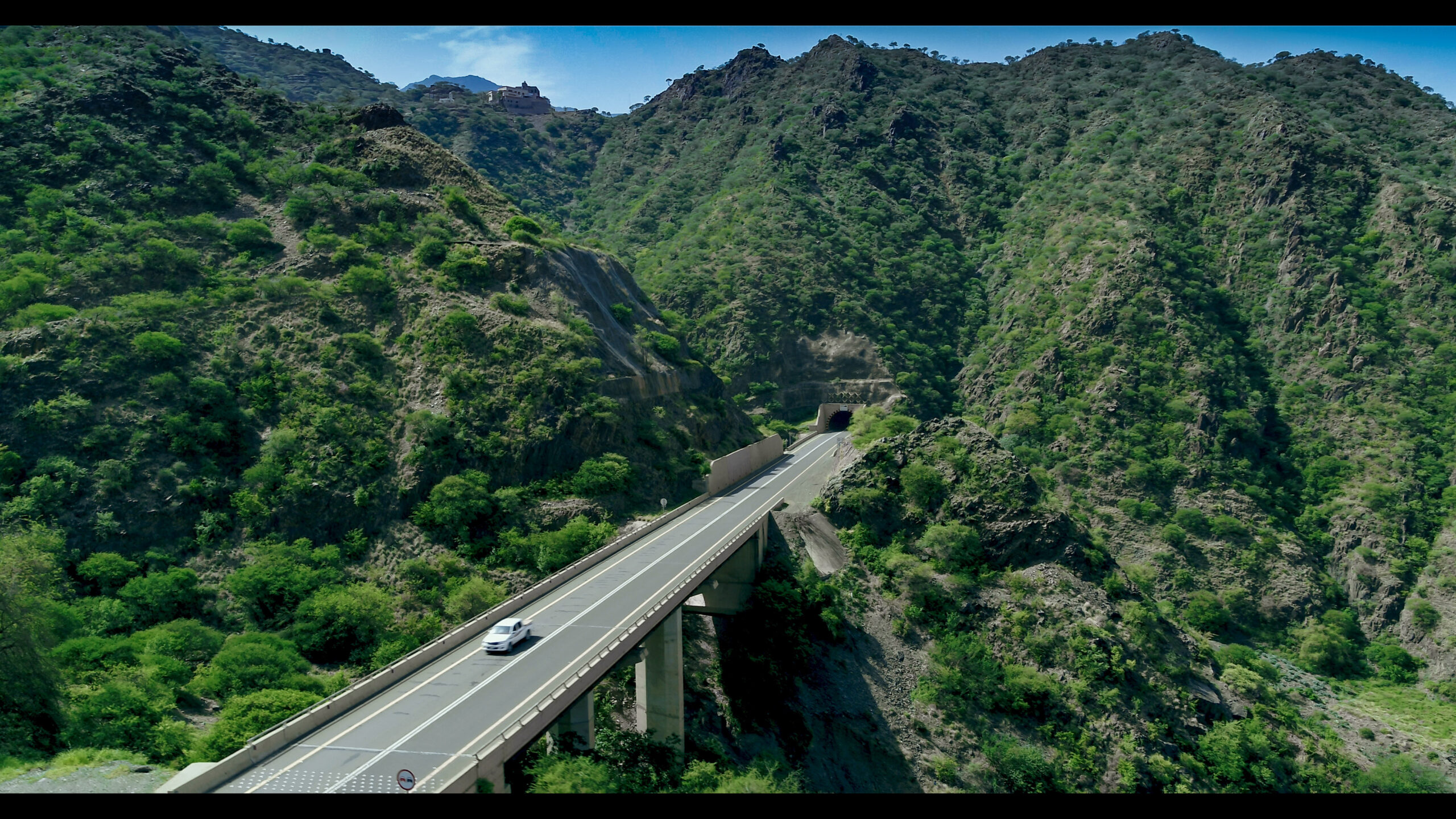
Entdecken Sie, wie Sie sich in Saudi-Arabien fortbewegen: Inlandsflüge, Mietwagen, Züge, Taxis und Ride-Sharing-Apps. Ihr kompletter Transportführer.
Das Wichtigste in Kürze
- Inlandsflüge: Saudia, flynas und flyadeal verbinden alle Städte ab SAR 150–500 pro einfacher Strecke.
- Die Metro Riad (6 Linien) und die geplante Metro Dschidda verändern den städtischen Nahverkehr grundlegend.
- Uber und Careem sind die dominierenden Fahrdienst-Apps — verfügbar in allen Großstädten.
- Die Fernbusse von SAPTCO sind mit SAR 50–150 zwischen Großstädten budgetfreundlich.
- Mietwagen ab SAR 120/Tag — unverzichtbar für Roadtrips und Gebiete ohne öffentlichen Nahverkehr.
Transport in Saudi-Arabien – Ihr Leitfaden für die Fortbewegung
Saudi-Arabien, ein Land alter Wunder und futuristischer Visionen, befindet sich in einem rasanten Wandel, der es für Reisende zugänglicher und angenehmer denn je macht. Wenn Sie Ihr Abenteuer für 2026 planen, ist das Verständnis der vielfältigen Transportmöglichkeiten entscheidend, um die weiten Landschaften des Königreichs zu erschließen – von den schimmernden Küsten des Roten Meeres bis zu den majestätischen Wüsten und geschäftigen Metropolen. Dieser umfassende Leitfaden von Explore Saudi führt Sie durch die besten Wege, sich fortzubewegen, und stellt sicher, dass Ihre Reise so reibungslos und unvergesslich wird wie die Reiseziele selbst.
Die Investitionen des Königreichs in die Infrastruktur sind beeindruckend, mit neuen Flughäfen, Hochgeschwindigkeitsstrecken und einem sich ständig verbessernden Straßennetz. Ob Sie die Geschwindigkeit von Inlandsflügen, die Flexibilität eines Mietwagens, den Komfort eines modernen Zuges oder die Bequemlichkeit von Ride-Sharing-Apps bevorzugen, Saudi-Arabien bietet ein Transportmittel für jede Reiseroute und jedes Budget. Lassen Sie uns die Besonderheiten der Navigation in dieser faszinierenden Nation genauer betrachten.
Kurze Fakten für Reisen im Jahr 2026
- Währung: Saudi-Riyal (SAR). Ungefähr 1 USD = 3,75 SAR (geringfügigen Schwankungen unterworfen).
- Fahrseite: Rechts.
- Große Flughäfen: King Khalid International Airport (RUH) in Riyadh, King Abdulaziz International Airport (JED) in Jeddah, Prince Mohammad Bin Abdulaziz International Airport (MED) in Medina, King Fahd International Airport (DMM) in Dammam.
- Hochgeschwindigkeitszug: Die Haramain High-Speed Railway verbindet Mecca, Jeddah, King Abdullah Economic City und Medina.
- Ride-Sharing: Uber und Careem sind in Großstädten weit verbreitet.
- Öffentliche Verkehrsmittel: Erweiterung der U-Bahn- und Busnetze in Riyadh und Jeddah.
Inlandsflüge: Über das Königreich schweben
Angesichts der immensen Größe Saudi-Arabiens sind Inlandsflüge oft der effizienteste Weg, um lange Strecken zwischen Großstädten und Regionen zurückzulegen. Das Königreich verfügt über ein gut ausgebautes Flughafennetz, wobei große Fluggesellschaften wie Saudia (die nationale Fluggesellschaft) und Billigfluggesellschaften wie Flynas häufige Verbindungen anbieten. Diese Option ist ideal für Reisende mit einem engen Zeitplan oder für diejenigen, die verschiedene Regionen wie die historischen Stätten von AlUla, die pulsierende Hauptstadt Riyadh und die Küstenstadt Jeddah erkunden möchten.
Eine frühzeitige Buchung wird dringend empfohlen, insbesondere während der Hochsaison oder an Feiertagen wie Eid, um bessere Tarife und Verfügbarkeiten zu sichern. Erwarten Sie moderne, komfortable Flugzeuge und effiziente Flughafendienste. Zum Beispiel dauert ein Flug von Riyadh nach Jeddah typischerweise etwa 1,5 bis 2 Stunden, mit Preisen zwischen 250-600 SAR (ca. 67-160 USD), abhängig von der Fluggesellschaft, dem Buchungszeitpunkt und der Klasse. Ähnlich werden Flüge nach AlUla von Riyadh oder Jeddah immer beliebter, mit Preisen ab 350 SAR (ca. 93 USD).
Praktische Tipps für Inlandsflüge
- Früh buchen: Für die besten Preise und Verfügbarkeiten, insbesondere für beliebte Routen.
- Gepäckbestimmungen prüfen: Billigfluggesellschaften haben oft strengere Gepäckbestimmungen.
- Flughafentransfers: Planen Sie Ihre Weiterreise vom Flughafen. Taxis, Ride-Sharing-Apps und manchmal Hotel-Shuttles sind verfügbar.
- Rechtzeitig ankommen: Mindestens 2 Stunden vor dem geplanten Abflug für Inlandsflüge.
Mietwagen: Die Freiheit der offenen Straße
Für diejenigen, die Unabhängigkeit und die Flexibilität suchen, in ihrem eigenen Tempo zu erkunden, ist ein Mietwagen eine ausgezeichnete Wahl. Das Straßennetz Saudi-Arabiens ist im Allgemeinen gut gewartet und weitläufig und verbindet Städte, Gemeinden und sogar abgelegenere Attraktionen. Dies ist besonders vorteilhaft, um Regionen wie die Asir-Berge, das Empty Quarter (mit einer geführten Tour) zu erkunden oder einen Roadtrip entlang der Küste des Roten Meeres zu unternehmen.
Große internationale Mietwagenfirmen wie Avis, Hertz, Europcar und Budget sind in ganz Saudi-Arabien tätig, mit Schaltern an allen großen Flughäfen und in Stadtzentren. Lokale Mietwagenfirmen bieten ebenfalls wettbewerbsfähige Preise an. Um ein Auto zu mieten, benötigen Sie in der Regel einen gültigen internationalen Führerschein (IDP) in Verbindung mit dem Führerschein Ihres Heimatlandes, eine Kreditkarte und müssen mindestens 21 Jahre alt sein (einige Unternehmen verlangen möglicherweise 23 oder 25 Jahre). Die Kraftstoffpreise sind in Saudi-Arabien relativ erschwinglich, was lange Fahrten wirtschaftlich macht.
Was Sie über das Autofahren in Saudi-Arabien wissen sollten
- Internationaler Führerschein: Unerlässlich für Nicht-GCC-Bürger.
- Straßenverhältnisse: Im Allgemeinen ausgezeichnet, insbesondere auf Hauptautobahnen. Achten Sie auf Radarkameras.
- Navigation: Google Maps und Waze funktionieren gut. Laden Sie Offline-Karten für abgelegene Gebiete herunter.
- Kulturelle Überlegungen: Fahren Sie defensiv, besonders in städtischen Gebieten. Achten Sie auf lokale Fahrgewohnheiten.
- Parken: Im Allgemeinen ausreichend, kann aber in überfüllten Stadtzentren schwierig sein.
- Versicherung: Stellen Sie sicher, dass Ihr Mietwagen eine Vollkaskoversicherung beinhaltet.
„Das Fahren durch die weiten, sich ständig verändernden Landschaften Saudi-Arabiens bietet ein unvergleichliches Gefühl der Entdeckung. Von den alten Vulkanfeldern bei Harrat Khaybar bis zu den dramatischen Klippen des Edge of the World ermöglicht ein eigenes Fahrzeug spontane Umwege und atemberaubende Begegnungen.“ – Explore Saudi Redaktionsteam
Züge: Moderner Komfort und Effizienz
Das Eisenbahnnetz Saudi-Arabiens wird erheblich ausgebaut, wobei die Haramain High-Speed Railway (HHR) ein Paradebeispiel für moderne Ingenieurskunst und Effizienz ist. Dieser hochmoderne Zug verbindet die heiligen Städte Mekka und Medina mit Haltestellen in Jeddah und King Abdullah Economic City (KAEC). Es ist eine unglaublich komfortable und schnelle Art, zwischen diesen wichtigen Zielen zu reisen, besonders beliebt bei Pilgern, die den Haddsch oder die Umra durchführen.
Die HHR bietet verschiedene Klassen, von Economy bis Business, mit Annehmlichkeiten an Bord wie WLAN und Catering. Eine Fahrt von Jeddah nach Medina dauert beispielsweise etwa 2 Stunden, wobei die Ticketpreise für die Economy Class zwischen 120 und 200 SAR (ca. 32–53 USD) liegen. Neben der HHR betreibt die Saudi Railway Company (SAR) Passagierdienste, die Riad mit Städten in der Ostprovinz wie Dammam und Hofuf verbinden. Obwohl diese Züge keine Hochgeschwindigkeitszüge sind, bieten sie eine komfortable Alternative zum Autofahren oder Fliegen für regionale Reisen.
Buchung und Nutzung saudischer Züge
- Haramain High-Speed Railway: Buchen Sie Tickets online über die offizielle Website oder an den Bahnhofskiosken rechtzeitig im Voraus, insbesondere während der religiösen Jahreszeiten.
- SAR-Züge: Tickets können online oder an den Bahnhöfen gekauft werden.
- Früh ankommen: Die Bahnhöfe sind modern und geräumig, es ist jedoch ratsam, mindestens 30 Minuten vor Abfahrt einzutreffen.
- Gepäck: Achten Sie auf die Gepäckbestimmungen, die jedoch im Allgemeinen großzügiger sind als bei Fluggesellschaften.
Taxis und Ride-Sharing-Apps: Bequemlichkeit auf Knopfdruck
Für die Fortbewegung innerhalb von Städten oder für kürzere Überlandfahrten sind Taxis und Ride-Sharing-Apps Ihre erste Wahl. Traditionelle Taxis sind in den meisten städtischen Zentren leicht verfügbar und oft an ihren markanten Farben zu erkennen (obwohl dies variieren kann). Es ist ratsam, sich vor Fahrtantritt auf einen Fahrpreis zu einigen oder sicherzustellen, dass der Taxameter läuft.
Für Bequemlichkeit, Transparenz und oft bessere Preise dominieren jedoch Ride-Sharing-Apps wie Uber und Careem (eine beliebte regionale Alternative, die jetzt Uber gehört) in großen saudischen Städten wie Riad, Jeddah, Dammam und Medina. Diese Apps sind unglaublich benutzerfreundlich und ermöglichen es Ihnen, eine Fahrt zu buchen, Ihren Fahrer zu verfolgen und nahtlos über Ihr Smartphone zu bezahlen. Sie bieten verschiedene Fahrzeugtypen, von Standardlimousinen bis hin zu größeren SUVs, und in einigen Gebieten sogar Optionen mit ausschließlich weiblichen Fahrern.
Tipps für Taxis und Ride-Sharing
- Apps herunterladen: Stellen Sie sicher, dass Sie Uber und Careem vor Ihrer Ankunft installiert und eingerichtet haben.
- Lokale SIM-Karte: Unerlässlich für eine zuverlässige App-Nutzung und Kommunikation mit Fahrern.
- Zahlung: Verknüpfen Sie eine Kreditkarte mit Ihrer App für bargeldlose Transaktionen. Barzahlung ist bei einigen Fahrern ebenfalls eine Option.
- Sicherheit: Überprüfen Sie immer den Namen des Fahrers, das Fahrzeugmodell und das Kennzeichen mit den App-Informationen, bevor Sie in das Auto steigen.
- Sprachbarriere: Obwohl viele Fahrer etwas Englisch sprechen, kann es hilfreich sein, Ihr Ziel auf Arabisch aufzuschreiben oder die In-App-Chat-Übersetzung zu verwenden.
Öffentliche Verkehrsmittel: Das sich entwickelnde städtische Netz
Obwohl das öffentliche Verkehrsnetz Saudi-Arabiens historisch weniger entwickelt war als in anderen globalen Städten, expandiert es rasant, insbesondere in seinen großen städtischen Zentren. Riad beispielsweise steht kurz vor der Einführung seines ehrgeizigen Metrosystems, das die städtische Mobilität in der Hauptstadt revolutionieren soll. Dieses hochmoderne Netz wird sechs Linien und 85 Stationen umfassen und eine effiziente und umweltfreundliche Möglichkeit bieten, die geschäftige Stadt zu erkunden.
Jeddah plant ebenfalls ein eigenes Metrosystem, und beide Städte investieren in moderne Busnetze. Seit 2026 ist die Metro Riad auf allen sechs Linien voll in Betrieb, und der Busverkehr in wichtigen Städten wird weiter ausgebaut. Diese Systeme bieten Einwohnern und Touristen erschwingliche und bequeme Möglichkeiten, städtische Attraktionen zu erkunden, ohne sich ausschließlich auf private Fahrzeuge oder Ride-Sharing verlassen zu müssen.
Öffentliche Verkehrsmittel im Jahr 2026 nutzen
- Metro Riad: Nutzen Sie die aufladbare Darb-Karte (SAR 10, an jeder Station erhältlich) oder eine kontaktlose Bankkarte; ein Standard-Zweistunden-Ticket kostet SAR 4.
- Busnetze: Achten Sie auf ausgewiesene Bushaltestellen und Routen. Zahlungsmethoden können Transportkarten oder direkte Barzahlung umfassen.
- Informationen: Überprüfen Sie die offiziellen Websites oder Apps der Stadtverkehrsbetriebe für die neuesten Streckenpläne, Fahrpläne und Fahrpreise.
- Barrierefreiheit: Die neue Infrastruktur für öffentliche Verkehrsmittel ist barrierefrei gestaltet.
Was Sie vor Ihrer Reise wissen sollten: Ihre Transportplanung für 2026
Die Planung Ihres Transports in Saudi-Arabien für 2026 erfordert eine Mischung aus Weitsicht und Flexibilität. Das Königreich ist ein Land der Kontraste, und Ihre Transportart sollte die Region widerspiegeln, die Sie erkunden, und das Erlebnis, das Sie suchen. Hier sind einige übergreifende Tipps, um eine reibungslose Reise zu gewährleisten:
Berücksichtigen Sie die Entfernungen. Saudi-Arabien ist das größte Land im Nahen Osten, und was auf einer Karte wie ein kurzer Sprung aussieht, kann eine 8-stündige Fahrt sein. Zum Beispiel beträgt die Reise von Riad nach Abha im Süden über 900 km (ca. 560 Meilen), was einen Flug zu einer weitaus praktischeren Option macht als ein Auto. Umgekehrt erkundet man die historischen Stätten rund um AlUla am besten mit einem Mietwagen oder vorab organisierten privaten Touren.
Wichtige Planungstipps
- Kombinieren Sie: Scheuen Sie sich nicht, verschiedene Transportmittel zu kombinieren. Fliegen Sie lange Strecken, mieten Sie ein Auto für regionale Erkundungen und nutzen Sie Fahrdienste für Fahrten in der Stadt.
- Konnektivität: Kaufen Sie bei Ihrer Ankunft eine lokale SIM-Karte (STC, Mobily, Zain sind die wichtigsten Anbieter). Dies ist entscheidend für die Navigation, Fahrdienst-Apps und um in Verbindung zu bleiben.
- App-Downloads: Laden Sie vor Ihrer Reise wichtige Apps wie Uber, Careem und Google Maps herunter.
- Im Voraus buchen: Besonders für Flüge, Züge (HHR) und beliebte Mietwagen kann eine frühzeitige Buchung Geld sparen und die Verfügbarkeit sichern.
- Kulturelles Bewusstsein: Respektieren Sie die lokalen Bräuche. Während der Gebetszeiten können einige Dienste vorübergehend unterbrochen oder langsamer sein.
- Kleiderordnung: Obwohl nicht direkt transportbezogen, denken Sie daran, sich bescheiden zu kleiden, insbesondere wenn Sie öffentliche Verkehrsmittel nutzen oder religiöse Stätten besuchen.
- Notfallkontakte: Halten Sie lokale Notrufnummern bereit.
„Saudi-Arabien im Jahr 2026 ist ein Traum für Reisende, mit einer Infrastruktur, die nicht nur funktional, sondern beeindruckend ist. Genießen Sie die Reise genauso wie das Ziel, und Sie werden feststellen, dass die Navigation durch das Königreich ein bereichernder Teil Ihres Abenteuers ist.“ – Explore Saudi Magazine
Von den glänzenden Hochgeschwindigkeitszügen, die heilige Städte verbinden, bis zur Freiheit eines Wüsten-Roadtrips bietet der Transport in Saudi-Arabien eine Vielzahl von Möglichkeiten für den modernen Reisenden. Mit sorgfältiger Planung und Offenheit werden Sie feststellen, dass die Fortbewegung in diesem großartigen Land ein integraler Bestandteil seiner sich entfaltenden Geschichte ist und es Ihnen ermöglicht, seine Vergangenheit, Gegenwart und Zukunft lebendig zu erleben.
Häufig gestellte Fragen
- What is the best way to get around Saudi Arabia?
- The most reliable options are renting a car with a valid International Driving Permit or hiring a private driver. Saudi Arabia has an extensive network of well-maintained highways connecting major cities, with modern petrol stations and rest stops. Domestic flights via Flyadeal or Saudia are also popular for longer distances.
- Do I need an International Driving Permit to rent a car?
- Yes, visitors must present a valid IDP along with their home country driving license. Your IDP must be obtained in your home country before arrival. Many car rental agencies are located at major airports and city centers across Saudi Arabia.
- Is public transportation available in Saudi Arabia?
- Major cities like Riyadh and Jeddah have modern public transport systems including metro and bus services. Riyadh metro is efficient with multiple lines. However, coverage outside major areas is limited, so a rental car is recommended.
- What are the driving rules I should know?
- Drive on the right side of the road, seatbelts are mandatory, speed limits range 40-120 km/h. Traffic police actively enforce with radar. Respect signs, avoid night driving in remote areas, ensure documentation is accessible.