Reiseführer Mekka
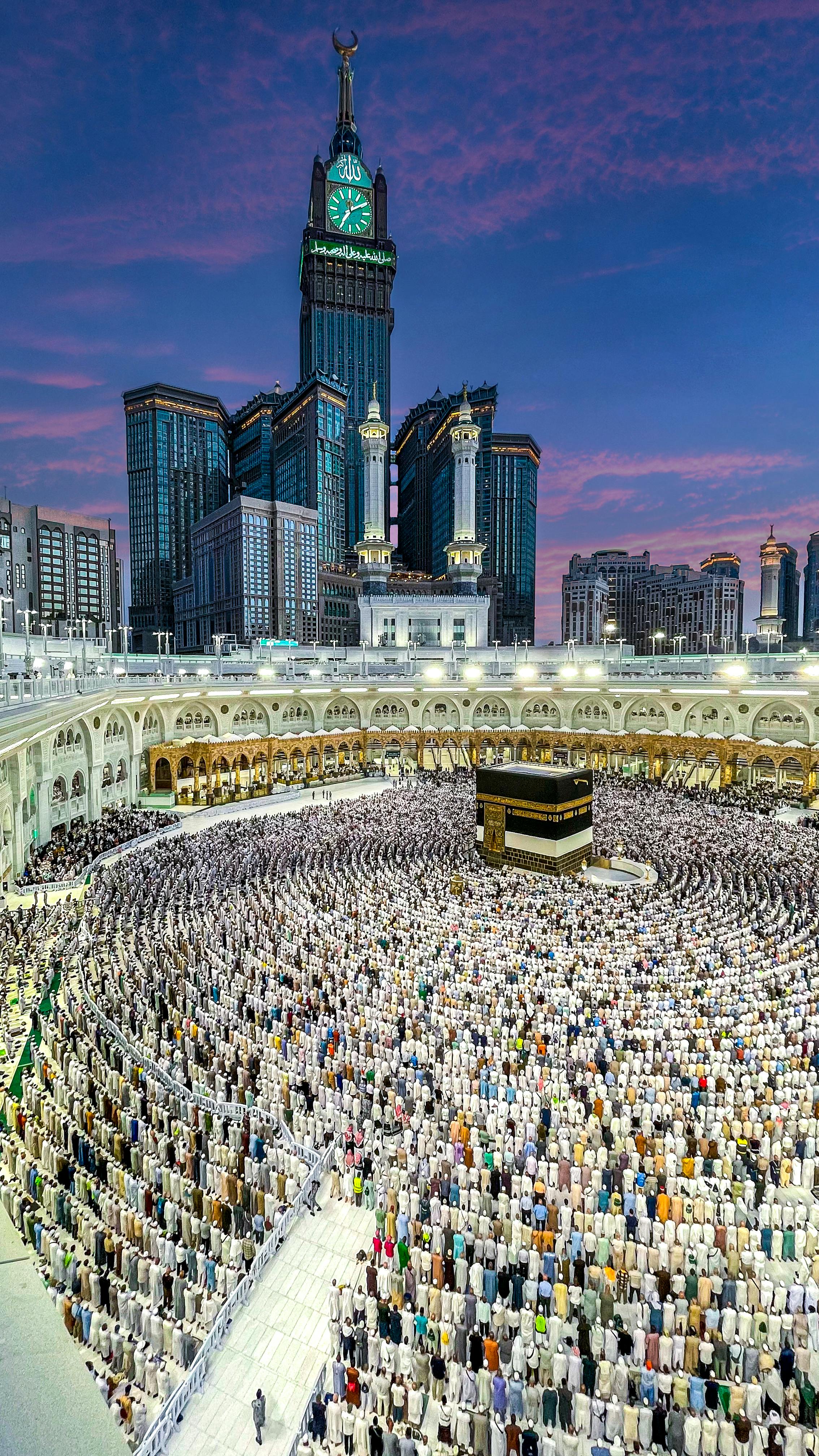
Ihr umfassender Reiseführer für Mekka 2026: Unterkünfte, Umrah/Hadsch-Tipps, religiöse Stätten & Transport. Planen Sie Ihre Pilgerreise zur heiligen Stadt.
Das Wichtigste in Kürze
- Der Zutritt zu Mekka ist ausschließlich Muslimen vorbehalten — Nicht-Muslimen ist es gesetzlich untersagt, die Stadt zu betreten, und alle Kontrollpunkte auf den Zufahrtsstraßen werden von den saudischen Behörden durchgesetzt.
- Die Erweiterung der Masjid al-Haram bietet Platz für bis zu 2,5 Millionen Betende; der Tawaf (Umrundung der Kaaba) im Erdgeschoss ist nach dem Maghrib-Gebet am vollsten — die Dachebene ist weniger überfüllt.
- Die Umrah kann ganzjährig durchgeführt werden; außerhalb von Ramadan und Hajj-Saison (Dhul Hijjah) dauert der vollständige Ablauf von der Ankunft bis zum Abschluss der Sa'i zwischen Safa und Marwa etwa 3–4 Stunden.
- Die Hotels im Uhrturm Abraj Al-Bait (Fairmont, Hilton, Pullman) bieten direkten Blick auf den Haram ab SAR 900–2,500/Nacht; für den Ramadan 3–6 Monate im Voraus buchen, da die Preise dann auf über SAR 5,000 steigen können.
- Das Zamzam-Wasser ist an Hunderten von Ausgabestellen innerhalb der Moschee kostenlos erhältlich — eine wiederverwendbare Flasche mitbringen; abgefülltes Zamzam-Wasser in 5-Liter-Behältern kostet in lokalen Supermärkten SAR 7–10 für den Hausgebrauch.
Ihr unverzichtbarer Reiseführer für Mekka 2026: Eine Pilgerreise fürs Leben
Willkommen, Pilger, in Mekka al-Mukarramah – dem geehrten Mekka. Diese heilige Stadt, Geburtsort des Propheten Muhammad (Friede sei mit ihm) und Heimat der Heiligen Kaaba, ist das spirituelle Herz des Islam. Für Millionen stellt sie die ultimative Glaubensreise dar, eine tiefgreifende Erfahrung, die das Gewöhnliche übersteigt. Ob Sie sich auf die gesegnete Reise der Umrah begeben oder sich auf den monumentalen Hadsch vorbereiten, dieser umfassende Reiseführer für Mekka 2026 soll Sie mit allen notwendigen Informationen ausstatten, von praktischer Logistik bis hin zu spirituellen Einblicken, um sicherzustellen, dass Ihre Pilgerreise so reibungslos, erfüllend und unvergesslich wie möglich wird.
Während Saudi-Arabien seine ehrgeizige Vision 2030 fortsetzt, erfährt Mekka eine bedeutende Entwicklung, um das Pilgererlebnis zu verbessern. Erwarten Sie modernste Infrastruktur, verbesserte Verkehrsnetze und einen erneuten Fokus auf Gastfreundschaft. Dieser Reiseführer wird Sie durch Unterkunftsmöglichkeiten in der Nähe des Harams führen, die wesentlichen religiösen Stätten detailliert beschreiben, wichtige Planungstipps für Umrah und Hadsch geben und praktische Ratschläge anbieten, um Ihren Besuch wirklich besonders zu machen.
Kurze Fakten für Ihre Mekka-Reise (2026)
- Offizieller Name: Mekka al-Mukarramah (Mekka)
- Lage: Westliche Region Saudi-Arabiens, in der historischen Provinz Hedschas.
- Bevölkerung: Ca. 2,5 Millionen (Kernstadt).
- Währung: Saudi-Riyal (SAR). Ab 2026 entspricht 1 USD ungefähr 3,75 SAR (Wechselkurse können variieren).
- Sprache: Arabisch (offiziell). Englisch wird in Hotels, großen Einkaufszentren und von vielen Dienstleistern für Pilger weit verbreitet gesprochen.
- Zeitzone: Arabia Standard Time (AST), UTC+3.
- Beste Reisezeit: Für die Umrah ist außerhalb der Hadsch-Saison (Dhul Hijjah) und des Ramadan im Allgemeinen weniger überfüllt. Die Wintermonate (November bis März) bieten kühlere Temperaturen.
- Visabestimmungen: eVisa ist für viele Nationalitäten verfügbar, einschließlich des neuen Umrah+-Touristenvisums. Hadsch-Visa sind spezifisch und erfordern einen Antrag über autorisierte Agenturen.
- Kleiderordnung: Dezente Kleidung ist unerlässlich. Für Männer: Ihram für Umrah/Hadsch. Für Frauen: locker sitzende Kleidung, die den gesamten Körper außer Gesicht und Händen bedeckt.
- Elektrizität: Steckdosen Typ G (britischer Standard), 230V, 60Hz.
Anreise nach Mekka: Flughäfen und Transport
Ihre Reise nach Mekka beginnt typischerweise mit einem Flug zum King Abdulaziz International Airport (KAIA) in Jeddah (JED), dem nächstgelegenen großen internationalen Flughafen. KAIA wurde kürzlich massiv erweitert, einschließlich des hochmodernen Terminals 1, das speziell für den Zustrom von Pilgern konzipiert wurde. Von Jeddah aus ist Mekka etwa 75-100 Kilometer entfernt, eine Fahrt, die mit dem Auto etwa 1 bis 1,5 Stunden dauert.
Alternativ können Sie am Prince Mohammad bin Abdulaziz International Airport (MED) in Medina ankommen, insbesondere wenn Sie planen, zuerst Medina zu besuchen. Von Medina aus ist Mekka etwa 450 Kilometer entfernt, eine Reise, die mit dem Auto oder dem Hochgeschwindigkeitszug Haramain Express unternommen werden kann. Der Zug wird wegen seiner Effizienz und seines Komforts sehr empfohlen.
Transportmöglichkeiten von Jeddah nach Mekka:
- Haramain Hochgeschwindigkeitszug: Die bequemste und schnellste Option. Der Zug verbindet die Haramain-Station des KAIA direkt mit der Rusaifah-Station in Mekka. Die Fahrpreise liegen typischerweise zwischen 50-80 SAR (ca. 13-21 USD) für ein Economy-Ticket. Buchen Sie im Voraus, besonders während der Hochsaison.
- Taxi/Fahrdienste: Am Flughafen leicht verfügbar. Stellen Sie sicher, dass Sie sich vorher auf einen Fahrpreis einigen oder verwenden Sie Taxameter-Taxis. Fahrdienst-Apps wie Uber und Careem sind beliebt und bieten transparente Preise, die typischerweise zwischen 150-250 SAR (ca. 40-67 USD) für ein Standardauto liegen.
- Privattransfer: Viele Hotels und Reiseveranstalter bieten im Voraus gebuchte private Transfers an, die Komfort und Bequemlichkeit bieten, insbesondere für Familien oder Reisende mit viel Gepäck. Die Kosten sind im Allgemeinen höher und beginnen bei 300 SAR (ca. 80 USD).
- Bus: Öffentliche Busse sind verfügbar und die wirtschaftlichste Option, wenn auch weniger bequem für Reisende mit Gepäck oder solche, die einen direkten Transfer wünschen.
„Der Haramain Hochgeschwindigkeitszug hat das Reisen zwischen Jeddah, Mekka und Medina revolutioniert. Seine Geschwindigkeit, sein Komfort und seine direkte Anbindung verbessern das Pilgererlebnis erheblich und verkürzen die Reisezeiten drastisch.“
Unterkunft in Mekka: Nähe und Komfort
Die Wahl der richtigen Unterkunft in Mekka ist von größter Bedeutung, wobei die Nähe zur Masjid al-Haram für die meisten Pilger oberste Priorität hat. Das Gebiet unmittelbar um die Große Moschee, bekannt als Central Area, bietet eine breite Palette von Hotels, von luxuriösen 5-Sterne-Häusern bis hin zu preisgünstigeren Optionen. Eine frühzeitige Buchung ist entscheidend, insbesondere während der Hochsaison wie Ramadan und Hadsch, wenn die Preise steigen und die Verfügbarkeit knapp wird.
Viele Hotels bieten direkten Blick auf die Kaaba oder den Haram und ermöglichen so ein unvergleichliches spirituelles Erlebnis. Ziehen Sie Hotels in Betracht, die Teil des Abraj Al Bait Komplexes (Makkah Clock Royal Tower), der Jabal Omar Development oder des Hilton Convention Centers sind, da diese direkt mit den Haram-Höfen verbunden oder nur einen sehr kurzen Fußweg entfernt sind. Diese Unterkünfte verfügen oft über spezielle Gebetsbereiche, mehrere Restaurants und Shuttleservices, falls sie etwas weiter entfernt liegen.
Unterkunftskategorien und Preisspannen (pro Nacht, Schätzungen für 2026):
- Luxus (5-Sterne): SAR 700-3000+ (ca. USD 187-800+) – Beispiele: Fairmont Makkah Clock Royal Tower, Raffles Makkah Palace, Conrad Makkah, Hilton Suites Makkah. Erwarten Sie luxuriöse Annehmlichkeiten, Executive Lounges und direkten Zugang zum Haram.
- Mittelklasse (3-4-Sterne): SAR 300-700 (ca. USD 80-187) – Beispiele: Millennium Makkah Al Naseem, voco Makkah, Swissôtel Makkah. Diese bieten komfortable Zimmer, guten Service und oft Shuttlebusse zum Haram, falls sie nicht fußläufig erreichbar sind.
- Budget (1-2-Sterne/Apart-Hotels): SAR 150-300 (ca. USD 40-80) – Weiter vom Haram entfernt, oft eine kurze Taxifahrt oder Busfahrt erforderlich. Diese bieten grundlegende Annehmlichkeiten und sind für Pilger mit kleinerem Budget geeignet.
Bestätigen Sie bei der Buchung immer die Entfernung zum Haram und ob das Hotel einen Shuttleservice anbietet. Lesen Sie aktuelle Bewertungen, um einen Eindruck von Sauberkeit, Servicequalität und tatsächlichen Gehzeiten zu erhalten. Viele Umrah- und Hadsch-Pakete beinhalten die Unterkunft, prüfen Sie daher, was angeboten wird, bevor Sie selbst buchen.
Umrah und Hadsch verrichten: Eine spirituelle Reise
Der Hauptzweck eines Besuchs in Mekka ist die Durchführung der Umrah oder des Hadsch. Das Verständnis der Rituale, Anforderungen und der Logistik für jede Pilgerreise ist grundlegend für eine erfüllende Pilgerfahrt. Beide erfordern einen Zustand des Ihram, spezifische Kleidung und einen geweihten Geisteszustand, der an den dafür vorgesehenen Miqat-Punkten vor dem Erreichen Mekkas eingenommen wird.
Umrah: Die kleine Pilgerfahrt
Die Umrah kann zu jeder Jahreszeit durchgeführt werden, ist aber besonders während des Ramadan beliebt. Die Rituale umfassen:
- Ihram: Eintreten in den Zustand des Ihram an einem Miqat. Männer tragen zwei ungenähte weiße Tücher; Frauen tragen bescheidene, weite Kleidung.
- Tawaf: Siebenmaliges Umrunden der Kaaba gegen den Uhrzeigersinn.
- Sa'i: Siebenmaliges Gehen zwischen den Hügeln Safa und Marwah.
- Tahalul: Rasieren (für Männer) oder Abschneiden einer Haarsträhne (für Frauen), was das Ende der Umrah bedeutet.
Für 2026 optimiert die saudische Regierung weiterhin den Umrah-Prozess. Viele Nationalitäten können online ein eVisa erhalten, oft in Kombination mit einem Touristenvisum, was größere Flexibilität ermöglicht. Offizielle Umrah-Apps und digitale Plattformen werden zunehmend zur Buchung von Genehmigungen und zur Steuerung des Besucherstroms eingesetzt.
Hadsch: Die große Pilgerfahrt
Der Hadsch ist eine obligatorische Pilgerfahrt für jeden Muslim, der dazu in der Lage ist, und wird einmal im Leben während des islamischen Monats Dhul Hijjah durchgeführt. Es handelt sich um eine umfangreichere und körperlich anspruchsvollere Reihe von Ritualen, die sich über mehrere Tage erstrecken und Besuche in Mekka, Mina, Arafat und Muzdalifah umfassen. Aufgrund ihres Umfangs erfordert der Hadsch spezielle Hadsch-Visa, die nach Quoten an Länder vergeben werden und über autorisierte Hadsch-Reiseveranstalter beantragt werden müssen.
Die Planung für den Hadsch im Jahr 2026 erfordert eine frühzeitige Buchung bei einer seriösen Hadsch-Agentur, oft ein Jahr oder länger im Voraus. Diese Agenturen kümmern sich um Visa, Flüge, Unterkunft und Transport innerhalb Saudi-Arabiens. Die Kosten variieren je nach Pakettyp (Economy, Standard, VIP) und Dauer erheblich, typischerweise zwischen SAR 20.000 und SAR 60.000+ (ca. USD 5.300-16.000+ pro Person).
Mekka erkunden: Heilige Stätten jenseits des Haram
Während die Masjid al-Haram das unbestreitbare spirituelle Zentrum ist, sind Mekka und seine Umgebung reich an historischen und religiösen Stätten, die tiefere Einblicke in die islamische Geschichte bieten. Der Besuch dieser Stätten, oft als Ziyarat bezeichnet, kann Ihre spirituelle Reise bereichern.
Wichtige Ziyarat-Stätten:
- Jabal al-Nour (Berg des Lichts): Hier befindet sich die Höhle von Hira, wo der Prophet Muhammad (Friede sei mit ihm) seine erste Offenbarung erhielt. Der Aufstieg ist anstrengend, bietet aber einen Panoramablick auf Mekka.
- Jabal al-Thawr (Berg Thawr): Enthält die Höhle von Thawr, wo der Prophet (Friede sei mit ihm) und Abu Bakr (möge Allah mit ihm zufrieden sein) während ihrer Migration nach Medina Zuflucht suchten.
- Jannat al-Mu'alla: Der alte Friedhof von Mekka, wo viele Familienmitglieder und Gefährten des Propheten begraben sind, darunter seine erste Frau, Khadijah (möge Allah mit ihr zufrieden sein).
- Masjid al-Jinn: Eine Moschee, die an den Ort erinnert, an dem eine Gruppe von Dschinn den Islam angenommen haben soll, nachdem sie die Rezitation des Korans durch den Propheten gehört hatten.
- Ausstellung der Architektur der beiden Heiligen Moscheen: In der Gegend von Umm Al-Joud gelegen, zeigt dieses Museum die Geschichte, Architektur und Erweiterung der Masjid al-Haram und der Masjid an-Nabawi. Der Eintritt ist frei.
- Uhrturm-Museum: Im Makkah Clock Royal Tower gelegen, bietet es atemberaubende Ausblicke und Einblicke in die Zeitmessung und Astronomie.
Viele lokale Reiseveranstalter bieten organisierte Ziyarat-Touren an, die eine bequeme Möglichkeit sein können, mehrere Stätten zu besuchen. Alternativ können Taxis oder Fahrdienste für individuelle Besuche gemietet werden. Stellen Sie immer sicher, dass Sie einen seriösen Fahrer haben.
Praktische Tipps für Ihre Pilgerreise nach Mekka (2026)
Ein gut vorbereiteter Pilger ist ein komfortabler Pilger. Hier sind wichtige Tipps, um sicherzustellen, dass Ihre Reise nach Mekka so reibungslos und spirituell bereichernd wie möglich verläuft:
Vor Ihrer Reise:
- Visumantrag: Beantragen Sie Ihr Visum rechtzeitig. Überprüfen Sie die neuesten Anforderungen für Ihre Nationalität auf der offiziellen Website des saudischen Außenministeriums oder über autorisierte Agenten.
- Gesundheit und Impfungen: Konsultieren Sie Ihren Arzt bezüglich erforderlicher Impfungen (z. B. Meningitis ACWY) und notwendiger Medikamente. Führen Sie eine Kopie Ihres Impfpasses mit sich.
- Reiseversicherung: Schließen Sie eine umfassende Reiseversicherung ab, die medizinische Notfälle, Reisestornierungen und Gepäckverlust abdeckt.
- Wesentliche Packliste:
- Für den Ihram: Zwei ungenähte weiße Tücher für Männer, bescheidene Kleidung für Frauen.
- Bequeme Gehschuhe/Sandalen (Sie werden viel laufen).
- Leichte, bescheidene Kleidung für den Alltag.
- Kleiner Gebetsteppich, kleiner Koran, Bittgebetsbuch.
- Persönliche Toilettenartikel (unparfümiert, wenn im Ihram).
- Tragbares Ladegerät für Ihr Telefon.
- Kleiner Rucksack für das Nötigste während Tawaf/Sa'i.
- Verschreibungspflichtige Medikamente mit ärztlicher Bescheinigung.
- Erlernen der Rituale: Machen Sie sich mit den Schritten der Umrah oder des Hadsch vertraut. Es gibt viele ausgezeichnete Bücher, Videos und Online-Ressourcen.
- Finanzplanung: Informieren Sie Ihre Bank über Ihre Reisepläne. Führen Sie eine Mischung aus Bargeld (SAR), Kredit-/Debitkarten mit sich und erwägen Sie eine Prepaid-Reisekarte.
Während Ihres Aufenthalts:
- Bleiben Sie hydriert: Makkah kann heiß sein, besonders außerhalb des Winters. Trinken Sie viel Zamzam-Wasser, das im gesamten Haram leicht erhältlich ist.
- Menschenmengenmanagement: Der Haram kann extrem überfüllt sein, besonders während der Gebetszeiten. Seien Sie geduldig, bewegen Sie sich langsam und vermeiden Sie Drängeln.
- Persönliche Sicherheit: Bewahren Sie Ihre Wertsachen sicher auf. Achten Sie auf Ihre Umgebung, besonders in überfüllten Bereichen.
- Respektieren Sie lokale Bräuche: Kleiden Sie sich bescheiden, vermeiden Sie öffentliche Zuneigungsbekundungen und respektieren Sie die Gebetszeiten.
- Fotografie: Obwohl das Fotografieren in öffentlichen Bereichen im Allgemeinen erlaubt ist, seien Sie respektvoll und vermeiden Sie es, Personen ohne Erlaubnis zu fotografieren. Konzentrieren Sie sich im Haram auf die Architektur und allgemeine Szenen.
- Kommunikation: Kaufen Sie bei Ihrer Ankunft eine lokale SIM-Karte für eine einfachere Navigation und Kommunikation. STC, Mobily und Zain sind die wichtigsten Anbieter.
- Einkaufen: Makkah bietet eine Vielzahl von Einkaufsmöglichkeiten, von traditionellen Souks in der Nähe des Haram bis hin zu modernen Einkaufszentren wie der Abraj Al Bait Mall. Beliebte Souvenirs sind Gebetsteppiche, Attar (Parfüm), Datteln und religiöse Bücher. Feilschen ist in Souks üblich.
- Essen und Trinken: Makkah bietet vielfältige kulinarische Optionen, von traditionellen saudischen Gerichten bis hin zu internationaler Küche. Viele Hotels verfügen über Restaurants, und es gibt zahlreiche Lokale im und um den Haram. Probieren Sie lokale Spezialitäten wie Mandi oder Kabsa.
Planung Ihrer Reise für 2026: Was Sie wissen sollten
Saudi-Arabien investiert kontinuierlich in seine Infrastruktur und Dienstleistungen, um die wachsende Zahl von Pilgern aufzunehmen. Für 2026 sind weitere Verbesserungen bei digitalen Diensten, Transport und Pilgerwohlfahrtsprogrammen zu erwarten. Die Betonung der Technologie durch die Regierung bedeutet, dass offizielle Apps für Navigation, Gebetszeiten und sogar die Überwachung von Menschenmengen zunehmend in das Pilgererlebnis integriert werden.
Beachten Sie, dass der islamische Kalender ein Mondkalender ist, was bedeutet, dass sich die Daten für Ramadan und Hadsch im gregorianischen Kalender jedes Jahr um etwa 10-11 Tage nach vorne verschieben. Für 2026 wird erwartet, dass der Ramadan um den 17. Februar beginnt und der Hadsch um den 24. Juni. Dies sind Spitzenzeiten, die eine sorgfältige Planung und höhere Budgets erfordern.
Berücksichtigen Sie die emotionalen und physischen Anforderungen Ihrer Pilgerreise. Es ist eine zutiefst spirituelle Reise, aber auch eine körperlich anspruchsvolle, besonders während des Hadsch. Bereiten Sie sich mental und physisch vor und suchen Sie bei Fragen zu den Ritualen Rat bei erfahrenen Pilgern oder Religionsgelehrten.
Ihre Reise nach Makkah ist mehr als nur eine Reise; sie ist ein tiefgreifendes spirituelles Erwachen. Mit sorgfältiger Planung und einem offenen Herzen wird Ihre Pilgerreise im Jahr 2026 zweifellos eine transformative Erfahrung sein, die sich ein Leben lang in Ihr Gedächtnis einprägt. Möge Ihre Pilgerreise angenommen und gesegnet sein.
Häufig gestellte Fragen
- Can non-Muslims visit Makkah?
- No. Entry to Makkah is restricted to Muslims only under Saudi law, and checkpoints on all approach roads enforce this without exception. Non-Muslim travellers can instead visit Madinah's city area, Jeddah, AlUla and the rest of the country.
- What is the difference between Hajj and Umrah?
- Hajj is the annual pilgrimage performed on fixed days of the Islamic month of Dhul-Hijjah and is one of the Five Pillars of Islam. Umrah is a shorter, voluntary pilgrimage that can be performed at any time of year. Both involve rituals at the Kaaba in Makkah and are open to Muslims only; the Saudi tourist eVisa covers Umrah but not Hajj, which requires a dedicated Hajj visa.
- How long does Hajj take?
- The core rites of Hajj take five to six days, from 8 to 12 or 13 Dhul-Hijjah. They include Tawaf around the Kaaba, Sa'i between Safa and Marwa, standing at Arafat, nights at Muzdalifah and Mina, and the symbolic stoning, ending around Eid al-Adha. Most pilgrims stay longer to include Madinah.
- Is Makkah very crowded during Hajj?
- Yes. Hajj draws well over 1.5 million pilgrims each year, making it one of the largest annual gatherings in the world. Crowds are most intense around the Kaaba and at the central rites; outside Hajj season and Ramadan, Umrah can be completed in a few hours at a much calmer pace.