Ist Saudi-Arabien teuer? Ein Kostenvergleichsleitfaden
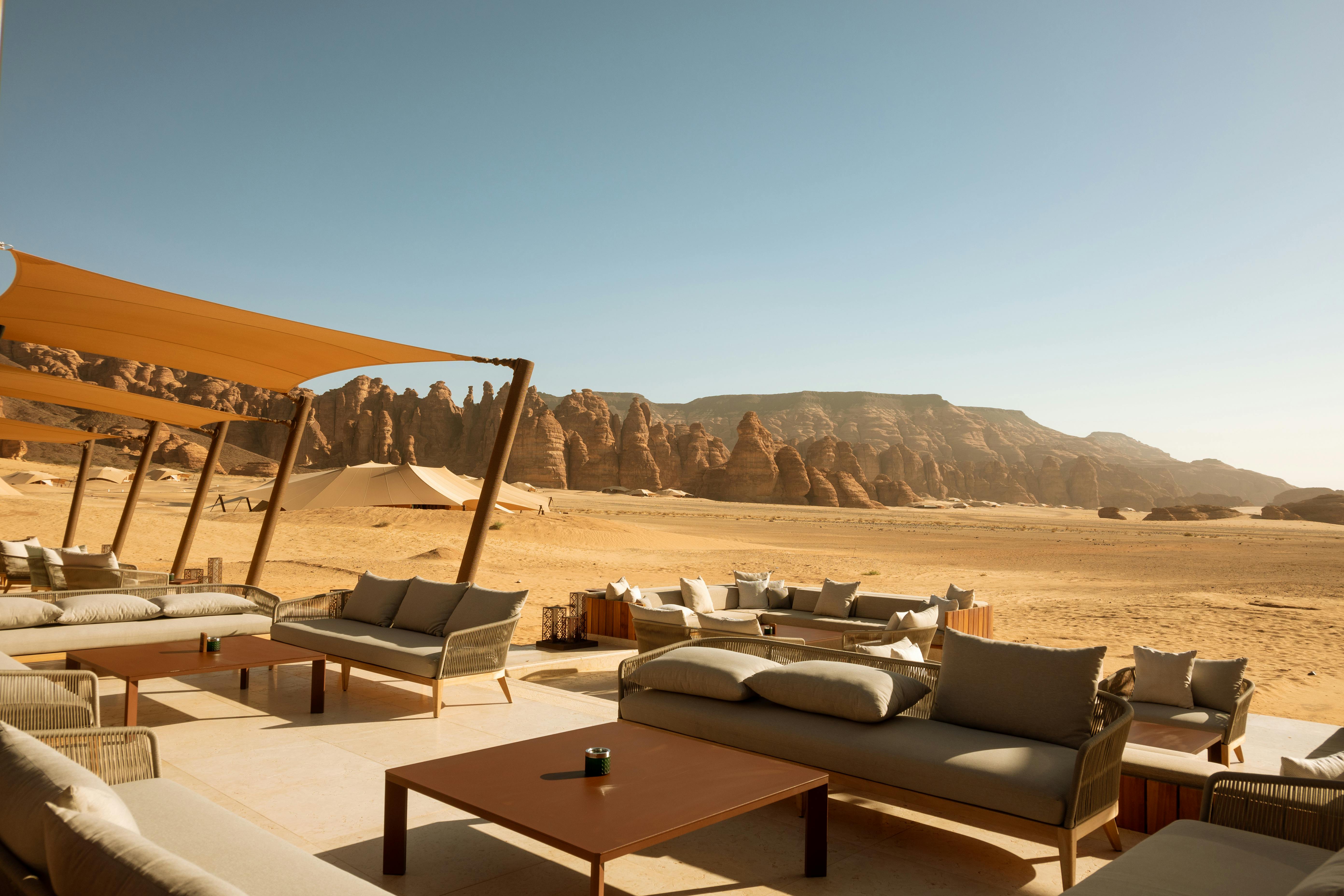
Ist Saudi-Arabien teuer? Erfahren Sie in unserem Kostenvergleich, was Sie erwartet, wie Sie sparen und Ihren Traumurlaub in Saudi-Arabien planen können.
Das Wichtigste in Kürze
- Saudi-Arabien liegt preislich im mittleren Segment: Budget-Reisende kalkulieren SAR 300–450 pro Person und Tag, Mittelklasse SAR 700–1,200, Luxus SAR 2,000+ (ohne internationale Flüge) — günstiger als die VAE oder Katar bei Hotels und Restaurants.
- Das Touristen-E-Visum kostet SAR 535 online (SAR 480 bei Ankunft) für 66 berechtigte Staatsangehörigkeiten sowie GCC-Einwohner, beinhaltet eine Pflicht-Krankenversicherung und ist ein Jahr lang mit Aufenthalten von bis zu 90 Tagen gültig.
- Benzin ist 2026 preisgedeckelt und günstig — SAR 2.18/Liter (91 Oktan), SAR 2.33 (95 Oktan) — was Roadtrips mit dem eigenen Mietwagen zur preiswertesten Reiseart macht.
- Die Metro Riad (alle sechs Linien seit 2025 in Betrieb) kostet SAR 4 für ein Zwei-Stunden-Ticket und ist für Kinder unter sechs Jahren kostenlos; Stadtfahrten mit Uber oder Careem kosten SAR 25–50.
- Alkohol ist illegal und für niemanden erhältlich, es gibt also keine Bar-Rechnung einzuplanen — oft SAR 50–150 pro Tag weniger als bei einer vergleichbaren Reise anderswo.
- Legere Mahlzeiten kosten SAR 15–60 pro Person; die teuersten Posten sind internationale Flüge, Fünf-Sterne-Resorts und Premium-Erlebnisse wie Ballonfahrten in AlUla (SAR 1,000–1,500).
Ist Saudi-Arabien teuer? Ihr Kostenvergleichsleitfaden für 2026
Die schimmernden Wüsten, futuristischen Städte und antiken Wunder Saudi-Arabiens rufen. Während das Königreich seinen ehrgeizigen Weg der Öffnung für den Tourismus fortsetzt, fragen sich immer mehr Reisende: „Ist Saudi-Arabien teuer zu besuchen?“ Dies ist eine berechtigte Frage für jeden anspruchsvollen Entdecker, der eine Reise im Jahr 2026 plant. Die Antwort ist, wie bei vielen Reisezielen, kein einfaches Ja oder Nein. Stattdessen ist es eine nuancierte Mischung aus überraschend erschwinglichen Erlebnissen und Momenten luxuriöser Verwöhnung, die sich oft günstig (und manchmal ungünstig) mit anderen beliebten globalen Hotspots vergleichen lässt.
Nachdem ich diese Gegend persönlich erkundet habe, kann ich mit Zuversicht sagen, dass Saudi-Arabien zu den Reisezielen gehört, die die Erwartungen wirklich übertreffen. Die Mischung aus Erbe und Moderne hier muss man gesehen haben, um sie zu glauben.
Bei Explore Saudi ist es unser Ziel, Ihnen die genauesten und aufschlussreichsten Informationen zur Verfügung zu stellen, damit Sie Ihre perfekte Reise planen können. Dieser umfassende Leitfaden schlüsselt die Kosten einer Reise nach Saudi-Arabien im Jahr 2026 auf und bietet ehrliche Vergleiche, praktische Tipps und ein klares Verständnis dessen, was Sie für Ihr Budget erwarten können.
Kurze Fakten: Reisekosten in Saudi-Arabien (Schätzungen für 2026)
- Währung: Saudi-Riyal (SAR). Ende 2025/Anfang 2026 erwarten Sie ungefähr 1 USD = 3,75 SAR.
- Visum: eVisa für die meisten Nationalitäten, typischerweise etwa 400-500 SAR (ca. 100-135 USD).
- Durchschnittliches Tagesbudget (Mittelklasse): 600-1200 SAR (ca. 160-320 USD) pro Person, exklusive internationaler Flüge.
- Budget-Reisender: Mit sorgfältiger Planung für 300-500 SAR (ca. 80-135 USD) möglich.
- Luxus-Reisender: Nach oben offen, aber erwarten Sie 2000+ SAR (ca. 530+ USD) pro Tag.
- Kreditkarten: In städtischen Gebieten weit verbreitet. Bargeld ist nützlich für kleinere Einkäufe und traditionelle Souks.
- Trinkgeld: Nicht obligatorisch, aber willkommen. Das Aufrunden von Taxifahrten oder das Hinzufügen von 5-10 % in Restaurants ist üblich.
Der Visum- & Flugfaktor: Ihre Anfangsinvestition
Bevor Sie überhaupt Ihre Koffer packen, werden zwei wesentliche Kosten Ihr Abenteuer in Saudi-Arabien prägen: Ihr Visum und Ihre Flüge. Im Jahr 2026 wird das eVisa-System voraussichtlich für die meisten berechtigten Nationalitäten optimiert und effizient sein. Die Kosten liegen typischerweise bei 400-500 SAR (100-135 USD), was vergleichbar oder sogar etwas weniger ist als Visa für einige andere beliebte Reiseziele wie Australien oder bestimmte afrikanische Länder. Es ist ein unkomplizierter Online-Antragsprozess, und die Genehmigung erfolgt in der Regel schnell.
Internationale Flüge können jedoch eine wesentlich höhere Ausgabe sein. Saudi-Arabien ist gut angebunden, mit wichtigen Drehkreuzen wie Riyadh (RUH) und Jeddah (JED), die von zahlreichen internationalen Fluggesellschaften angeflogen werden. Die Flugpreise variieren stark je nach Ihrem Abflugort, der Jahreszeit und wie weit im Voraus Sie buchen.
Zum Beispiel könnte ein Economy-Hin- und Rückflug von London nach Riyadh zwischen 2.000 und 4.000 SAR (530-1.070 USD) liegen, während ein Flug von New York 3.000-6.000 SAR (800-1.600 USD) oder mehr kosten könnte. Im Vergleich zu Flügen nach Südostasien oder Südamerika können diese Preise höher sein, insbesondere während der Hochsaison wie den Wintermonaten oder bei Großveranstaltungen. Sie sind jedoch oft wettbewerbsfähig mit Flügen in andere GCC-Länder (Golf-Kooperationsrat) wie die VAE oder Katar.
Tipps zum Sparen bei Flügen & Visa:
- Im Voraus buchen: Für Reisen im Jahr 2026 sollten Sie 6-9 Monate im Voraus nach Flügen suchen.
- Flexibel bei den Daten sein: Reisen unter der Woche oder in der Nebensaison (Frühling/Herbst) führen oft zu besseren Preisen.
- Billigfluglinien in Betracht ziehen: Während es weniger direkte Langstrecken-Budgetoptionen gibt, können regionale Fluggesellschaften wie Flynas oder flyadeal wettbewerbsfähige Preise für Inlandsflüge oder Verbindungen von nahegelegenen Drehkreuzen anbieten.
- Verschiedene Flughäfen prüfen: Manchmal kann das Fliegen nach Jeddah statt Riyadh (oder umgekehrt) Geld sparen, besonders wenn Sie planen, beide Regionen zu erkunden.
- eVisa-Anforderungen überprüfen: Überprüfen Sie immer das offizielle saudische eVisa-Portal für die neuesten Anforderungen und Gebühren für Ihre Nationalität.
Unterkunft: Vom Budget bis zur Boutique und darüber hinaus
Die Unterkunft ist oft die größte Variable in Ihrem Reisebudget. Saudi-Arabien bietet eine schnell wachsende Auswahl an Optionen, von überraschend erschwinglichen Gästehäusern bis hin zu Ultra-Luxusresorts. Im Jahr 2026 werden Sie eine noch größere Vielfalt finden, da immer neue Entwicklungen ihre Türen öffnen.
Budget-Optionen: Wenn Sie ein versierter Reisender sind, finden Sie in Großstädten saubere, komfortable Pensionen oder 2-3-Sterne-Hotels für 250-500 SAR (65-135 USD) pro Nacht. Diese sind möglicherweise nicht zentral gelegen, bieten aber ein gutes Preis-Leistungs-Verhältnis. Zum Beispiel könnte ein angesehenes lokales Hotel in einer Nebenstadt wie Abha oder AlUla (außerhalb der Hochsaison) etwa 350 SAR (95 USD) kosten. Dies ist oft vergleichbar mit Budget-Optionen in europäischen Städten oder Nordamerika und manchmal sogar günstiger als ähnliche Angebote in Dubai oder Doha.
Mittelklasse-Optionen: Hier bietet Saudi-Arabien ein hervorragendes Preis-Leistungs-Verhältnis. Ein 4-Sterne-Hotel in Riyadh oder Jeddah, oft mit modernen Annehmlichkeiten, einem Pool und gutem Service, ist für 500-1000 SAR (135-270 USD) pro Nacht zu finden. Dieses Segment ist im Allgemeinen erschwinglicher als vergleichbare Hotels in großen westlichen Städten oder sogar in benachbarten GCC-Ländern, wo ähnliche Unterkünfte oft bei 200-300 USD beginnen. Sie zahlen für Qualität und Komfort ohne die exorbitanten Preise, die man manchmal anderswo findet.
Luxus-Optionen: Saudi-Arabien entwickelt sich schnell zu einem Luxusreiseziel, wobei ikonische Marken eine starke Präsenz aufbauen. Rechnen Sie mit 1500-3000+ SAR (400-800+ USD) pro Nacht für 5-Sterne-Hotels in erstklassigen Lagen oder exklusive Resorts. Neue Entwicklungen wie die in AlUla (z. B. Habitas AlUla, Banyan Tree AlUla) oder die kommenden Resorts des Red Sea Project werden Premiumpreise verlangen, oft ab 800-1.500+ USD pro Nacht. Obwohl diese Preise sicherlich hoch sind, liegen sie oft auf dem Niveau oder sogar etwas unter den Ultra-Luxus-Optionen in Reisezielen wie den Malediven, Santorini oder gehobenen europäischen Hauptstädten, insbesondere wenn man die einzigartigen Erlebnisse berücksichtigt.
Kostenvergleich für Unterkünfte (pro Nacht, Schätzungen 2026):
- Budget Hotel/Gästehaus: Saudi-Arabien (250-500 SAR / 65-135 USD) vs. Paris (80-150 EUR / 85-160 USD) vs. Dubai (300-600 AED / 80-160 USD)
- Mittelklasse-Hotel: Saudi-Arabien (500-1000 SAR / 135-270 USD) vs. London (150-300 GBP / 190-380 USD) vs. Singapur (200-400 SGD / 150-300 USD)
- Luxus-Hotel: Saudi-Arabien (1500-3000+ SAR / 400-800+ USD) vs. New York (500-1000+ USD) vs. Tokio (50.000-100.000+ JPY / 330-670+ USD)
Transport: Unterwegs im Königreich
Einmal vor Ort sind die Transportkosten in Saudi-Arabien im Allgemeinen recht vernünftig, insbesondere im Vergleich zu vielen westlichen Ländern.
Inlandsflüge: Für die Überbrückung großer Entfernungen zwischen Städten wie Riyadh, Jeddah und Dammam sind Inlandsflüge oft die praktischste und zeiteffizienteste Option. Fluggesellschaften wie Saudia, Flynas und flyadeal bieten wettbewerbsfähige Preise. Ein One-Way-Flug zwischen Riyadh und Jeddah könnte bei frühzeitiger Buchung 150-400 SAR (40-100 USD) kosten, was ein ausgezeichnetes Preis-Leistungs-Verhältnis für einen 1,5-stündigen Flug darstellt.
Fahrdienste & Taxis: Uber und Careem sind in Großstädten weit verbreitet und äußerst beliebt. Die Tarife sind im Allgemeinen erschwinglich. Eine 15-20-minütige Fahrt in Riyadh oder Jeddah könnte 25-50 SAR (7-13 USD) kosten. Dies ist deutlich günstiger als ähnliche Entfernungen in Städten wie New York, London oder Sydney. Traditionelle Taxis sind ebenfalls verfügbar, aber stellen Sie sicher, dass der Taxameter verwendet wird oder vereinbaren Sie den Preis im Voraus.
Mietwagen: Ein Mietwagen bietet maximale Flexibilität, insbesondere wenn Sie Regionen wie AlUla, das Empty Quarter oder die Bergregionen von Asir erkunden möchten. Die Preise für einen Kleinwagen beginnen in der Regel bei 100-200 SAR (27-55 USD) pro Tag, exklusive Kraftstoff. Die Kraftstoffpreise in Saudi-Arabien gehören zu den günstigsten der Welt, oft weniger als 2,5 SAR (ca. 0,65 USD) pro Liter. Dies macht Roadtrips unglaublich kostengünstig, insbesondere wenn Sie mit einer Gruppe reisen. Vergleichen Sie dies mit Europa, wo Mietwagen doppelt so teuer sein können und die Kraftstoffkosten drei- bis viermal höher sind.
Öffentliche Verkehrsmittel: Obwohl weniger umfangreich als in einigen Weltstädten, verfügt Riyadh über ein neues U-Bahn-System (voraussichtlich bis 2026 voll funktionsfähig), das sehr erschwingliche Fahrten innerhalb der Stadt ermöglichen wird. Jeddah plant ebenfalls den Ausbau des öffentlichen Nahverkehrs. Derzeit gibt es Busse, die jedoch normalerweise nicht von Touristen genutzt werden. Insgesamt befindet sich das öffentliche Verkehrsnetz Saudi-Arabiens noch in der Entwicklung, was Fahrdienste und Mietwagen für Besucher praktischer macht.
Transport-Tipps:
- Fahrdienst-Apps herunterladen: Laden Sie Uber und Careem herunter und richten Sie diese ein, bevor Sie ankommen.
- SIM-Karte in Betracht ziehen: Unerlässlich für die Nutzung von Fahrdienst-Apps und Navigation. Lokale SIM-Karten sind preiswert (50-100 SAR / 13-27 $ für Datenpakete).
- Taxipreise verhandeln: Wenn Sie traditionelle Taxis nutzen, vereinbaren Sie immer einen Fahrpreis oder stellen Sie sicher, dass der Taxameter läuft.
- Parken berücksichtigen: Obwohl oft kostenlos, können einige Stadtzentren oder Einkaufszentren kostenpflichtige Parkplätze haben.
Essen & Trinken: Eine kulinarische Reise für jedes Budget
Die saudische Küche ist eine köstliche Mischung aus nahöstlichen, nordafrikanischen und indischen Einflüssen, mit einem starken Schwerpunkt auf frischen Zutaten und aromatischen Gewürzen. Die Lebensmittelkosten können von unglaublich günstigem Streetfood bis hin zu exorbitanten Fine-Dining-Erlebnissen reichen.
Günstige Mahlzeiten: Günstig zu essen ist sehr einfach. Eine köstliche und sättigende Mahlzeit in einem lokalen Restaurant, wie ein Shawarma- oder Falafel-Wrap mit einem Getränk, kann nur 15-30 SAR (4-8 USD) kosten. Ein Teller Mandi (langsam gegartes Fleisch mit Reis) oder Kabsa (saudisches Nationalgericht) in einem zwanglosen Restaurant könnte 30-60 SAR (8-16 USD) kosten. Dies ist deutlich günstiger als ähnliche zwanglose Restaurants in den meisten westlichen Ländern.
Mittelklasse-Restaurants: Eine Mahlzeit in einem qualitativ hochwertigen Restaurant, das vielleicht internationale Küche oder gehobenere saudische Gerichte serviert, kostet in der Regel 80-150 SAR (20-40 USD) pro Person, exklusive Getränke. Dies ist vergleichbar mit oder etwas weniger als Mittelklasse-Restaurants in Städten wie London oder New York.
Fine Dining: Riad und Jeddah bieten eine beeindruckende Auswahl an High-End-Restaurants, viele davon mit Starköchen oder atemberaubender Aussicht. Rechnen Sie mit 250-500+ SAR (65-135+ USD) pro Person für ein mehrgängiges Menü in diesen Einrichtungen. Obwohl sicherlich teuer, sind diese Preise oft wettbewerbsfähig mit Fine Dining in anderen Luxusreisezielen weltweit.
Lebensmittel: Wenn Sie sich selbst versorgen möchten, sind die Lebensmittelpreise angemessen. Supermärkte sind gut bestückt mit lokalen und internationalen Produkten. Grundnahrungsmittel für eine Person für eine Woche könnten 200-400 SAR (55-100 USD) kosten, abhängig von Ihrer Ernährung.
Kostenvergleich für Lebensmittel (pro Mahlzeit, Schätzungen 2026):
- Streetfood/Lokales Restaurant: Saudi-Arabien (15-30 SAR / 4-8 $) vs. Bangkok (50-100 THB / 1,5-3 $) vs. Rom (8-15 EUR / 9-16 $)
- Mittelklasse-Restaurant: Saudi-Arabien (80-150 SAR / 20-40 $) vs. Paris (25-40 EUR / 27-43 $) vs. New York (30-60 USD)
- Fine Dining: Saudi-Arabien (250-500+ SAR / 65-135+$) vs. Tokio (7.000-15.000+ JPY / 47-100+$) vs. London (70-150+ GBP / 90-190+$)
Aktivitäten & Attraktionen: Saudi-Arabiens Schätze entdecken
Dies ist ein Bereich, in dem Saudi-Arabien eine Mischung aus kostenlosen Wundern und kostenpflichtigen Erlebnissen bietet, wobei viele neue Attraktionen für 2026 hinzukommen.
Kostenlose Attraktionen: Viele der atemberaubendsten Sehenswürdigkeiten Saudi-Arabiens sind kostenlos zu erleben. Ein Spaziergang durch das historische Viertel Al-Balad in Jeddah, die Erkundung der belebten Souks, ein Bummel entlang der Corniche oder einfach das Staunen über die Wüstenlandschaften sind unbezahlbare Erlebnisse. Der Besuch vieler Moscheen (außerhalb der Gebetszeiten und mit respektvoller Kleidung) ist ebenfalls kostenlos.
Kultur- & Geschichtsstätten: Die Eintrittspreise für wichtige historische Stätten sind im Allgemeinen sehr günstig. Zum Beispiel könnten die prächtigen Felsengräber von Hegra in AlUla (ein UNESCO-Weltkulturerbe) etwa 95 SAR (25 USD) für den Zugang zum Kernbereich kosten. Das Nationalmuseum in Riad könnte 20-50 SAR (5-13 USD) kosten. Diese Preise sind oft deutlich niedriger als bei ähnlichen Weltklasse-Attraktionen in Europa oder Nordamerika, wo die Eintrittspreise leicht 25-50 USD übersteigen können.
Abenteuer & einzigartige Erlebnisse: Hier können sich die Kosten summieren. Aktivitäten wie Wüstensafaris, Heißluftballonfahrten über AlUla, Tauchen im Roten Meer oder geführte Touren in abgelegene Gebiete verursachen natürlich höhere Kosten. Eine hochwertige Wüstensafari könnte je nach Dauer und Leistungen zwischen 300-800 SAR (80-215 USD) liegen. Eine Heißluftballonfahrt in AlUla könnte 1.000-1.500 SAR (270-400 USD) kosten. Diese Preise sind vergleichbar mit ähnlichen Premium-Erlebnissen in anderen Abenteuertourismus-Destinationen.
Einkaufen: Von traditionellen Souks, die Gewürze, Parfüms und Kunsthandwerk verkaufen, bis hin zu modernen Einkaufszentren mit internationalen Marken gibt es zahlreiche Einkaufsmöglichkeiten. Die Preise variieren stark. In Souks wird Feilschen erwartet, was gute Gelegenheiten für Schnäppchen bietet. Luxusgüter in Einkaufszentren werden ähnlich wie in anderen globalen Märkten bepreist, manchmal mit Mehrwertsteuer-Vorteilen.
Kostenvergleich für Aktivitäten (pro Person, Schätzungen 2026):
- Eintritt zu großen historischen Stätten: Saudi-Arabien (20-95 SAR / 5-25 $) vs. Kolosseum, Rom (16-20 EUR / 17-22 $) vs. Louvre, Paris (17-20 EUR / 18-22 $)
- Wüstensafari (halber Tag): Saudi-Arabien (300-800 SAR / 80-215 $) vs. Dubai (250-600 AED / 70-160 $) vs. Marokko (500-1000 MAD / 50-100 $ für Basic)
- Heißluftballonfahrt: Saudi-Arabien (1000-1500 SAR / 270-400 $) vs. Kappadokien, Türkei (150-300 EUR / 160-320 $) vs. Luxor, Ägypten (1500-3000 EGP / 50-100 $)
„Saudi-Arabien bietet eine faszinierende Dichotomie: alte Geschichte, die budgetfreundlich zugänglich ist, im Gegensatz zu modernstem Luxus und einzigartigen Erlebnissen, die, obwohl Premium, oft einen außergewöhnlichen Wert für ihre Exklusivität bieten.“ – Explore Saudi Reiseexperte
Planungstipps: Wie Sie Ihre Riyal optimal nutzen
Obwohl Saudi-Arabien kein Backpacker-Budgetziel wie einige Teile Südostasiens ist, ist es keineswegs durchweg teuer. Mit intelligenter Planung können Sie Ihr Budget erheblich optimieren.
- Reisen Sie in der Nebensaison: Vermeiden Sie die Wintermonate (November-März) für etwas niedrigere Preise bei Unterkünften und Flügen sowie weniger Menschenmassen. Der Sommer (Juni-August) ist extrem heiß, kann aber erhebliche Rabatte bieten.
- Variieren Sie Ihre Unterkunft: Kombinieren Sie ein paar Nächte in einem Mittelklassehotel mit einem luxuriösen Erlebnis oder entscheiden Sie sich für Pensionen in kleineren Städten.
- Genießen Sie die lokale Küche: Essen Sie in lokalen Restaurants und bei Straßenhändlern für authentische, köstliche und preisgünstige Mahlzeiten.
- Nutzen Sie Fahrdienste: Für Fahrten in der Stadt sind Uber und Careem Ihre besten Freunde und sparen Ihnen in vielen Fällen Geld im Vergleich zu traditionellen Taxis.
- Erwägen Sie einen Mietwagen für Roadtrips: Wenn Sie über die Großstädte hinaus reisen, kann ein Mietwagen (insbesondere mit Saudi-Arabiens günstigem Kraftstoff) für eine Gruppe wirtschaftlicher sein als mehrere Inlandsflüge oder geführte Touren.
- Suchen Sie nach Pauschalangeboten: Mit zunehmendem Tourismus werden mehr Reiseveranstalter Pakete anbieten, die Flüge, Hotels und Touren zu einem gebündelten Preis umfassen können.
- Bleiben Sie verbunden: Kaufen Sie bei Ihrer Ankunft eine lokale SIM-Karte. Datentarife sind erschwinglich und unerlässlich für Navigation und Kommunikation.
- Buchen Sie Touren vor Ort: Während es ratsam ist, einige wichtige Attraktionen im Voraus zu buchen, können kleinere, lokale Reiseveranstalter manchmal bessere Angebote für Tagesausflüge oder bestimmte Aktivitäten machen.
- Achten Sie auf Aktionen: Halten Sie Ausschau nach Sonderaktionen oder Treueprogramm-Rabatten von Hotelketten und Fluggesellschaften.
💡 Insider-Tipps
- Besuchen Sie früh morgens, um weniger Menschenmassen und angenehme Temperaturen zu erleben.
- Laden Sie die Saudi Tourism App herunter, um Echtzeit-Updates zu Veranstaltungen und Attraktionen zu erhalten.
- Führen Sie Bargeld für kleinere Händler mit sich, obwohl die meisten Orte Karten akzeptieren.
- Kleiden Sie sich in öffentlichen Bereichen bescheiden – leichte, lockere Kleidung ist bei Hitze am besten.
Das Fazit: Ist Saudi-Arabien 2026 teuer?
Zusammenfassend lässt sich sagen, dass Saudi-Arabien im Jahr 2026 ein überzeugendes Preis-Leistungs-Verhältnis für Reisende bietet. Es ist kein von Natur aus günstiges Reiseziel, wenn man es mit Budgetreisen in Südostasien oder Teilen Osteuropas vergleicht. Im Vergleich zu anderen Luxus- und aufstrebenden Reisezielen, insbesondere innerhalb des GCC, Nordamerikas oder Westeuropas, bietet Saudi-Arabien jedoch oft wettbewerbsfähige Preise, insbesondere im mittleren Segment für Unterkunft und Verpflegung sowie für grundlegende Transportmittel.
Teuer kann es werden, wenn Sie sich für exklusive Luxusresorts, gehobene Küche jeden Abend oder mehrere Premium-Abenteueraktivitäten wie Heißluftballonfahrten oder private Wüstensafaris entscheiden. Doch selbst in diesen Kategorien ist das Preis-Leistungs-Verhältnis oft stark und bietet einzigartige, einmalige Erlebnisse, die die Kosten rechtfertigen.
Für eine gut geplante Reise ermöglicht ein Tagesbudget von 600-1200 SAR (160-320 USD) pro Person (ohne internationale Flüge) ein komfortables und lohnendes Erlebnis, mit Übernachtungen in guten Hotels, gutem Essen und dem Besuch wichtiger Attraktionen. Für diejenigen, die preisbewusster sein möchten, ist ein täglicher Aufwand von 300-500 SAR (80-135 USD) erreichbar. Saudi-Arabien öffnet seine Türen, und mit ein wenig Recherche und cleverer Planung kann eine Reise durch seine faszinierenden Landschaften und reiche Kultur überraschend zugänglich sein.
Beginnen Sie noch heute mit der Planung Ihres außergewöhnlichen Abenteuers in Saudi-Arabien!
Häufig gestellte Fragen
Wann ist die beste Reisezeit?
Von Oktober bis März bietet sich das angenehmste Wetter. Die Temperaturen sind mild und perfekt für Besichtigungen. Vermeiden Sie Juni bis August, es sei denn, Sie besuchen Küstengebiete.
Benötige ich ein Visum?
Bürger aus über 49 Ländern können online in wenigen Minuten ein Touristen-E-Visum erhalten. Der Prozess ist über das offizielle saudische Visa-Portal unkompliziert.
Ist Saudi-Arabien teuer? Ist der Kostenvergleichsleitfaden familienfreundlich?
Ja! Saudi-Arabien hat stark in Familienunterhaltung, Parks und kulturelle Erlebnisse für alle Altersgruppen investiert.
Was soll ich anziehen?
In der Öffentlichkeit wird bescheidene Kleidung erwartet. Leichte, atmungsaktive Stoffe eignen sich am besten. Frauen müssen keine Abaya mehr tragen, aber Schultern und Knie sollten bedeckt sein.
Waren Sie schon einmal in Saudi-Arabien? Teilen Sie Ihre Erfahrungen, Lieblingsorte und Reisetipps in den Kommentaren unten – Ihre Einblicke helfen anderen Reisenden, bessere Reisen zu planen!
Häufig gestellte Fragen
- Is Saudi Arabia cheaper than Dubai?
- For hotels and dining, generally yes — four-star hotels and mid-range restaurants in Riyadh and Jeddah usually cost less than their equivalents in Dubai or Doha, and fuel and domestic flights are cheaper too. International flights and five-star resorts are broadly similar. Overall, expect Saudi Arabia to be moderately cheaper than the UAE for a comparable trip.
- How much does the Saudi tourist visa cost in 2026?
- The eVisa is SAR 535 applied online at the official Visit Saudi portal, or SAR 480 on arrival at major airports, and the fee includes mandatory medical insurance. It is open to 66 eligible nationalities plus GCC residents, is valid for one year with multiple entries, and allows stays of up to 90 days.
- What is a realistic daily budget for Saudi Arabia?
- Excluding international flights, budget travellers can manage on SAR 300–450 per person per day, mid-range travellers on SAR 700–1,200, and luxury travellers on SAR 2,000 and up. Accommodation is the biggest variable, and sharing a room and a rental car lowers the per-person cost.
- Is food expensive in Saudi Arabia?
- No. A shawarma or falafel wrap costs SAR 15–30, a plate of kabsa or mandi SAR 30–60, and mid-range restaurants SAR 80–150 per person. Only fine dining (SAR 250+) is expensive. Alcohol is not sold anywhere, so there is no drinks bill to add.
- Is it cheap to get around Saudi Arabia?
- Yes. Petrol is capped at about SAR 2.18–2.33 per litre, the Riyadh Metro starts at SAR 4 for a two-hour pass, city ride-hailing runs SAR 25–50, and domestic flights between major cities start around SAR 150–400 when booked ahead.
- Are there hidden costs tourists should know about?
- Few. Watch for 15% VAT (usually already in displayed prices), optional tipping, paid parking at some malls, and premium add-ons in AlUla such as guided Hegra tours (from about SAR 95) and balloon flights (SAR 1,000–1,500). There are no alcohol costs, since it is unavailable.