Ist Saudi-Arabien teuer? Ein Reiseführer zu Lebensmittelpreisen 2026
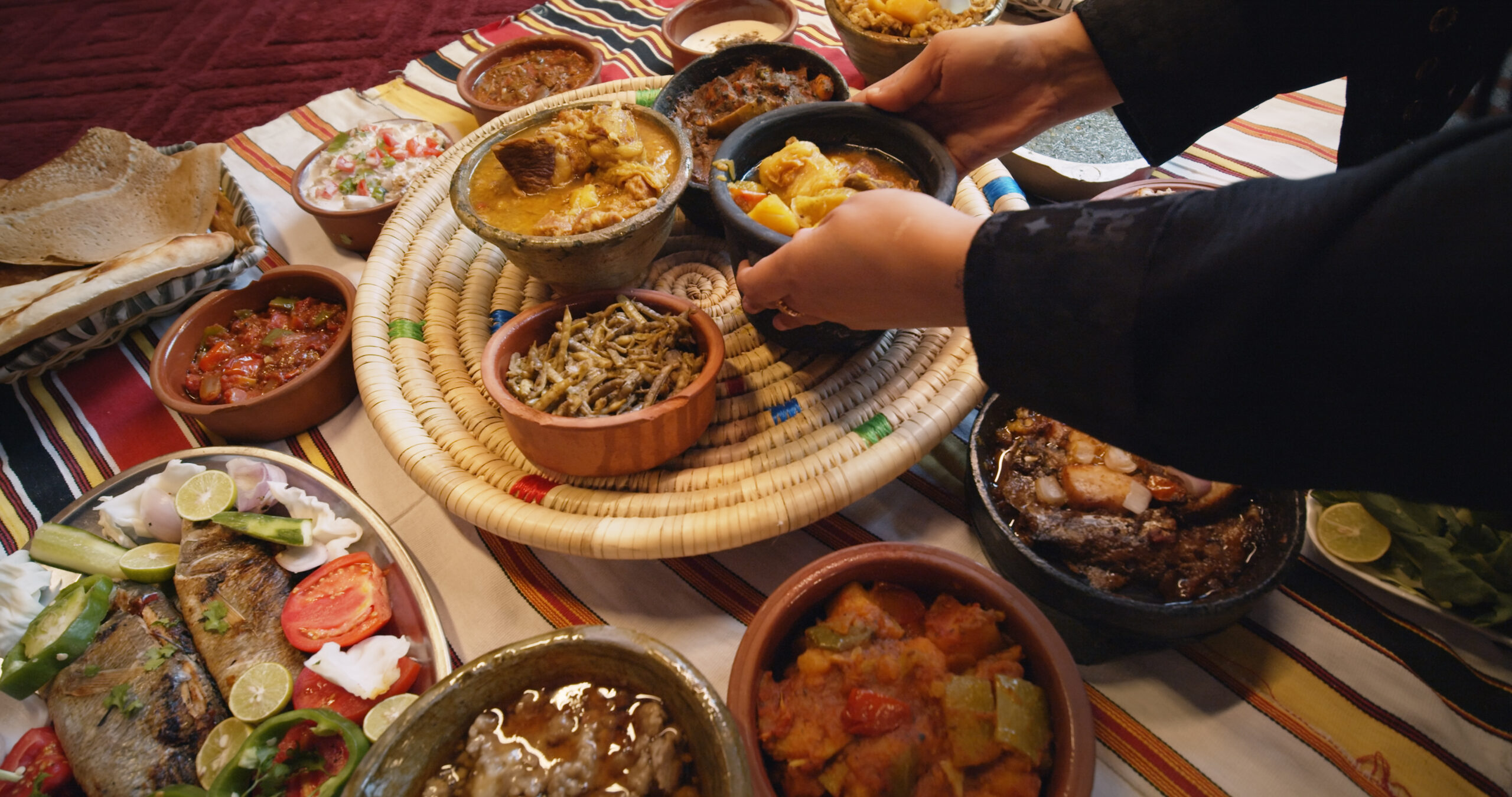
Entdecken Sie die Lebensmittelpreise in Saudi-Arabien 2026. Erfahren Sie, wie viel Sie für Essen ausgeben werden und finden Sie erschwingliche Optionen für Ihre Reise.
Das Wichtigste in Kürze
- Eine komplette Shawarma-Mahlzeit (Shawarma + Getränk + Pommes) an einem lokalen Stand kostet in Riad oder Dschidda SAR 15–22 — vergleichbare Mahlzeiten in Dubai oder Abu Dhabi kosten 30–50 % mehr.
- Supermarkt-Grundnahrungsmittel sind erschwinglich: ein Dutzend Eier kostet SAR 7–10, 1 kg Hähnchen SAR 12–16, und eine 1,5-Liter-Wasserflasche SAR 1–2 bei Panda oder Tamimi.
- Hauptgerichte in Restaurants der Mittelklasse (gegrillter Fisch, Kabsa, Pasta) kosten SAR 35–75; ein Abendessen für zwei mit Softdrinks liegt in einem typischen Familienrestaurant im Schnitt bei SAR 120–180.
- Lieferdienste (HungerStation, Jahez) unterbieten oft die Preise vor Ort mit Liefergebühren von SAR 5–15 — beliebt für Iftar-Bestellungen während des Ramadan, wenn die Warteschlangen in Restaurants lang sind.
- Internationale Ketten sind ähnlich wie in westlichen Märkten bepreist: ein Big-Mac-Menü kostet ca. SAR 26, ein Starbucks Tall Latte SAR 18–22; gehobene Küche in Riads Al Faisaliah oder Dschiddas Waterfront kann SAR 300–600 pro Person erreichen.
Ist Saudi-Arabien teuer? Ein Leitfaden zu Lebensmittelpreisen 2026
Eine der häufigsten Fragen von Reisenden, die in das Königreich aufbrechen, lautet: „Wie viel werde ich für Essen ausgeben?“ Im Jahr 2026 bietet Saudi-Arabien eine der extremsten Preisspannen der Welt. Während Unterkunft und Transport teurer geworden sind, stellen viele Reisende überrascht fest, dass Essen einer der erschwinglichsten Teile ihrer Reise bleibt. Von belebten Straßenmärkten, die köstliche, preisgünstige Häppchen anbieten, bis hin zu opulenten Fine-Dining-Erlebnissen, die mit globalen kulinarischen Hauptstädten konkurrieren können, bedient die saudische Gastronomieszene jeden Gaumen und jeden Geldbeutel. Das Verständnis dieses breiten Spektrums ist der Schlüssel zur Planung Ihres kulinarischen Abenteuers.
Die Erkundung der sich entwickelnden gastronomischen Landschaft des Königreichs im Jahr 2026 bedeutet, eine faszinierende Mischung aus Tradition und Moderne zu erleben. Neue Restaurants eröffnen in rasantem Tempo, von internationalen Ketten bis hin zu innovativen lokalen Konzepten. Doch das Herz der saudischen Küche, mit ihren reichen Gewürzen, frischen Zutaten und großzügigen Portionen, bleibt zugänglich und unglaublich befriedigend. Dieser Leitfaden erklärt, was Sie erwarten können, wo Sie das beste Preis-Leistungs-Verhältnis finden und wie Sie jeden Bissen genießen können, ohne Ihr Budget zu sprengen.
Kurzfakten: Lebensmittelpreise in Saudi-Arabien (Schätzungen 2026)
- Budget-Mahlzeit: 15-30 SAR (ca. 4-8 USD) pro Person in einem lokalen Restaurant oder an einem Streetfood-Stand.
- Mittelklasse-Restaurant: 50-150 SAR (ca. 13-40 USD) pro Person für ein Hauptgericht und ein Getränk.
- Fine Dining: 250-800+ SAR (ca. 67-213+ USD) pro Person für ein mehrgängiges Menü.
- Kaffee: 15-25 SAR (ca. 4-7 USD) für einen Spezialitätenkaffee.
- Wasserflasche: 1-3 SAR (ca. 0,27-0,80 USD) für eine 500-ml-Flasche.
- Grundnahrungsmittel: Im Allgemeinen erschwinglich, besonders für lokale Produkte.
Das Spektrum der saudischen Gastronomie: Von Streetfood bis zu Michelin-Sternen
Die kulinarische Szene Saudi-Arabiens im Jahr 2026 ist ein lebendiger Teppich, der von bescheidenen Straßenhändlern bis hin zu Weltklasse-Restaurants reicht. Die Kosten für Lebensmittel sind vielleicht die variabelste Ausgabe, die Sie haben werden, und bieten Reisenden eine unglaubliche Flexibilität. Diese Vielfalt bedeutet, dass Sie an einem Abend ein üppiges Mahl genießen und am nächsten ein wirklich authentisches, preisgünstiges Erlebnis haben können, während Sie gleichzeitig die reichen Aromen des Königreichs entdecken.
Die Investitionen der Regierung in Tourismus und Gastgewerbe haben renommierte Köche und internationale Restaurantgruppen angezogen, insbesondere in Städte wie Riyadh und Jeddah. Doch die Seele der saudischen Esskultur lebt weiterhin in ihren traditionellen Lokalen und belebten Souqs. Scheuen Sie sich nicht, über die polierten Fassaden moderner Einkaufszentren hinauszuschauen; die unvergesslichsten und oft günstigsten Mahlzeiten finden Sie im Herzen der lokalen Gemeinden.
Preiswerte Häppchen: Authentische & erschwingliche saudische Küche
Für Reisende, die authentische saudische Aromen erleben möchten, ohne ein Vermögen auszugeben, bietet das Königreich eine Fülle von preisgünstigen Optionen. Hier finden Sie das wahre kulinarische Herz des Landes, oft in unprätentiösen Umgebungen mit unglaublich geschmackvollen Gerichten.
Streetfood und lokale Cafeterias (oft als „Restaurants“ oder „Bukhari-Restaurants“ bezeichnet) sind Ihre besten Freunde für preiswertes Essen. Eine herzhafte Mahlzeit mit Mandi, Kabsa oder Bukhari-Reis mit Huhn oder Lamm kann nur 20-40 SAR (ca. 5-11 USD) pro Person kosten. Diese Lokale sind allgegenwärtig, besonders außerhalb der Haupttouristengebiete, und bieten großzügige Portionen. Suchen Sie nach Orten, die voller Einheimischer sind – das ist normalerweise ein gutes Zeichen für Qualität und Preis-Leistungs-Verhältnis. Falafel-Sandwiches, Shawarmas und verschiedene Gebäckstücke (wie Fatayer) sind ebenfalls ausgezeichnete Optionen für einen schnellen und günstigen Imbiss, typischerweise zwischen 5-15 SAR (ca. 1,30-4 USD).
Tipps für preiswertes Essen:
- Suchen Sie nach „Bukhari“- oder „Mandi“-Restaurants: Diese sind auf traditionelle Reis- und Fleischgerichte spezialisiert und bieten große, erschwingliche Portionen.
- Probieren Sie Streetfood: Shawarma, Falafel und Samosas sind köstlich, schnell und sehr preiswert.
- Besuchen Sie lokale Cafeterias: Oft werden Frühstücksgerichte wie Foul (Bohneneintopf) und Ta'ameya (Falafel) serviert, die sich hervorragend für einen günstigen und sättigenden Start in den Tag eignen. Ein Frühstück kann 10-25 SAR (ca. 2,70-7 USD) kosten.
- Teilen Sie Mahlzeiten: Die Portionen können sehr großzügig sein, besonders in traditionellen Restaurants. Erwägen Sie, ein paar Gerichte zu bestellen, die Sie mit Ihrer Gruppe teilen können.
- Trinken Sie Wasser: Leitungswasser ist in Großstädten im Allgemeinen sicher, aber Flaschenwasser ist sehr günstig (1-3 SAR) und weit verbreitet. Vermeiden Sie teure Softdrinks in preiswerten Lokalen.
Mittelklasse-Gastronomie: Komfort und Vielfalt
Gehobener als die Budget-Optionen bieten Restaurants der Mittelklasse in Saudi-Arabien ein komfortables Speiseerlebnis mit einer größeren Vielfalt an Küchen, oft in modernerem Ambiente. Diese Kategorie umfasst alles von beliebten internationalen Fast-Food-Ketten bis hin zu lokalen saudischen Grillrestaurants, libanesischen, türkischen und indischen Restaurants.
Ein typisches Essen in einem Restaurant der Mittelklasse, einschließlich Hauptgericht und Getränk, kostet in der Regel zwischen 50-150 SAR (ca. 13-40 USD) pro Person. Zum Beispiel könnte ein hochwertiges Burger-Menü in einem zwanglosen Restaurant 60-80 SAR kosten, während eine reichhaltige syrische oder libanesische Mezze-Platte mit gegrilltem Fleisch 100-150 SAR betragen könnte. Diese Lokale sind häufig in Einkaufszentren, Geschäftsvierteln und beliebten Stadtteilen zu finden. Sie bieten ein gutes Gleichgewicht zwischen Preis, Komfort und kulinarischer Auswahl.
Was Sie in Restaurants der Mittelklasse erwarten können:
- Zwangloses bis halbformelles Ambiente: Oft klimatisiert, bequeme Sitzgelegenheiten und guter Service.
- Vielfältige Küchen: Erwarten Sie eine Mischung aus nahöstlichen, indischen, pakistanischen, türkischen und beliebten westlichen Ketten.
- Familienfreundlich: Viele Restaurants der Mittelklasse sind auf Familien ausgerichtet, oft mit speziellen Bereichen oder Sitzgelegenheiten.
- Kein Alkohol: Denken Sie daran, dass Alkohol in Saudi-Arabien streng verboten ist, daher servieren alle Restaurants alkoholfreie Getränke.
Fine Dining: Genuss im Königreich
Für diejenigen, die ein luxuriöses kulinarisches Erlebnis suchen, hat sich die Fine-Dining-Szene Saudi-Arabiens, insbesondere in Riyadh, Jeddah und AlUla, rasant entwickelt. Diese Einrichtungen zeichnen sich oft durch international bekannte Köche, atemberaubende Innenräume und spektakuläre Ausblicke aus und bieten eine unvergessliche gastronomische Reise.
Rechnen Sie mit Preisen ab 250 SAR (ca. 67 USD) pro Person für ein anspruchsvolles Essen in einem High-End-Restaurant, die leicht auf 800 SAR (ca. 213 USD) oder mehr für mehrgängige Degustationsmenüs in den exklusivsten Lokalen steigen können. Orte wie Riyadhs Boulevard City oder Jeddas Uferpromenade beherbergen viele solcher Einrichtungen. Hier finden Sie exquisite Zubereitungen internationaler Küchen – Französisch, Italienisch, Japanisch und moderne saudische Fusion – zubereitet mit erstklassigen Zutaten und tadellosem Service. Obwohl dies sicherlich ein Luxus ist, bieten diese Erlebnisse einen Einblick in den Ehrgeiz des Königreichs, ein globales Luxusreiseziel zu werden.
Fine-Dining-Highlights, die Sie in Betracht ziehen sollten (Beispiele):
- Riyadh: Viele High-End-Restaurants finden Sie im King Abdullah Financial District (KAFD) oder in Boulevard City. Ziehen Sie Orte wie Maraya Social by Jason Atherton in Betracht (obwohl dieses spezielle in AlUla ist, gibt es Restaurants ähnlichen Kalibers in Riyadh) oder international anerkannte Namen in Luxushotels.
- Jeddah: Die Corniche-Gegend bietet mehrere gehobene Restaurants mit wunderschönem Blick auf das Rote Meer.
- AlUla: Als erstklassiges Touristenziel verfügt AlUla über eine wachsende Anzahl von High-End-Speiseoptionen, oft saisonal oder Pop-up, die außergewöhnliche kulinarische Erlebnisse inmitten atemberaubender Landschaften bieten.
Lebensmittel & Selbstversorgung: Sparen bei Grundnahrungsmitteln
Wenn Sie in einer Unterkunft mit Kücheneinrichtung wohnen oder einfach nur unterwegs einen Snack zu sich nehmen möchten, kann der Lebensmitteleinkauf Ihr Essensbudget erheblich reduzieren. Supermärkte in Saudi-Arabien sind gut sortiert und bieten eine breite Palette an lokalen und importierten Produkten.
Große Supermarktketten wie Carrefour, Danube, Lulu Hypermarket und Panda sind in allen größeren Städten weit verbreitet. Die Preise für Grundnahrungsmittel sind im Allgemeinen erschwinglich. Zum Beispiel könnte ein Liter Milch 6-8 SAR (ca. 1,60-2,10 USD) kosten, ein Laib Brot 3-5 SAR (ca. 0,80-1,30 USD) und ein Dutzend Eier 10-15 SAR (ca. 2,70-4 USD). Frische Produkte, insbesondere lokale Obst- und Gemüsesorten, können sehr günstig sein, besonders wenn sie auf traditionellen Souqs statt in großen Supermärkten gekauft werden. Dies ist eine großartige Möglichkeit, lokale Geschmäcker zu erleben und Geld zu sparen.
Tipps zum Lebensmitteleinkauf:
- Besuchen Sie lokale Souqs: Für die frischesten und oft günstigsten Produkte, Gewürze und Datteln erkunden Sie die lokalen Märkte.
- Kaufen Sie lokale Marken: Die Entscheidung für saudische oder regionale Marken gegenüber internationalen Importen kann Ihnen Geld sparen.
- Bevorraten Sie sich mit Wasser: Große Multipacks mit Flaschenwasser sind sehr sparsam.
- Betrachten Sie das Frühstück: Die Zubereitung Ihres eigenen Frühstücks mit Artikeln wie Labneh, Za'atar, Brot und Datteln kann ein köstlicher und günstiger Start in den Tag sein.
- Nutzen Sie die Küchen der Unterkunft: Wenn Ihr Hotel oder Airbnb eine Küchenzeile hat, können Sie durch die Zubereitung einiger Mahlzeiten eine beträchtliche Menge sparen.
Getränke: Von Gahwa bis zu globalen Ketten
Die Kaffeekultur ist tief in der saudischen Gesellschaft verwurzelt, und Sie finden alles von traditionellem saudischem Kaffee (Gahwa) bis hin zu modernen Spezialitätenkaffeehäusern. Eine traditionelle Tasse Gahwa wird oft als Geste der Gastfreundschaft an vielen Orten kostenlos angeboten. Ein Spezialitätenkaffee aus einem Café wie Starbucks, Tim Hortons oder lokalen Äquivalenten kostet jedoch typischerweise 15-25 SAR (ca. 4-7 USD).
Alkoholfreie Getränke sind weit verbreitet und kosten in Supermärkten und lokalen Restaurants etwa 3-8 SAR (ca. 0,80-2,10 USD), können aber in gehobenen Restaurants 10-20 SAR (ca. 2,70-5,30 USD) kosten. Frische Säfte sind ebenfalls beliebt und kosten je nach Lokalität zwischen 15-30 SAR (ca. 4-8 USD). Denken Sie daran, dass Alkohol strengstens verboten ist, daher sind alkoholfreie Optionen Ihre einzige Wahl.
Planungstipps für Ihre kulinarische Reise im Jahr 2026
Die vielfältige Gastronomieszene Saudi-Arabiens zu erkunden, erfordert ein wenig Planung, aber die Belohnungen sind immens. Hier sind einige wichtige Tipps, die Ihnen helfen, das Beste aus Ihren kulinarischen Abenteuern im Jahr 2026 herauszuholen.
Was Sie vor Ihrer Reise wissen sollten:
- Trinkgeld-Etikette: Trinkgeld wird geschätzt, ist aber nicht obligatorisch. In zwanglosen Lokalen ist es üblich, den Rechnungsbetrag aufzurunden. In gehobenen Restaurants sind 10-15 % ein guter Richtwert, wenn die Servicegebühr nicht bereits enthalten ist.
- Essenszeiten: Restaurants öffnen oft später am Tag, besonders zum Abendessen. Viele schließen während der Gebetszeiten, achten Sie also auf diese Pausen, insbesondere bei kleineren, lokalen Lokalen.
- Familienbereiche: Viele Restaurants, insbesondere traditionelle, haben separate „Familienbereiche“ für Frauen und Familien sowie „Einzelbereiche“ für Männer. Respektieren Sie diese kulturellen Normen.
- Ramadan: Während des heiligen Monats Ramadan öffnen die meisten Restaurants erst nach Sonnenuntergang (zum Iftar). Essen, Trinken und Rauchen in der Öffentlichkeit während der Fastenstunden sind verboten. Planen Sie entsprechend, wenn Sie in dieser Zeit reisen.
- Sprache: Obwohl Englisch in wichtigen Touristengebieten und modernen Einrichtungen weit verbreitet ist, wird das Erlernen einiger grundlegender arabischer Redewendungen (wie „Shukran“ für Danke oder „Kam al-hesab?“ für „Wie viel kostet die Rechnung?“) geschätzt, insbesondere in lokalen Restaurants.
- Online-Liefer-Apps: Apps wie HungerStation, Jahez und Talabat sind sehr beliebt und praktisch, um Essen direkt zu Ihrer Unterkunft zu bestellen.
- Reservierungen: Für beliebte Mittelklasse- und alle gehobenen Restaurants, insbesondere an Wochenenden (Freitag/Samstag), wird eine Reservierung dringend empfohlen.
- Ernährungseinschränkungen: Obwohl die saudische Küche im Allgemeinen fleischlastig ist, werden vegetarische Optionen immer häufiger, insbesondere durch den Zustrom internationaler Restaurants. Teilen Sie Ihre Ernährungsbedürfnisse immer klar mit.
Fazit: Ein kulinarisches Abenteuer für jedes Budget
Im Jahr 2026 präsentiert Saudi-Arabien eine wahrhaft einzigartige kulinarische Landschaft, in der alte Traditionen auf globale Raffinesse treffen. Weit davon entfernt, durchweg teuer zu sein, bietet das Königreich eine unglaubliche Bandbreite an Lebensmittelpreisen, die es jedem Reisenden ermöglichen, seine reichen gastronomischen Angebote zu genießen.
Ob Sie ein 25 SAR Mandi in einem belebten lokalen Restaurant genießen, ein 100 SAR internationales Gericht in einem modernen Einkaufszentrum probieren oder sich ein 800 SAR Fine-Dining-Erlebnis mit Aussicht gönnen – Essen in Saudi-Arabien ist ein fester Bestandteil des Reiseerlebnisses. Indem Sie die verschiedenen Preisklassen verstehen und lokale Optionen nutzen, können Sie eine köstliche und budgetfreundliche Reise durch das Herz der arabischen Gastfreundschaft antreten. Kommen Sie also hungrig und lassen Sie sich begeistern – Ihre Geschmacksnerven erwartet ein unvergessliches Abenteuer!
Häufig gestellte Fragen
- What are typical food prices at Saudi restaurants in 2026?
- A traditional meal at a local restaurant costs SAR 25-40, while international cuisine ranges from SAR 50-150. Fast food chains offer meals for SAR 15-30. Luxury dining in Riyadh and Jeddah exceeds SAR 200-400 per person including beverages and service.
- How much do groceries cost in Saudi Arabia compared to Western countries?
- Imported goods like Western dairy and meat are 20-40% more expensive than in the USA or Europe, but local produce, dates, and Arabian staples are significantly cheaper. A weekly grocery budget for one person ranges from SAR 150-250 depending on dietary preferences and shopping location.
- What are the cheapest places to eat in Saudi Arabia?
- Souks and street vendors offer the lowest prices (SAR 5-15 for sandwiches and skewers), followed by casual Arab restaurants and cafeterias. International chains and mall food courts are moderately priced at SAR 20-40. Eating where locals eat, away from tourist areas, consistently offers better value.
- Are coffee prices expensive in Saudi Arabia's cafés?
- Traditional Arabic coffee (qahwa) at local cafés costs SAR 3-8 and is often complimentary. Specialty coffee shops in malls and upscale areas charge SAR 15-30 for lattes and cappuccinos. Saudi Arabia has a strong coffee culture, making quality beverages available at all price points.