Saudi-Arabien Food Guide: Beste Gerichte, Restaurants & Street Food 2026
Entdecken Sie Saudi-Arabiens beste Gerichte, Restaurants & Street Food 2026. Ein umfassender Guide für kulinarische Erlebnisse im Königreich.
Das Wichtigste in Kürze
- Die saudische Küche ist regional geprägt, nicht landesweit einheitlich. Die Hedschas-Küste hat über tausend Jahre Pilgerverkehr aus Jemen, Ägypten, der Türkei und Indien aufgenommen und kocht dementsprechend; das Najd-Landesinnere bewahrte ein beduinisches Repertoire aus Weizen, Reis, Datteln und Fleisch. Die meisten Saudis werden Ihnen sagen, dass man in Jeddah besser isst als in Riad.
- Kabsa ist das Nationalgericht — gewürzter Reis mit Hähnchen oder Lamm, serviert auf einer gemeinsamen Platte statt einzeln angerichtet, etwa SAR 35-70 für eine Restaurantportion. Mandi (in der Grube geräuchertes Fleisch auf Reis, SAR 30-60) und Jareesh (Weizenschrot mit Fleisch) sind die beiden anderen Gerichte, denen Sie überall begegnen werden.
- Alkohol ist im gesamten Königreich verboten, es gibt keine Ausnahme für Touristen — kein Restaurant, Hotel oder keine Lounge schenkt ihn aus. Alles ist standardmäßig halal, Schweinefleisch muss also nicht erst erfragt werden. Frisch gepresster Saft für SAR 8-15 ist das Standardgetränk.
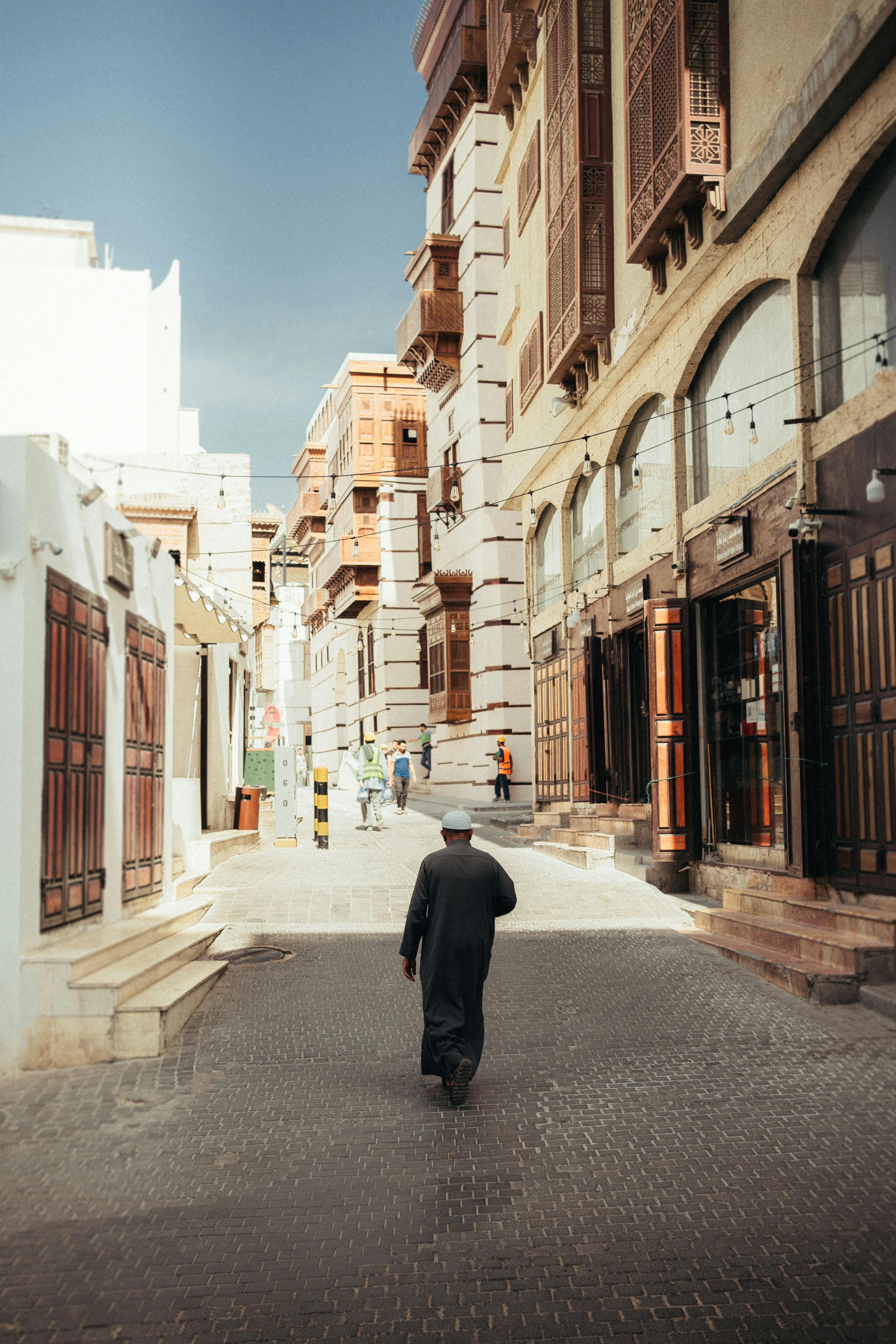
- Die Altstadt Al-Balad in Jeddah bietet das beste Streetfood des Landes: Mutabbaq, Sambusa für SAR 2-5, Mandi aus jemenitischen Küchen. Gehen Sie zwischen 19 und 22 Uhr hin. Al-Baik, die legendäre Brathähnchen-Institution aus Jeddah, gegründet 1974, kostet SAR 25-45 für ein Menü und ist die Warteschlange wert.
- Mahlzeiten finden spät statt — das Mittagessen von 13 bis 15 Uhr ist die Hauptmahlzeit, das Abendessen füllt sich ab 20 Uhr. Restaurants pausieren die Bewirtung bei jedem der fünf täglichen Gebete für etwa 20-30 Minuten. Kalkulieren Sie etwa SAR 60-120 pro Person und Tag für lokales, legeres Essen.
Saudi-Arabien Food Guide: Beste Gerichte, Restaurants & Street Food 2026
Willkommen, kulinarische Entdecker, in der lebendigen und sich ständig weiterentwickelnden Gastronomielandschaft Saudi-Arabiens! Mit Blick auf das Jahr 2026 ist das Königreich nicht nur ein Reiseziel für antike Wunder und futuristische Städte, sondern auch ein aufstrebender Hotspot für Food-Enthusiasten. Von den aromatischen Gewürzen traditioneller Beduinengerichte bis hin zu den innovativen Kreationen von Sterneköchen bietet Saudi-Arabien ein Fest für alle Sinne. Dieser umfassende Saudi-Arabien Food Guide führt Sie durch das reiche kulinarische Erbe des Königreichs, stellt Ihnen Gerichte vor, die Sie unbedingt probieren müssen, empfiehlt die besten Restaurants und enthüllt die verborgenen Schätze der pulsierenden Street-Food-Szene.
Die Transformation des Tourismussektors Saudi-Arabiens hat eine Explosion kulinarischer Innovationen mit sich gebracht, während gleichzeitig die authentischen Aromen bewahrt wurden, die seine Kultur seit Jahrhunderten prägen. Ob Sie eine spirituelle Reise nach Mekka und Medina planen, die historischen Tiefen von AlUla erkunden oder den metropolitanen Puls von Riad und Jeddah erleben – die Vorbereitung Ihres Gaumens auf die lokale Küche ist ein wesentlicher Bestandteil des Abenteuers.
Kurze kulinarische Fakten für 2026
- Währung: Saudi-Riyal (SAR). Für 2026 werden Wechselkurse von etwa 1 USD = 3,75 SAR erwartet.
- Ernährungsaspekte: Halal ist universell. Vegetarische Optionen sind zunehmend verfügbar, insbesondere in modernen Restaurants. Vegane Optionen erfordern eine sorgfältigere Auswahl, nehmen aber zu.
- Trinkgeld: Nicht obligatorisch, aber willkommen. 10-15 % für guten Service in gehobenen Restaurants. Bei zwanglosen Restaurants ist das Aufrunden üblich.
- Essenszeiten: Mittagessen ist typischerweise von 13:00 bis 15:00 Uhr. Das Abendessen ist spät, oft nach 20:00 Uhr, besonders in Großstädten. Während des Ramadan verschieben sich die Essenszeiten erheblich auf die Zeit nach Sonnenuntergang.
- Alkohol: Im gesamten Königreich weiterhin verboten. Genießen Sie die fantastische Auswahl an frischen Säften, Mocktails und traditionellem arabischem Kaffee.
Das Herz der saudischen Küche: Traditionelle Gerichte, die Sie probieren müssen
Die traditionelle saudische Küche spiegelt ihre Geschichte, Geografie und Gastfreundschaft wider. Beeinflusst von Beduinentraditionen, Handelsrouten und einer tiefen Verbundenheit mit dem Land, sind diese Gerichte oft herzhaft, aromatisch und zum Teilen gedacht. Bereiten Sie sich darauf vor, in eine Welt reicher Aromen und wohltuender Texturen eingeladen zu werden.
Der Grundstein des saudischen Essens ist das Konzept des Karam oder der Großzügigkeit, das sich wunderbar in den reichlichen Portionen und dem gemeinschaftlichen Charakter der Mahlzeiten ausdrückt. Oft werden Gerichte auf großen Platten serviert, die dazu gedacht sind, dass Familien und Freunde sich versammeln und gemeinsam genießen. Seien Sie nicht überrascht, wenn Sie ermutigt werden, mit der rechten Hand zu essen – eine traditionelle und authentische Art, die Mahlzeit zu erleben, obwohl Besteck immer verfügbar ist.
Unverzichtbare saudische Gerichte zum Genießen:
- Kabsa (كبسة): Das unbestrittene Nationalgericht. Ein duftendes, gewürztes Reisgericht, gekocht mit zartem Fleisch (Huhn, Lamm oder manchmal Kamel), Gemüse und einer Mischung aus wärmenden Gewürzen wie Kardamom, Nelken und Lorbeerblättern. Auf einer großen Platte serviert, ist es ein Muss. Rechnen Sie mit SAR 40-80 (10-20 USD) für eine großzügige Portion.
- Jareesh (جريش): Ein wohltuender, cremiger Brei aus geschrotetem Weizen, langsam gekocht mit Fleisch (oft Huhn oder Lamm), Zwiebeln und einem Hauch Butter oder Ghee. Er wird oft mit Röstzwiebeln und getrockneter Limette garniert. Ein wahrer Geschmack saudischer Hausmannskost.
- Thareed (ثريد): Ein herzhafter Eintopf aus Gemüse, Fleisch (typischerweise Lamm) und Stücken dünnen, ungesäuerten Brotes (Ragag), das in der reichhaltigen Brühe eingeweicht wird. Es ist ein Gericht mit historischen Wurzeln, das oft mit dem Propheten Muhammad in Verbindung gebracht wird.
- Saleeg (سليق): Aus der Region Hijaz stammend, ist Saleeg ein cremiges weißes Reisgericht, das in Milch oder Brühe gekocht wird und ihm eine risottoähnliche Konsistenz verleiht. Es wird normalerweise mit gebratenem Huhn oder Lamm und einer scharfen Tomatensauce (Daqqous) serviert.
- Mandi (مندي): Obwohl aus dem Jemen stammend, ist Mandi in Saudi-Arabien weit verbreitet. Fleisch (Lamm oder Huhn) wird langsam in einem speziellen unterirdischen Ofen (Tannour) gegart, wodurch es einen rauchigen Geschmack erhält, und über gewürztem Reis serviert.
- Mutabbaq (مطَبَّق): Ein köstliches Street Food aus dem Hijaz. Es ist ein gefalteter Pfannkuchen oder Gebäck, gefüllt mit Hackfleisch, Eiern, Lauch und Gewürzen, frittiert bis knusprig. Süße Varianten mit Banane oder Käse sind ebenfalls erhältlich.
- Shawarma (شاورما): Obwohl im gesamten Nahen Osten beliebt, sticht saudisches Shawarma hervor. Dünn geschnittenes mariniertes Fleisch (Huhn oder Rind), auf einem vertikalen Spieß gegart, serviert in Fladenbrot mit Knoblauchsauce, Pommes und Essiggurken. Eine schnelle, sättigende und erschwingliche Mahlzeit. Um SAR 10-20 (2,50-5 USD).
- Foul Medames (فول مدمس): Ein Grundnahrungsmittel zum Frühstück. Langsam gekochte Saubohnen, gewürzt mit Olivenöl, Kreuzkümmel und oft serviert mit gehackter Petersilie, Tomate und Zwiebel. Am besten genießt man es mit frischem arabischem Brot.
Riad's kulinarische Szene: Von traditionell bis trendsetzend
Riad, die pulsierende Hauptstadt, steht an der Spitze der kulinarischen Revolution Saudi-Arabiens. Hier treffen alte Traditionen auf globale Trends und bieten eine unglaubliche Vielfalt an kulinarischen Erlebnissen. Sie finden alles von authentischen lokalen Restaurants bis hin zu erstklassigen Fine-Dining-Etablissements.
Die rasante Entwicklung der Stadt bedeutet, dass ständig neue Restaurants entstehen, insbesondere in Gebieten wie dem King Abdullah Financial District (KAFD), dem Boulevard Riyadh City und dem Diplomatenviertel. Reservierungen sind für gehobene Restaurants, besonders an Wochenenden (Freitag und Samstag), dringend empfohlen.
Empfohlene Restaurants in Riad (2026):
- Najd Village (نجد فيليج): Für ein authentisches traditionelles saudisches Essenserlebnis. Speisen Sie in einem Ambiente, das von der alten Najdi-Architektur inspiriert ist, komplett mit Bodensitzgelegenheiten und authentischer Dekoration. Bietet alle klassischen saudischen Gerichte wie Kabsa, Jareesh und Saleeg. Preisspanne: Mittelklasse, ca. 150-250 SAR (40-65 USD) pro Person für ein komplettes Menü.
- The Globe (برج الفيصلية): Befindet sich an der Spitze des Al Faisaliah Towers und bietet einen atemberaubenden Panoramablick auf Riad. Dieses Fine-Dining-Restaurant serviert moderne europäische Küche mit einer tadellosen (alkoholfreien) Weinkarte. Perfekt für einen besonderen Anlass. Preisspanne: Hochpreisig, 400+ SAR (100+ USD) pro Person.
- Suhail (سهيل): Eine zeitgenössische Interpretation der saudischen Küche. Suhail verbindet traditionelle Aromen mit eleganter Präsentation. Die Speisekarte bietet gehobene Versionen klassischer Gerichte in einem raffinierten Ambiente. Eine ausgezeichnete Wahl, um die saudische Küche mit einem modernen Touch zu erleben. Preisspanne: Obere Mittelklasse, 200-350 SAR (50-90 USD) pro Person.
- Maiz (ميز): Bekannt für sein außergewöhnliches saudisches Frühstück und Brunch. Maiz bietet einen herrlichen Start in den Tag mit Gerichten wie Foul, Shakshuka und verschiedenen lokalen Backwaren, alles serviert in einem charmanten, modernen Ambiente.
- Al-Baik (البيك): Obwohl nicht exklusiv in Riad (es entstand in Jeddah), ist Al-Baik eine Fast-Food-Institution in ganz Saudi-Arabien. Berühmt für sein knuspriges Brathähnchen und Garnelen, ist es ein beliebter lokaler Favorit, der ein unglaubliches Preis-Leistungs-Verhältnis bietet. Extrem günstig, 20-30 SAR (5-8 USD) pro Mahlzeit.
Jeddahs Küstenaromen: Meeresfrüchte und Hijazi-Köstlichkeiten
Jeddah, die „Braut des Roten Meeres“, bietet eine ausgeprägte kulinarische Identität, die durch ihre Küstenlage und ihre historische Rolle als Tor für Pilger geprägt ist. Die Küche der Stadt ist reich an Meeresfrüchten und bietet einzigartige Hijazi-Spezialitäten, oft mit Einflüssen verschiedener Kulturen, die ihren alten Hafen passierten.
Jeddahs Gastronomieszene zu erkunden bedeutet, in lebhafte Souks und moderne Uferpromenaden einzutauchen. Die Corniche ist ein fantastischer Ort, um Fischrestaurants zu finden, während Al Balad (Alt-Jeddah) einen Einblick in traditionelle Restaurants und Straßenverkäufer bietet.
Jeddahs kulinarische Highlights (2026):
- Al Falah (مطعم الفلاح): Eine Institution in Jeddah, berühmt für seine frischen Meeresfrüchte, insbesondere gegrillten Fisch und Garnelen. Das schnörkellose Ambiente lässt die Qualität der Zutaten glänzen. Erwarten Sie eine lebhafte Atmosphäre und köstliche, einfach zubereitete Gerichte. Preisspanne: Mittelklasse, 100-200 SAR (25-50 USD) pro Person.
- Abu Zaid (أبو زيد): Ein beliebter Ort für traditionelles Hijazi-Frühstück und Abendessen. Bekannt für seine große Auswahl an Foul, Tamis (ein großes, rundes Brot) und Areekah (ein Brotrezept, oft mit Honig und Ghee serviert). Ein wahrer Geschmack des lokalen Lebens. Sehr günstig, 30-60 SAR (8-15 USD) pro Person.
- Twina Park (توينا بارك): Nördlich von Jeddah gelegen, ist dies ein beliebtes Familienziel mit verschiedenen Restaurants, von denen viele auf frische Meeresfrüchte spezialisiert sind, mit wunderschönem Blick auf das Rote Meer. Perfekt für ein gemütliches Essen.
- Shobak (شوبك): Eine moderne Interpretation traditioneller saudischer Backwaren und Gebäck. Shobak ist besonders berühmt für seine herzhaften und süßen Fatayer (gefüllte Teigtaschen) und frisches Brot. Ideal für einen schnellen Imbiss oder das Frühstück.
- Al Saedi Fish Restaurant (مطعم السعيدي للأسماك): Eine weitere ausgezeichnete Wahl für frische Meeresfrüchte, die eine große Auswahl an Fisch und Schalentieren bietet, die auf verschiedene Arten zubereitet werden, von gegrillt bis frittiert.
Street Food & Snacks: Ein Geschmack des lokalen Lebens
Kein Saudi-Arabien-Food-Guide ist vollständig, ohne die lebendige Street-Food-Szene zu erkunden. Hier finden Sie authentische Aromen, kommen mit Einheimischen in Kontakt und erleben den Puls des täglichen Lebens. Von schnellen Häppchen bis hin zu sättigenden Mahlzeiten bietet saudisches Street Food ein köstliches und erschwingliches Abenteuer.
Street-Food-Märkte und kleine Kioske sind in Stadtzentren, in der Nähe von Souks und entlang belebter Alleen üblich. Suchen Sie nach Orten mit langen Warteschlangen – ein sicheres Zeichen für gutes Essen!
Unbedingt probieren: Street Food & Snacks:
- Samosa (سمبوسة): Knusprig frittierte Teigtaschen, gefüllt mit gewürztem Fleisch, Gemüse oder Käse. Ein beliebter Snack, besonders während des Ramadan.
- Fatayer (فطاير): Herzhafte Teigtaschen mit verschiedenen Füllungen wie Käse, Spinat oder Fleisch. Perfekt für einen schnellen und sättigenden Imbiss.
- Luqaimat (لقيمات): Süße, knusprig frittierte Teigbällchen, beträufelt mit Dattelsirup (Dibbs) oder Honig. Ein köstliches Dessert, das oft auf Festen und Märkten zu finden ist.
- Balaleet (بلاليط): Ein süß-herzhaftes Fadennudelgericht, oft zum Frühstück serviert, gewürzt mit Kardamom und Safran und mit einem dünnen Omelett belegt.
- Datteln (تمر): Saudi-Arabien ist berühmt für seine Datteln. Sie finden unzählige Sorten, von der weichen und süßen Ajwa bis zur reichen und zähen Sukkari. Oft als Geste der Gastfreundschaft angeboten. Besuchen Sie einen Dattelmarkt für eine unglaubliche Auswahl.
- Arabischer Kaffee (قهوة عربية): Mehr als nur ein Getränk, er ist ein Symbol der Gastfreundschaft. Serviert in kleinen henkellosen Tassen (Finjan), ist er hell, mit Kardamom gewürzt und oft mit Datteln serviert.
- Frische Säfte: Stillen Sie Ihren Durst mit einer riesigen Auswahl an frisch gepressten Säften – Orangen-, Mango-, Granatapfel- und gemischte Fruchtcocktails sind weit verbreitet und unglaublich erfrischend.
Jenseits des Tellers: Kulinarische Erlebnisse und Etikette
Essen in Saudi-Arabien ist mehr als nur eine Mahlzeit; es ist ein kulturelles Erlebnis. Das Verständnis lokaler Bräuche und die Teilnahme an kulinarischen Traditionen werden Ihre Reise bereichern.
Die Essensetikette ist im Allgemeinen entspannt, aber ein paar Hinweise helfen Ihnen, soziale Situationen reibungslos zu meistern. Denken Sie daran, dass die linke Hand im Allgemeinen als unrein gilt, verwenden Sie daher immer Ihre rechte Hand zum Essen, zum Weiterreichen von Speisen und zur Begrüßung. Wenn Sie in einer traditionellen Umgebung mit Bodensitzgelegenheiten speisen, ziehen Sie Ihre Schuhe aus, bevor Sie den Essbereich betreten.
Kulinarische Erlebnisse, die Sie suchen sollten:
- Kochkurse: Mehrere Kulturzentren und Hotels in Riyadh und Jeddah beginnen, saudische Kochkurse anzubieten, in denen Sie lernen können, traditionelle Gerichte selbst zuzubereiten. Erkundigen Sie sich bei lokalen Reiseveranstaltern oder Ihrem Hotel-Concierge.
- Besuche auf Dattelfarmen: Besonders in Gebieten wie Al Qassim kann der Besuch einer Dattelfarm eine aufschlussreiche Erfahrung sein, bei der Sie etwas über den Dattelanbau erfahren und frische Sorten direkt von der Quelle probieren können.
- Beduinen-Dinner-Erlebnisse: In Wüstenregionen in der Nähe von AlUla oder außerhalb von Riyadh bieten einige Reiseveranstalter authentische Beduinen-Dinner unter dem Sternenhimmel an, oft mit langsam gegartem Fleisch (wie Zarb, in einem unterirdischen Ofen zubereitet) und traditioneller Gastfreundschaft.
- Souk-Erkundung: Schlendern Sie durch lokale Souks (Märkte), um frische Produkte, exotische Gewürze, Nüsse und traditionelle Süßigkeiten zu entdecken. Allein der Geruch und die lebhaften Farben sind ein Fest für die Sinne.
- Café-Kultur: Erleben Sie die aufstrebende Café-Kultur in Städten wie Riyadh und Jeddah. Von traditionellen arabischen Kaffeehäusern bis hin zu schicken modernen Espressobars sind dies beliebte Orte, um Kontakte zu knüpfen und leichte Snacks zu genießen.
Planung Ihrer kulinarischen Reise: Tipps für 2026
Um das Beste aus Ihrem kulinarischen Abenteuer in Saudi-Arabien im Jahr 2026 herauszuholen, ist eine gute Planung unerlässlich. Das Königreich modernisiert sich rasant, aber einige Aspekte des Reisens erfordern immer noch Voraussicht.
Denken Sie daran, dass Saudi-Arabien ein großes Land ist und die kulinarischen Traditionen zwischen den Regionen erheblich variieren können. Beschränken Sie sich nicht auf eine Stadt; versuchen Sie, die vielfältigen Geschmäcker vom Hedschas bis zum Nadschd zu erleben.
Wesentliche Planungstipps:
- Recherche & Reservierungen: Für gehobene Restaurants, insbesondere in Riyadh und Jeddah, ist eine frühzeitige Reservierung unerlässlich, besonders für Wochenendabende. Nutzen Sie Plattformen wie OpenTable oder rufen Sie direkt an.
- Lokale Etikette beachten: Kleiden Sie sich beim Auswärtsessen bescheiden, besonders in traditionellen Einrichtungen. Seien Sie während der Stoßzeiten geduldig, da der Service manchmal langsamer sein kann.
- Bargeld vs. Karte: Obwohl Kreditkarten in den meisten Restaurants weit verbreitet sind, ist es immer gut, etwas Bargeld (SAR) für kleinere Straßenverkäufer oder lokale Märkte dabei zu haben.
- Hydriert bleiben: Saudi-Arabien kann heiß sein. Trinken Sie viel Wasser und probieren Sie die erfrischenden frischen Säfte.
- Seien Sie abenteuerlustig: Haben Sie keine Angst, neue Gerichte zu probieren! Fragen Sie Einheimische nach Empfehlungen – sie freuen sich oft, ihre Lieblingsrestaurants zu teilen.
- Öffnungszeiten prüfen: Während religiöser Feiertage wie dem Ramadan ändern sich die Öffnungszeiten für Restaurants und Cafés erheblich. Viele öffnen erst nach Sonnenuntergang.
- Ernährungsbedürfnisse: Wenn Sie spezielle Ernährungsbedürfnisse haben, lernen Sie ein paar wichtige arabische Sätze (z. B. „kein Fleisch“, „keine Milchprodukte“) oder verwenden Sie eine Übersetzungs-App. Obwohl das Bewusstsein wächst, ist direkte Kommunikation am besten.
- Lebensmittelsicherheit: Im Allgemeinen sind die Standards für Lebensmittelsicherheit hoch, insbesondere in etablierten Restaurants. Für Street Food wählen Sie Verkäufer, die viel zu tun haben und sauber erscheinen.
Während Saudi-Arabien seinen Transformationsweg fortsetzt, entwickelt sich seine kulinarische Landschaft zu einem wirklich erstklassigen Reiseziel. Von den alten Aromen der Wüste bis zu den raffinierten Geschmäckern seiner modernen Städte lädt Sie das Königreich zu einer unvergesslichen gastronomischen Pilgerreise ein. Packen Sie also Ihren Appetit ein, bereiten Sie sich auf echte Gastfreundschaft vor und begeben Sie sich 2026 auf ein köstliches Abenteuer durch das Herz Arabiens!
💡 Insider-Tipps
- Besuchen Sie früh am Morgen, um weniger Menschenmassen und angenehme Temperaturen zu erleben.
- Laden Sie die Saudi Tourism App herunter, um Echtzeit-Updates zu Veranstaltungen und Attraktionen zu erhalten.
- Tragen Sie Bargeld für kleinere Verkäufer bei sich, obwohl die meisten Orte Karten akzeptieren.
- Kleiden Sie sich in öffentlichen Bereichen bescheiden – leichte, lockere Kleidung ist bei Hitze am besten geeignet.
Verwandte Reiseführer & Erlebnisse
Setzen Sie Ihre kulinarische Reise durch Saudi-Arabien fort:
- Riyadh: Reiseführer Riyadh — Die Restaurantszene der Hauptstadt
- Jeddah: Reiseführer Jeddah — Meeresfrüchte und Essens-Touren in Al-Balad
- Al-Balad: Al-Balad Gastronomische Tour
- Budget: Budgetreisen — Günstige Speisen in ganz Saudi-Arabien
- Kaffee: Bester Kaffee in Riyadh
- Planen Sie Ihre Reise: Interaktiver Reiseplaner
Entdecken Sie kulinarische Erlebnisse in allen Reisezielen.
Abschließende Gedanken
Der Saudi Arabia Food Guide: Best Dishes, Restaurants & Street Food 2026 ist ein Zeugnis der bemerkenswerten Transformation Saudi-Arabiens im Rahmen der Vision 2030. Ob Sie alte Geschichte, adrenalingeladene Abenteuer oder erstklassige Gastfreundschaft suchen, dieses Reiseziel liefert auf jeder Ebene. Zögern Sie nicht – das Königreich entwickelt sich rasant, und es gab noch nie einen besseren Zeitpunkt für einen Besuch.
Häufig gestellte Fragen
Wann ist die beste Reisezeit?
Von Oktober bis März ist das Wetter am angenehmsten. Die Temperaturen sind mild und perfekt für Besichtigungen. Vermeiden Sie Juni bis August, es sei denn, Sie besuchen Küstengebiete.
Benötige ich ein Visum?
Bürger aus über 49 Ländern können online in wenigen Minuten ein Touristen-e-Visum erhalten. Der Prozess ist über das offizielle saudische Visa-Portal unkompliziert.
Ist der Saudi Arabia Food Guide: Best Dishes, Restaurants & Street Food 2026 familienfreundlich?
Ja! Saudi-Arabien hat stark in Familienunterhaltung, Parks und kulturelle Erlebnisse investiert, die für alle Altersgruppen geeignet sind.
Was soll ich anziehen?
In der Öffentlichkeit wird bescheidene Kleidung erwartet. Leichte, atmungsaktive Stoffe eignen sich am besten. Frauen müssen keine Abaya mehr tragen, aber Schultern und Knie sollten bedeckt sein.
Waren Sie schon einmal in Saudi-Arabien? Teilen Sie Ihre Erfahrungen, Lieblingsorte und Reisetipps in den Kommentaren unten – Ihre Einblicke helfen anderen Reisenden, bessere Reisen zu planen!
Häufig gestellte Fragen
- What is the national dish of Saudi Arabia?
- Kabsa - spiced rice cooked with chicken or lamb, flavoured with cardamom, cloves, black lime and saffron, and served on a large platter for the table to share rather than plated per person. A restaurant portion runs roughly SAR 35-70 depending on the meat. Mandi (meat slow-cooked in a pit oven over rice, Yemeni in origin, SAR 30-60) and jareesh (cracked wheat slow-cooked with meat into a porridge-like dish) are the other two staples you will encounter everywhere.
- Is alcohol served anywhere in Saudi Arabia?
- No. Alcohol is prohibited throughout the Kingdom with no exception for tourists - no restaurant, hotel or airport lounge serves it, and there is no licensed venue to seek out. Fresh juice is the default drink and the standard is high: mango, pomegranate and mixed juices run roughly SAR 8-15. Arabic coffee, spiced with cardamom and served with dates, is the other thing to try.
- Where is the best street food in Saudi Arabia?
- Al-Balad, the old town of Jeddah. Mutabbaq (griddled dough folded around minced meat, egg and leek), sambusa at roughly SAR 2-5 each, fresh juices, and mandi from Yemeni kitchens that have been there for generations. Go between 7 and 10 PM when it is busy and everything is fresh. Jeddah generally eats better than Riyadh - its position on the pilgrim route brought in flavours the interior never got.
- What are meal times in Saudi Arabia?
- Breakfast is early and savoury - foul, eggs, bread, dates. Lunch, roughly 1-3 PM, is the main meal and the one built around a shared platter. Dinner is late: restaurants fill from 8 PM and stay busy past midnight, especially Thursday and Friday. Restaurants also pause seating for roughly 20-30 minutes at each of the five daily prayers. During Ramadan the pattern inverts entirely - nothing during daylight, everything after sunset.
- Can vegetarians eat well in Saudi Arabia?
- Yes, with some planning. Foul (stewed fava beans), fatayer, salads, Levantine mezze and the many Indian and Sri Lankan restaurants give you plenty of options. Vegan is harder outside Riyadh and Jeddah, because ghee and yoghurt appear in more dishes than menus disclose. Learn the Arabic for 'no meat' and 'no dairy' or carry a translation app. Everything is halal by default, so there is no pork to avoid.