Unterkünfte in Mekka
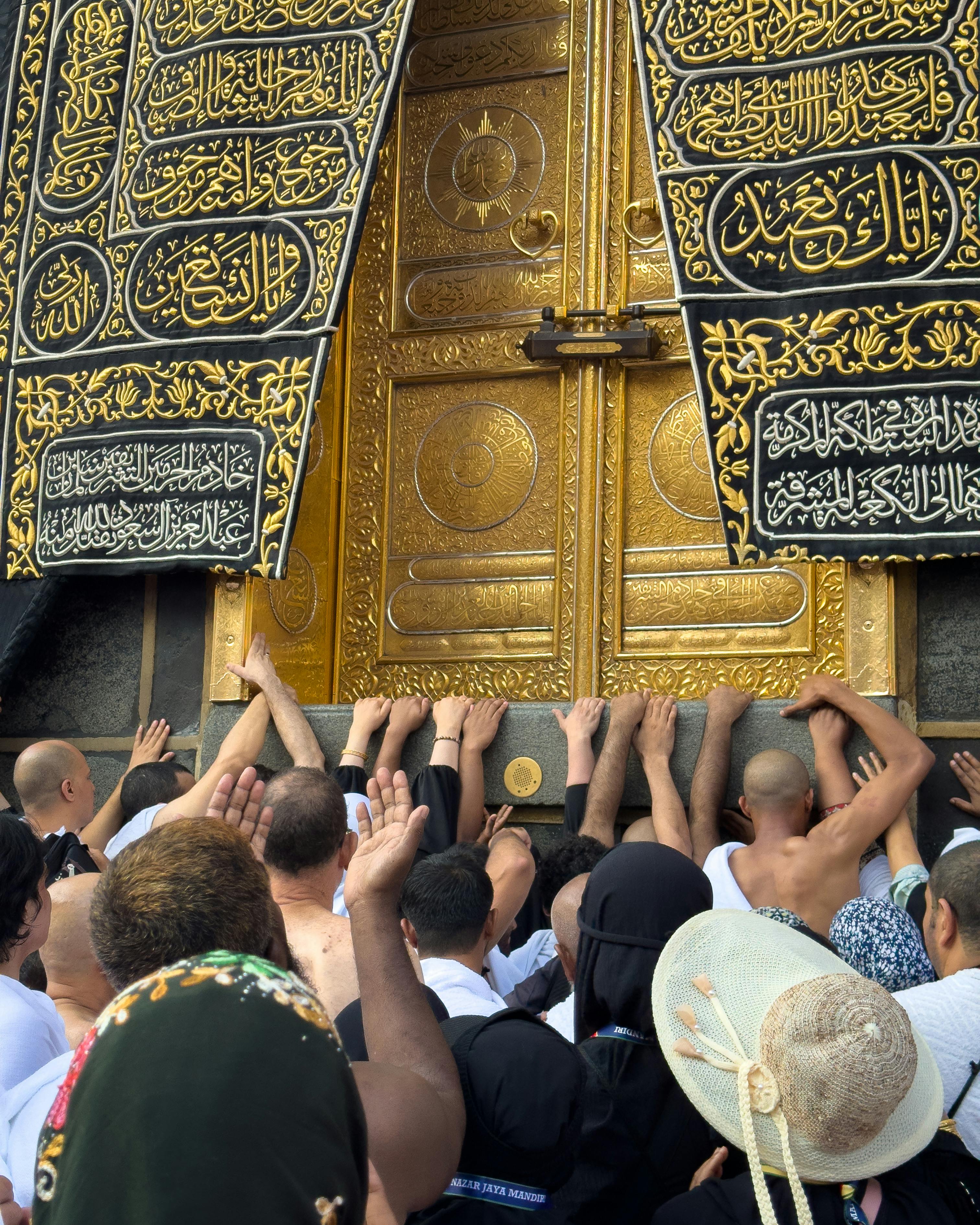
Ihr umfassender Leitfaden für Unterkünfte in Mekka 2026. Finden Sie die besten Hotels nahe Masjid al-Haram, Luxus- und Budget-Optionen für Hadsch & Umrah-Pilger.
Das Wichtigste in Kürze
- Makkah ist ausschließlich für Muslime zugänglich. Dies ist gesetzlich vorgeschrieben und wird an Kontrollpunkten auf jeder Zufahrtsstraße durchgesetzt. Nicht-muslimische Reisende in der Region nehmen sich Jeddah (85 km westlich) oder Taif (90 km östlich) als Standort, beide für alle Besucher offen.
- Visum und Pilgergenehmigung sind zwei getrennte Dinge. Ein touristisches E-Visum (66 berechtigte Länder, ca. SAR 535) erlaubt Muslimen die Einreise und die Durchführung der Umrah, aber Sie müssen zusätzlich eine Umrah-Genehmigung über die offizielle Nusuk-Plattform (nusuk.sa) buchen, sonst werden Sie am Moscheetor abgewiesen.
- Nicht Luxus, sondern die Entfernung zur Masjid al-Haram bestimmt den Preis. Hotels im Zentrum, in den Komplexen Clock Tower und Jabal Omar, kosten außerhalb der Stoßzeiten etwa SAR 900-3,000 pro Nacht; Aziziyah und Misfalah liegen im selben Zeitraum bei etwa SAR 150-350.
- Hajj und die letzten zehn Nächte des Ramadan verdreifachen die Preise in nahezu allen Kategorien. Beide folgen dem Mondkalender und verschieben sich jedes Jahr um etwa 11 Tage nach vorne: Der Ramadan 2027 wird voraussichtlich etwa vom 8. Februar bis 8. März stattfinden, der Hajj 2027 etwa vom 14. bis 16. Mai – endgültig bestätigt wird dies erst wenige Wochen vorher durch die Mondsichtung.
- Wenn Sie mit älteren Eltern oder Personen mit eingeschränkter Mobilität reisen, zahlen Sie für die Nähe und sparen Sie an anderer Stelle. Aufenthalte in preisgünstigeren Vierteln hängen vollständig von Shuttlebussen ab – fragen Sie vor der Buchung, ob der Shuttle auch nachts fährt, sonst wird die Fajr-Gebetszeit zu einer SAR-20-50-Taxifahrt.
Ihr vollständiger Leitfaden für Unterkünfte in Mekka für 2026
Mekka, die heiligste Stadt des Islam, zieht jährlich Millionen von Pilgern für die Haddsch und Umra an. Wenn Sie Ihre spirituelle Reise für 2026 planen, ist die Sicherung der richtigen Unterkunft von größter Bedeutung für Komfort, Bequemlichkeit und Seelenfrieden. Von opulenten Fünf-Sterne-Hotels mit direktem Blick auf den Haram bis hin zu preisgünstigeren Optionen für Pilger bietet Mekka eine vielfältige Auswahl. Dieser umfassende Leitfaden von Explore Saudi führt Sie durch die besten Unterkünfte in Mekka und stellt sicher, dass Ihr Aufenthalt so erfüllend ist wie Ihre Pilgerreise.
Nachdem ich diese Gegend persönlich erkundet habe, kann ich mit Zuversicht sagen, dass die Unterkunft in Mekka eines jener Reiseziele ist, die die Erwartungen wirklich übertreffen. Die Mischung aus Erbe und Moderne hier muss man gesehen haben, um sie zu glauben.
Das Verständnis der Nuancen der Unterkunftslandschaft von Mekka, einschließlich der Nähe zur Masjid al-Haram, der Annehmlichkeiten und der Preise, ist entscheidend. Egal, ob Sie alleine, mit der Familie oder als Teil einer großen Gruppe reisen, dieser Leitfaden wird Sie mit allen notwendigen Informationen ausstatten, um eine fundierte Entscheidung für Ihren Besuch im Jahr 2026 zu treffen.
Kurze Fakten: Unterkunft in Mekka (2026)
- Primäre Unterkunftsgebiete: Zentraler Bereich (fußläufig zum Haram), Aziziyah, Misfalah, Jarwal.
- Hauptsaison: Haddsch (spezifische islamische Kalenderdaten, typischerweise Juni/Juli 2026), Ramadan (März/April 2026) und Schulferien. Die Preise steigen in diesen Zeiten erheblich an.
- Durchschnittliche Preisspanne (pro Nacht, Schätzungen für 2026):
- Budget: SAR 150-350 (USD 40-95)
- Mittelklasse: SAR 400-800 (USD 105-215)
- Luxus: SAR 900-3000+ (USD 240-800+)
- Buchungsvorlaufzeit: Es wird dringend empfohlen, 6-12 Monate im Voraus für Haddsch/Ramadan zu buchen; 3-6 Monate für andere Hauptreisezeiten; 1-3 Monate für Nebensaison.
- Transport: Hotels in der Nähe des Haram sind zu Fuß erreichbar. Andere Gebiete erfordern Taxis, Ride-Sharing-Apps (Uber/Careem) oder Hotel-Shuttle-Services.
Luxusaufenthalte: Unvergleichlicher Komfort in der Nähe des Haram
Für diejenigen, die ein gehobenes Erlebnis suchen, bieten Mekkas Luxushotels erstklassige Annehmlichkeiten, tadellosen Service und vor allem eine unvergleichliche Nähe zur Masjid al-Haram. Diese Einrichtungen sind oft in hoch aufragende Komplexe wie die Abraj Al-Bait Towers integriert und bieten direkten Zugang zu Einkaufszentren, Restaurants und herrlichen Ausblicken auf die Kaaba und die Große Moschee.
Diese Hotels sind ideal für Pilger, die Komfort und Bequemlichkeit priorisieren, insbesondere während der intensiven spirituellen Aktivitäten der Haddsch und Umra. Viele bieten spezielle Gebetsräume, 24-Stunden-Zimmerservice und Concierge-Service, um Ihre spirituelle Reise zu bereichern. Erwarten Sie geräumige Zimmer, opulente Einrichtung und oft eine ruhige Atmosphäre, die die Heiligkeit Ihres Besuchs ergänzt.
Top-Luxushotels (geschätzte Preise 2026)
- Fairmont Makkah Clock Royal Tower: Ikonisches Wahrzeichen innerhalb des Abraj Al-Bait-Komplexes. Bietet atemberaubende Ausblicke auf den Haram, mehrere Restaurants und direkten Zugang zum Einkaufszentrum. Die Preise können zwischen SAR 1500-4000+ (USD 400-1100+) pro Nacht liegen, insbesondere während der Hauptsaison.
- Raffles Makkah Palace: Ein All-Suite-Hotel mit geräumigen Unterkünften und direktem Blick auf den Haram. Bekannt für seinen personalisierten Butler-Service und exquisite Küche. Erwarten Sie SAR 2000-5000+ (USD 530-1350+) pro Nacht.
- Conrad Makkah: Moderne Eleganz mit anspruchsvollen Zimmern und Suiten, viele mit teilweisem oder direktem Blick auf den Haram. Exzellenter Service und vielfältige kulinarische Erlebnisse. Die Preise liegen im Allgemeinen zwischen SAR 1200-3500+ (USD 320-950+).
- Hilton Makkah Convention Hotel: An ein großes Kongresszentrum angeschlossen, bietet dieses Hotel geräumige Zimmer, mehrere Restaurants und ist nur einen kurzen Spaziergang oder eine Shuttlefahrt zum Haram entfernt. Die Preise liegen typischerweise zwischen SAR 1000-3000+ (USD 270-800+).
- Jabal Omar Hyatt Regency Makkah: Teil der Jabal Omar-Entwicklung, bietet modernes Design und Nähe zum Haram. Bekannt für seine familienfreundlichen Annehmlichkeiten. Preise ab SAR 900-2800+ (USD 240-750+).
Eine frühzeitige Buchung ist entscheidend, um diese Premium-Unterkünfte zu sichern, insbesondere für die Haddsch- und Ramadan-Perioden, da sie oft Monate im Voraus ausgebucht sind.
Mittelklasse-Optionen: Komfort und Wert
Für Pilger, die ein Gleichgewicht zwischen Komfort, Bequemlichkeit und Kosten suchen, bieten Mekkas Mittelklasse-Hotels eine ausgezeichnete Lösung. Diese Einrichtungen befinden sich typischerweise in angemessener Gehdistanz (5-15 Minuten) zur Masjid al-Haram oder bieten häufige Shuttle-Services an. Sie bieten oft eine gute Auswahl an Annehmlichkeiten, darunter komfortable Zimmer, Restaurants vor Ort und zuverlässiges WLAN, ohne den Premium-Preis ihrer Luxus-Pendants.
Viele Mittelklasse-Hotels richten sich speziell an Pilgergruppen und bieten größere Familienzimmer oder Vierbettzimmer an. Sie sind eine beliebte Wahl für diejenigen, die die Umra außerhalb der Hauptsaison unternehmen oder für Haddsch-Pilger, die die Nähe priorisieren, aber ihr Budget verantwortungsvoll verwalten müssen.
Empfohlene Mittelklassehotels (geschätzte Preise 2026)
- Anjum Hotel Makkah: Direkt gegenüber dem Haram gelegen, bietet es ein ausgezeichnetes Preis-Leistungs-Verhältnis für seine Lage. Bekannt für seine herzliche Gastfreundschaft und komfortablen Zimmer. Die Preise liegen in der Nebensaison typischerweise zwischen SAR 600-1500 (USD 160-400), in der Hochsaison höher.
- Voco Makkah (IHG Hotel): Ein modernes Hotel mit komfortablen Zimmern und guter Ausstattung, oft mit Shuttleservices zum Haram aufgrund seiner etwas weiteren Lage. Rechnen Sie mit SAR 450-1000 (USD 120-270).
- Al Safwah Royale Orchid Hotel: In der Nähe des King Abdulaziz Gate gelegen, bietet es bequemen Zugang zum Haram und zu Einkaufsmöglichkeiten. Gut für Familien. Die Preise liegen im Allgemeinen bei SAR 700-1800 (USD 190-480).
- Makkah Hotel: Eines der älteren, etablierten Hotels mit einer erstklassigen Lage mit Blick auf den Haram. Bietet traditionellen Komfort und zuverlässigen Service. Preise SAR 800-2000 (USD 215-540).
Wenn Sie Mittelklasseoptionen buchen, bestätigen Sie immer die genaue Gehdistanz oder die Häufigkeit des Shuttleservices zum Haram. Einige Hotels bewerben sich möglicherweise als „in der Nähe des Haram“, erfordern aber eine kurze Taxifahrt, was die tägliche Logistik erschweren kann.
Preisgünstige Unterkünfte: Praktikabilität für Pilger
Für Pilger, die Wert auf Erschwinglichkeit legen, insbesondere während des Hadsch oder längerer Umrah-Aufenthalte, bietet Mekka zahlreiche preisgünstige Unterkunftsmöglichkeiten. Diese Hotels und Pensionen befinden sich oft weiter von der Masjid al-Haram entfernt, in Gebieten wie Aziziyah, Misfalah oder Jarwal. Obwohl sie auf Shuttleservices oder Taxis angewiesen sein können, bieten sie saubere, grundlegende Einrichtungen, die für eine komfortable Pilgerreise unerlässlich sind.
Budget-Unterkünfte sind besonders bei Reisegruppen beliebt und bieten Mehrbettzimmer, die für die Unterbringung mehrerer Personen ausgelegt sind. Viele Hadsch-Pakete beinhalten Aufenthalte in diesen Gebieten, oft mit vom Reiseveranstalter organisierten Transportmitteln. Diese Optionen ermöglichen es Pilgern, einen größeren Teil ihres Budgets für andere Aspekte ihrer Reise zu verwenden.
Gebiete für preisgünstige Unterkünfte
- Aziziyah: Ein lebhaftes Viertel, wenige Kilometer vom Haram entfernt. Bekannt für seine zahlreichen preisgünstigen Hotels, Apartments und lokalen Restaurants. Die meisten Hotels hier bieten Shuttleservices zum Haram an, insbesondere während der Hochsaison.
- Misfalah: Südlich des Haram gelegen, bietet Misfalah eine Mischung aus Hotels und Pensionen. Einige sind zu Fuß erreichbar, andere erfordern Transport.
- Jarwal: Nordwestlich des Haram gelegen, bietet ebenfalls günstigere Optionen mit Shuttle-Zugang.
Was Sie von preisgünstigen Unterkünften erwarten können (geschätzte Preise 2026)
- Grundausstattung: Saubere Zimmer, eigenes Bad, Klimaanlage und manchmal ein kleiner Kühlschrank. Die Verfügbarkeit von WLAN kann variieren oder auf Gemeinschaftsbereiche beschränkt sein.
- Zimmerkonfiguration: Oft mehrere Betten pro Zimmer (Vierer-, Fünferbelegung), um die Kapazität zu maximieren, insbesondere während des Hadsch.
- Transport: Regelmäßig verkehrende Shuttlebusse zum und vom Haram sind üblich, obwohl die Servicefrequenz und -zeiten variieren können. Taxis und Ride-Sharing-Apps sind leicht verfügbare Alternativen.
- Durchschnittliche Preise: Rechnen Sie in der Nebensaison mit SAR 150-350 (USD 40-95) pro Nacht für ein Standard-Doppel-/Zweibettzimmer. Während des Hadsch und Ramadan können die Preise selbst für preisgünstige Optionen erheblich ansteigen und aufgrund der extremen Nachfrage möglicherweise SAR 500-1000+ (USD 135-270+) für ein einfaches Zimmer erreichen.
Bei der Buchung einer preisgünstigen Unterkunft ist es wichtig, sich nach dem Fahrplan des Shuttleservices und der Entfernung zum Haram zu erkundigen. Bewertungen früherer Pilger können ebenfalls wertvolle Einblicke in die tatsächliche Erfahrung bieten.
Apartmentvermietungen und Serviced Apartments
Für Familien oder größere Gruppen, die mehr Platz, Privatsphäre und die Möglichkeit zur Selbstversorgung suchen, sind Serviced Apartments und Apartmentvermietungen eine ausgezeichnete Alternative zu traditionellen Hotels. Diese Optionen werden in Mekka immer beliebter und bieten ein Zuhause fernab der Heimat.
Serviced Apartments verfügen typischerweise über voll ausgestattete Küchen, separate Wohnbereiche und mehrere Schlafzimmer, was Flexibilität und Komfort für längere Aufenthalte bietet. Sie können für Gruppen besonders kostengünstig sein, da die Kosten pro Person oft geringer sind als die Buchung mehrerer Hotelzimmer.
Vorteile von Apartmentvermietungen
- Platz: Mehr Raum zum Entspannen, besonders mit Kindern.
- Privatsphäre: Eine eigenständige Einheit bietet mehr persönlichen Raum.
- Selbstversorgung: Kücheneinrichtungen ermöglichen die Zubereitung von Mahlzeiten, was eine erhebliche Kostenersparnis bedeuten und spezifische Ernährungsbedürfnisse berücksichtigen kann.
- Gruppenfreundlich: Ideal für Familien oder Freundesgruppen, die zusammen reisen.
Wo Sie Apartments finden
Apartmentkomplexe gibt es in ganz Mekka, wobei viele in Gebieten wie Aziziyah, Al-Naseem und in der Nähe der Hauptstraßen zum Haram konzentriert sind. Einige Luxushotelmarken bieten auch Serviced Apartments innerhalb ihrer Komplexe an.
Buchungstipps für Apartments
- Online-Plattformen: Websites wie Booking.com, Airbnb (obwohl weniger verbreitet für direkte Pilgerbuchungen) und lokale saudi-arabische Mietplattformen listen Apartmentoptionen auf.
- Reiseveranstalter: Viele Haddsch- und Umrah-Reiseveranstalter bieten Apartmentaufenthalte in ihren Paketen an, insbesondere für größere Gruppen.
- Verifizierung: Überprüfen Sie immer den genauen Standort, die Ausstattung und eventuelle Shuttle-Services der Unterkunft, bevor Sie buchen. Lesen Sie aktuelle Bewertungen sorgfältig durch.
- Preise: Die Preise variieren stark je nach Größe, Lage und Ausstattung. Ein Apartment mit zwei Schlafzimmern kann außerhalb der Hochsaison zwischen 500 und 1500 SAR (135-400 USD) pro Nacht kosten, kann aber während der Hochsaison erheblich ansteigen.
Planung Ihrer Unterkunft in Mekka für 2026: Wichtige Tipps
Die Sicherung der richtigen Unterkunft in Mekka erfordert eine sorgfältige Planung, insbesondere für eine Reise im Jahr 2026. Hier sind einige wichtige Überlegungen, um einen reibungslosen und komfortablen Aufenthalt zu gewährleisten.
Wann Sie buchen sollten
- Haddsch-Saison (voraussichtlich Juni/Juli 2026): Buchen Sie mindestens 12 Monate im Voraus. Viele Haddsch-Pakete werden ein Jahr oder länger im Voraus abgeschlossen, und unabhängige Buchungen sind näher am Datum extrem schwierig zu sichern und unerschwinglich teuer.
- Ramadan (voraussichtlich März/April 2026): Buchen Sie 6-9 Monate im Voraus. Dies ist eine weitere Hochsaison, und Hotels, insbesondere die in der Nähe des Haram, sind schnell ausgebucht.
- Andere Hochsaisons (z. B. Schulferien, lange Wochenenden): Buchen Sie 3-6 Monate im Voraus.
- Nebensaison: 1-3 Monate im Voraus ist im Allgemeinen ausreichend und bietet mehr Flexibilität und potenziell bessere Angebote.
Wichtige Faktoren, die zu berücksichtigen sind
- Nähe zum Haram: Dies ist oft das Hauptanliegen. Direkte Gehdistanz spart Zeit und Energie, besonders für die täglichen Gebete. Wenn Sie weiter entfernt wohnen, stellen Sie sicher, dass es zuverlässige und häufige Shuttle-Services gibt oder berücksichtigen Sie Taxikosten.
- Budget: Legen Sie Ihr Unterkunftsbudget frühzeitig fest. Mekka bietet Optionen für jeden Preis, aber die Preise schwanken dramatisch je nach Saison und Nähe.
- Gruppengröße und -zusammensetzung: Alleinreisender, Paar, Familie mit kleinen Kindern oder große Gruppe? Dies beeinflusst den Zimmertyp (Standard, Familiensuite, mehrere Betten) und sogar die Wahl zwischen einem Hotel und einem Apartment.
- Ausstattung: Überlegen Sie, was für Ihren Komfort unerlässlich ist: WLAN, Frühstück inklusive, Wäscheservice, Concierge, behindertengerechter Zugang, Gebetsräume usw.
- Bewertungen und Ratings: Nutzen Sie Online-Bewertungen von Plattformen wie Booking.com, Google Maps und TripAdvisor. Achten Sie auf Kommentare zur Sauberkeit, zum Service des Personals und zur tatsächlichen Entfernung/Reisezeit zum Haram.
- Stornierungsbedingungen: Überprüfen Sie immer sorgfältig die Stornierungsbedingungen, insbesondere bei frühzeitiger Buchung, da sich Pläne ändern können.
Buchungsstrategien
- Offizielle Hotel-Websites: Bieten oft die besten Preise und direkte Buchungsvorteile.
- Online-Reisebüros (OTAs): Plattformen wie Booking.com, Agoda und Expedia bieten eine große Auswahl und Vergleichstools.
- Umrah-/Haddsch-Reiseveranstalter: Wenn Sie im Rahmen eines Pakets reisen, wird Ihre Unterkunft vorab arrangiert. Bestätigen Sie den Namen, den Standort und die Ausstattung des Hotels in Ihren Paketdetails.
- Direkter Kontakt: Für spezifische Bedürfnisse oder Gruppenbuchungen kann die direkte Kontaktaufnahme mit dem Hotel manchmal bessere Preise oder maßgeschneiderte Arrangements ergeben.
„Ihre Unterkunft in Mekka ist mehr als nur ein Schlafplatz; sie ist Ihr Zufluchtsort zwischen den Gebeten und ein wichtiger Teil Ihrer spirituellen Reise. Wählen Sie weise, um Ihre Pilgerreise zu bereichern.“
Transport von der Unterkunft zum Haram
Das Verständnis der Transportmöglichkeiten ist entscheidend, insbesondere wenn Ihre gewählte Unterkunft nicht in direkter Gehdistanz zur Masjid al-Haram liegt.
Zu Fuß
Wenn Ihr Hotel innerhalb von 5-15 Gehminuten liegt, ist dies die bequemste und kostengünstigste Option. Seien Sie auf Menschenmassen vorbereitet, besonders während der Hauptgebetszeiten.
Hotel-Shuttles
Viele Hotels, insbesondere in Aziziyah und anderen weiter entfernten Stadtteilen, bieten kostenlose Shuttle-Services zum und vom Haram an. Erkundigen Sie sich beim Check-in nach dem Fahrplan, der Häufigkeit und den Betriebszeiten. Während des Haddsch können diese Shuttles sehr überfüllt sein.
Taxis und Ride-Sharing-Apps
Taxis sind in ganz Mekka leicht verfügbar. Ride-Sharing-Apps wie Uber und Careem sind ebenfalls weit verbreitet und bieten transparente Preise. Dies sind gute Optionen für Flexibilität und Komfort, obwohl die Kosten steigen können, wenn sie mehrmals täglich genutzt werden. Die Fahrpreise steigen während der Stoßzeiten und Gebetszeiten stark an.
- Geschätzter Taxifahrpreis (Aziziyah zum Haram, 2026): 20-50 SAR (5-13 USD) je nach Verkehr und Tageszeit.
Öffentliche Busse (lokal)
Mekka verfügt über ein sich entwickelndes öffentliches Busnetz. Obwohl es nicht so umfangreich oder pilgerorientiert ist wie Shuttle-Services, ist es eine Option für einige Routen. Informationen erhalten Sie vor Ort.
💡 Insider-Tipps
- Besuchen Sie früh morgens, um weniger Menschenmassen und angenehme Temperaturen zu erleben.
- Laden Sie die Saudi Tourism App herunter, um Echtzeit-Updates zu Veranstaltungen und Attraktionen zu erhalten.
- Tragen Sie Bargeld für kleinere Verkäufer bei sich, obwohl die meisten Orte Karten akzeptieren.
- Kleiden Sie sich in öffentlichen Bereichen bescheiden – leichte, lockere Kleidung ist bei Hitze am besten geeignet.
Abschließende Gedanken für Ihre Mekka-Reise 2026
Mekka wird sich auch im Jahr 2026 weiterentwickeln, mit neuen Hotelprojekten und einer verbesserten Infrastruktur. Indem Sie vorausschauend planen und diesen Leitfaden nutzen, können Sie eine Unterkunft wählen, die perfekt zu Ihren spirituellen Bestrebungen und praktischen Bedürfnissen passt. Ob Sie sich für die Pracht eines Fünf-Sterne-Turms mit Blick auf die Kaaba, ein komfortables Mittelklassehotel oder eine praktische Budget-Unterkunft entscheiden – Ihre Zeit in Mekka wird zweifellos ein zutiefst bewegendes Erlebnis sein.
Möge Ihre Pilgerreise angenommen und mit Segen erfüllt sein.
Häufig gestellte Fragen
Wann ist die beste Reisezeit?
Von Oktober bis März ist das Wetter am angenehmsten. Die Temperaturen sind mild und perfekt für Besichtigungen. Vermeiden Sie Juni bis August, es sei denn, Sie besuchen Küstengebiete.
Benötige ich ein Visum?
Bürger aus über 49 Ländern können innerhalb weniger Minuten online ein Touristen-E-Visum erhalten. Der Prozess ist über das offizielle saudische Visa-Portal unkompliziert.
Sind Unterkünfte in Mekka familienfreundlich?
Ja! Saudi-Arabien hat stark in Familienunterhaltung, Parks und kulturelle Erlebnisse investiert, die für alle Altersgruppen geeignet sind.
Was sollte ich anziehen?
In der Öffentlichkeit wird dezente Kleidung erwartet. Leichte, atmungsaktive Stoffe eignen sich am besten. Frauen müssen keine Abaya mehr tragen, aber Schultern und Knie sollten bedeckt sein.
Waren Sie schon einmal in Saudi-Arabien? Teilen Sie Ihre Erfahrungen, Lieblingsorte und Reisetipps in den Kommentaren unten – Ihre Einblicke helfen anderen Reisenden, bessere Reisen zu planen!
Planen Sie Ihr Saudi-Abenteuer
Bereit, das Königreich zu erleben? Unser KI-gestützter Reiseplaner erstellt personalisierte Reiserouten basierend auf Ihren Interessen, Ihrem Budget und Ihren Reisedaten. Von der Skyline Riads bis zu den antiken Gräbern von AlUla – lassen Sie uns Ihnen helfen, Saudi-Arabien auf Ihre Weise zu entdecken.
Häufig gestellte Fragen
- Can non-Muslims stay in a hotel in Makkah?
- No. Makkah is open to Muslims only, and the restriction is enforced at checkpoints on every road into the city, well before the Haram boundary. No hotel booking will get a non-Muslim visitor past them. Non-Muslim travellers to the Hejaz normally base themselves in Jeddah, about 85 km west, or Taif, about 90 km east - both are open to all visitors.
- Do I need more than a visa to perform Umrah?
- Yes. The visa admits you to the country; the permit admits you to the pilgrimage. Muslims can perform Umrah on a Saudi tourist e-Visa (available to citizens of 66 eligible countries for about SAR 535), but you must separately book an Umrah permit through the official Nusuk platform at nusuk.sa. It assigns your entry slot for Masjid al-Haram and is checked at the approaches to the mosque. Hajj is a different route entirely and cannot be done on a tourist visa.
- How much does accommodation in Makkah cost?
- Off-peak, roughly SAR 900-3,000 per night in the central area within walking distance of the Haram, SAR 400-900 in the mid-range ring five to fifteen minutes out, and SAR 150-350 in budget districts like Aziziyah, Misfalah and Jarwal. During Hajj and the last ten nights of Ramadan, expect roughly triple across every band - even basic budget rooms can reach SAR 500-1,000. Rates move constantly, so check live pricing.
- When is Hajj, and when should I book?
- Hajj follows the lunar calendar and moves about 11 days earlier each year. Hajj 2027 is expected around 14-16 May 2027, with Eid al-Adha on approximately 16 May, but dates are confirmed only by the Saudi Supreme Court's moon sighting a few weeks beforehand. Hajj packages are typically finalised 6-12 months ahead through approved operators. Because your date is an estimate until late, prioritise flexible cancellation over the lowest rate.
- Is it worth paying more to stay near the Haram?
- It depends on who you are travelling with. If your group includes elderly parents, young children or anyone with limited mobility, proximity decides whether they pray at the mosque or in the hotel room - pay for it and cut costs elsewhere. Fit adults on a normal Umrah can stay in Aziziyah and use shuttles without much difficulty. Before booking anything marketed as near the Haram, open the address in a map and measure the walk yourself; the phrase is used loosely.