Abha und Asir: Saudi-Arabiens Bergparadies
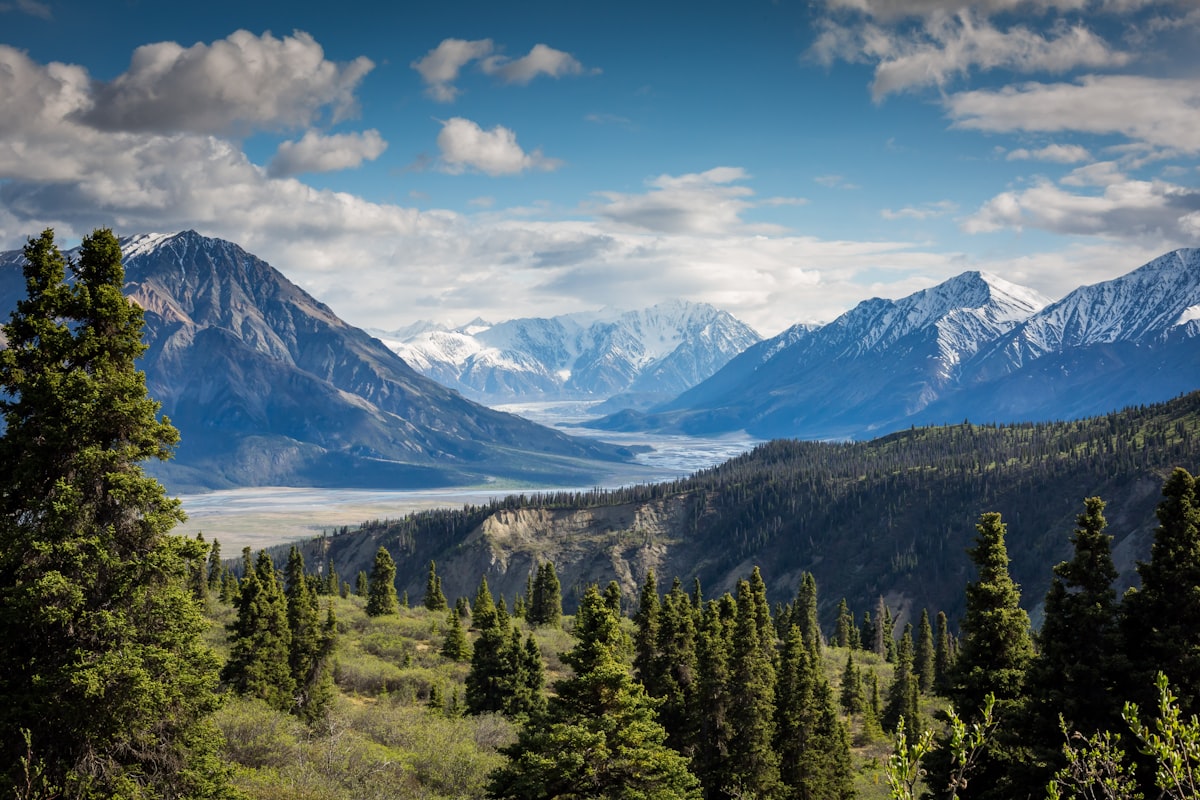
Entdecken Sie Abha und die Asir-Berge Saudi-Arabiens: kühles Klima, bemalte Dörfer, Rijal Almaa und einzigartige Hochlandkultur. Ein unvergessliches Erlebnis.
Das Wichtigste in Kürze
- Abha liegt auf etwa 2,200 m Höhe im Asir-Gebirge; die Sommer bleiben bei etwa 20-25°C, was Juni bis August zur einheimischen Hochsaison macht — im Gegensatz zum Rest Saudi-Arabiens
- Seit dem Frühjahr 2026 raten westliche Regierungen von Reisen in die Grenzzone zum Jemen ab (einschließlich der Stadt Najran); Abha liegt außerhalb der genannten Zonen, prüfen Sie aber vor der Buchung die aktuellen Hinweise Ihrer Regierung
- Fliegen Sie nach Abha (AHB): Riad ist auf der Straße rund 950 km entfernt, aber nur etwa 90 Minuten mit dem Flugzeug; Jeddah liegt etwa 625 km entfernt — ein Mietwagen ist nach der Ankunft unverzichtbar
- Das Kulturerbe-Dorf Rijal Almaa, etwa 45 km westlich von Abha, verlangt rund SAR 20 Eintritt; der Dienstagsmarkt von Abha ist der Ort für asirischen Honig und Handwerkskunst
- Jabal Soudah erreicht etwa 3,000 m — die Seilbahnen in der Gegend verkehren saisonal, während die Bauarbeiten an Soudah Peaks andauern; bestätigen Sie die Betriebstage daher vor Ort
- Kalkulieren Sie SAR 300-800 pro Nacht für ein ordentliches Hotel in Abha und buchen Sie für Sommerwochenenden frühzeitig
Willkommen in den grünen Höhen von Abha und Asir
Vergessen Sie die stereotypen Bilder von endlosen Wüsten und glänzenden Metropolen. Während Saudi-Arabien sicherlich diese prächtigen Landschaften zu bieten hat, enthüllt eine Reise in den Südwesten eine völlig andere Facette dieser faszinierenden Nation: die kühlen, smaragdgrünen Berge der Asir-Region. Im Herzen liegt Abha, die Provinzhauptstadt, eine Stadt, die majestätisch inmitten von Gipfeln thront, die oft die Wolken küssen. Für Reisende, die eine Reise nach Saudi-Arabien im Jahr 2026 planen, bieten Abha und Asir eine unvergleichliche Flucht – eine erfrischende Mischung aus Abenteuer, alter Kultur und atemberaubender Naturschönheit, die alle Erwartungen übertrifft. Diese Region ist ein Beweis für die unglaubliche geografische Vielfalt Saudi-Arabiens und verspricht ein Erlebnis, das ebenso belebend wie aufschlussreich ist.
Nachdem ich diese Gegend persönlich erkundet habe, kann ich mit Zuversicht sagen, dass Abha und Asir: Saudi-Arabiens Bergparadies eines jener Reiseziele ist, das die Erwartungen wirklich übertrifft. Die Mischung aus Erbe und Moderne hier muss man gesehen haben, um sie zu glauben.
Der Reiz von Abha und Asir liegt nicht nur in seiner dramatischen Landschaft, sondern auch in seiner ausgeprägten kulturellen Identität. Hier verflechten sich traditionelle Architektur, lebendige lokale Bräuche und ein langsameres Lebenstempo mit modernen Annehmlichkeiten und schaffen so ein Reiseziel, das sich sowohl authentisch als auch einladend anfühlt. Von den nebligen Morgenstunden, die die Täler umhüllen, bis zur herzlichen Gastfreundschaft seiner Bewohner ist jeder Moment in Asir eine Einladung, ein Saudi-Arabien zu erkunden, das nur wenige außerhalb des Königreichs wirklich kennengelernt haben. Lassen Sie sich von einer Region verzaubern, in der alte Geschichte jedem Stein Leben einhaucht und die Berge Geschichten vergangener Generationen flüstern.
Kurze Fakten für Ihr Abha- und Asir-Abenteuer (2026)
- Lage: Südwestliches Saudi-Arabien, grenzt an den Jemen.
- Hauptstadt: Abha.
- Klima: Deutlich kühler als der größte Teil Saudi-Arabiens, besonders im Sommer. Erwarten Sie milde Sommer (durchschnittlich 20-25°C) und kühle Winter (durchschnittlich 10-15°C), mit häufigem Regen und Nebel.
- Währung: Saudi-Riyal (SAR). Ab 2026 sind die Wechselkurse im Allgemeinen stabil bei etwa 1 USD = 3,75 SAR.
- Sprache: Arabisch (offiziell). Englisch wird in Touristengebieten und von vielen jüngeren Saudis gesprochen.
- Beste Reisezeit: Ganzjährig, aber Frühling (März-Mai) und Herbst (September-November) bieten das angenehmste Wetter für Outdoor-Aktivitäten. Der Sommer bietet eine kühle Flucht vor der Wüstenhitze.
- Anreise: Der internationale Flughafen Abha (AHB) ist gut mit Inlandsflügen von Riyadh, Jeddah und Dammam verbunden. Internationale Verbindungen nehmen zu.
Warum Abha und Asir herausragen: Ein anderes saudisches Erlebnis
Das Wesen von Abha und Asir stellt die Vorurteile über Saudi-Arabien in Frage. Während das Königreich seine Küstenorte und Wüstenabenteuer schnell entwickelt, ist diese Bergregion seit langem ein geschätzter Rückzugsort für Saudis, die Erholung von der Hitze suchen. Die Höhe, oft über 2.000 Meter über dem Meeresspiegel, schafft ein Mikroklima, das überraschend gemäßigt ist, selbst während der sengenden Sommermonate. Dieser einzigartige geografische Vorteil hat ein ausgeprägtes Ökosystem gefördert, das durch üppige Terrassenfelder, Wacholderwälder und eine Fülle von Wildblumen gekennzeichnet ist, die die Landschaft in Grüntönen malen, die selten mit der Arabischen Halbinsel in Verbindung gebracht werden.
Jenseits des Klimas ist der kulturelle Teppich von Asir bemerkenswert reich. Die Isolation der Region über Jahrhunderte hat es ihren Traditionen ermöglicht, zu gedeihen, weitgehend unberührt von äußeren Einflüssen. Dies zeigt sich in der unverwechselbaren Architektur ihrer Dörfer, der lebendigen traditionellen Kleidung und den dauerhaften Bräuchen ihrer Menschen.
Die Männer von Asir tragen oft Blumenkränze (bekannt als Al-Aklil oder Al-Ghatra) auf dem Kopf, ein Symbol ihres Erbes und ein wirklich einzigartiger Anblick für Besucher. Auch die Frauen schmücken sich mit exquisit bestickten Gewändern, die eine Meisterschaft der Handwerkskunst zeigen, die über Generationen weitergegeben wurde. Diese tiefe Verbindung zum Erbe, kombiniert mit der atemberaubenden Naturkulisse, macht Abha und Asir zu einem unvergesslichen Reiseziel für diejenigen, die ein authentisches und bereicherndes kulturelles Eintauchen suchen.
Abha erkunden: Die Berghauptstadt
Abha selbst ist eine Stadt der Kontraste, wo moderne Infrastruktur auf alte Traditionen trifft. Wenn Sie durch die verwinkelten Gassen navigieren, werden Sie eine Stadt entdecken, die sowohl den Fortschritt als auch ihre historischen Wurzeln umarmt. Beginnen Sie Ihre Erkundung am Jabal Al-Akhdar (dem Grünen Berg), der einen Panoramablick auf die Stadt bietet, besonders bezaubernd bei Sonnenuntergang, wenn die Lichter unten zu funkeln beginnen. Eine Seilbahn (ca. 60 SAR / 16 USD für eine Hin- und Rückfahrt) bringt Sie auf den Gipfel und bietet eine einzigartige Perspektive auf Abhas weitläufige Landschaft.
Ein weiteres Muss ist der Abha Dam Lake, ein ruhiger Ort, der sich perfekt für einen gemütlichen Spaziergang oder ein Picknick eignet. Der Damm, ein Wunderwerk der Ingenieurskunst, schafft ein wunderschönes Reservoir, das die umliegenden Berge widerspiegelt. Für einen tieferen Einblick in die lokale Kultur begeben Sie sich in das Abha Cultural Village, einen sorgfältig gestalteten Komplex, der traditionelle asirische Architektur, Kunsthandwerk und darstellende Künste präsentiert. Hier können Sie Handwerkern bei der Arbeit zusehen, lokale Köstlichkeiten probieren und vielleicht sogar eine traditionelle Tanzvorführung erleben. Verpassen Sie nicht die Gelegenheit, das Al-Muftaha Art Village zu besuchen, ein lebendiges Zentrum, in dem lokale Künstler ihre Werke in renovierten traditionellen Häusern ausstellen, oft unter Einbeziehung der beeindruckenden „Al-Qatt Al-Asiri“-Kunstform – geometrische Wandmalereien, die traditionell von Frauen ausgeführt werden.
Empfohlene Erlebnisse in Abha:
- Fahren Sie mit der Seilbahn auf den Jabal Al-Akhdar, um den Sonnenuntergang zu genießen.
- Erkunden Sie das Al-Muftaha Art Village und bewundern Sie lokale Kunstwerke.
- Spazieren Sie am Abha Dam Lake entlang für einen friedlichen Nachmittag.
- Besuchen Sie das Abha Cultural Village, um das traditionelle asirische Leben kennenzulernen.
- Speisen Sie in einem lokalen Restaurant, das traditionelle asirische Küche anbietet, wie Arika (ein reichhaltiges, süßes Gericht) oder Hanith (langsam gegartes Lamm).
Reise durch die Asir-Region: Jenseits von Abha
Während Abha als hervorragende Basis dient, entfaltet sich die wahre Magie von Asir, wenn Sie sich in die umliegende Landschaft wagen. Die Region ist übersät mit alten Dörfern, die sich an Berghänge klammern, dramatischen Steilhängen und grünen Tälern. Eines der ikonischsten Ziele ist das Rijal Alma'a Heritage Village, ein vorläufiges UNESCO-Weltkulturerbe, das etwa 45 km westlich von Abha liegt. Dieses Dorf ist ein lebendiges Museum, bekannt für seine prächtigen mehrstöckigen Lehm- und Steinfestungen, die oft mit weißem Quarz und aufwendigen Verzierungen geschmückt sind. Ein Spaziergang durch seine engen Gassen fühlt sich an wie eine Zeitreise. Der Eintritt in das Dorf beträgt in der Regel etwa 20-30 SAR (5-8 USD).
Weiter entfernt bieten die Soudah Mountains einige der höchsten Gipfel Saudi-Arabiens und erreichen Höhen von über 3.000 Metern. Dieses Gebiet ist ein Paradies für Wanderer und Naturliebhaber, mit gut gepflegten Wegen, die sich durch Wacholderwälder schlängeln. Soudah ist besonders beeindruckend in den Sommermonaten, wenn das Wetter kühl und neblig ist und oft in Wolken gehüllt. Eine weitere Seilbahn (ähnliche Preise wie in Abha) verkehrt hier und fährt ins Tihama-Tal hinab, was einen spektakulären Abstieg durch dramatische geologische Formationen bietet. Halten Sie Ausschau nach dem schwer fassbaren Arabischen Leoparden, obwohl Sichtungen selten sind.
Für einen Einblick in traditionelle landwirtschaftliche Praktiken besuchen Sie die Terrassenfelder der Regionen Tanomah und Al-Namas, nördlich von Abha. Hier haben Generationen von Bauern sorgfältig Stufen in die Berghänge gehauen, um Pflanzen wie Weizen, Gerste und verschiedene Früchte anzubauen. Die leuchtend grünen Terrassen vor den schroffen Bergen sind ein Traum für Fotografen. Diese Gebiete bieten auch charmante Kleinstädte mit ihrem eigenen einzigartigen Charakter und ihrer historischen Bedeutung, oft mit alten Wachtürmen und traditionellen Souqs.
Unbedingt sehenswerte Ziele in Asir:
- Rijal Alma'a: Erkunden Sie die atemberaubenden Lehm- und Steinfestungen. Planen Sie mindestens einen halben Tag ein.
- Soudah Mountains: Wandern Sie, fahren Sie mit der Seilbahn und genießen Sie die kühle Bergluft.
- Habala Hanging Village: Historisch nur über eine Strickleiter zugänglich, jetzt per Seilbahn. Bietet unglaubliche Ausblicke und eine einzigartige Geschichte. (Überprüfen Sie die Zugänglichkeit für 2026, da einige Bereiche entwickelt werden).
- Tanomah & Al-Namas: Entdecken Sie Terrassenfelder und malerische Bergstädte.
- Wadi Lajab: Eine spektakuläre Schlucht mit hoch aufragenden Klippen und üppiger Vegetation, perfekt für Abenteuerlustige (erfordert Geländewagen und Führer).
Die Menschen und Kultur von Asir: Herzlichkeit und Erbe
Die Menschen von Asir sind bekannt für ihre Gastfreundschaft und ihren starken Gemeinschaftssinn. Ihre Kultur ist tief in alten Traditionen verwurzelt, was sich in ihrer unverwechselbaren Kleidung, Musik und Kunst zeigt. Die „Al-Qatt Al-Asiri“-Kunst, ein immaterielles Kulturerbe der UNESCO, ist ein besonders beeindruckendes Beispiel. Diese geometrische Wandmalerei, die traditionell von Frauen zur Dekoration ihrer Häuser geschaffen wird, verwendet lebendige Farben und komplizierte Muster, die Innenräume in Kunstwerke verwandeln. Viele öffentliche Gebäude und Kunstgalerien in Abha und den umliegenden Städten präsentieren heute diese wunderschöne Kunstform.
Musik und Tanz spielen ebenfalls eine wichtige Rolle in der asirischen Kultur. Traditionelle Aufführungen, oft mit Trommeln, Flöten und poetischen Rezitationen, sind bei Festen und besonderen Anlässen ein häufiger Anblick. Die rhythmischen Bewegungen und farbenfrohen Kostüme erzählen Geschichten von Mut, Liebe und dem täglichen Leben. Der Austausch mit Einheimischen, vielleicht bei einer Tasse traditionellem arabischem Kaffee (Qahwa), ist eine bereichernde Erfahrung, die Ihr Verständnis dieser einzigartigen Region vertiefen wird. Seien Sie nicht überrascht, wenn Sie zu einer Mahlzeit oder zur Teilnahme an einem lokalen Brauch eingeladen werden – es ist ein Beweis für die echte Herzlichkeit der Menschen in Asir.
„Die Berge von Asir sind nicht nur ein geografisches Wunder; sie sind eine lebendige Leinwand, auf der alte Traditionen auf eine Landschaft von unvergleichlicher Schönheit gemalt werden. Ein Besuch ist ein Schritt in ein Saudi-Arabien, das sowohl vertraut als auch wunderbar unerwartet ist.“
— Redaktionsteam von Explore Saudi
Planen Sie Ihre Abha- und Asir-Reise: Wichtige Tipps für 2026
Reisen nach Abha und Asir werden 2026 immer zugänglicher, aber einige wichtige Überlegungen gewährleisten eine reibungslose und angenehme Reise. Visa für Saudi-Arabien sind jetzt für Bürger vieler Länder erhältlich, oft online über das eVisa-Portal. Stellen Sie sicher, dass Ihr Reisepass ab Ihrem geplanten Abreisedatum noch mindestens sechs Monate gültig ist. Obwohl in Touristengebieten Englisch gesprochen wird, wird das Erlernen einiger grundlegender arabischer Sätze von den Einheimischen immer geschätzt.
Was den Transport betrifft, so ist die Anmietung eines Autos für die Erkundung der Asir-Region sehr zu empfehlen. Die öffentlichen Verkehrsmittel außerhalb von Abha sind begrenzt, und ein Auto bietet die Flexibilität, versteckte Juwelen in Ihrem eigenen Tempo zu entdecken. Große internationale Autovermietungen sind am internationalen Flughafen Abha tätig. Seien Sie auf kurvenreiche Bergstraßen vorbereitet und stellen Sie sicher, dass Ihr Fahrzeug gut gewartet ist. Nehmen Sie immer viel Wasser mit, besonders wenn Sie wandern oder längere Zeit im Freien verbringen möchten.
Praktische Planungstipps:
- Visum: Beantragen Sie Ihr saudisches eVisa rechtzeitig.
- Unterkunft: Buchen Sie Hotels in Abha oder Pensionen in kleineren Städten. Die Auswahl reicht von internationalen Ketten bis hin zu Boutique-Hotels und traditionellen Unterkünften. Die Preise für ein gutes Hotel in Abha beginnen bei etwa 300-500 SAR (80-135 USD) pro Nacht.
- Transport: Mieten Sie einen Geländewagen oder eine zuverlässige Limousine, um die Region zu erkunden. Kraftstoff ist relativ günstig (ca. 2,5 SAR/Liter oder 0,67 USD/Liter).
- Packen: Packen Sie Kleidung in Schichten ein. Auch im Sommer können die Abende kühl sein. Bringen Sie gute Wanderschuhe, Sonnenschutz und eine leichte Regenjacke mit.
- Respektieren Sie lokale Bräuche: Kleiden Sie sich bescheiden, besonders beim Besuch religiöser Stätten oder traditioneller Dörfer. Frauen sollten für solche Anlässe ein Kopftuch mitführen.
- Konnektivität: SIM-Karten sind am Flughafen oder in Abha leicht erhältlich. Zu den großen Anbietern gehören STC, Mobily und Zain.
- Sicherheit: Asir ist eine sichere Region für Touristen. Informieren Sie immer jemanden über Ihre Wanderpläne und bleiben Sie auf markierten Wegen.
Küche von Asir: Ein Geschmack der Berge
Das Essen in Asir spiegelt den landwirtschaftlichen Reichtum und die ausgeprägte kulturelle Identität der Region wider. Im Gegensatz zu den überwiegend fleischbasierten Gerichten, die anderswo in Saudi-Arabien zu finden sind, enthält die asirische Küche oft mehr Getreide, Gemüse und Milchprodukte. Eines der berühmtesten Gerichte ist Arika, ein herzhaftes, süßes und unglaublich reichhaltiges Dessert aus Vollkornmehl, Datteln, Butter und Honig. Es wird oft auf einer gemeinsamen Platte serviert, perfekt zum Teilen.
Ein weiteres Grundnahrungsmittel ist Hanith, langsam gegartes Lamm- oder Ziegenfleisch, oft mit lokalen Kräutern und Gewürzen gewürzt und dann traditionell in einer Grube gekocht. Es ist unglaublich zart und schmackhaft. Verpassen Sie nicht, lokale Brote wie Khubz Al-Tameez zu probieren, die oft mit Käse oder Honig serviert werden. Für ein wirklich authentisches Erlebnis suchen Sie ein traditionelles Restaurant in Abha oder einer der kleineren Städte auf. Rechnen Sie mit Kosten von etwa 100-150 SAR (27-40 USD) für ein Essen für zwei Personen in einem mittelklassigen Restaurant.
Lokale Köstlichkeiten zum Probieren:
- Arika: Ein süßes und sättigendes Dessert.
- Hanith: Zartes, langsam gegartes Lamm- oder Ziegenfleisch.
- Khubz Al-Tameez: Frisch gebackenes Fladenbrot.
- Al-Menzalah: Ein herzhaftes Gericht, typischerweise mit Fleisch, Gemüse und Gewürzen zubereitet.
- Asiri-Honig: Bekannt für seine Qualität und seinen einzigartigen Geschmack.
Nachhaltiger Tourismus und zukünftige Entwicklungen
Saudi-Arabien engagiert sich für die nachhaltige Entwicklung seines Tourismussektors, und die Region Asir bildet da keine Ausnahme. Es werden Anstrengungen unternommen, um ihre natürliche Schönheit und ihr kulturelles Erbe zu bewahren und gleichzeitig eine moderne Infrastruktur für Besucher bereitzustellen. Projekte wie die Entwicklung von Öko-Lodges und die Förderung verantwortungsvoller Tourismuspraktiken gewinnen an Dynamik. Wenn Sie Ihre Reise für 2026 planen, achten Sie auf Ihre Umweltauswirkungen, unterstützen Sie lokale Unternehmen und respektieren Sie die Traditionen der Gemeinden, die Sie besuchen. Auf diese Weise tragen Sie zur langfristigen Nachhaltigkeit dieses außergewöhnlichen Reiseziels bei.
Die Zukunft des Tourismus in Asir sieht rosig aus, mit kontinuierlichen Investitionen in die Infrastruktur, verbesserter Zugänglichkeit und einer wachsenden Anzahl kuratierter Erlebnisse, die den einzigartigen Reiz der Region hervorheben sollen. Erwarten Sie bis 2026 mehr Wanderwege, Kulturfestivals und vielleicht sogar spezielle Abenteuertourismus-Anbieter. Dies ist eine Region, die sich zu einem wichtigen Highlight auf der globalen Reiselandkarte entwickeln wird und eine echte und beeindruckende Alternative zu Saudi-Arabiens bekannteren Attraktionen bietet.
💡 Insider-Tipps
- Besuchen Sie früh morgens, um weniger Menschenmassen und angenehme Temperaturen zu erleben.
- Laden Sie die Saudi Tourism App herunter, um Echtzeit-Updates zu Veranstaltungen und Attraktionen zu erhalten.
- Tragen Sie Bargeld für kleinere Anbieter bei sich, obwohl die meisten Orte Karten akzeptieren.
- Kleiden Sie sich in öffentlichen Bereichen bescheiden – leichte, lockere Kleidung ist bei Hitze am besten geeignet.
Fazit: Ihr Abenteuer in Abha und Asir erwartet Sie
Abha und die Region Asir bieten eine fesselnde Erzählung, die Erwartungen übertrifft und das Verständnis Saudi-Arabiens bereichert. Von den kühlen, wolkenverhangenen Gipfeln von Soudah bis zum alten befestigten Dorf Rijal Alma'a erzählt jede Ecke dieses bergigen Paradieses eine Geschichte von Widerstandsfähigkeit, Schönheit und tief verwurzelter Tradition. Für Reisende im Jahr 2026, die Abenteuer, kulturelles Eintauchen und eine erfrischende Flucht aus dem Alltag suchen, verspricht Asir eine unvergessliche Reise.
Packen Sie Ihr Staunen ein, bereiten Sie sich auf atemberaubende Ausblicke vor und öffnen Sie Ihr Herz für die Herzlichkeit seiner Menschen. Abha und Asir sind nicht nur Reiseziele; es sind Erlebnisse, die lange nach Ihrer Rückkehr von ihren majestätischen Höhen nachwirken werden. Entdecken Sie das grüne Herz Saudi-Arabiens – einen Ort, wo Berge auf Nebel treffen und alte Echos mit einer lebendigen Gegenwart in Resonanz stehen. Ihr Abenteuer in den faszinierenden Hochländern des Königreichs erwartet Sie.
Häufig gestellte Fragen
Wann ist die beste Reisezeit?
Von Oktober bis März ist das Wetter am angenehmsten. Die Temperaturen sind mild und perfekt für Besichtigungen. Vermeiden Sie die Monate Juni bis August, es sei denn, Sie besuchen Küstengebiete.
Benötige ich ein Visum?
Bürger aus über 49 Ländern können online in wenigen Minuten ein Touristen-E-Visum erhalten. Der Prozess ist unkompliziert über das offizielle saudische Visa-Portal.
Ist Abha und Asir: Saudi-Arabiens Bergparadies familienfreundlich?
Ja! Saudi-Arabien hat stark in Familienunterhaltung, Parks und kulturelle Erlebnisse investiert, die für alle Altersgruppen geeignet sind.
Was sollte ich anziehen?
In der Öffentlichkeit wird dezente Kleidung erwartet. Leichte, atmungsaktive Stoffe eignen sich am besten. Frauen müssen keine Abaya mehr tragen, aber Schultern und Knie sollten bedeckt sein.
Waren Sie schon in Saudi-Arabien? Teilen Sie Ihre Erfahrungen, Lieblingsorte und Reisetipps in den Kommentaren unten – Ihre Einblicke helfen anderen Reisenden, bessere Reisen zu planen!
Planen Sie Ihr Saudi-Abenteuer
Bereit, das Königreich zu erleben? Unser KI-gestützter Reiseplaner erstellt personalisierte Reiserouten basierend auf Ihren Interessen, Ihrem Budget und Ihren Reisedaten. Von Riads Skyline bis zu den antiken Gräbern von AlUla – lassen Sie uns Ihnen helfen, Saudi-Arabien auf Ihre Weise zu entdecken.
Häufig gestellte Fragen
- What is the best time to visit Abha and Asir?
- Summer (June to August) is high season: temperatures around 20-25°C, monsoon mist and green terraces, but also the biggest crowds and highest hotel prices. March to May brings wildflowers and quieter roads; winter is clear with cold nights at altitude. Unlike the rest of Saudi Arabia, Abha is at its busiest in July.
- How far is Abha from Riyadh and Jeddah?
- Abha is roughly 950 km from Riyadh — about a 10-hour drive — and around 625 km from Jeddah (7-8 hours by road). Almost everyone flies instead: Abha International Airport (AHB) has direct domestic flights from Riyadh (about 90 minutes), Jeddah and Dammam.
- Is Abha safe to visit in 2026?
- Abha and the Asir highlands lie outside the Yemen-border areas that Western governments designate as do-not-travel zones, and domestic tourism continues. However, since spring 2026 the US State Department has held all of Saudi Arabia at Level 3 (Reconsider Travel). Read your own government's current guidance before booking and keep plans flexible.
- What is special about Rijal Almaa?
- Rijal Almaa is a heritage village about 45 km west of Abha, known for multi-storey stone tower houses decorated with white quartz and for interiors painted in the Al-Qatt Al-Asiri style. It is on UNESCO's tentative World Heritage list. Entry costs about SAR 20, and the drive down the escarpment takes around an hour.
- Can you visit Habala hanging village?
- Habala is a village built on a ledge in a sheer cliff face, once reached only by rope ladders — habl means rope in Arabic. Its original residents were relocated decades ago, and a cable car descends to the site when operating, mainly during the summer season. Outside those months you can still see the village from the rim viewpoints; check locally before making the trip.